
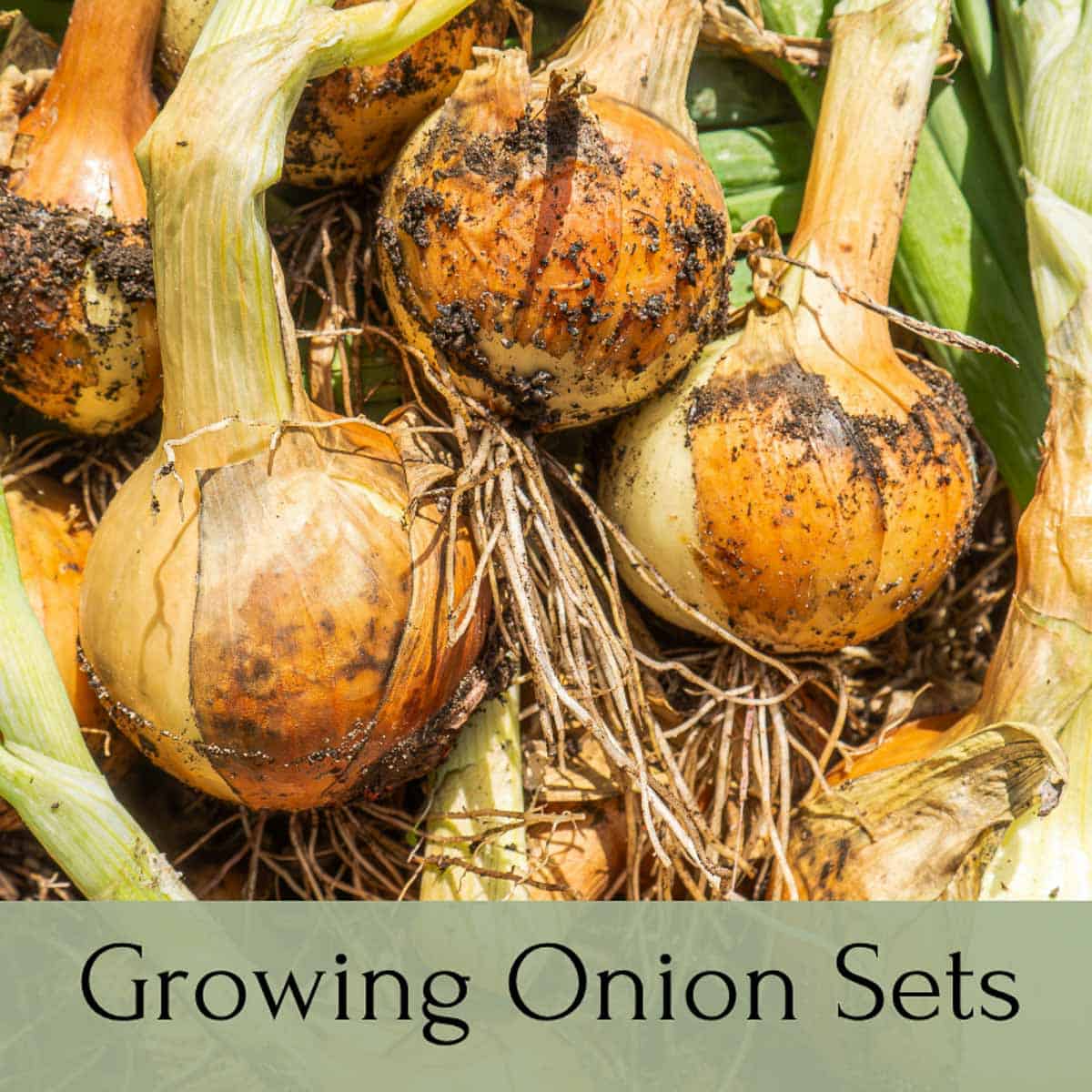
There's something satisfying about pulling a fat, golden onion from the ground in summer, especially when you know it all started with a tiny, papery bulb the size of a marble. For any Montana garden, planting onion sets is the single most reliable way to grow onions in our short, sometimes unpredictable season.
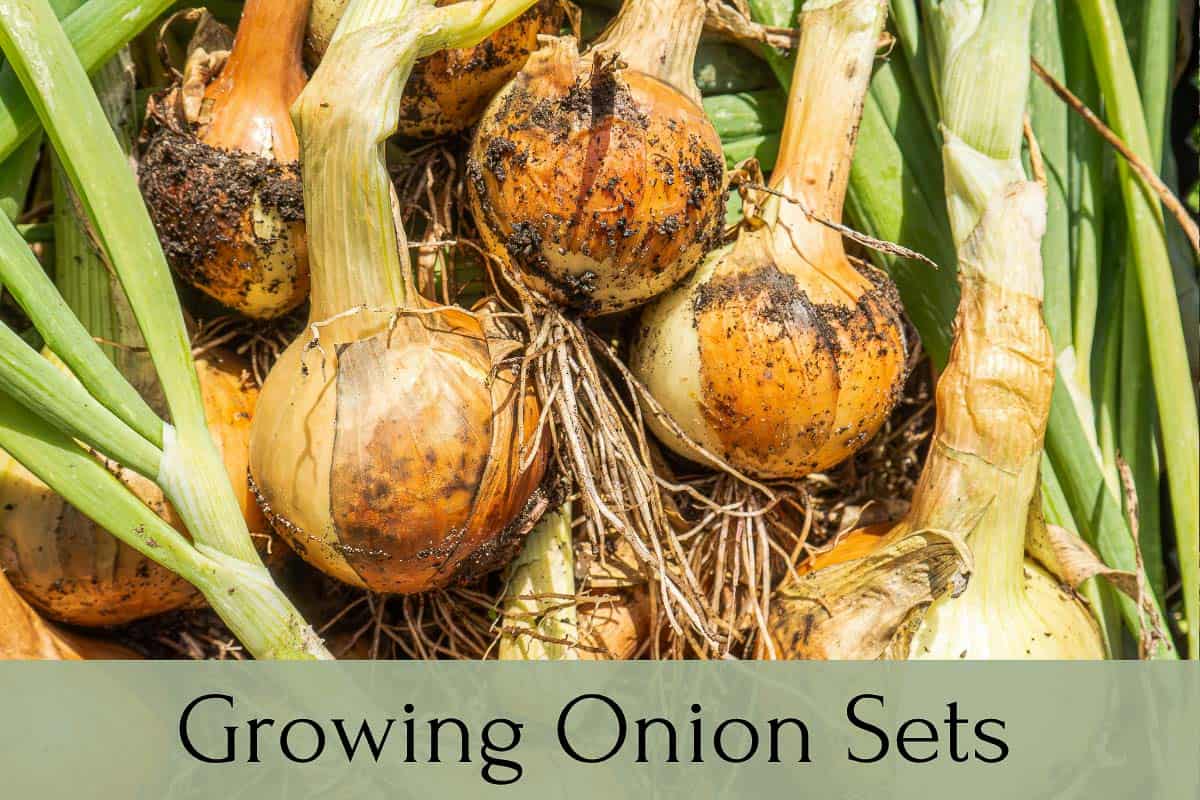
Montana's summers may be short, but the long days of June and July are actually ideal for growing onions. This step-by-step guide walks you through exactly how to plant onion sets, including soil prep, proper spacing, planting depth, and watering tips. If you enjoy this guide, make sure to check out my new guide for planting seed potatoes!
Jump to:
- What are onion sets?
- When to Plant Onion Sets in Montana
- Choosing the Right Onion Type (Long-Day vs Short-Day)
- Choosing Your Onion Sets
- Soil and Site Matter
- How to Grow Onion Sets (Step-by-Step)
- Companion Planting (Good Neighbors for Onions)
- Caring for Your Onion Crop
- Curing and Storing Onions
- FAQ
- Pro Tips
- More Gardening Posts
- Onion Sets: How to Plant, Grow, and Harvest for Big Bulbs
- Comments
What are onion sets?
Onion sets are small, immature onion bulbs that were grown from seed the previous year, then harvested early and stored. When planted, they grow into full-sized onions much faster than starting from seed.
Gardeners who grow alliums like onions and garlic can enjoy multiple harvests, including bulbs and garlic scapes, perfect for making garlic scape butter and pickled garlic scapes. See my how to grow garlic post to learn more!
When to Plant Onion Sets in Montana
Much like growing saffron in cold climates, getting the timing right is the key to a successful onion crop. They're cool-season crops, and sets should go in the ground as soon as the soil is workable in early spring. Montana's last frost dates vary widely, from late April in the Bitterroot Valley and Flathead, to late May or even early June at higher elevations.
As a general rule, plant onion sets 2 to 4 weeks before your average last frost date. Onion sets are tough and can handle a light frost without too much trouble.
Choosing the Right Onion Type (Long-Day vs Short-Day)
If you're buying your sets from a local nursery or garden center, you can generally trust that they'll stock varieties suited to your area. A Montana gardener can feel confident they're grabbing the right type right off the shelf.
If you are purchasing them online, make sure you're ordering the right type for your region:
- Long-day = best for Montana
- Short-day = southern climates
- Intermediate = middle zones
Choosing Your Onion Sets
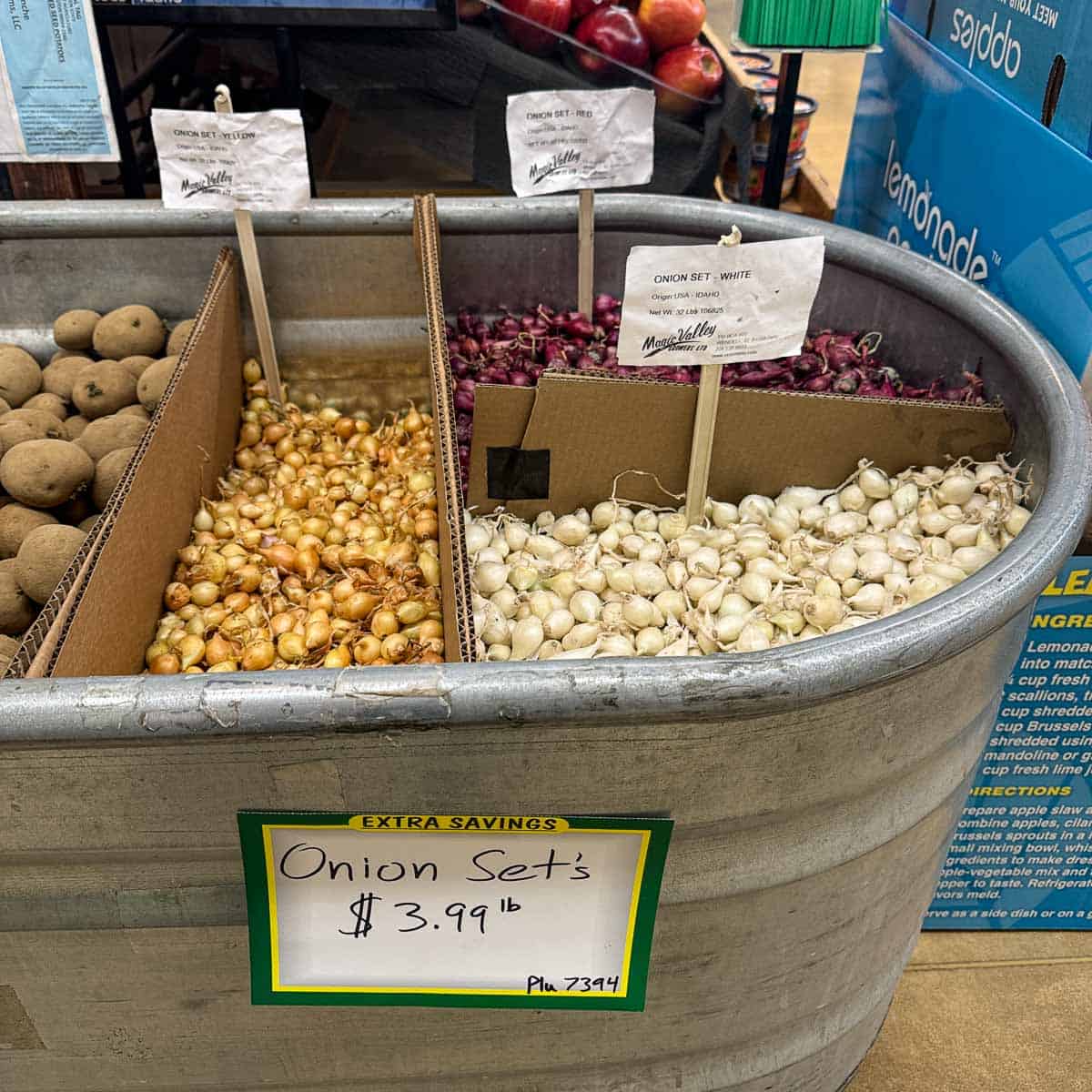
At the garden center, local grocery store, or feed store, look for firm, dry bulbs about the size of a marble. Avoid any that feel soft, are already sprouting aggressively, or show signs of mold. Bigger isn't always better: sets larger than 1 inch are more prone to bolting, sending up a flower stalk instead of forming a nice round bulb.
Soil and Site Matter
Onions grow best in loose, well-draining soil with a pH between 6.0 and 6.8. Working in a generous amount of compost before planting improves drainage in clay soil and helps sandy soils hold moisture.
A raised bed is a great option in areas with heavy clay or a short growing window, as the soil warms faster in spring. Full sun is non-negotiable: at least 6 hours per day, and more is better. In Montana's mountain valleys, where afternoon shade from ridgelines can cut the day short, prioritize a south-facing bed.
How to Grow Onion Sets (Step-by-Step)
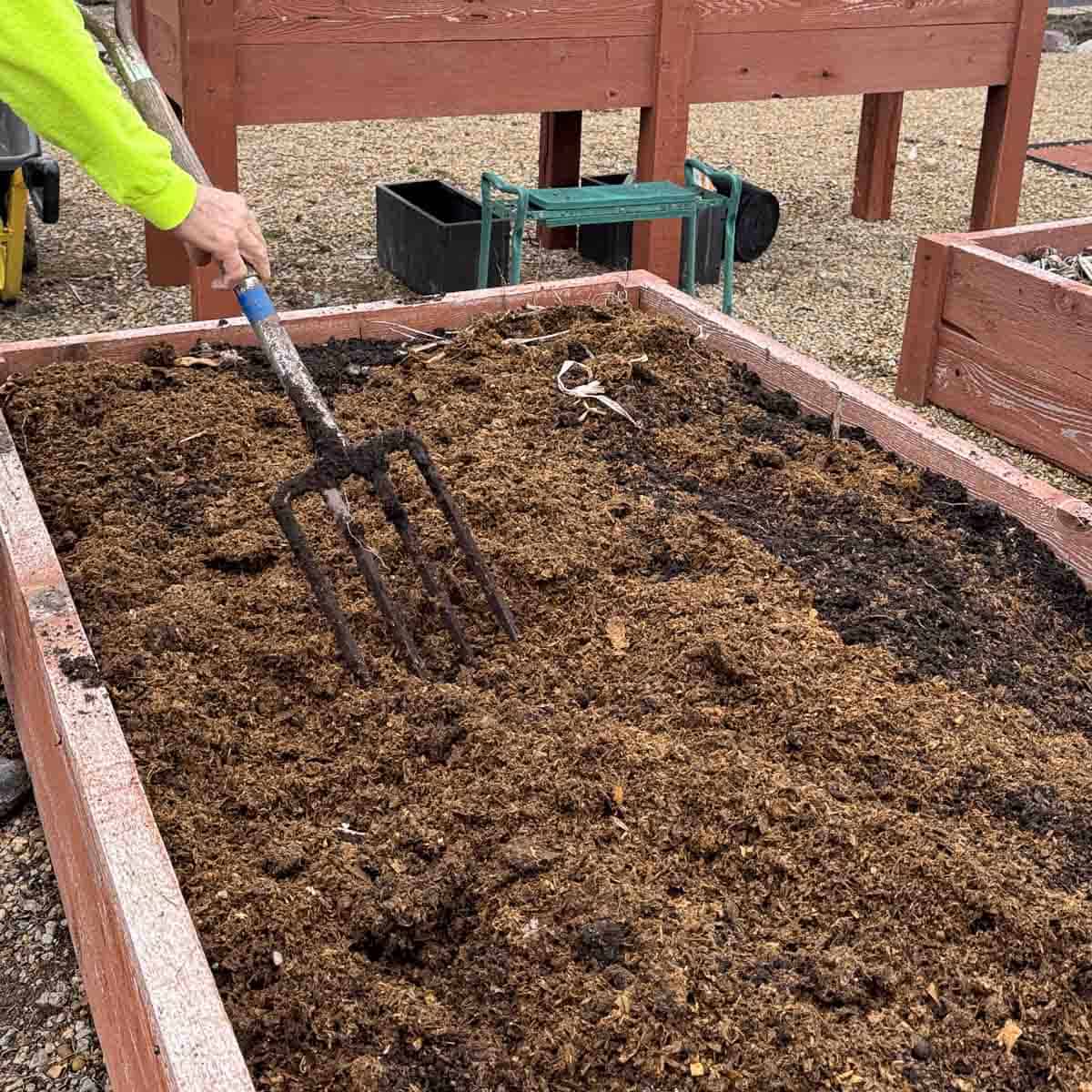
- Prepare the Bed: Loosen soil 6 inches deep. Work in compost and a balanced granular fertilizer.
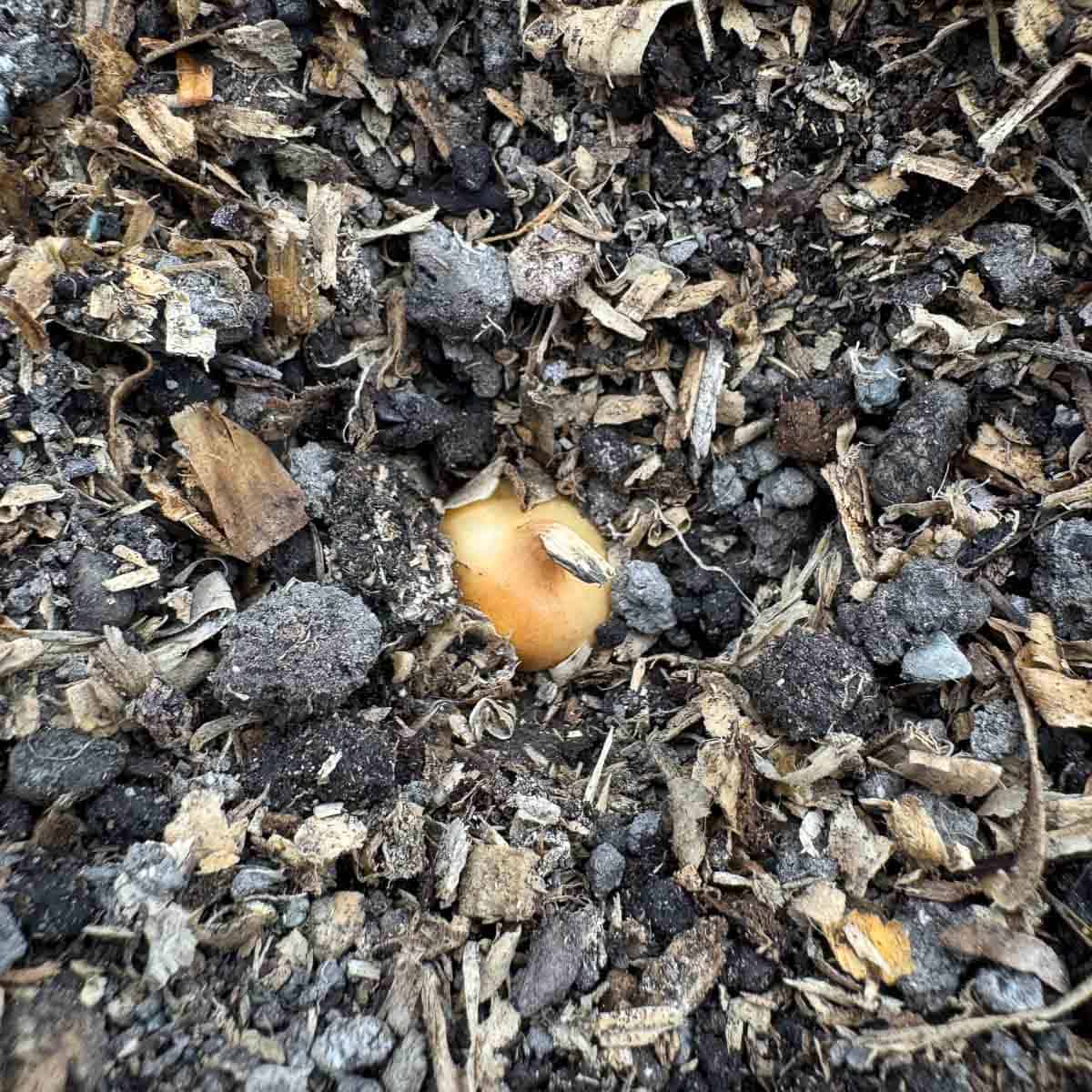
- Space the Sets: Plant sets 4-6 inches apart in rows 12 inches apart. Plant onion sets with the pointed end facing up, blunt side down.
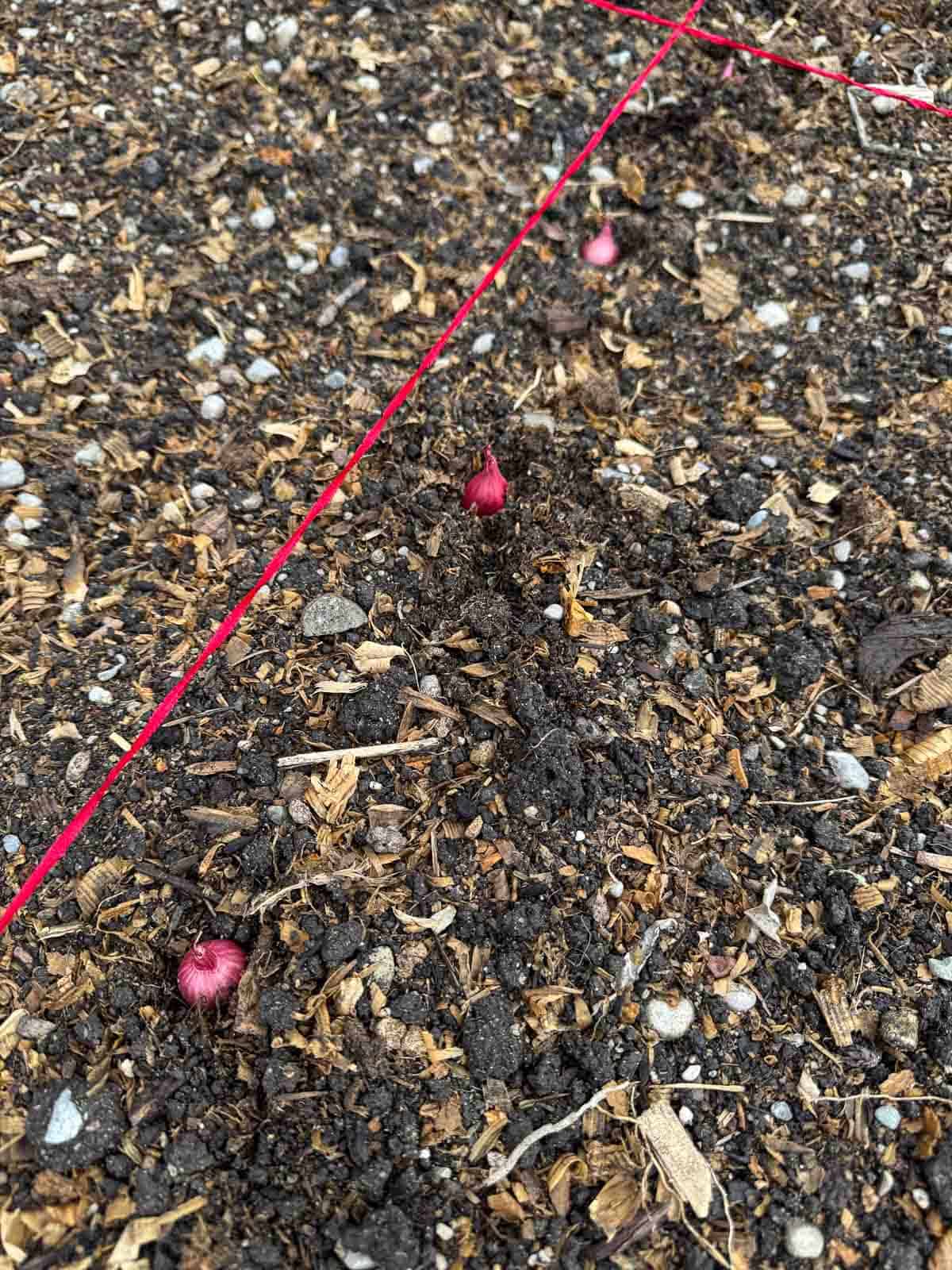
- Planting Depth: Push each set 1 inch into the soil, then cover with loose soil.
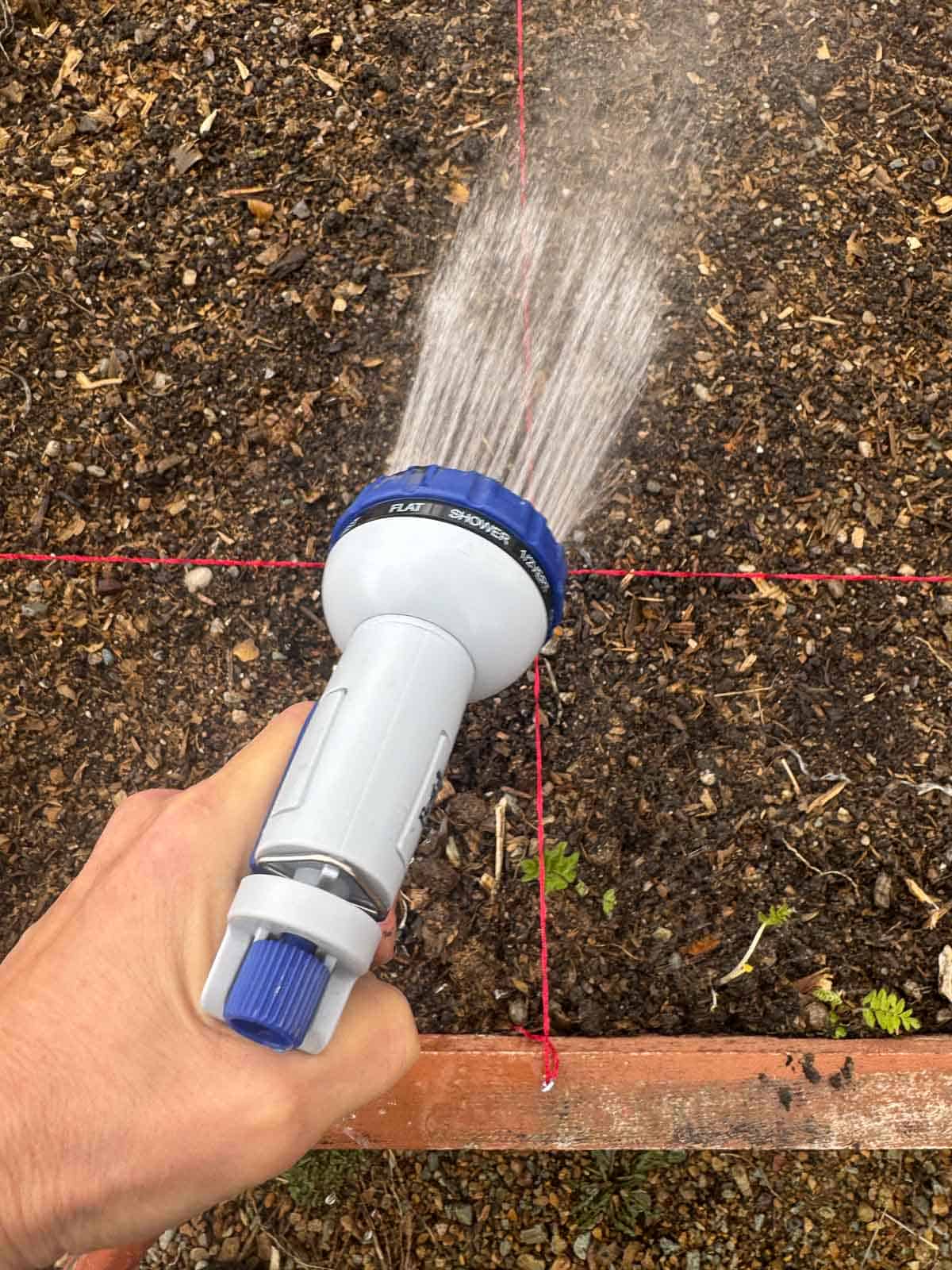
- Water Gently: Water after planting. Keep soil moist but never waterlogged.
Companion Planting (Good Neighbors for Onions)
Onions are one of the garden's best team players. Their strong sulfur scent confuses and deters many common pests, which makes them valuable neighbors for a wide range of vegetables. At the same time, a few plants actively help onions thrive. Pairing thoughtfully can mean fewer pest problems and better use of your garden space.
| Good Companions (Plant With) | Keep Away From |
|---|---|
| Carrots – Onion scent deters carrot fly; carrot scent confuses onion fly. A classic pairing. | Beans & peas – Onions stunt legume growth and inhibit nitrogen fixation. |
| Tomatoes – Onions help repel aphids and thrips that attack tomato plants. | Garlic & leeks – Same family, so they share pests and compete for nutrients. |
| Lettuce & greens – Onions help deter slugs, while lettuce makes efficient use of space. | Asparagus – Onions can inhibit asparagus root development. |
| Brassicas – Cabbage, broccoli, and kale benefit from onion’s pest-deterring aroma. | Sage – These two can stunt each other’s growth when planted nearby. |
| Chamomile – May improve onion flavor and attract beneficial insects. | Turnips – Both are heavy feeders that compete for nutrients. |
| Roses – Onions help deter aphids and reduce black spot issues. |
Caring for Your Onion Crop
Montana summers can swing from a late cold nap to a June heat wave in the same week. Keep the bed well-weeded. Onions have shallow roots and compete poorly with weeds. Use a light straw mulch to moderate soil temperature and hold moisture through dry spells.
Feed with a nitrogen-rich fertilizer every few weeks through early July, then stop feeding as the bulbs begin to swell. Or try this balanced 10-10-10 slow-release fertilizer. When the green tops flop over naturally in late summer, it's time to stop watering them and let them cure in place for a few days before lifting.
Watch for Bolting
A sudden cold snap following warm weather, common in Montana springs, can trick the onions into sending up a flower stalk. If you see one, snap it off at the base right away. The bulb will still be usable, just plan to eat those onions first, as they won't store long.
If your onions bolt, they'll produce flower heads similar to chive blossoms, which are also edible and useful in the kitchen.
Curing and Storing Onions
After harvest, lay your onions in a single layer in a warm, well-ventilated spot, such as a barn, a covered porch, or even a spare room, for 2 to 3 weeks. The skin will tighten and dry into that familiar papery shell. Once fully cured, store them in a cool, dry place with good airflow. Properly cured onions can last well into winter, which in Montana is no small thing.
A few rows of sets planted on a crisp April morning can keep you up to your eyes in onions from August through the holidays. That's a pretty good return on a small investment of time and soil!
FAQ
It depends on your goal. Onion sets are easier to grow and mature faster, making them ideal for beginners or short growing seasons. However, onions grown from seed tend to store longer and offer more variety.
Onion sets typically mature in about 90 to 100 days after planting, depending on the variety and growing conditions.
Onion sets should be planted in early spring as soon as the soil can be worked. In milder climates, they can also be planted in the fall for an earlier harvest.
Onions bolt when they experience stress, especially temperature swings. Onion sets are more prone to bolting than seed-grown onions because they are already in their second year of growth.
Small onions are usually caused by overcrowding, poor soil, nutrient deficiencies, or insufficient sunlight.
Pro Tips
- Not all onions are created equal. Long-day onions do best in northern states, while short-day onions thrive in the south. If you pick the wrong type, you'll get lots of green tops… and sad, tiny bulbs.
- Onions hate compacted soil. If the ground is hard, they'll stay small no matter how much you baby them. Mixing in compost or aged manure makes a huge difference.
- Onions don't compete well with weeds. Even a little crowding can stunt their growth, so keep that bed clean.
- A light layer of straw or shredded leaves helps retain moisture, keeps weeds down, and prevents soil from crusting over.
- Don't plant onions in the same spot year after year. This helps prevent disease buildup and gives you healthier plants overall.
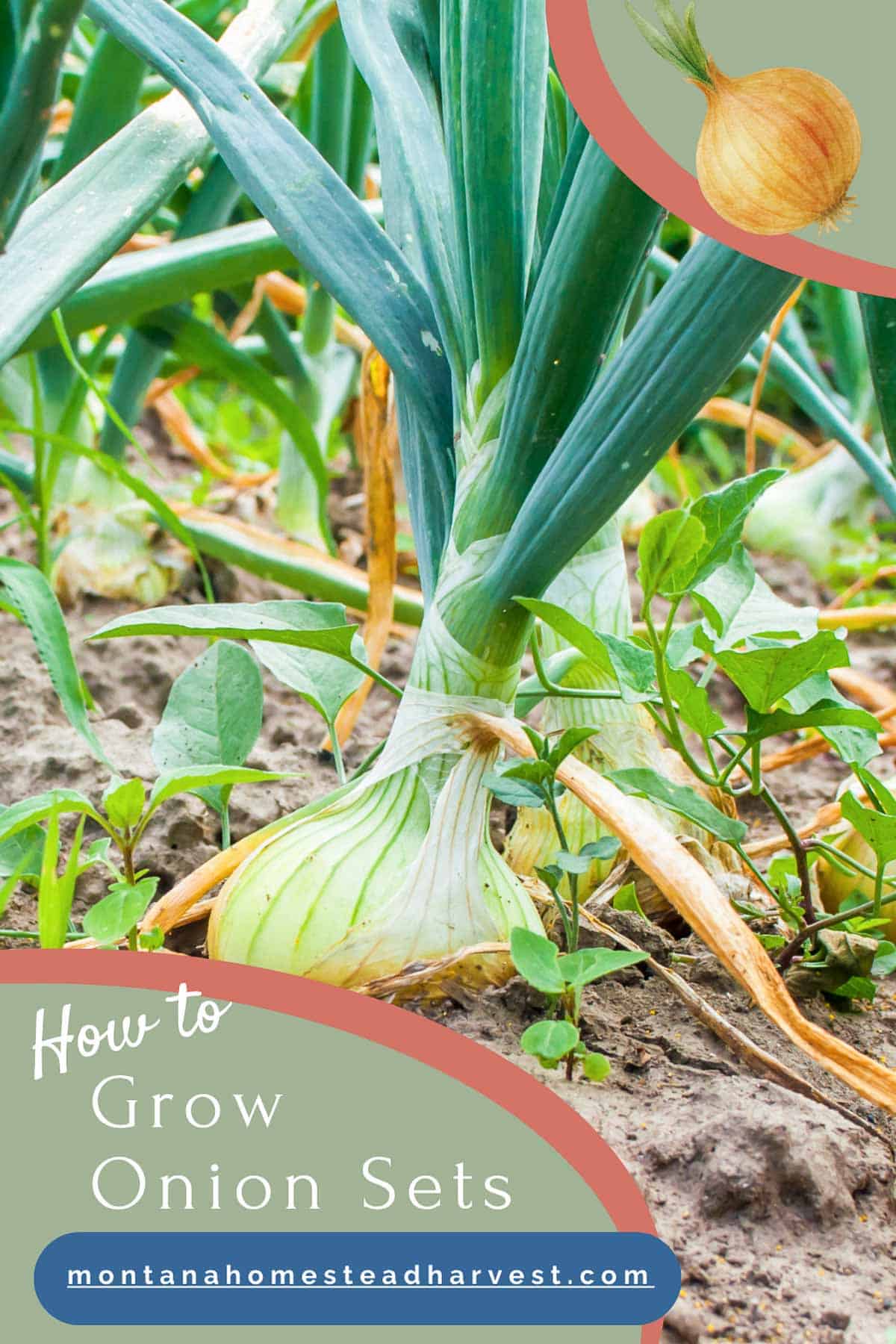
Once you've harvested your onions, it's time to put them to good use. There's nothing better than cooking with onions you grew yourself; the flavor is on a whole different level.
Try them in my tangy pink pickled onions, or crispy frizzled onions over on Hilda's Kitchen Blog. Both are easy and packed with flavor! Or browse this roundup if you're looking for even more inspiration.
More Gardening Posts
Looking for other posts like this? Try these:

Onion Sets: How to Plant, Grow, and Harvest for Big Bulbs
Equipment
Ingredients
- onion sets
- compost
- balanced granular fertilizer
- mulch (optional, but great for moisture retention)
Instructions
- Prepare the Bed: Loosen soil 6 inches deep. Work in compost and a balanced granular fertilizer.
- Space the Sets: Plant sets 4-6 inches apart in rows 12 inches apart. Plant onion sets with the pointed end facing up, blunt side down.
- Planting Depth: Push each set 1 inch into the soil, then cover with loose soil.
- Water Gently: Water after planting. Keep soil moist but never waterlogged.
Notes
- Don't skip the post; it's filled with great tips for a successful harvest!
- Not all onions are created equal. Long-day onions do best in northern states, while short-day onions thrive in the south. If you pick the wrong type, you'll get lots of green tops… and sad, tiny bulbs.
- Onions hate compacted soil. If the ground is hard, they'll stay small no matter how much you baby them. Mixing in compost or aged manure makes a huge difference.
- Onions don't compete well with weeds. Even a little crowding can stunt their growth, so keep that bed clean.
- A light layer of straw or shredded leaves helps retain moisture, keeps weeds down, and prevents soil from crusting over.
- Don't plant onions in the same spot year after year. This helps prevent disease buildup and gives you healthier plants overall.
Hilda Sterner says
If you've found this post helpful, please consider leaving a review!
Kelly Methey says
I love all this great info, especially the pairing of plants. I had no idea about most of them! Thank you for teaching me something else new! I have learned so much from you!
Now I’m just waiting to plant onions and see some dandelions in my yard for salve!
Hilda Sterner says
Thanks, Kelly, I appreciate the feedback and I'm glad you learned something. 🙂