
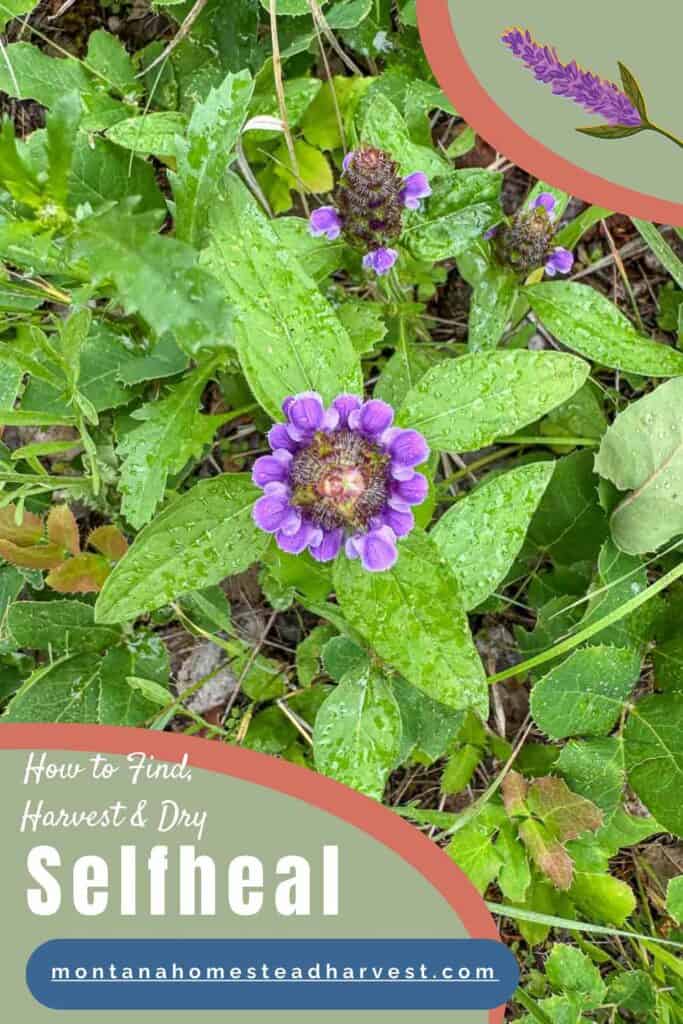
The selfheal plant (Prunella vulgaris), also known as common selfheal and heal-all, is a low-growing perennial with attractive purple flower spikes that bloom throughout the summer. Often overlooked as a common lawn weed, this edible herb has been used for centuries in herbal practices and can be brewed into selfheal tea. It can also be used to make salves, tinctures, and even an oxymel!
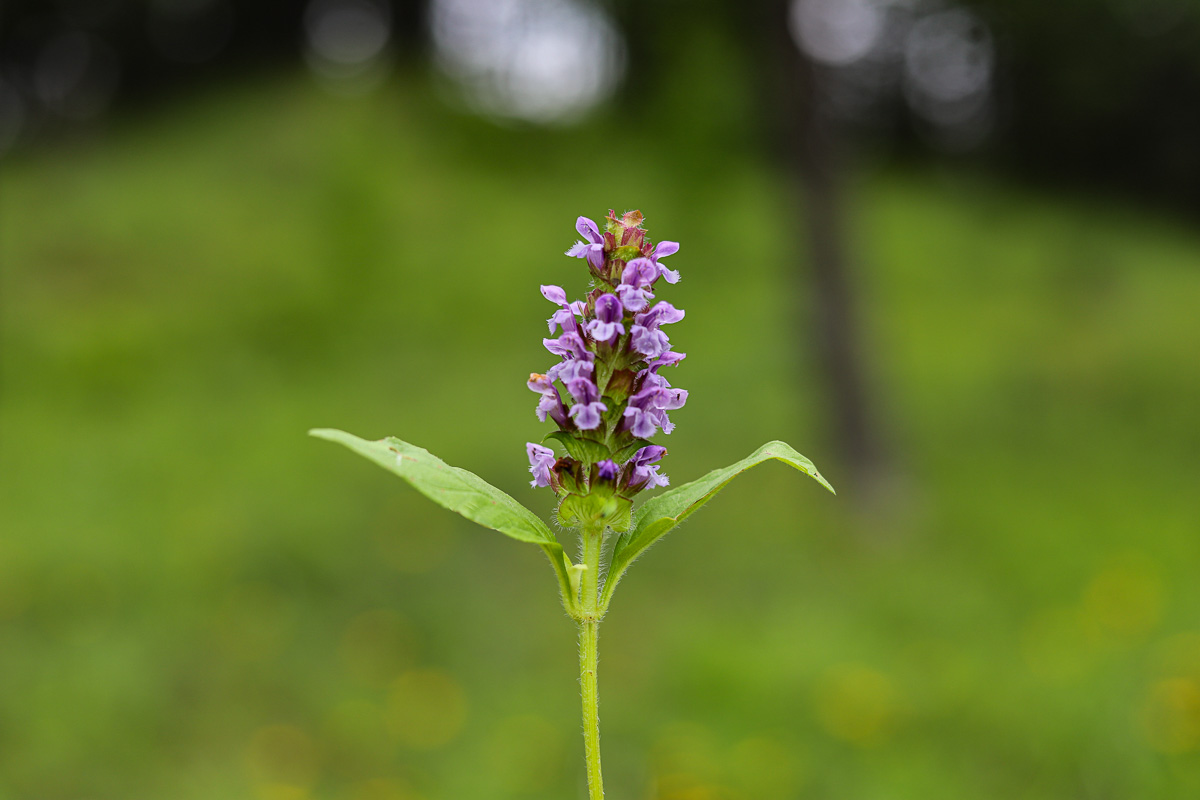
In June, the selfheal plant grows all over our Montana homestead, and its striking purple blooms practically beg to be foraged! I harvest it every year to make selfheal tea, tincture, oxymel, and a nourishing selfheal salve.
In this guide, I'll show you how to identify selfheal, where it grows, when to harvest it, and how to dry and use it. I'll also share how I forage selfheal here in northwest Montana, along with plenty of photos to help you identify it with confidence.
Jump to:
- What is the Selfheal Plant?
- How to Identify the Selfheal Plant
- Where Does Prunella vulgaris Grow?
- Is Common Selfheal Edible?
- Selfheal Benefits and Research
- How and When to Harvest Heal-All
- How to Dry Selfheal (Various Ways Compared)
- How to Make Selfheal Tea
- Other Ways to Enjoy Prunella vulgaris
- More Foraging Posts
- Comments
What is the Selfheal Plant?
The selfheal plant (Prunella vulgaris) is a member of the mint family (Lamiaceae) and grows as a low-spreading perennial in lawns, meadows, woodland edges, and other grassy areas. Native to Europe, Asia, and North America, it is now found throughout much of the world.
It is recognizable by its square stems, opposite leaves, and dense spikes of purple flowers. Despite being considered a weed by some, many foragers value it as an edible herb with a long history of use in traditional herbal medicine.
Selfheal is also known by several other names, including common selfheal, heal-all, woundwort, hookheal, and carpenter's herb (because it was used as a poultice to treat cuts and bruises). Today, the leaves and flowering tops are used to make herbal tea, tinctures, infused oils, salves, and oxymels.
Some herbalists also prepare selfheal using the spagyric method, which goes beyond a traditional tincture by recovering mineral salts from the remaining plant material and recombining them with the extract.
How to Identify the Selfheal Plant
The selfheal plant is a pretty unique-looking plant and relatively easy to identify. Here are some key characteristics.
Flowers
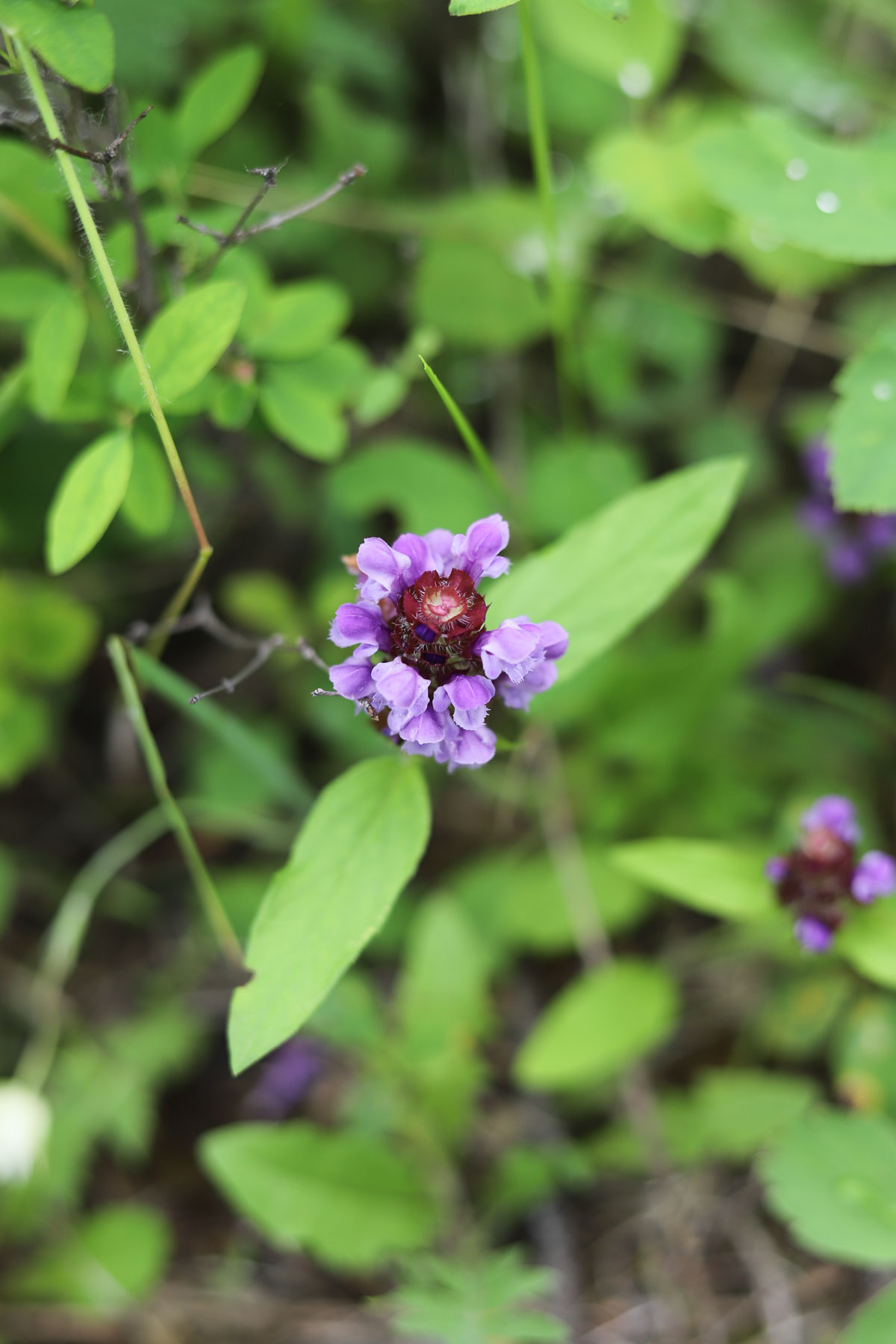
One of the easiest ways to identify selfheal is by its distinctive purple flower spikes rising just above the surrounding grass. It produces dense, cylindrical flower spikes that grow at the tips of the stems.
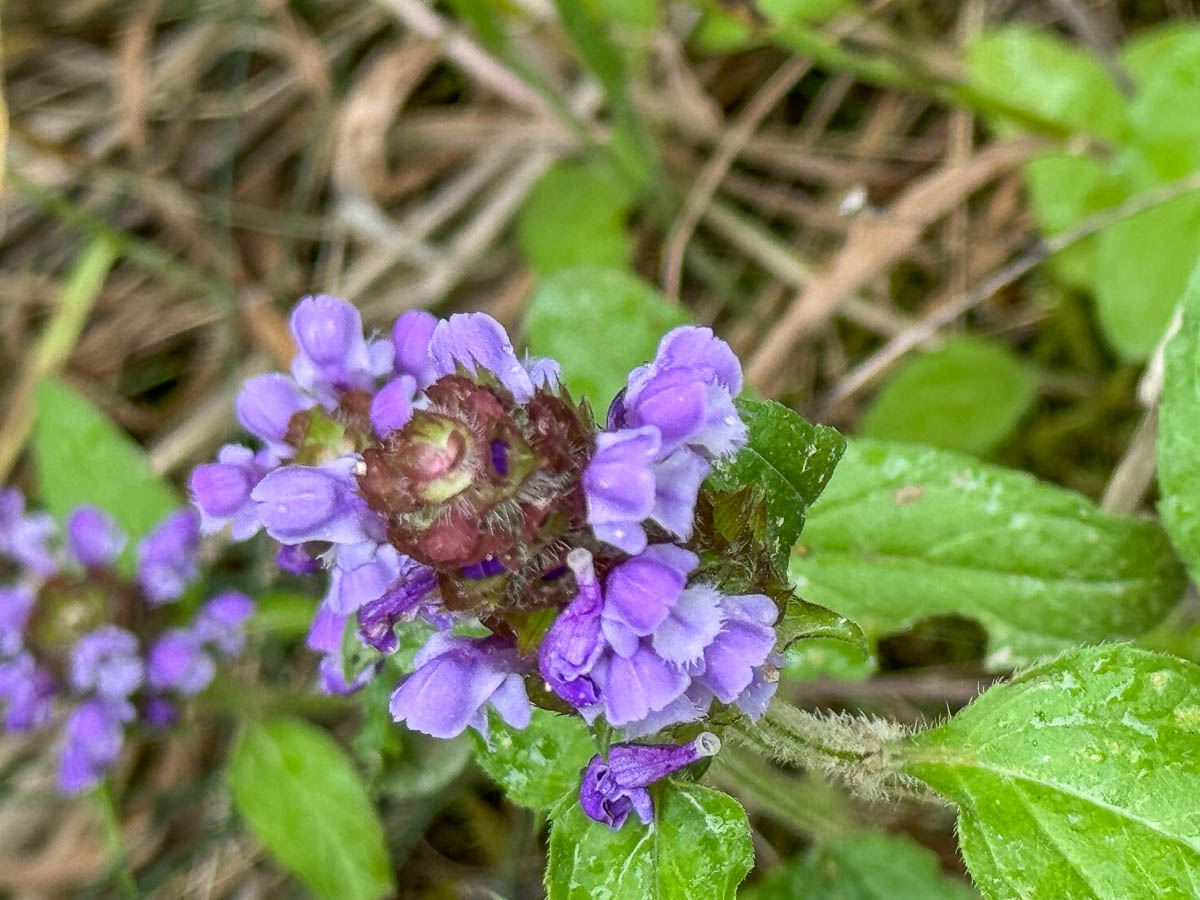
Each flower spike is made up of many small, tubular flowers that range in color from lavender to deep purple. Individual flowers have an upper and lower lip, a characteristic feature of plants in the mint family. The flowers emerge from overlapping green-to-purplish bracts, giving the flower head a compact, cone-like appearance.
Leaves
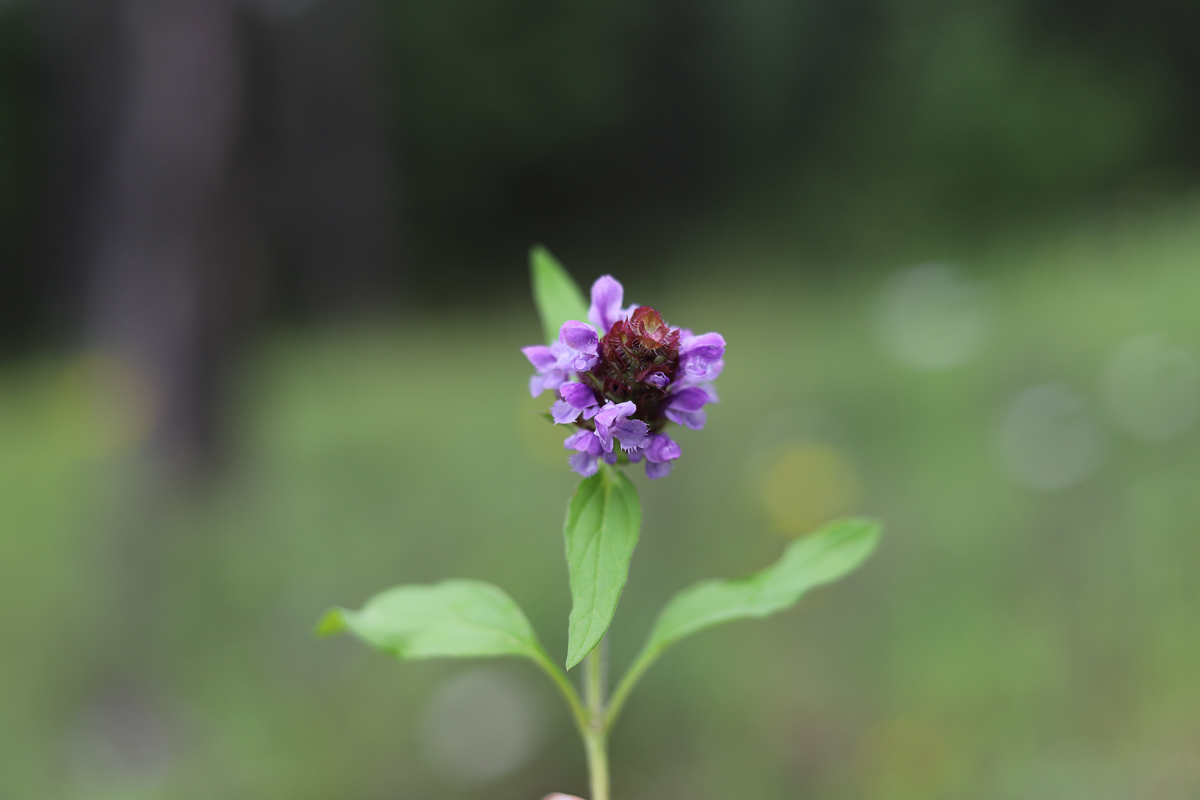
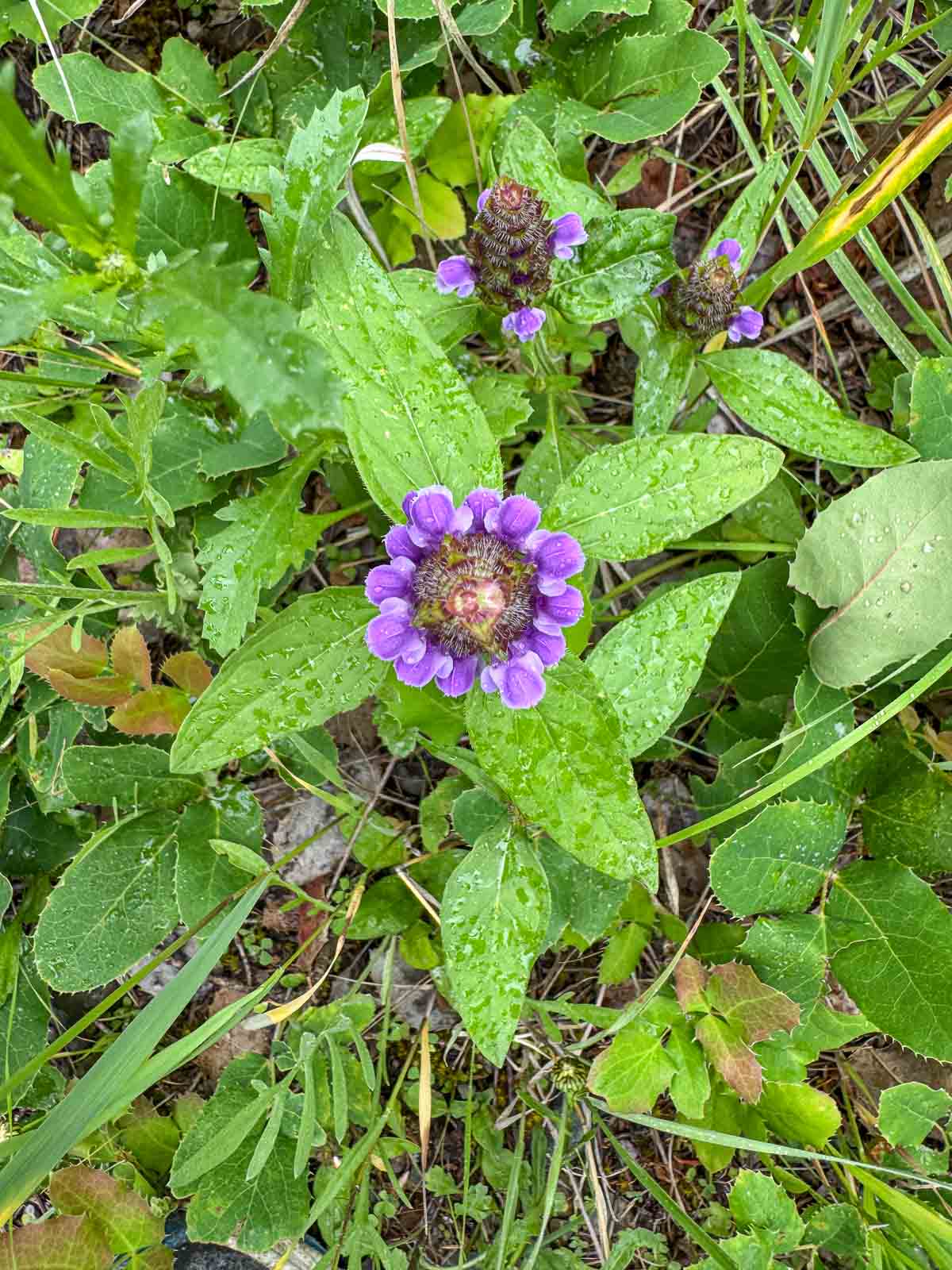
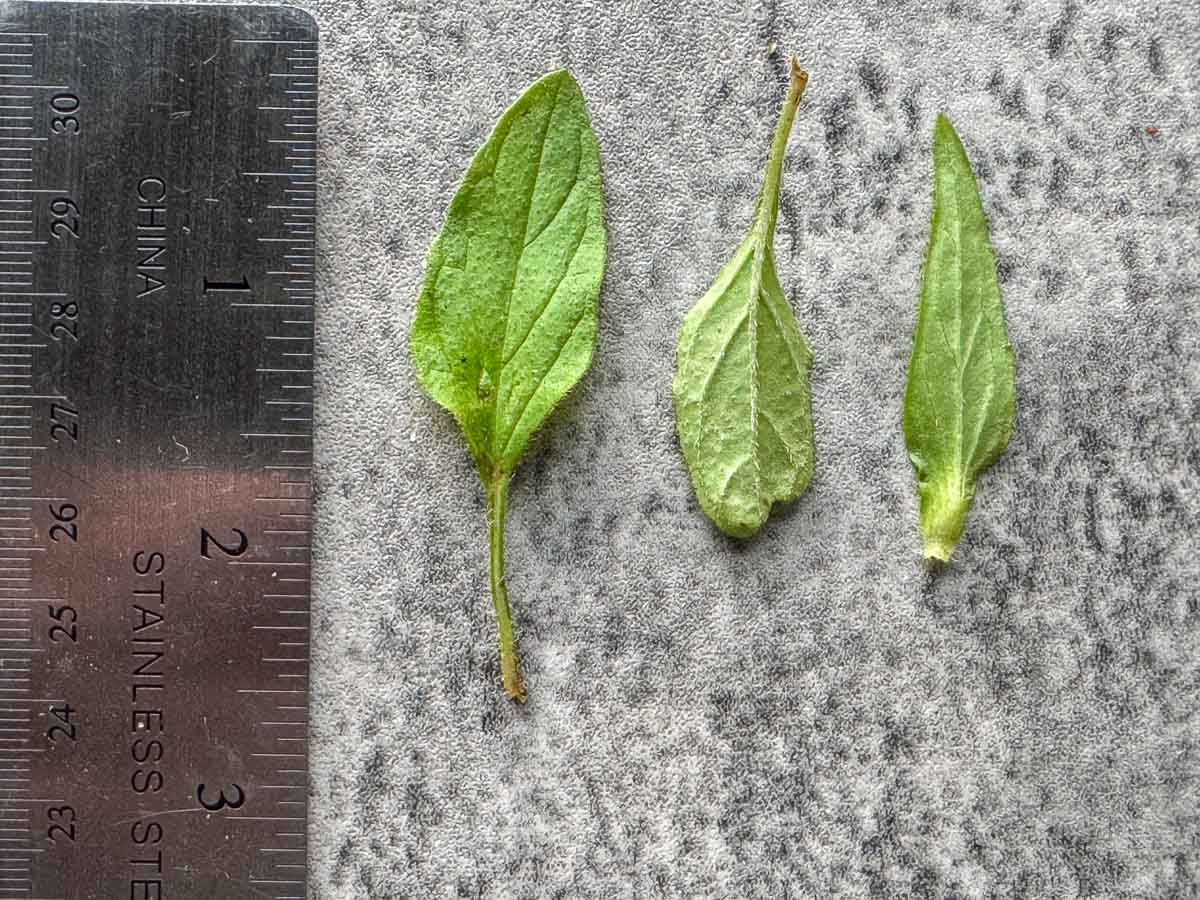
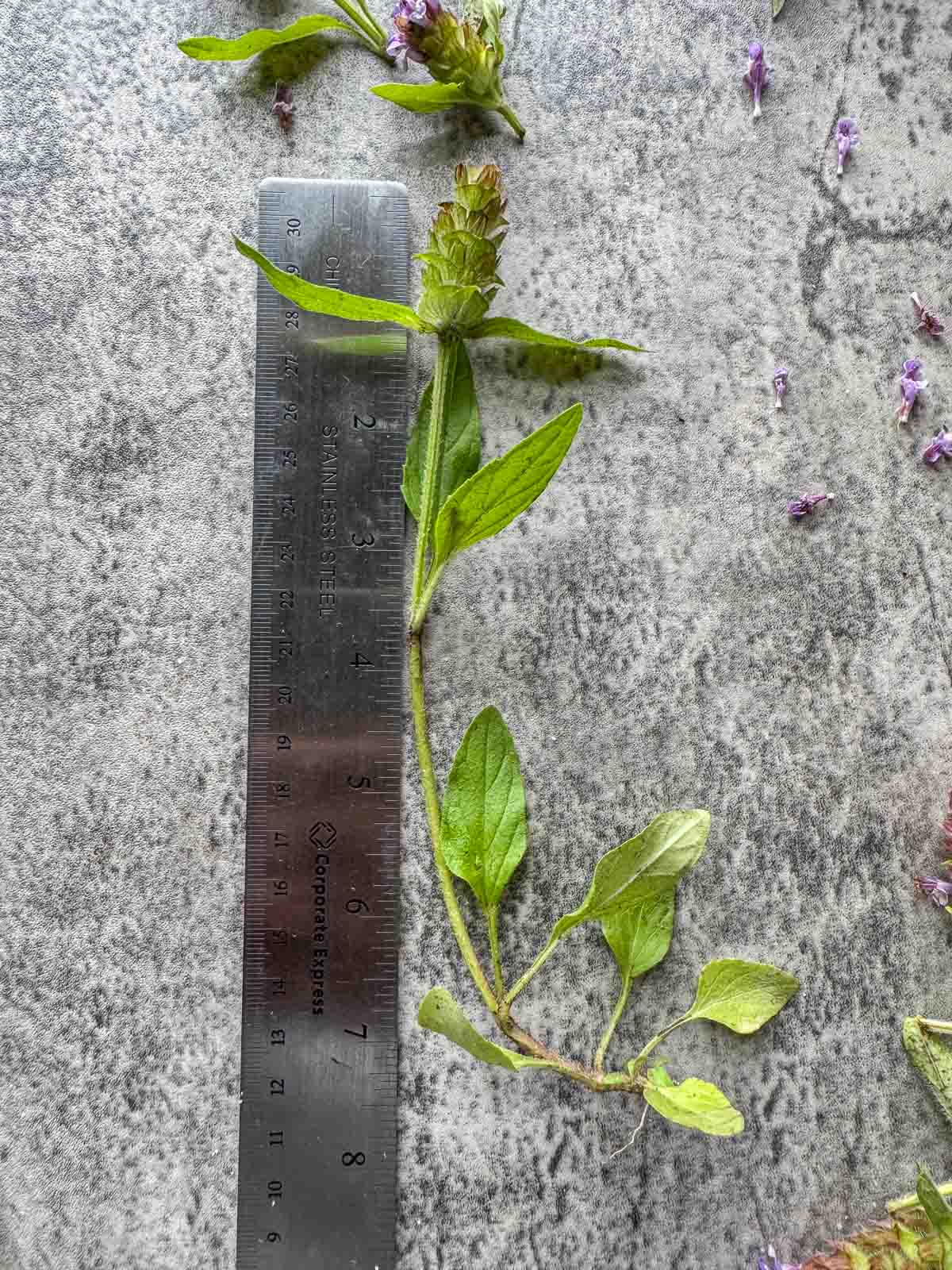
Selfheal leaves grow in opposite pairs along the stem, with each pair positioned directly across from the other. The leaves are oval to lance-shaped, with slightly toothed, hairy edges and pointed tips. They are typically light to dark green.
The leaves are usually 1 to 3 inches long and have short leaf stalks. Lower leaves tend to be larger, while those near the flower heads become progressively smaller.
Stems
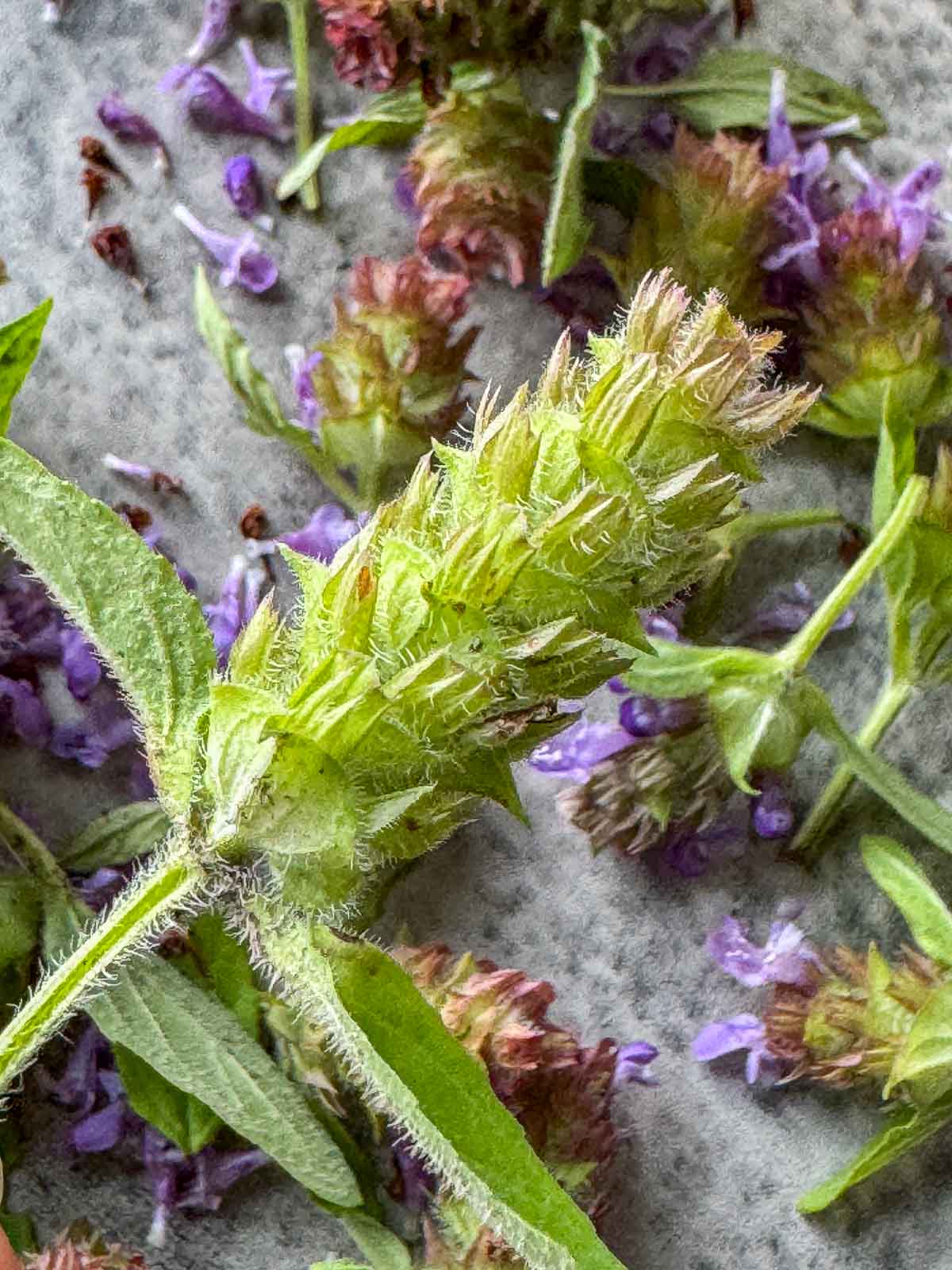
Like many members of the mint family, selfheal has square stems that can be felt by gently rolling them between your fingers. The stems are green in color and slightly hairy.
Height
The selfheal plant typically grows low to the ground, with stems that creep along the ground before turning upwards. They tend to grow approximately four to eight inches in height.
Bloom Time
Heal-all typically blooms from late spring through early fall, with peak flowering occurring in summer. On our Montana homestead, selfheal begins blooming in June and can be found flowering throughout the summer in moist grassy areas.
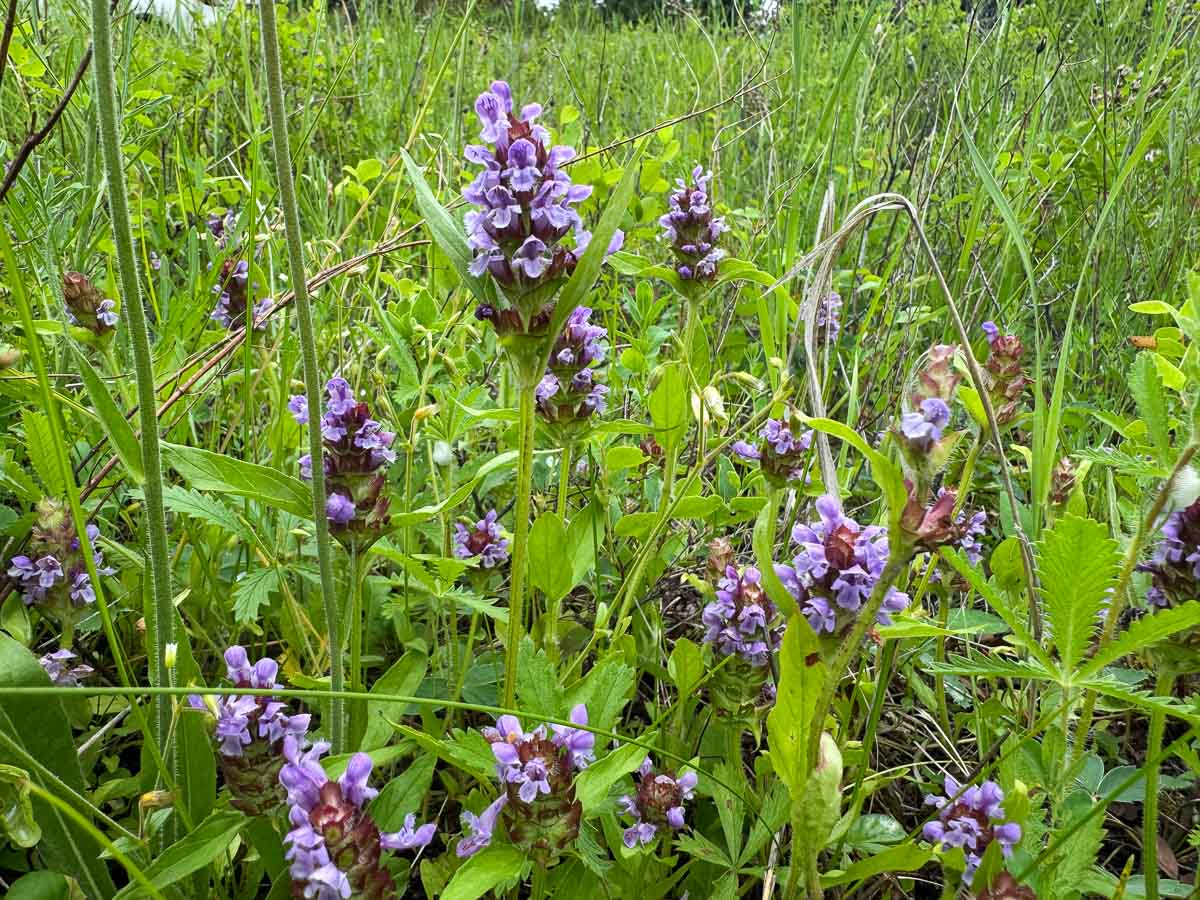
Pro Tip: If you're unsure whether you've found selfheal, gently roll the stem between your thumb and forefinger. The distinctly square stem is a good clue that you're looking at a member of the mint family.
Where Does Prunella vulgaris Grow?
Prunella vulgaris spreads by creeping stems and underground rhizomes to form dense patches in lawns, meadows, woodland edges, roadsides, and other grassy areas.
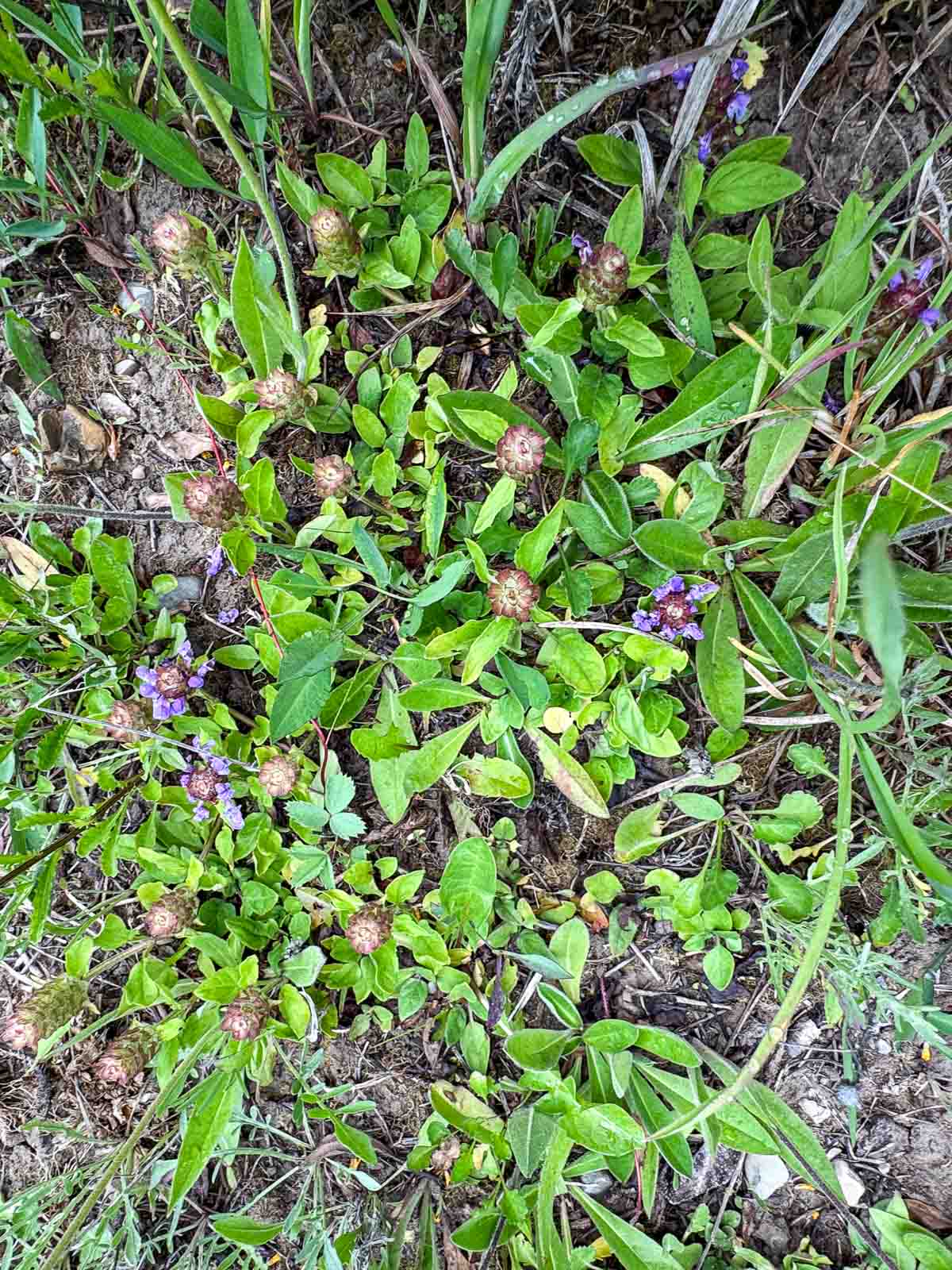
On our Montana property, selfheal often grows in our meadow, other grassy areas, and along our road, adding a splash of purple to our landscape.
Is Common Selfheal Edible?
Yes, selfheal is considered an edible plant. The leaves, flowers, and buds can be consumed, either fresh or dried. Young leaves have a mild flavor and can be added to salads, soups, and other dishes, while the flowers can make an attractive garnish.
However, selfheal is most commonly used to prepare herbal tea. Both the leaves and flowering tops can be harvested and dried for later use. Selfheal can be infused in vinegar, honey, or alcohol to make oxymels and tinctures.
As with any wild edible, be sure to positively identify selfheal before consuming it and avoid harvesting it from areas that may have been treated with herbicides, pesticides, or other chemicals.
Selfheal Benefits and Research
Selfheal has a long history of use in herbal practices, and modern researchers continue to study its potential properties. Studies have identified numerous compounds in selfheal, including flavonoids, triterpenes, phenolic acids, and polysaccharides.
Researchers believe these compounds may contribute to the plant's antioxidant, anti-inflammatory, antimicrobial, and immune-boosting properties.
A 2022 review of Prunella vulgaris summarized decades of research and reported that laboratory and animal studies have demonstrated antioxidant, anti-inflammatory, antibacterial, antiviral, and immune-modulating activities. However, the authors noted that more human studies are needed to confirm these effects.
Another study measured the antioxidant and anti-inflammatory effects of selfheal tea with those of black and green tea. The results showed that selfheal tea demonstrated greater antioxidant and anti-inflammatory effects than either black tea or green tea. While these findings are promising, more human studies are needed to better understand how selfheal tea may affect health.
How and When to Harvest Heal-All
The best time to harvest selfheal is when the plant is in bloom, typically from late spring through summer. The flowers, leaves, and tender stems can all be harvested, but most herbalists prefer to gather the flowering tops when the blooms are fresh and vibrant.
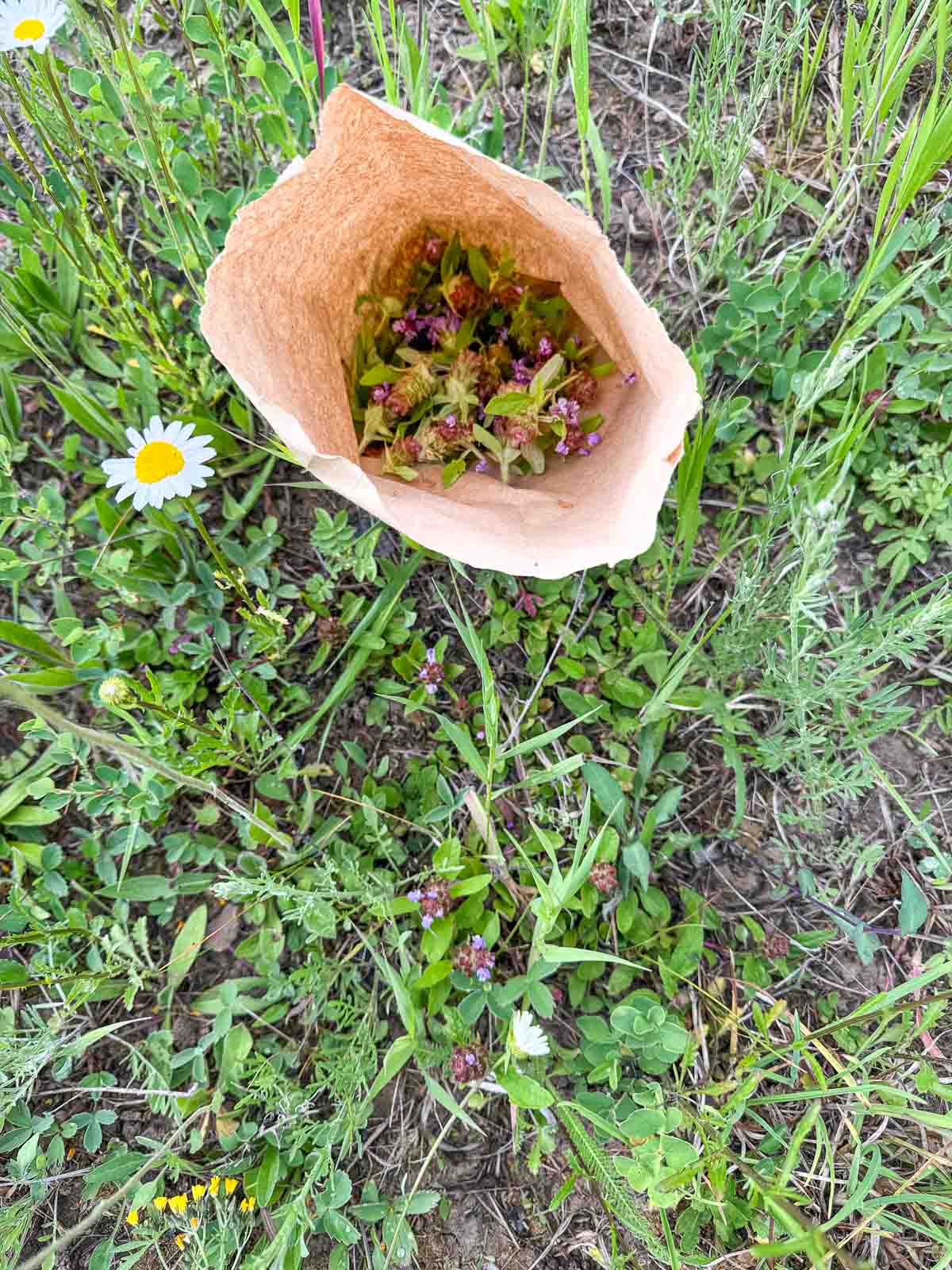
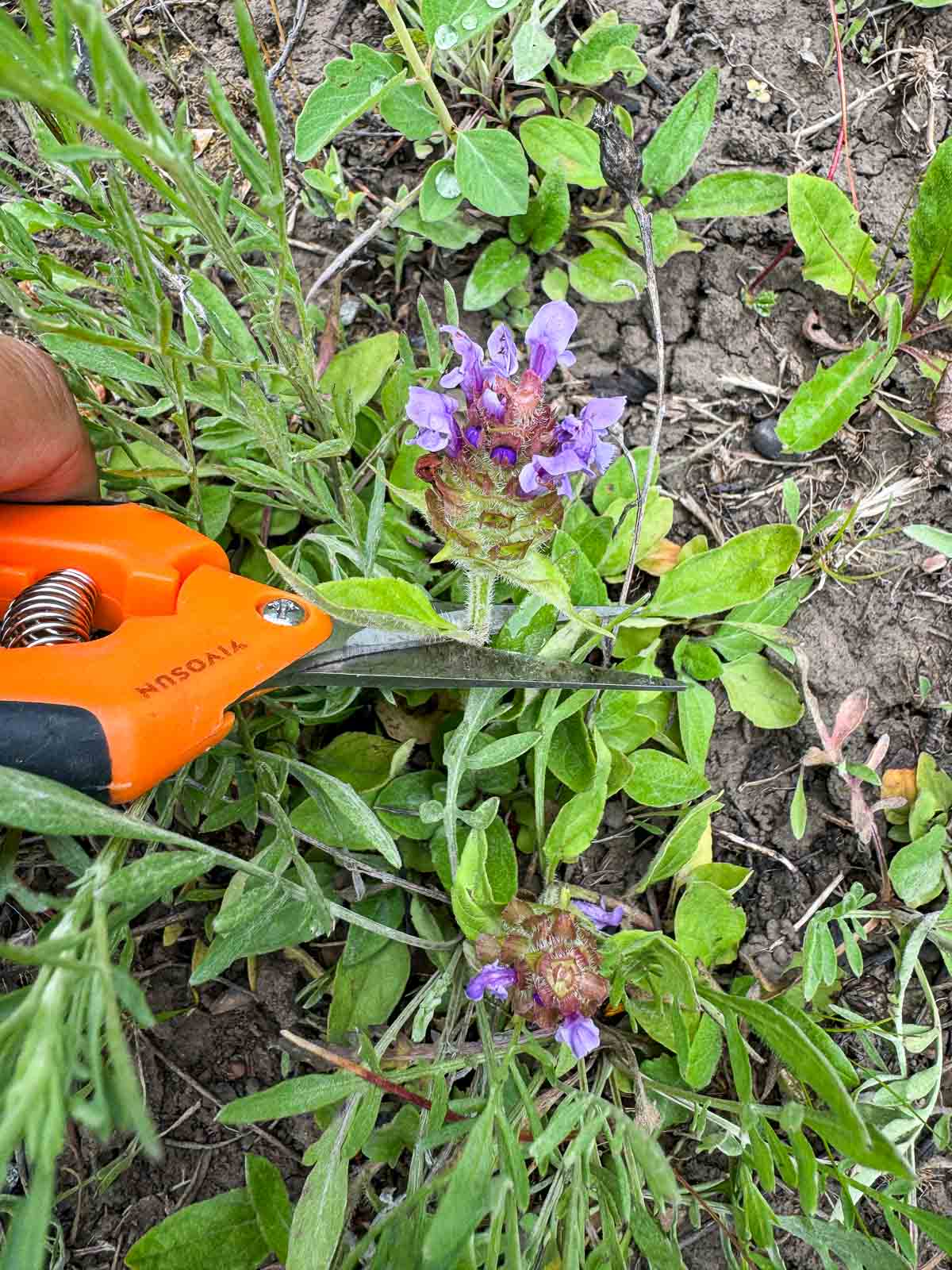
Harvesting heal-all couldn't be simpler. Using your finger or a pair of gardening scissors, pinch or snip just below the pair of leaves beneath the flowerhead. This allows you to harvest the flowering tops while leaving enough of the plant behind to continue growing and producing more blooms.
How to Dry Selfheal (Various Ways Compared)
Before drying selfheal, give it a good rinse in a colander or strainer to remove any dirt, insects, and debris. Spread the plant material in a single layer on a kitchen towel or drying screen and allow it to air dry for several days. Although this method takes the longest, it does an excellent job of preserving the plant's vibrant green leaves and purple flowers.
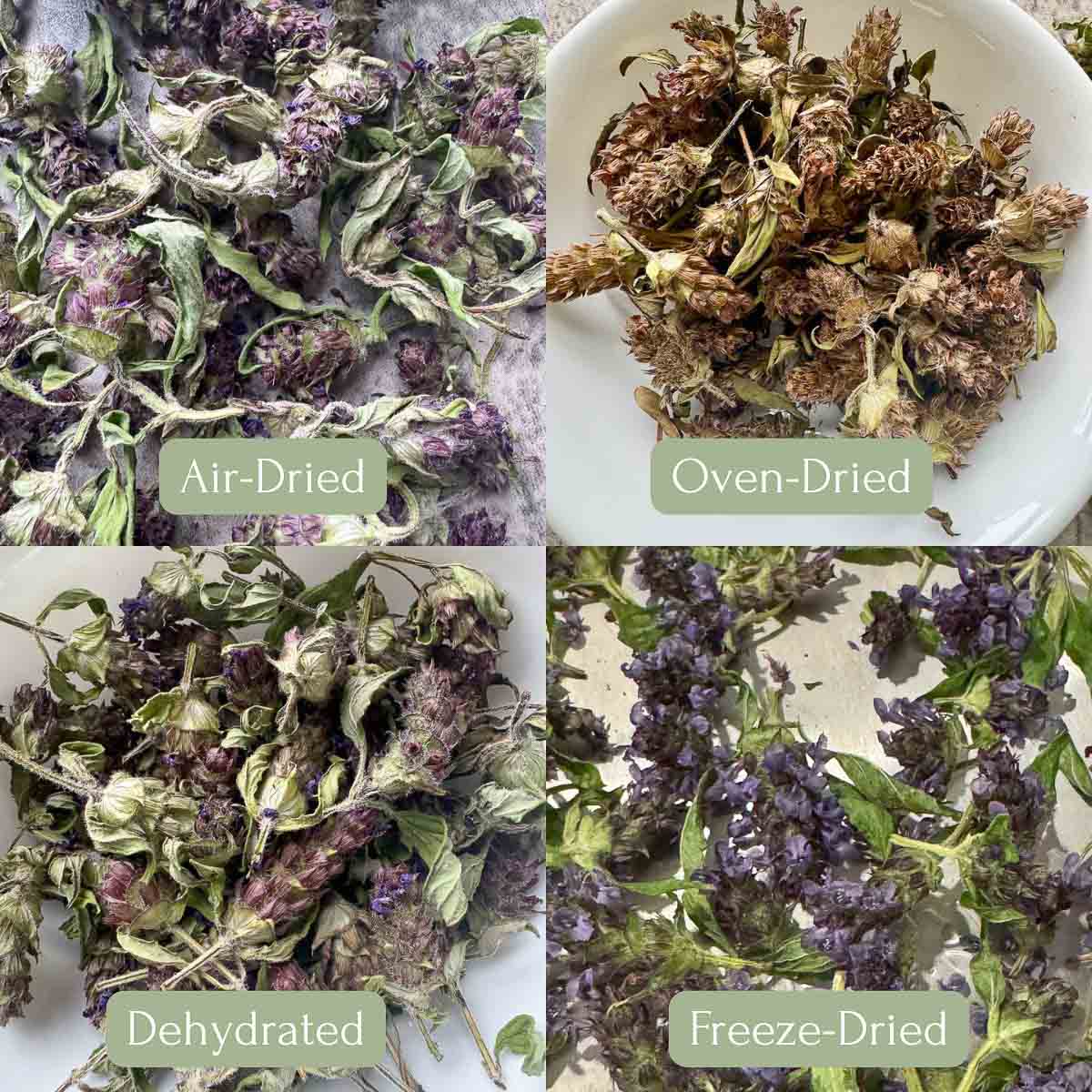
You can also dry it in the oven on the lowest heat setting (on my oven, it is 175°F) for approximately an hour, or until completely dry. This method is quick and convenient, but I found that it caused the most color loss, leaving the leaves and flowers a dull brown.
If you have a dehydrator (and every forager should!), arrange the flowers and leaves in a single layer on the trays and dry them using the herb setting (95°F) until the leaves and flowers are crisp and crumble easily, about six hours. There was some color degradation, but not nearly as much as oven drying.
If you own a freeze dryer, freeze drying is a great option. I am lucky enough to own an extra-large Harvest Right freeze dryer. It worked better than any of the other methods compared. The plant retained its vibrant color and fresh appearance.
Some herbalists prefer air-drying herbs because they believe certain delicate constituents may be better preserved through traditional drying methods. However, freeze drying is generally considered one of the gentlest preservation methods and is known for retaining color, flavor, and many beneficial plant compounds. More research is needed to determine how specific medicinal constituents are affected in different herbs.
When properly stored, it can last for many years, especially when stored in mylar bags with oxygen absorbers.
Once dry, store in an airtight jar away from direct sunlight. I always use a jar vacuum sealer to remove any air from the jar, which helps keep dried herbs fresher for longer. Properly dried selfheal can retain its quality for up to a year, unless it's freeze-dried, in which case it will keep for a lot longer.
How to Make Selfheal Tea
Selfheal tea has a mild, floral flavor with subtle earthy notes. I personally detect a tamarind-like finish. While it can be made with fresh or dried selfheal, I find that drying the leaves and flowers results in a more flavorful tea. It can be enjoyed on its own or blended with other herbs such as chamomile, pineapple weed, mint, echinacea, or lemon balm.
After comparing freeze-dried and dehydrated selfheal side by side, I found that the dehydrated selfheal retained more aroma and flavor. The freeze-dried selfheal had very little scent and a milder taste. While this doesn't necessarily indicate a loss of beneficial compounds, it may make dehydrated selfheal a better option for teas and other preparations where flavor and aroma are important.
Heal-All Tea Recipe
- 1 to 2 teaspoons dried (or 1 tablespoon fresh)
- 1 cup of boiling water
- Steep for 10 minutes
- Strain, sweeten with honey (optional), and enjoy!
Other Ways to Enjoy Prunella vulgaris
Prunella vulgaris Tincture
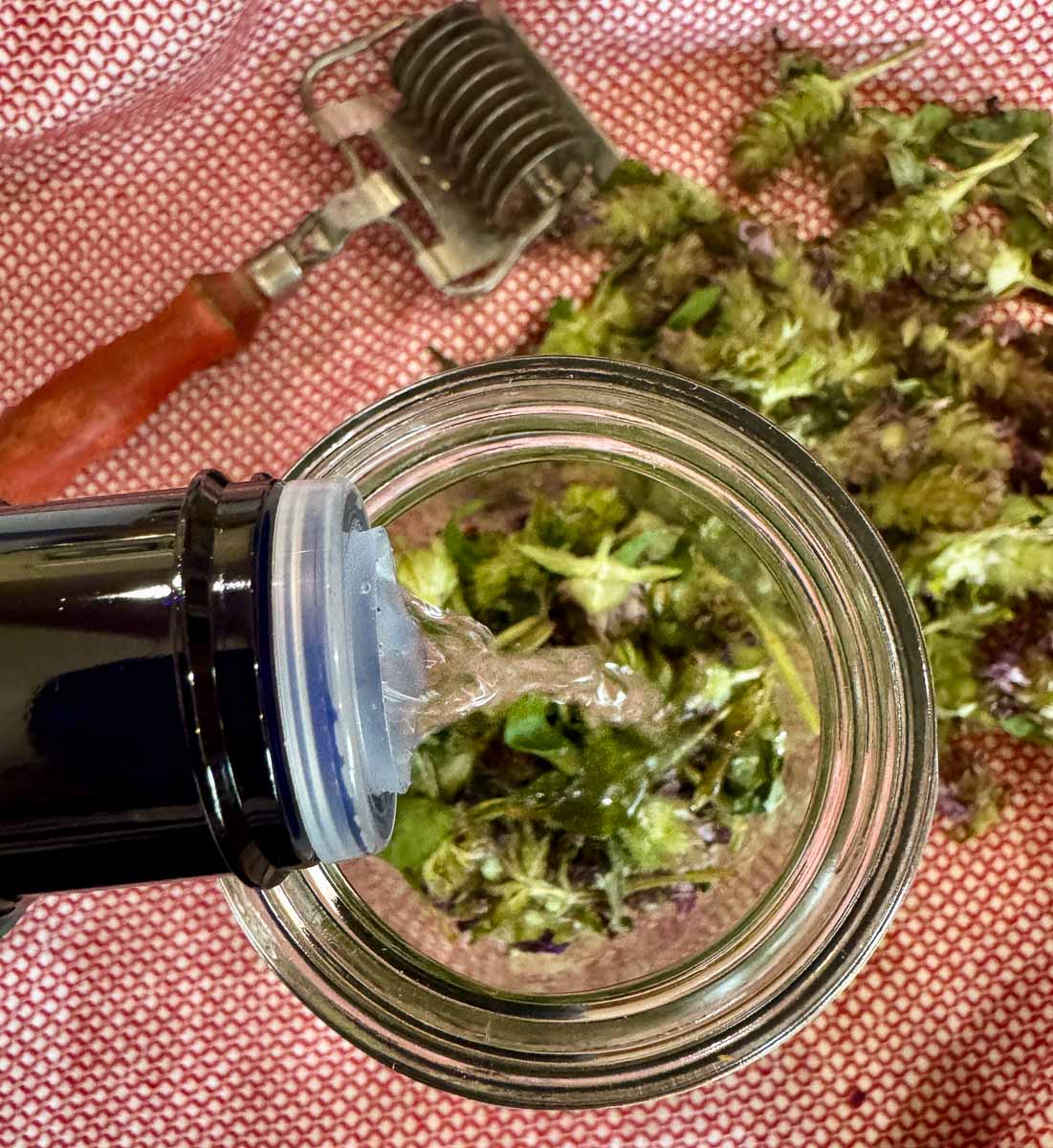
Selfheal can be preserved as a tincture by steeping the fresh or dried herb in alcohol for 4 to 8 weeks. The alcohol can then be strained and added to glass amber dropper bottles. Tinctures are a convenient way to store selfheal and enjoy its benefits year-round. Just take ½ to 1 full dropper squeeze, 2 to 3 times a day.
Selfheal Oxymel
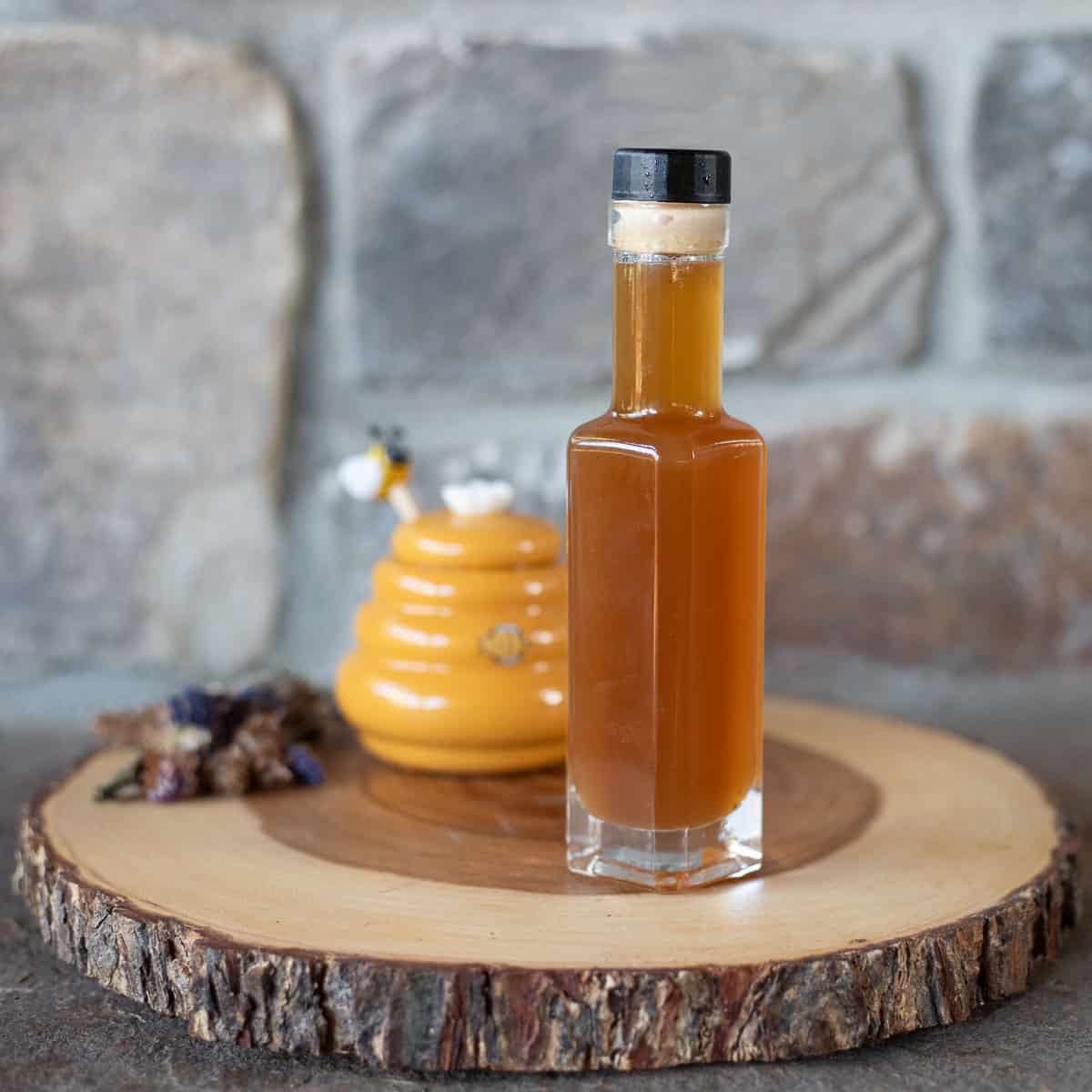
Another popular way to use selfheal is in an oxymel, a traditional preparation that combines herbs with honey and vinegar. Selfheal oxymel is traditionally used as a wellness tonic and can be taken by the spoonful or added to sparkling water or tea. It's also excellent as a salad dressing.
Heal-All Salve
To make a salve, I add the dried leaves and flowers to oil and infuse them for four to six weeks. The oil is then strained and mixed with beeswax, shea butter, and essential oils to make a nourishing skin salve.
More Foraging Posts
Looking for more posts like this? Try these:

Suzanne Guy says
Hello. I love what you're doing. It is just wonderful! I am interested in purchasing prunella tea. I bought a plant from ebay and it arrived dead. Please let me know if you have any available, as I did not see any listed? Thank you and God bless!
Hilda Sterner says
Hi Suzanne, Thank you so much for your comment. Sorry to hear about your Ebay purchase. I had planned on adding the Selfheal tea to the shop tomorrow, but I went ahead and uploaded it today. Here is the link: https://montanahomesteadharvest.com/store/selfheal-tea/
Scott Wasinski says
Hi Hilda! I'm Scott. I have been wildcrafting and cultivating herbs, mushrooms, berries, nuts, bark, roots, etc. for over a decade. I'm almost out of Prunella vulgaris and this year it was very sparse compared to previous years, so I went on a search for wild harvested and found your website. I decided to take a look around and read your intro as well as a few blogs you've written. I appreciate your rejection of the spiritual fornication that's commonplace among herbalists. As you know, there aren't many saints of God in "the field" (pun intended).
I'm glad to have found your website and will be making my way to the checkout to at least restock my selfheal 😁👍🏼
I would love to encourage you to consider spending time in the King James Version Bible! There's a lot of scandal behind the new versions and a very nefarious treachery behind the texts that they are founded upon.
I'm in northwest Indiana, not far from ChiTcago. The T is not silent in ChiTcago 😂😂😂
Hilda Sterner says
Hi Scott, Thanks again for your kind comment, and I saw your order come through; thank you! 😊 I was actually curious what you’re planning to use the selfheal for, tea, tincture, or something else?
I currently have both dehydrated and freeze-dried selfheal available. The freeze-dried looks prettier and retains that beautiful color, but I’ve noticed the dehydrated selfheal has a stronger, more pronounced flavor. I’d love to hear which form you prefer, especially since you’ve been wildcrafting herbs for so many years!
Scott Wasinski says
I never received any notification that you replied. I decided to go back to the page and look. Most websites send an email notification.
I hadn't even heard of freeze drying herbs before I read that you've done that. I would think that if it retains more of its flavor through a slow, low heat process, that would likely retain a greater percentage of its beneficial components.
I love your ideas of making tinctures and oxymel. Your mixed tea ideas look delectable! I will be trying a couple of those. I may have to order more just to get me through the winter and spring! lol
I really love the flavor of the tea by itself or with a little honey added, as a refreshment, however, it's not as abundant as other tea herbs are in my area, so I actually save the self heal for guests, friends and acquaintances that have sore throats, coughs or stuffy/runny sinuses because it's one of the fastest working herbs I've found to remedy those.
You may have noticed that one of my orders was shipped to California lol. That's for a friend that frequently gets sore throats and coughs.
I sent her a link to your website with my seal of approval. I can tell that you are well read on what you've written about. It looks like you do more research than the average naturalpath; couple that with your professed faith in Christ, it's likely that you do the best that you can for your readers, members and customers, as unto the Lord.
Thank you for taking the time to put together this website and to share so much helpful information!
Hilda Sterner says
Thanks for the kind words and for letting me know that you did not get notified of my reply. I just added a plugin to fix that.