
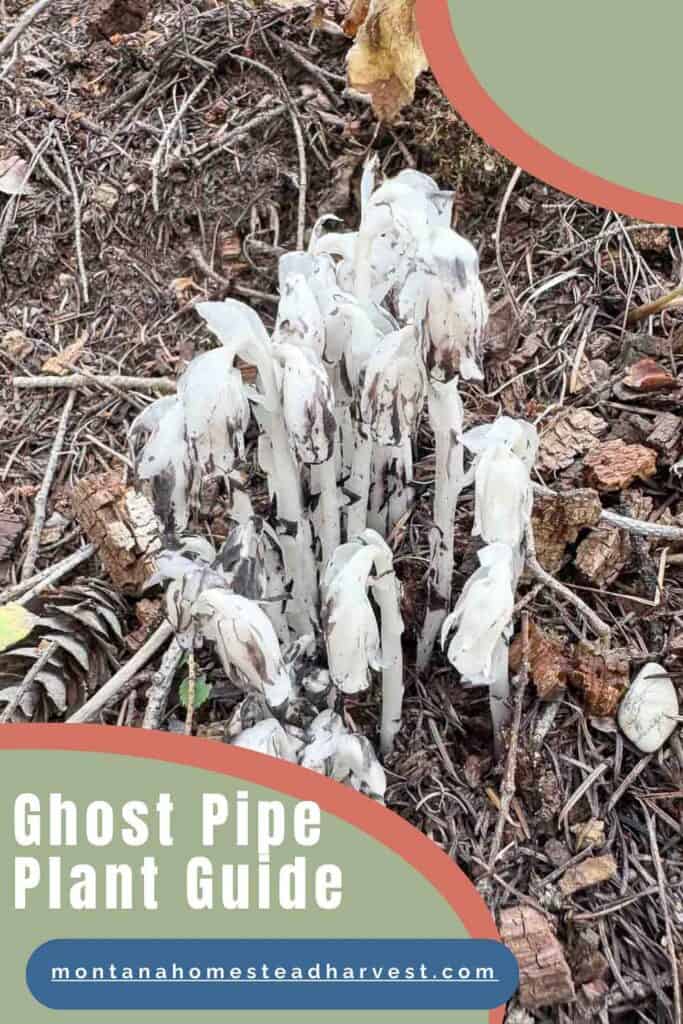
Ghost pipe (Monotropa uniflora) is an unusual woodland plant with an almost ghostly, translucent-white appearance. Although it's often mistaken for a mushroom, it's not a fungus at all! If you're interested in learning about true fungi, check out my guide to popular medicinal mushrooms.
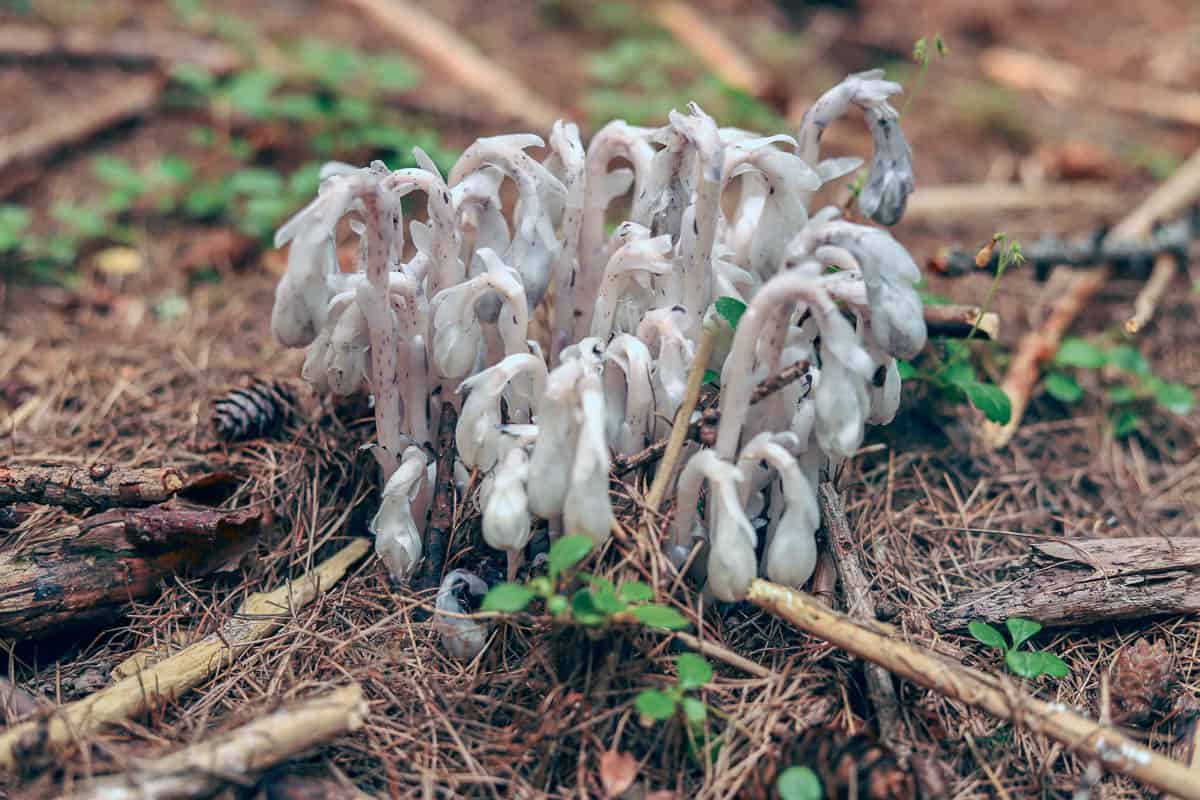
A few years ago, my friends Bill and Faith sent me a picture of a strange white plant they found on their property and asked me to identify it. Faith knows I live and breathe for foraging, so whenever she comes across something interesting, she sends me a picture to see if I know what it is.
I was super excited to discover that they had the elusive ghost pipe growing on their property, especially since I've never found it on ours. So earlier this year, I asked them to keep a lookout for this amazing plant and let me know when it emerged.
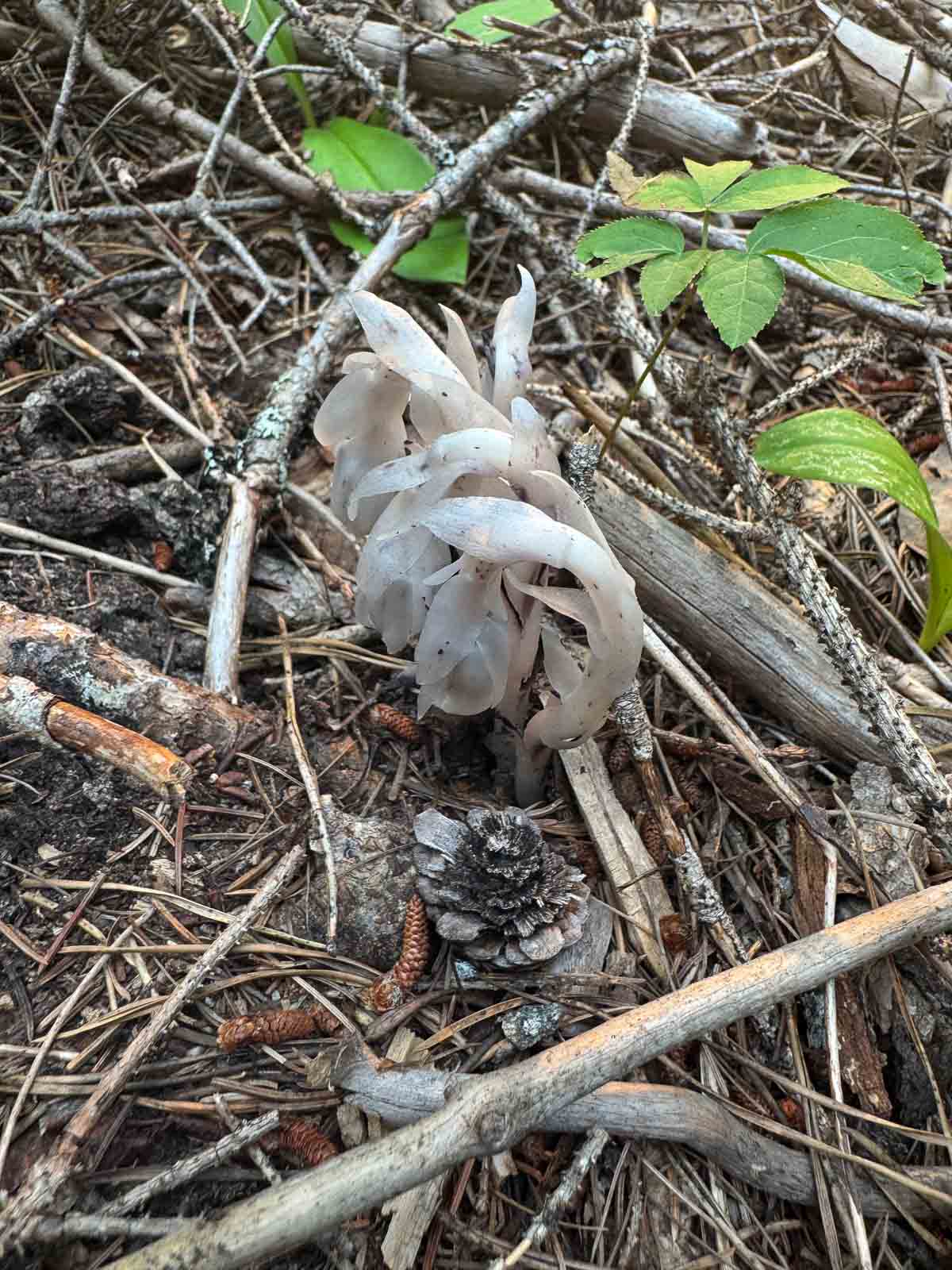
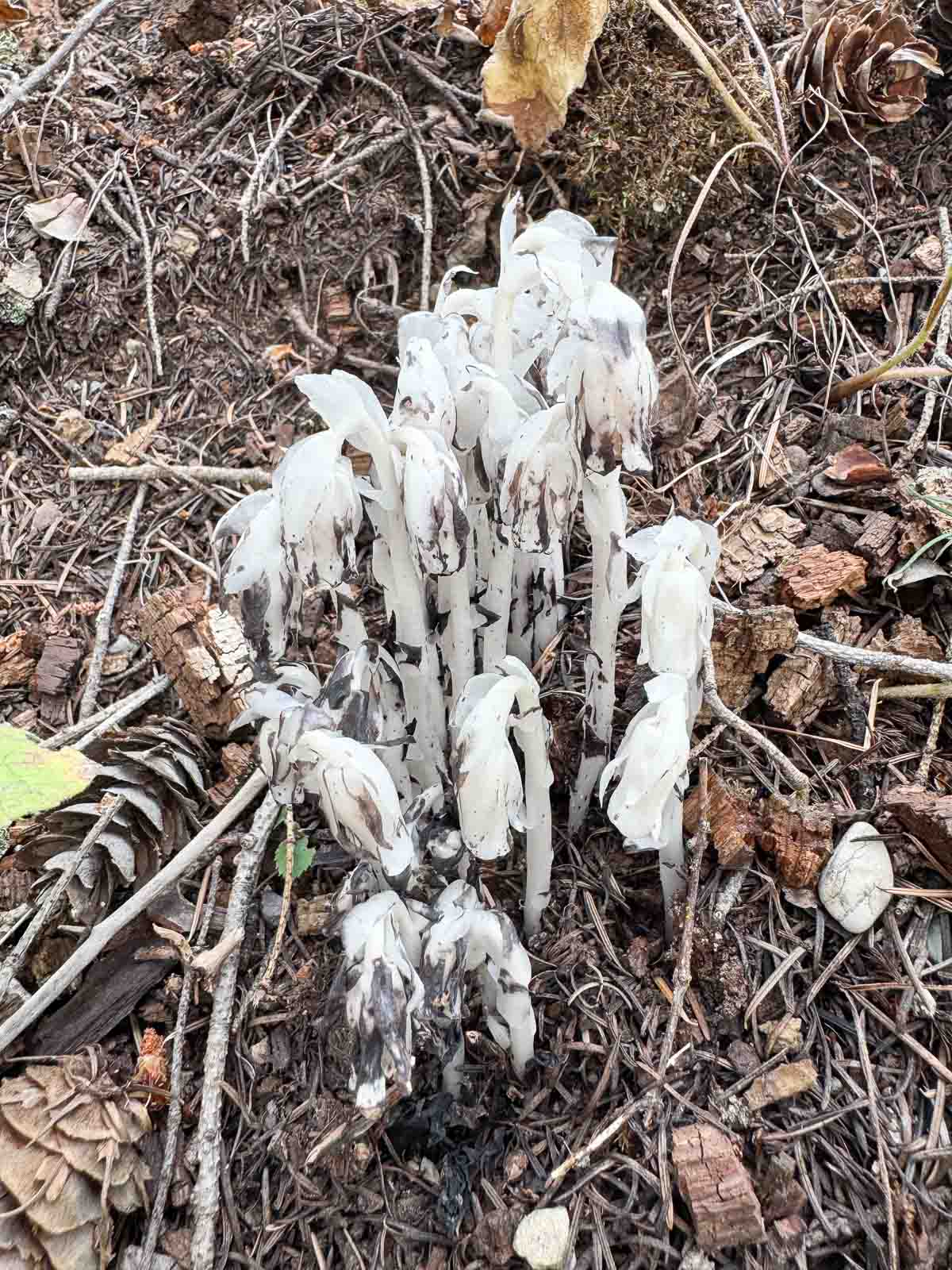
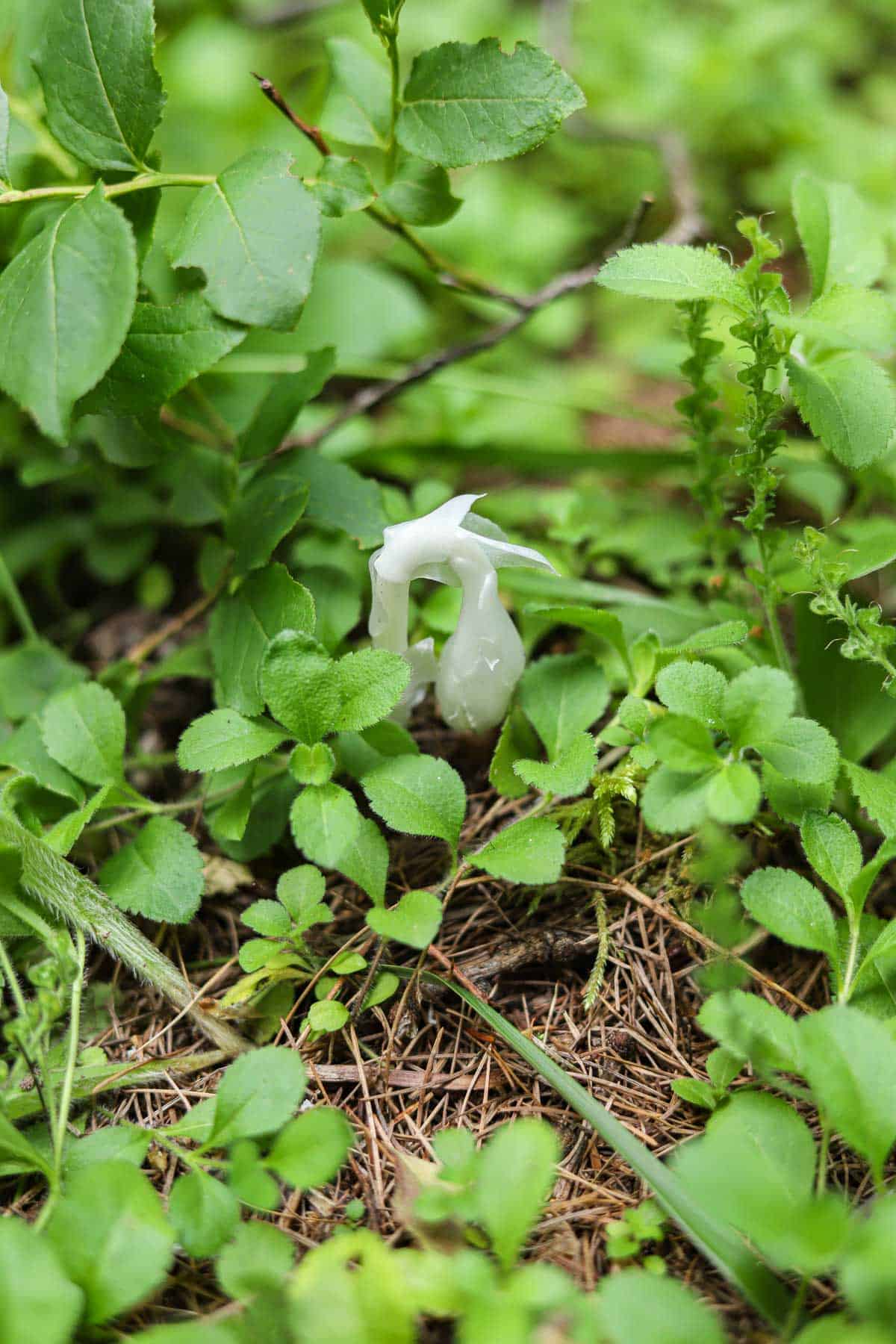
You can imagine my excitement when Bill sent me the following photo and said: "Got some of these white things popping up, I think you want some?" Ummmm, heck yeah!!!
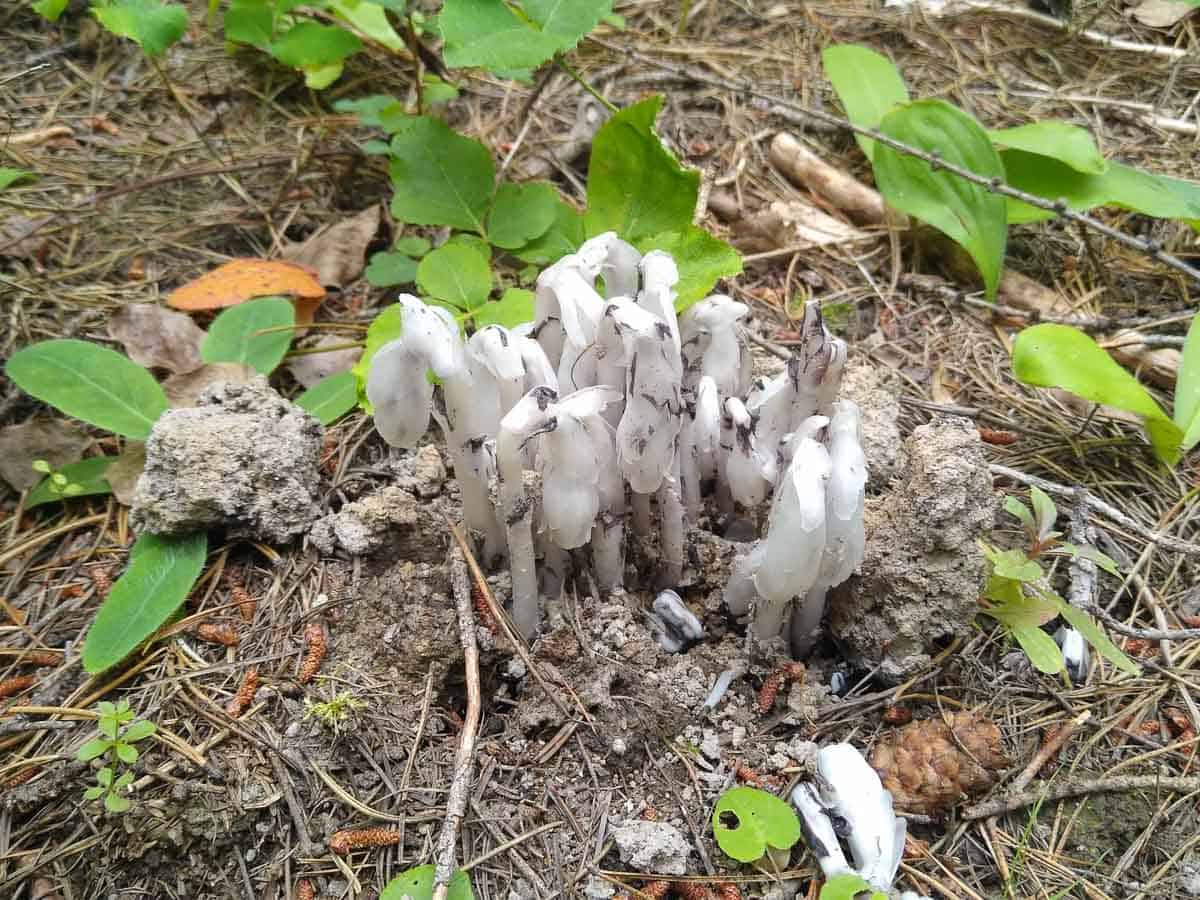
Scott and I showed up at their door bright and early the next morning armed with my camera and a pint-sized mason jar of Everclear. I excitedly photographed the ghost pipes before carefully harvesting enough to make my first tincture. And before you start wondering whether I was harvesting responsibly, I want to make it clear (Everclear, err) that there were so many of them that I didn't even feel a twinge of guilt!
Jump to:
What is Ghost Pipe?
Ghost pipe (Monotropa uniflora) is an unusual perennial wildflower known for its eerie, translucent white appearance. Also known as Indian pipe and corpse plant, it belongs to the Ericaceae family, making it a surprising relative of blueberries, cranberries, and wait for it... huckleberries!
Although its pale coloring and tendency to emerge from damp forest floors make it look a lot like a fungus, ghost pipe is not a mushroom. It's a flowering plant! What makes this plant especially unusual is that it lacks the green chlorophyll most plants rely on to make their own food.
How to Identify Ghost Pipes
Ghost pipe is one of the most unusual plants you'll encounter in the woods, and once you've seen it in person, it's pretty hard to forget! Look for these identifying characteristics:
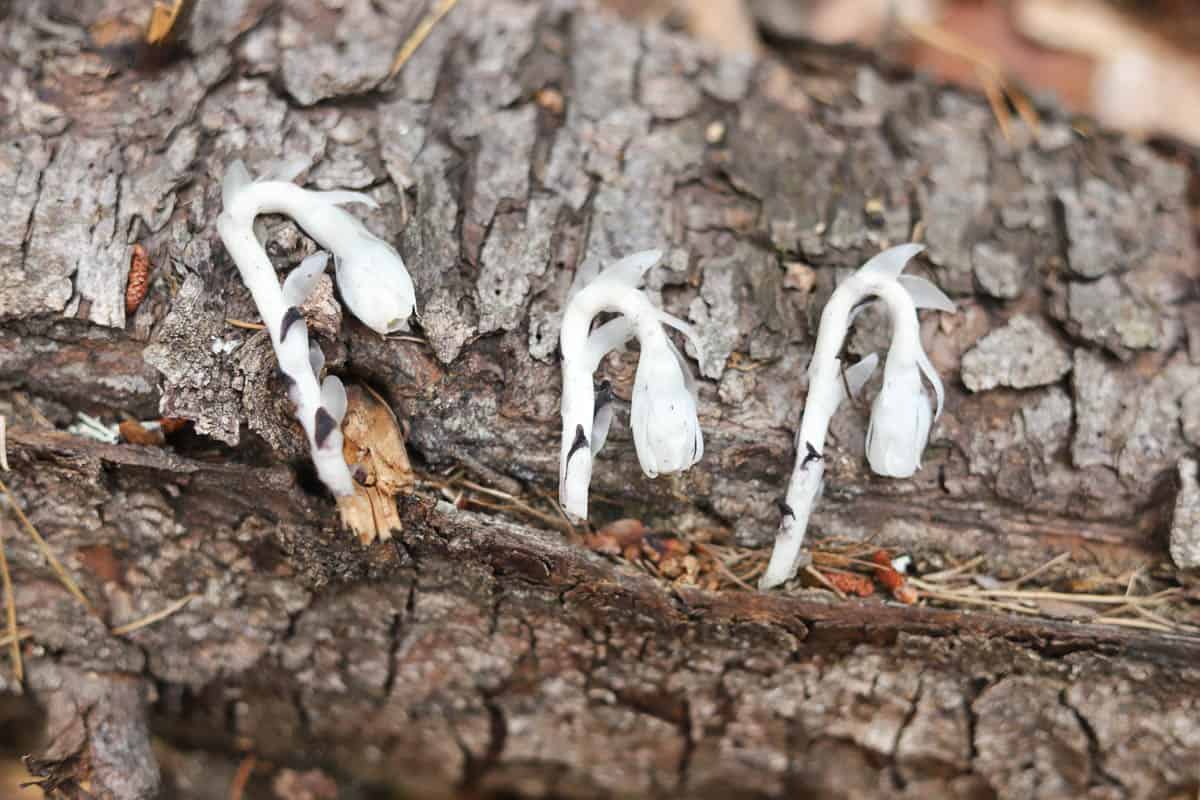
- Color: Usually waxy or translucent white but can also have pale pink tones. As the plant ages, it gradually darkens to brown or black.
- Height: Plants are generally 4 to 10 inches tall, although size can vary depending on growing conditions.
- Stem & Leaves: Each fleshy, unbranched stem is covered with small, scale-like leaves rather than typical green foliage.
- Flower: Each stem produces a single, bell-shaped flower. When ghost pipe first emerges, the flower points downwards, giving the plant its characteristic curved or pipe-like appearance. As the flower matures and develops a seed capsule, it turns upwards and eventually dissolves.
- Growth Habit: Ghost pipes may appear individually or in clusters, sometimes with large numbers growing in the same general area.
- Habitat: Look for them in damp, shaded forest floors with plenty of leaf litter and organic matter, often near mature trees.
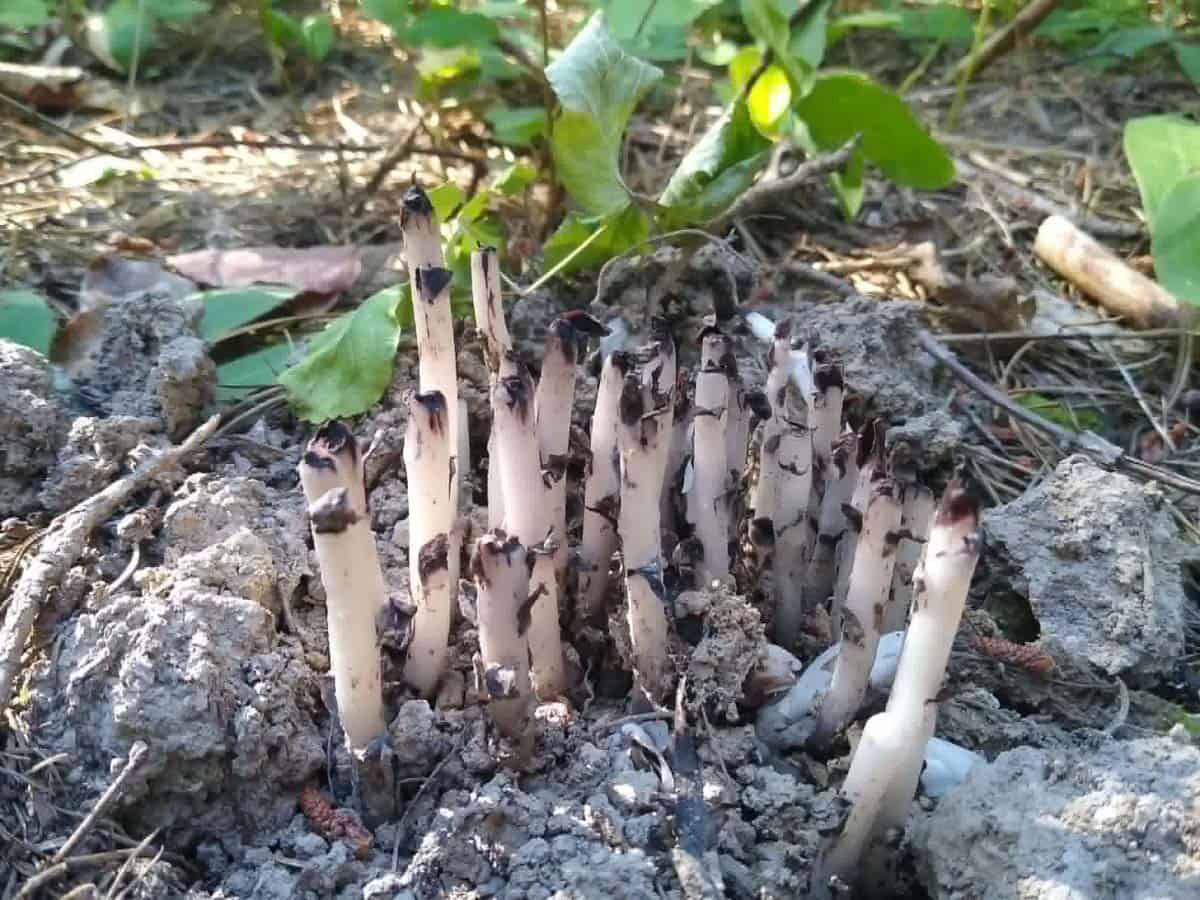
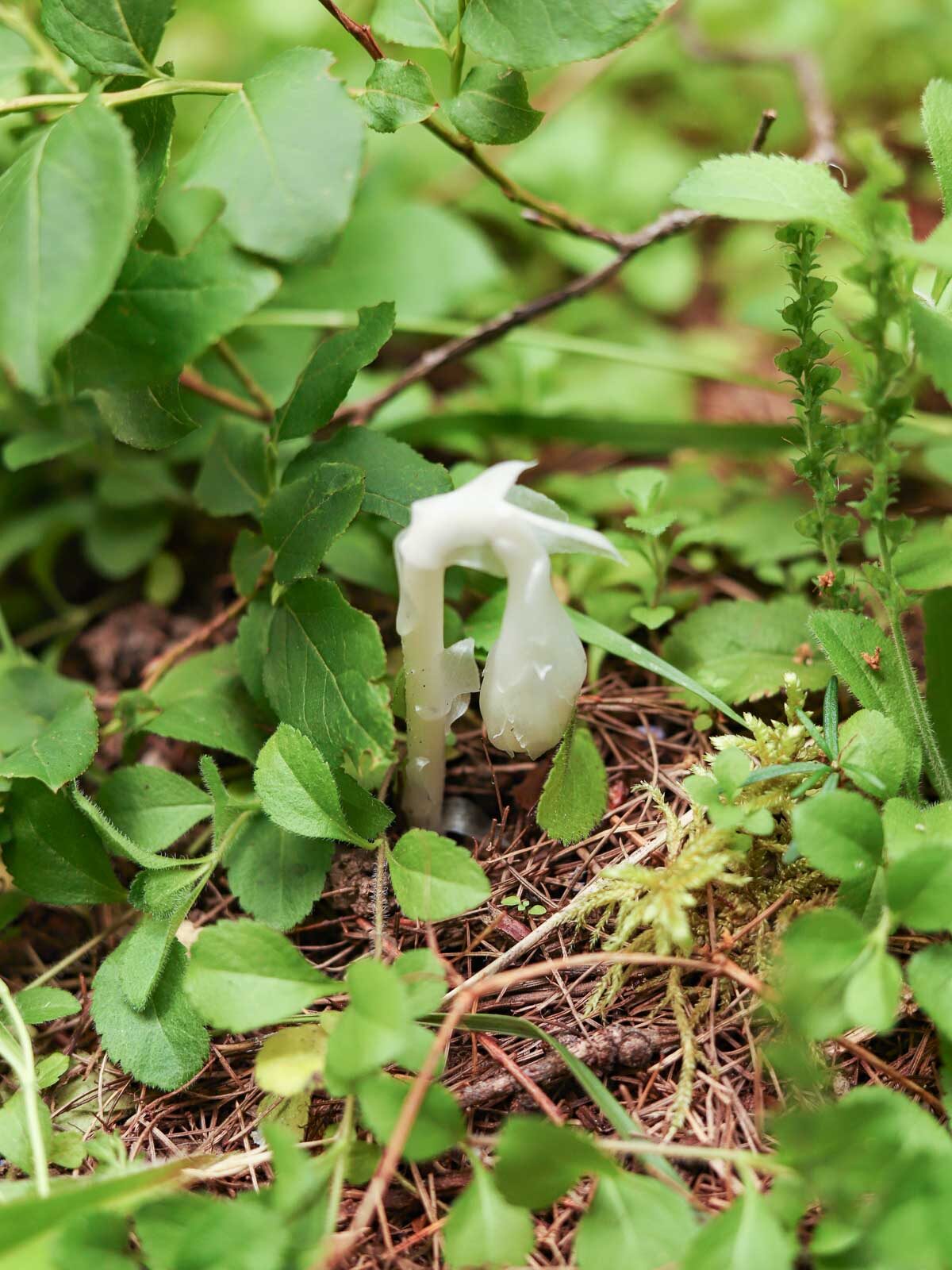
Notice in the picture above, on the right, the ghost pipe is emerging below a huckleberry bush. That's probably no coincidence. Huckleberries, ghost pipe, and pinedrops all belong to the heath family (Ericaceae) and thrive in similar forest habitats supported by extensive underground fungal networks. This may explain why ghost pipe and pinedrops are nearly impossible to transplant, and why huckleberries can also be challenging to establish outside their native habitat.
How Does Ghost Pipe Survive Without Chlorophyll?
Unlike most plants, ghost pipe contains little to no chlorophyll, the green pigment plants use to capture sunlight for photosynthesis. As a result, it doesn't need sunlight to produce its own food and can thrive in the deep shade of the forest floor.
So how does a plant without chlorophyll survive? That's where things get really interesting. Ghost pipe is a mycoheterotroph, meaning it obtains nutrients through its relationship with underground mycorrhizal fungi, which are themselves connected to nearby trees. Instead of producing its own food through photosynthesis, ghost pipe essentially taps into this tree-fungus relationship to obtain the carbon it needs.
This complex relationship also explains why ghost pipe is extremely difficult to transplant or cultivate. My friend Faith kept insisting that I dig some up and transplant them on my property. As tempting as that was, it's not quite that simple!
Digging up ghost pipe and moving them to a new location usually won't bring along the underground relationships they need to survive. Even if you carefully transplant the surrounding soil, there's no guarantee the right fungal network and host-tree connection will be present or remain intact. So, as much as I'd love to have ghost pipes popping up in my own woods, they're best admired where they naturally grow. Besides, that gives me a good excuse to visit Bill and Faith more often!
Other Mycoheterotrophic Plants
Ghost pipe isn't the only plant that has this remarkable survival strategy. Several other woodland plants also depend on underground fungal networks rather than photosynthesis, including pinedrops, coralroot orchids, gnome plant, snow plant, candystick, and yellow bird's-nest. While exploring the forests of northwest Montana, I've come across several of these, each with its own unique appearance.
Pinedrops (Pterospora andromedea)
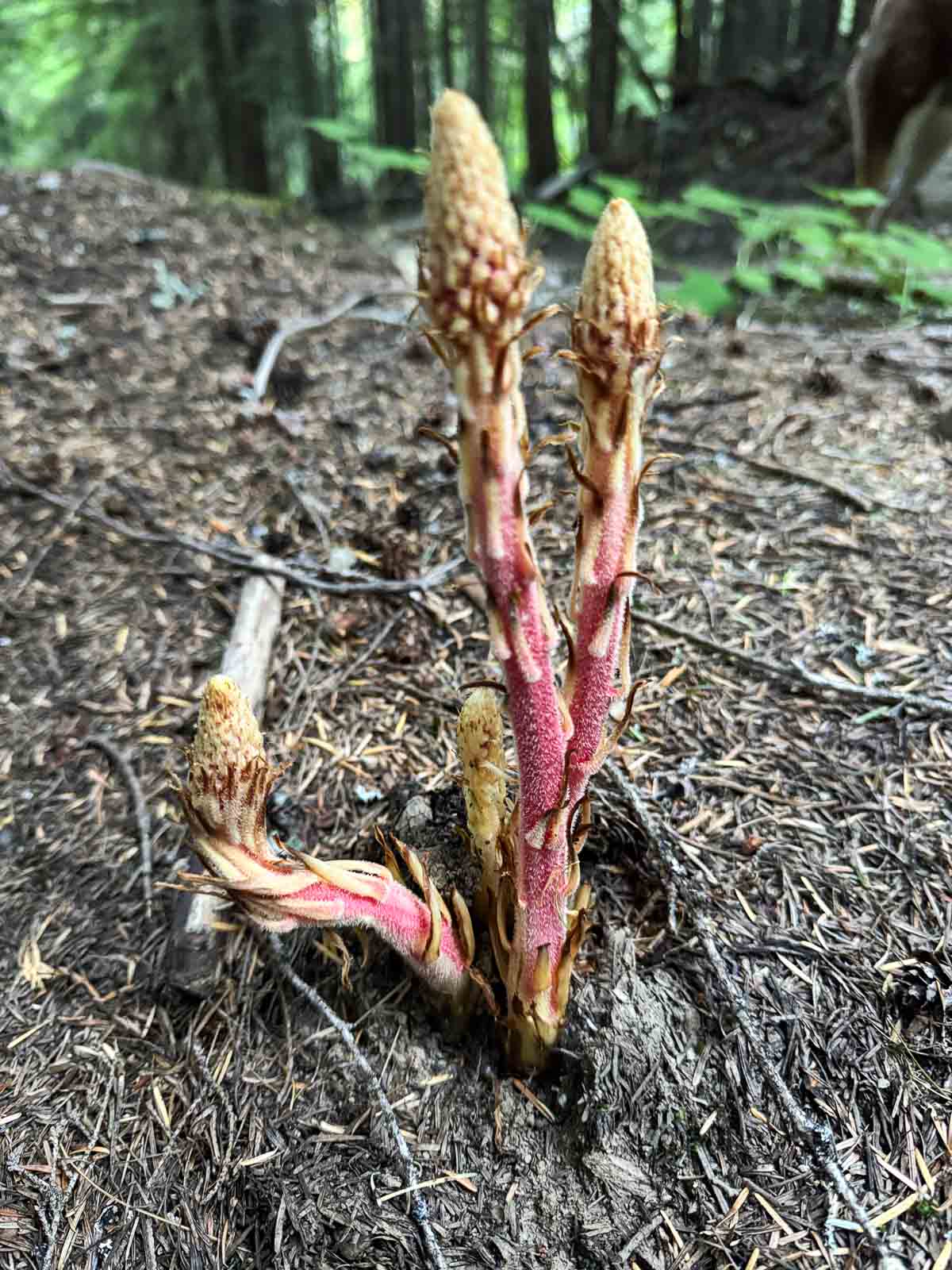
Pinedrops is a close relative of ghost pipe in the heath family (Ericaceae). Unlike ghost pipe's delicate white stems, pinedrops produces a striking reddish flower spike that can reach 1 to 3 feet tall. I was fortunate enough to photograph this plant at several stages, from its first emergence through flowering.
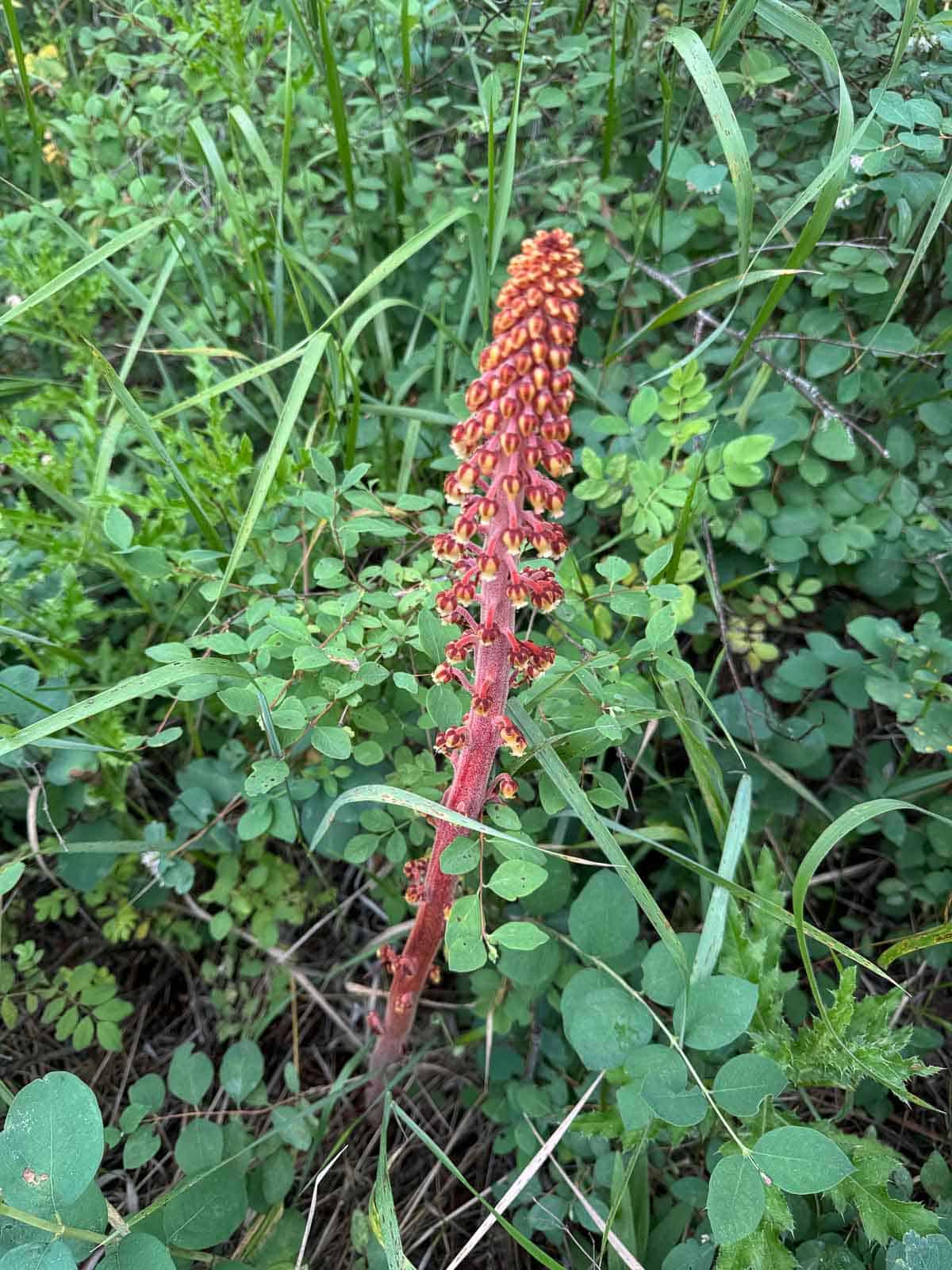
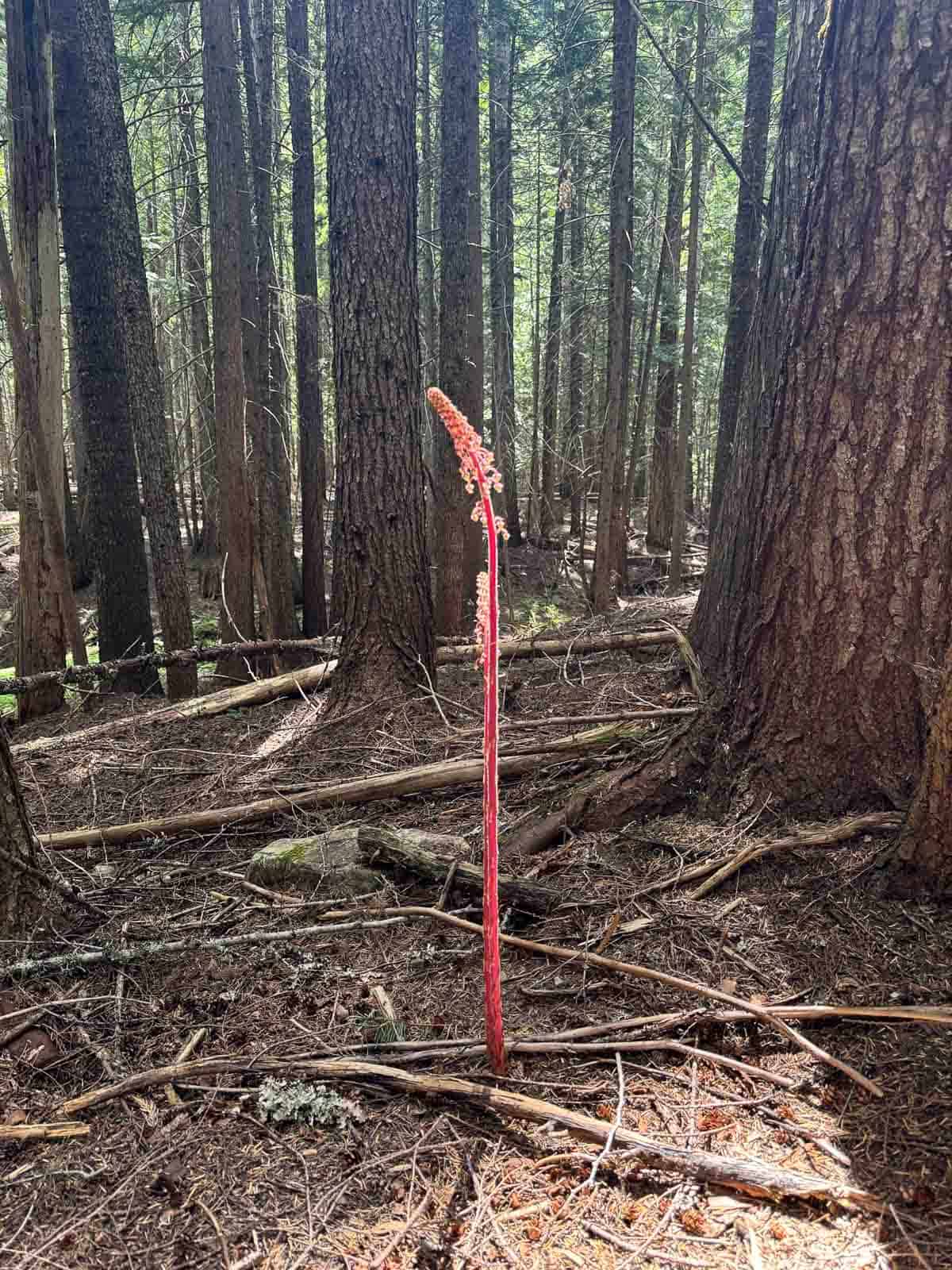
Coralroot Orchids (Corallorhiza spp.)
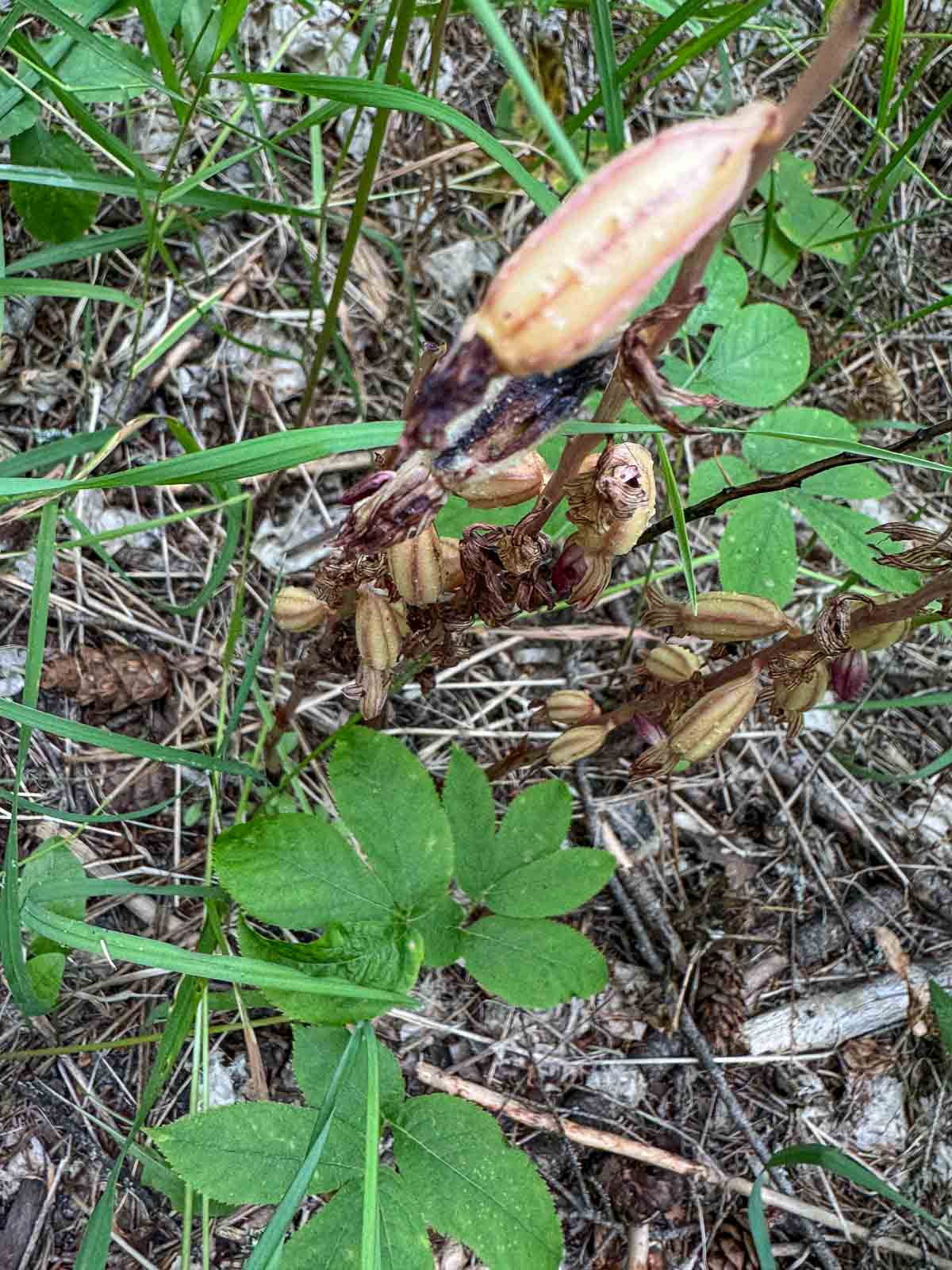
Coralroot orchids belong to the orchid family, yet they share ghost pipe's unusual lifestyle. These leafless orchids lack chlorophyll and obtain their nutrients through mycorrhizal fungi. The photos below show two different coralroot species that I've encountered while exploring northwest Montana. The photos below show spotted coralroot in bloom and hooded coralroot after it has gone to seed.
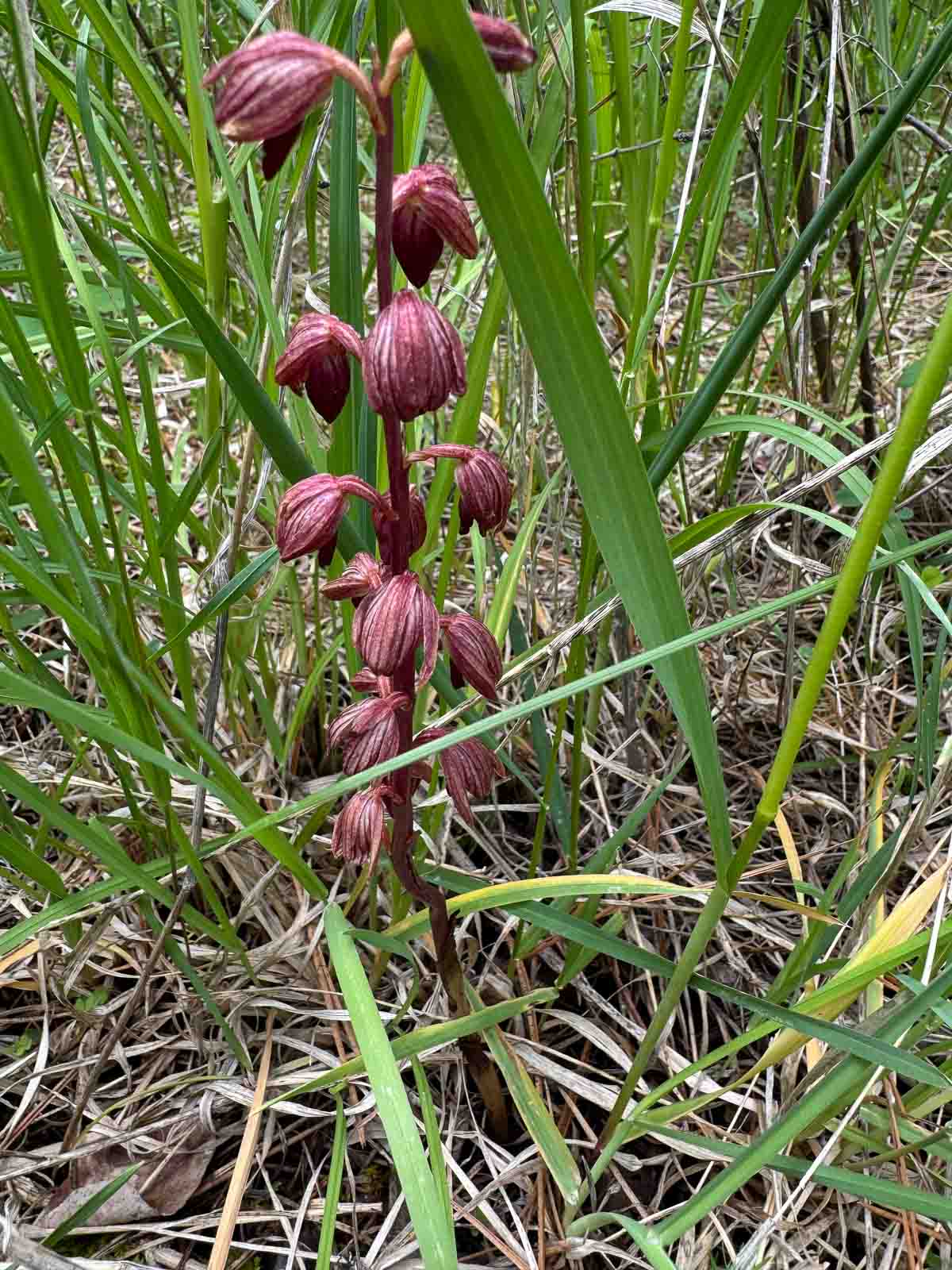
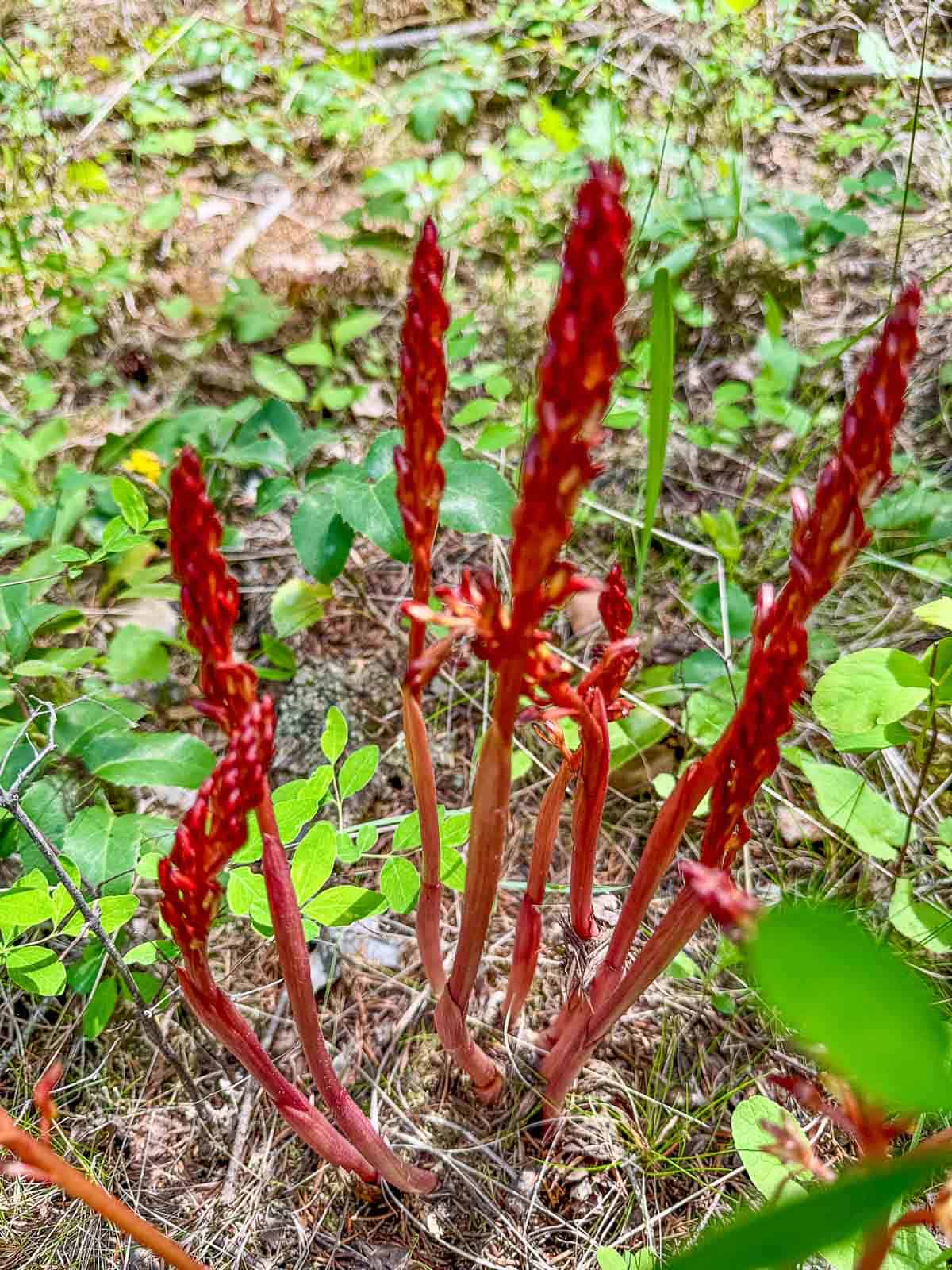
Where Does Ghost Pipe Grow?
Ghost pipe grows in shady, wooded areas throughout much of North America, as well as parts of Asia and Central and South America. In the United States, it is most commonly found in moist, mature forests where the underground fungal networks it depends on are well established.
Look for them in areas of deep shade, rich soil, and plenty of decaying leaves and forest debris. It often grows beneath mature deciduous and coniferous trees, including beech, oak, maple, and pine.
Ghost pipe typically emerges during the summer and into early fall, often following periods of warm, wet weather. The exact timing varies depending on location, elevation, and weather conditions. Here in northwest Montana, the ghost pipes I photographed emerged in July at an elevation of around 3,200 feet.
There were hundreds scattered throughout the property, sometimes growing individually but often appearing in clusters. The property runs alongside the Stillwater River and has consistently moist, shaded woodland habitat, conditions that are ideal for ghost pipe.
Ghost Pipe Uses & Potential Benefits
Ghost pipe has a long history of use in traditional herbal medicine, particularly among various Native American tribes. Historically, different parts of the plant were prepared as teas, poultices, or tinctures and used for a variety of purposes, including pain relief and nervous system support.
Although interest in ghost pipe has grown significantly in recent years, scientific research is still limited. More studies are needed to understand its chemical compounds, safety, and potential therapeutic effects.
In modern herbalism, ghost pipe is most commonly prepared as a fresh plant tincture. Many herbalists report using it for pain, emotional stress, anxiety, migraines, and sleep issues. However, it's important to note that most of these uses are based on traditional knowledge rather than large clinical studies.
Ghost Pipe Tincture
Unlike many medicinal herbs that are dried before use, ghost pipe is generally tinctured while fresh. The plant deteriorates quickly after it's harvested, so having a jar of high-proof alcohol with you when you plan to harvest it is advised.
To make a tincture, the freshly harvested plant is submerged in high-proof alcohol, allowing the plant compounds to infuse over several weeks.
Some herbalists take this process a step further by using the spagyric method, which involves recovering mineral salts from the remaining plant material and recombining them with the tincture. Learn more about the spagyric method and why I choose not to practice it.
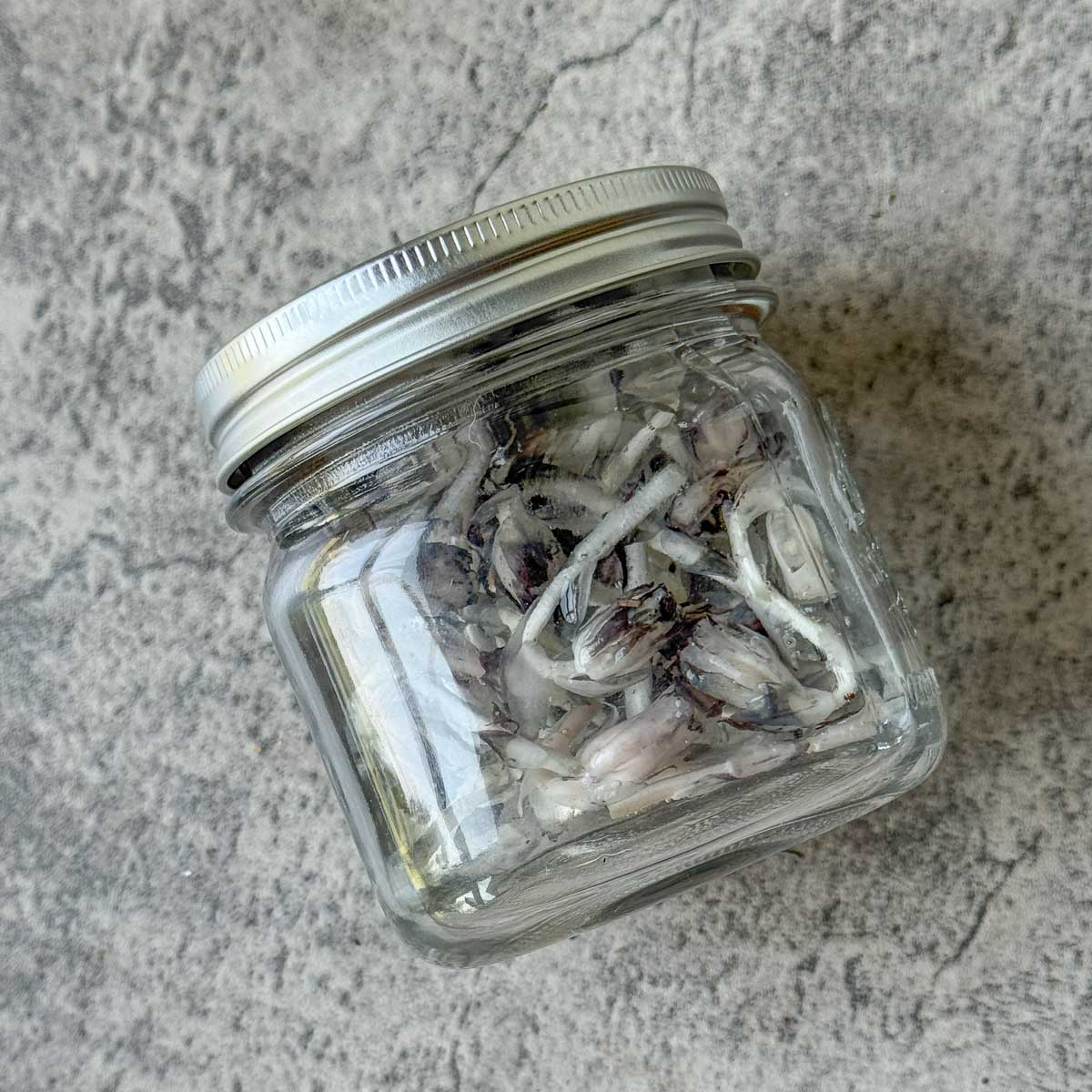
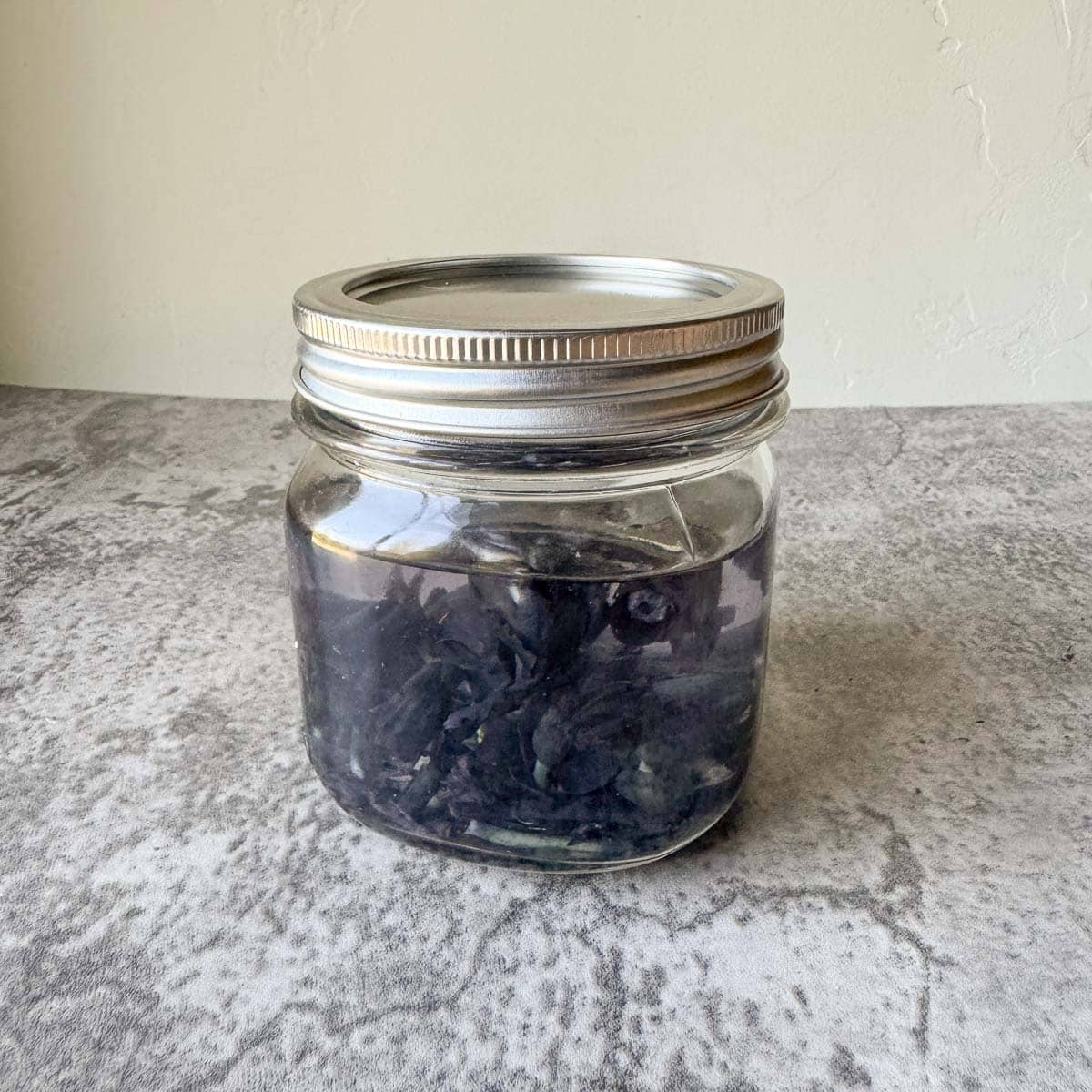
One of the most fascinating aspects of making ghost pipe tincture is watching the alcohol change color. My first batch, made with high-proof Everclear, turned a deep indigo-purple within hours.
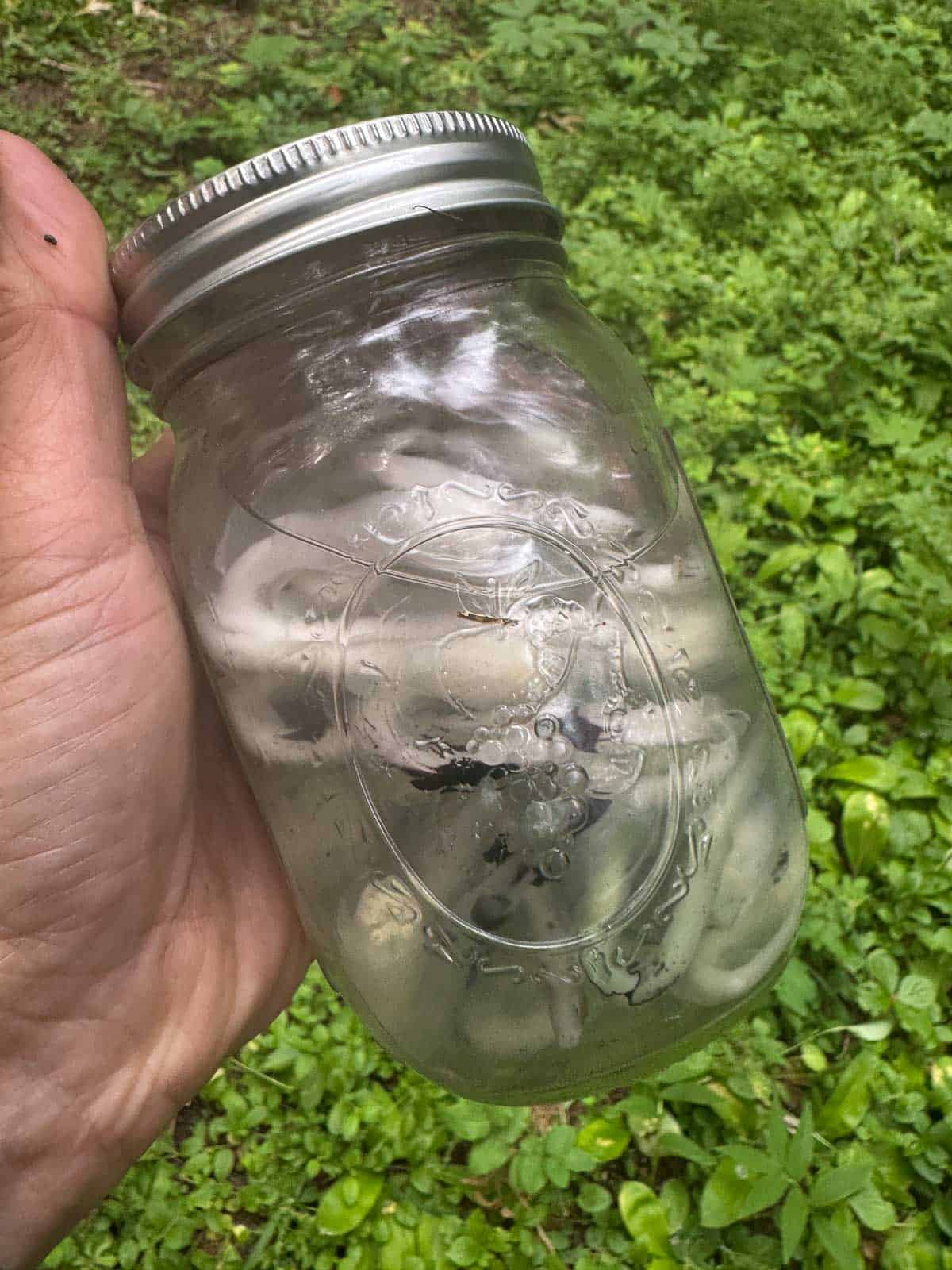
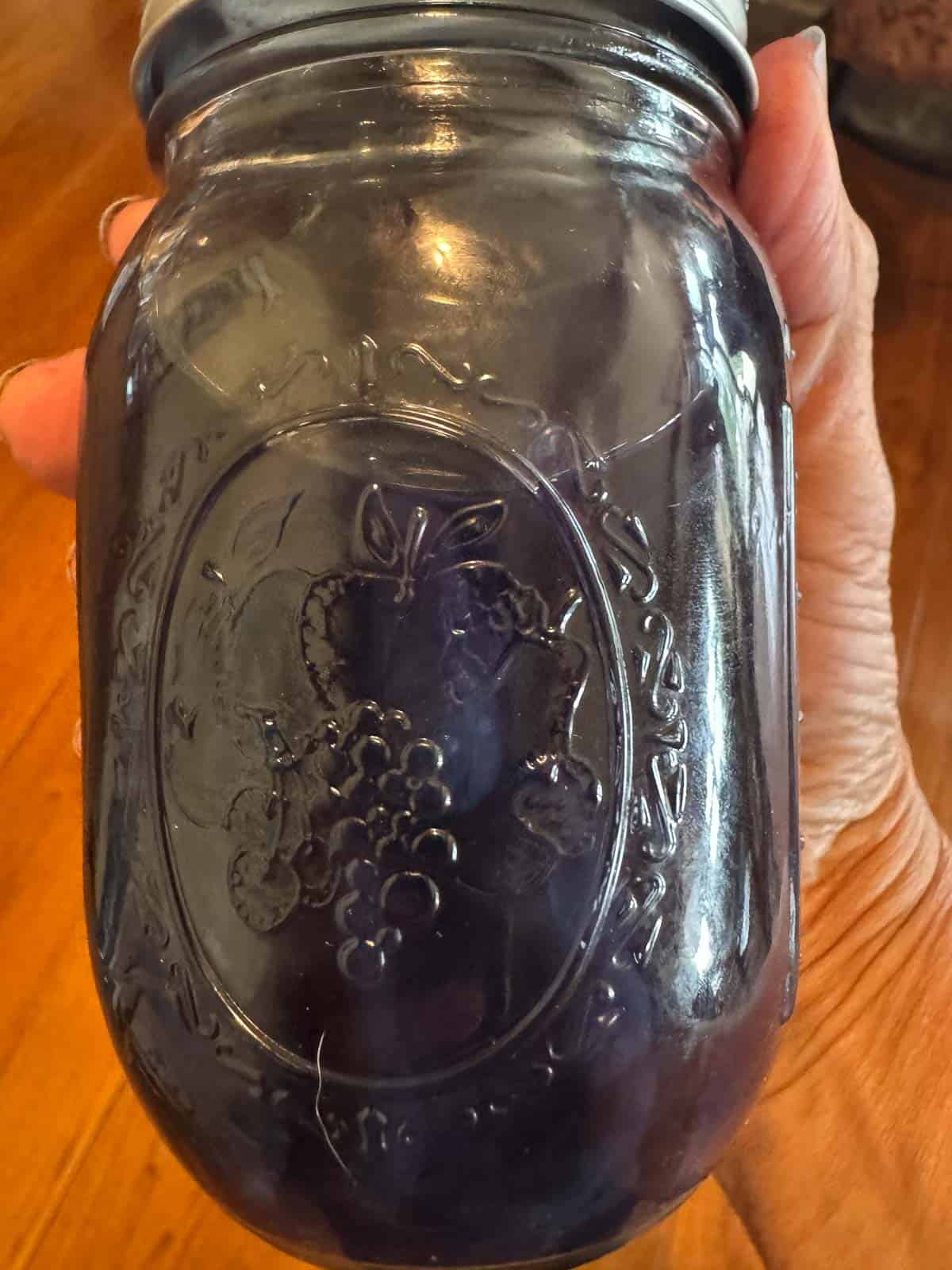
However, when I harvested another batch and waited about 40 minutes before placing it in 80-proof vodka, the color change was much less dramatic. Whether this difference was due to the lower alcohol content, the delay before tincturing, the maturity of the plants, or a combination of these factors, I can't say for certain, but it was an interesting observation.
Ghost Pipe Side Effects & Safety
When used, ghost pipe tincture is generally taken in very small amounts. Because it's considered a potent herb, taking more isn't necessarily better and may increase the likelihood of unwanted side effects. Some people have reported drowsiness, dizziness, lightheadedness, nausea, or stomach upset. Ghost pipe may also enhance the effects of alcohol, sedatives, and other medications that affect the central nervous system.
You may come across claims online that ghost pipe can damage the kidneys due to compounds called grayanotoxins. However, modern laboratory analyses have not detected these compounds in ghost pipe, and there is currently no evidence that ghost pipe contains the kidney toxin aristolochic acid, which is found in an entirely different group of plants. While these findings are reassuring, more research is needed to fully understand ghost pipe's chemical composition and long-term safety.
As with any herbal remedy, ghost pipe should be avoided during pregnancy and breastfeeding because its safety hasn't been established. If you have kidney or liver disease, take prescription medications, or have any underlying medical conditions, consult your healthcare provider before using ghost pipe tincture.
Harvesting Ghost Pipe Responsibly
This is an important plant that plays a unique role in forest ecosystems. Because ghost pipe depends on a complex relationship with underground fungi and nearby trees, it can't simply be cultivated like most herbs. If you decide to harvest ghost pipe, do so responsibly:
- Harvest only where it is abundant.
- Never collect an entire colony.
- Take only what you'll use, and do so by cutting the stem at ground level instead of pulling it out by the roots. Since it's a perennial, it will come back in the same location the following year.
- Follow local regulations regarding wild plant harvesting.
Although ghost pipe isn't federally listed as endangered in the United States, some states and provinces offer it legal protection or consider it a species of conservation concern. Always check local regulations before harvesting.
FAQs
Can You Take Too Much Ghost Pipe?
Yes. Although serious adverse effects haven't been well studied, ghost pipe is a potent herb, and taking excessive amounts may increase the risk of drowsiness, dizziness, nausea, and other unwanted effects. Many herbalists recommend starting with just a few drops and using only the amount needed. Because research is limited, it's wise to use ghost pipe cautiously and consult a qualified healthcare professional if you have questions.
Can You Eat Ghost Pipe?
Ghost pipe isn't considered an edible wild plant. While it has a long history of use in traditional herbal medicine, it's most commonly prepared as a fresh tincture rather than eaten. Because research on its safety is limited, it shouldn't be consumed as a food
Why Does Ghost Pipe Turn Black?
Ghost pipe naturally darkens as it matures or after it's picked. The once-white stems and flowers gradually turn gray, blue-black, or nearly black as the plant ages and begins to break down. This color change is a normal part of its life cycle.
Is Ghost Pipe Poisonous?
Ghost pipe isn't generally considered poisonous, but that doesn't mean it's risk-free. Because scientific research is limited, its long-term safety, proper dosage, and potential interactions with medications aren't fully understood. As with any medicinal herb, it's best used cautiously and in moderation.
Final Thoughts
Ghost pipe is one of the forest's most fascinating plants. It's a species that continues to capture the curiosity of botanists, foragers, and herbalists alike. Taking the time to appreciate and harvest it responsibly helps ensure future generations can enjoy this remarkable plant as well.
More Foraging Posts
Looking for other recipes like this? Try these:



Comments
No Comments