
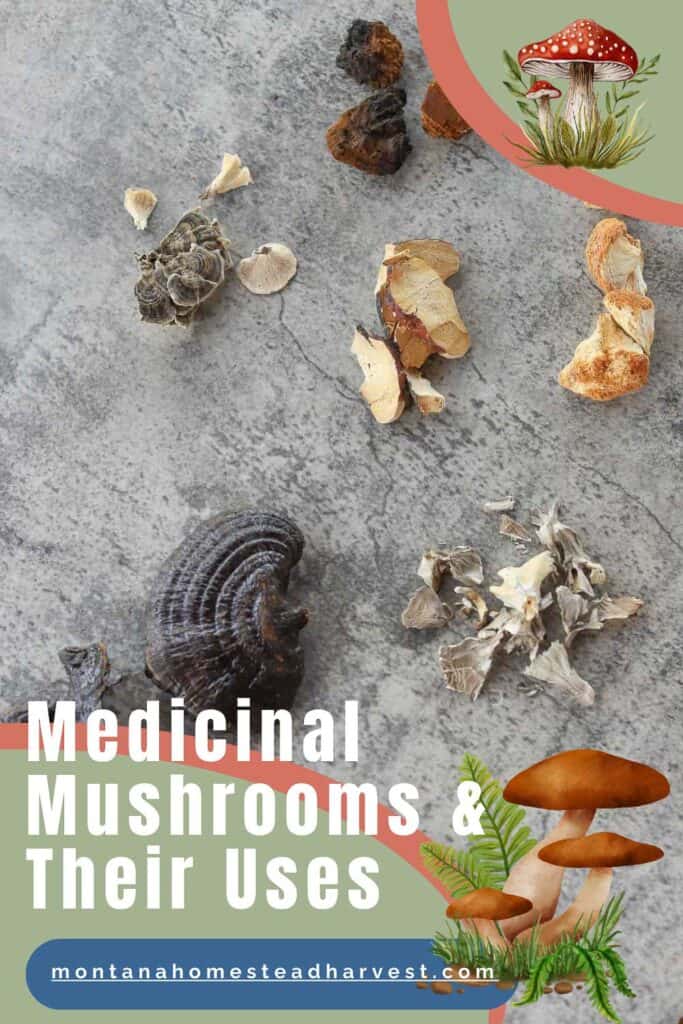
After writing about how to make chaga tea and reviewing some of the best mushroom coffee brands, I thought it would be helpful to put together a beginner-friendly medicinal mushrooms list and their uses. In this article, I'll share seven popular medicinal mushrooms, their potential benefits, and the different ways they can be enjoyed!
If you follow my blog, you probably know by now that I LOVE mushrooms! From cooking with them to make dishes like shaggy mane mushroom waffles and crispy vegan fried chicken (prepared with fried chicken mushrooms), to making medicinal tinctures with red belted polypores and wild-harvested turkey tail, I'm always finding new ways to use them.
The more I learn about medicinal mushrooms, the more excited I get about incorporating them into my wellness routine. Although I already enjoy some of their benefits in my daily mushroom coffee and chaga coffee, I'm always looking for ways to add more varieties to my diet.
Jump to:
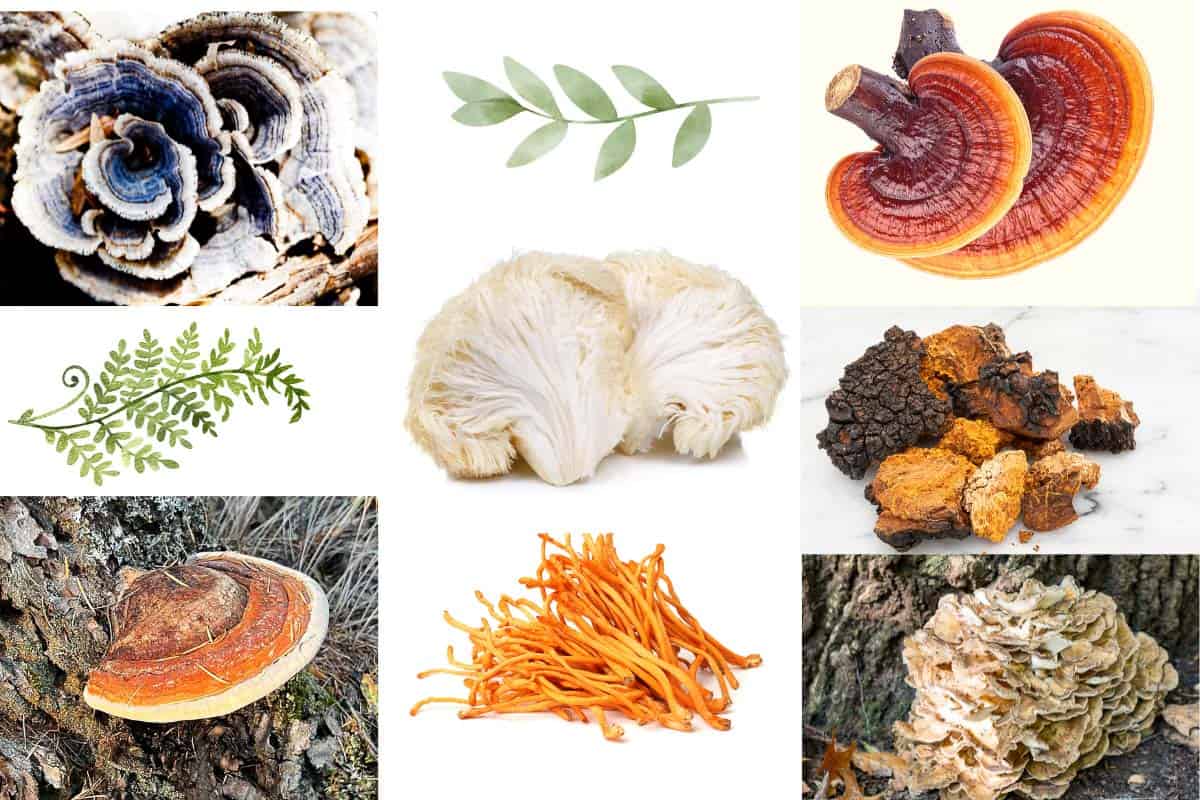
Popular Medicinal Mushrooms List
| Mushroom | Primary Benefit | Secondary Benefits | How it's Commonly Used |
|---|---|---|---|
| Lion's Mane | Cognitive, focus, and memory support | Nerve health, concentration | Coffee, powders, capsules, tinctures |
| Reishi | Relaxation and sleep support | Stress and immune support | Tea, tinctures, capsules |
| Chaga | Immune and antioxidant support | Overall wellness support | Tea, coffee blends, tinctures |
| Turkey Tail | Immune and gut health support | Gut health, potential anti-tumor properties | Tea, powders, capsules, extracts |
| Cordyceps | Energy and endurance support | Exercise performance | Powders, capsules, coffee blends |
| Maitake | Immune and metabolic support | Blood sugar and cardiovascular support | Cooked, teas, powders, extracts |
| Red Belted Polypore | Immune support | Antioxidant support, potential anti-tumor properties | Tea, tinctures |
7 Medicinal Mushrooms and Their Uses
Lion's Mane
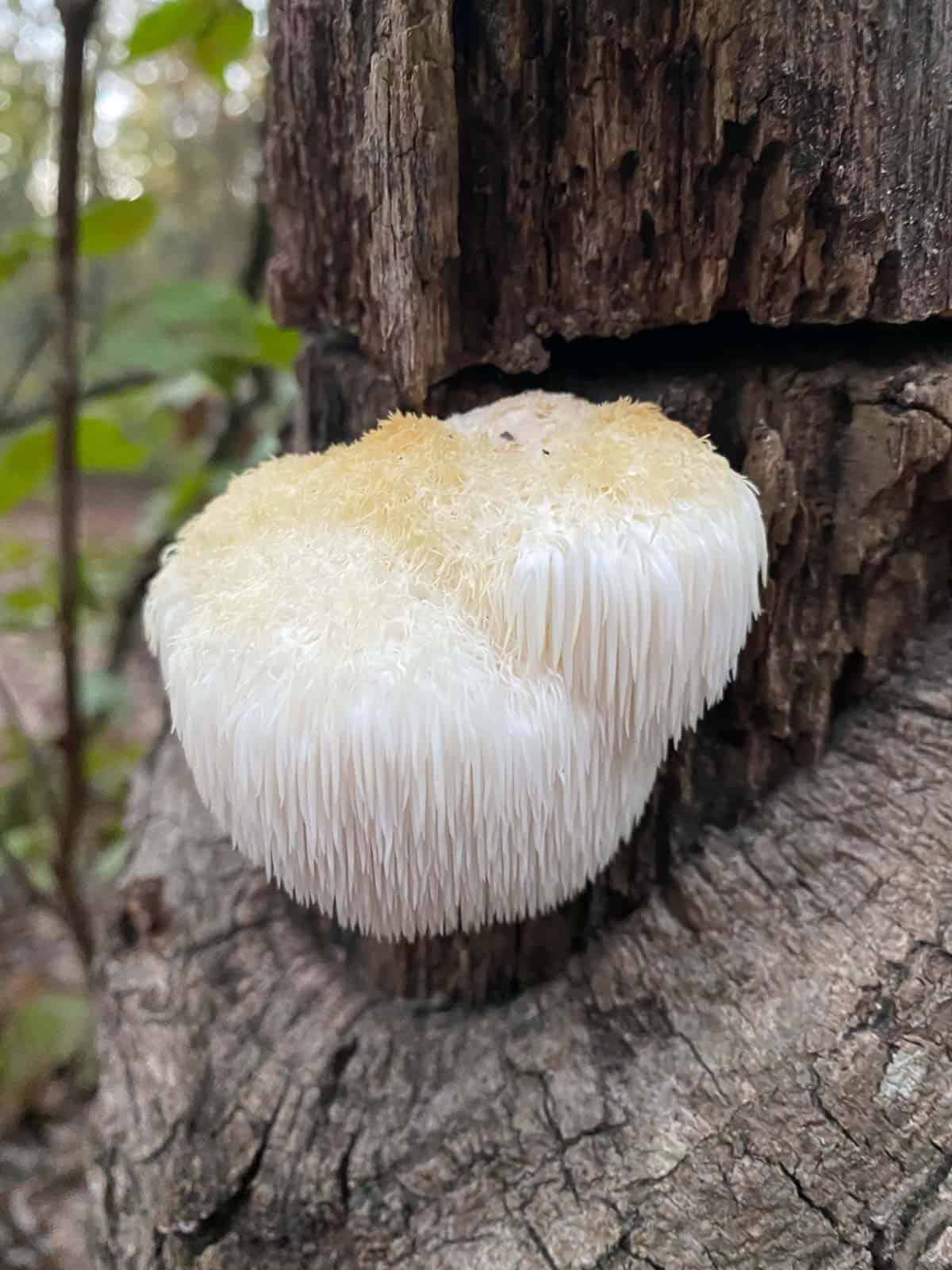
Lion's mane (Hericium erinaceus) is an edible medicinal mushroom that's easy to recognize by its cascading white spines, which resemble a shaggy lion's mane. Unlike many medicinal mushrooms that are too tough or bitter to eat, lion's mane is also prized as a culinary mushroom and has a mild flavor often compared to crab or lobster.
Lion's mane is best known for its potential benefits for brain health, including memory, focus, and cognitive function. Much of the interest centers around naturally occurring compounds called hericenones and erinacines, which have been studied for their potential effects on nerve growth factor (NGF) and nervous system health.
Besides being available as powders, tinctures, capsules, and mushroom coffee, fresh lion's mane can be cooked and enjoyed like other edible mushrooms. I especially enjoy making lion's mane crab cakes and lion's mane pasta.
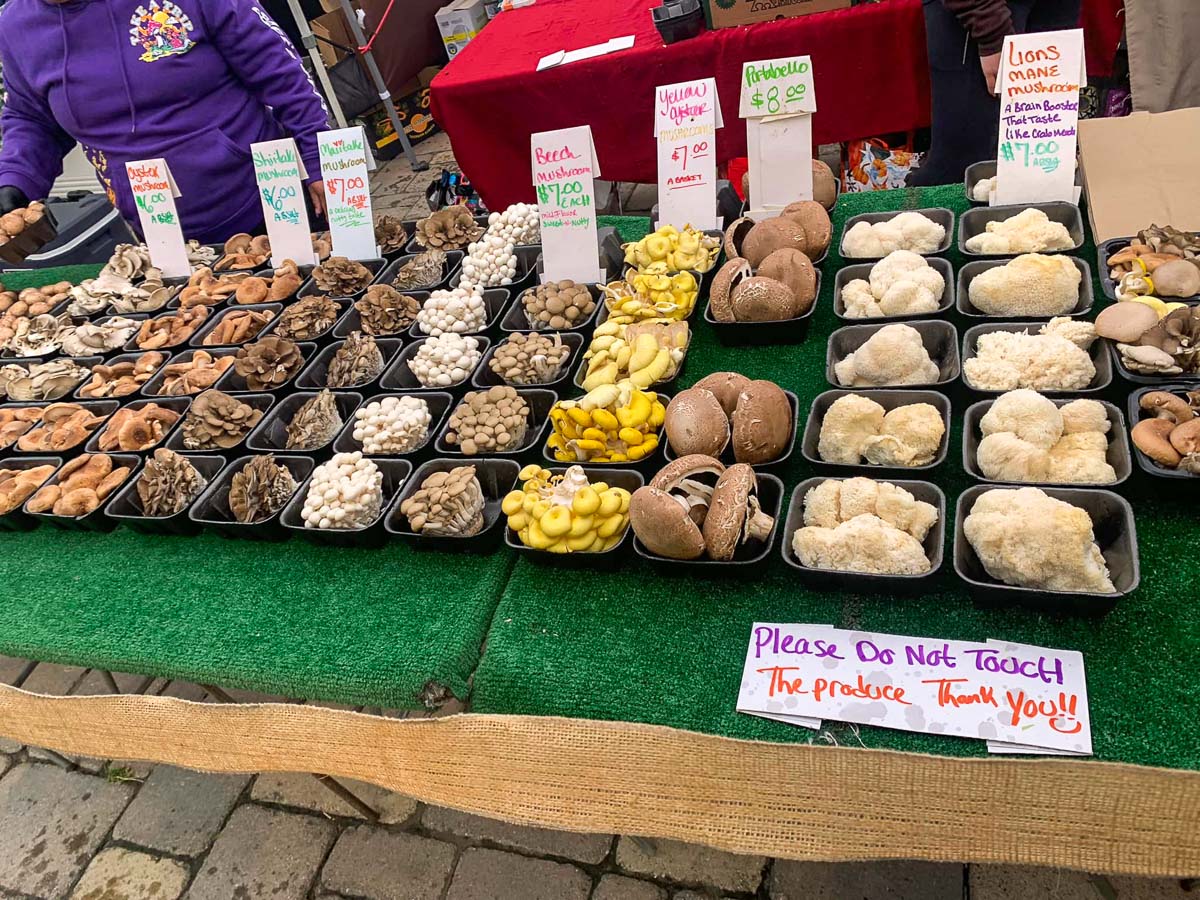
Lion's mane is not a mushroom I come across often. In fact, it's on my bucket list of mushrooms I hope to find out in the wild someday! Until then, fresh lion's mane can sometimes be found at farmers' markets, while dried lion's mane for tincture making can easily be purchased online.
Reishi
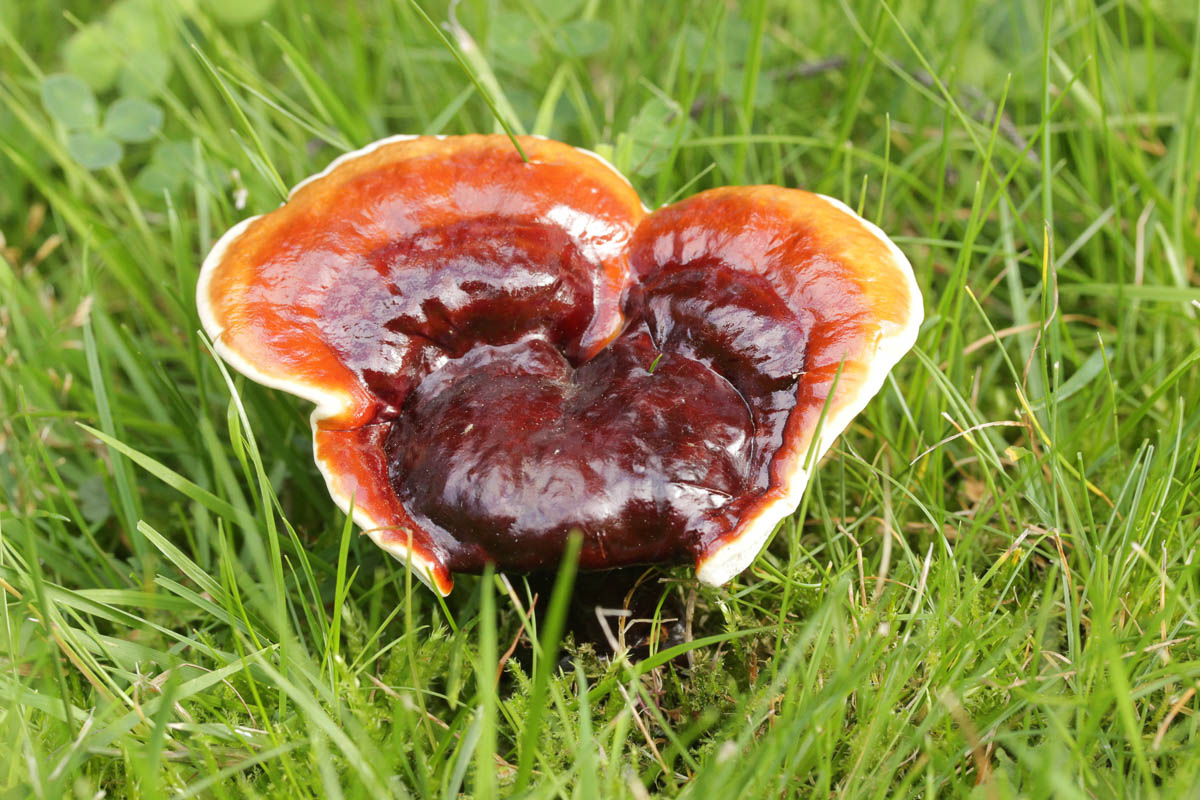
Reishi mushrooms (Ganoderma spp.) have been used in traditional Asian medicine for centuries and are sometimes referred to as the "mushroom of immortality." In countries like China and Japan, they are used as part of cancer treatment. Check out this PubMed study for more information.
These distinctive shelf-like mushrooms are usually reddish-brown with a shiny, lacquered appearance, which could explain the name. Ganoderma in Greek means brightness or sheen. Reishi mushrooms grow on living or dead trees, stumps, and buried roots, sometimes appearing to grow directly from the ground.
Reishi is best known for its potential immune-supporting properties and is also commonly used to promote relaxation, reduce stress, and support restful sleep. Much of the interest in reishi comes from its naturally occurring beta-glucans and triterpenes, compounds that have been studied for their immune-modulating, antioxidant, and anti-inflammatory properties.
Unlike lion's mane, reishi mushrooms are tough, woody, and bitter, so they're not typically cooked and eaten. Instead, they're commonly prepared as tea, tinctures, powders, capsules, and extracts.
Reishi is not common in our area because many species grow on hemlock and hardwoods like oak, beech, and elm. However, on a recent trip to Chicago, I did find what I believe to be a Ganoderma sessile. My niece also found quite a few. The only thing is, the one I found has a stipe (stalk), which is not common to Ganoderma sessile.
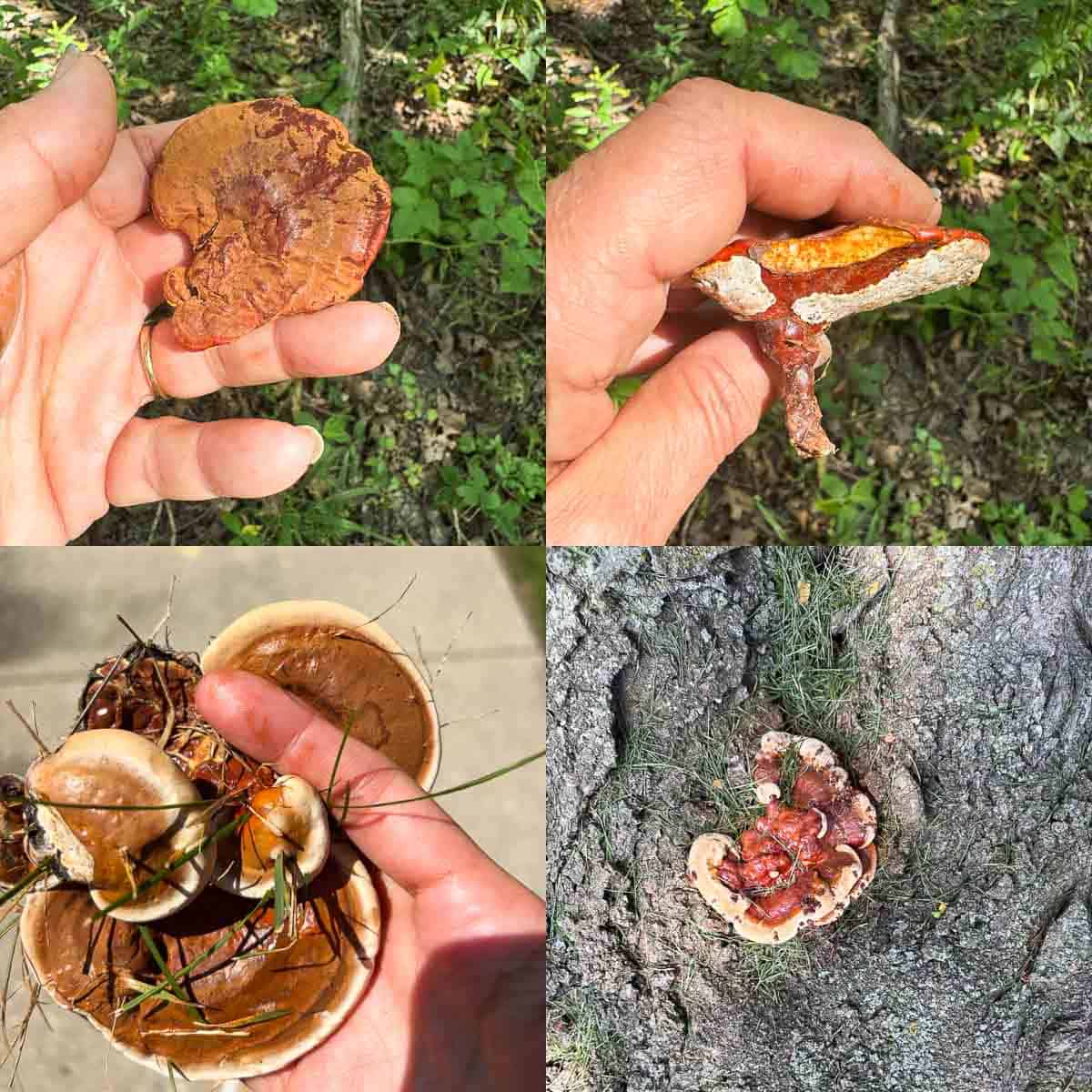
Western Reishi (Ganoderma oregonense), however, grows on conifers and can be found here in the West, but I've yet to find one.
Chaga
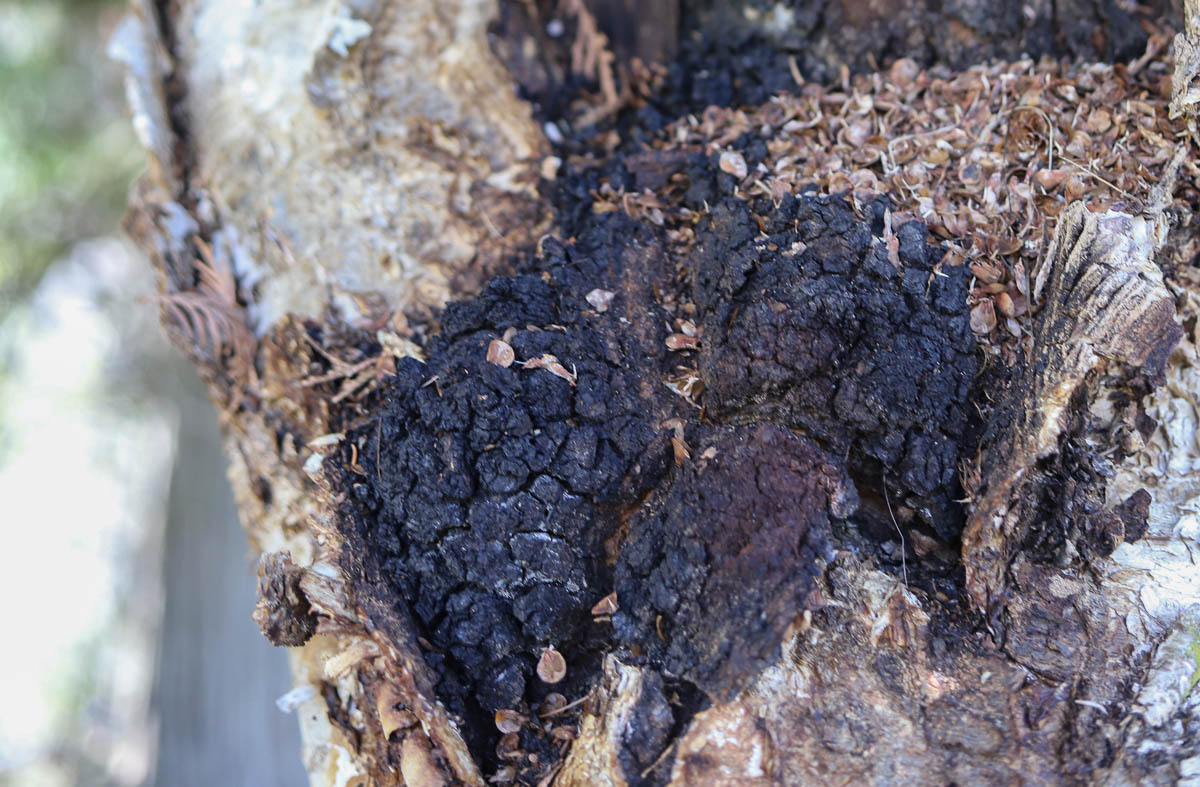
Chaga (Inonotus obliquus) is a medicinal fungus that grows primarily on birch trees in cold northern climates. Unlike most mushrooms, chaga doesn't have the typical cap-and-stem appearance. Instead, it forms a hard, irregular black mass called a conk, which looks a lot like a chunk of burnt wood. Inside, however, chaga has a distinctive rusty orange-brown color.
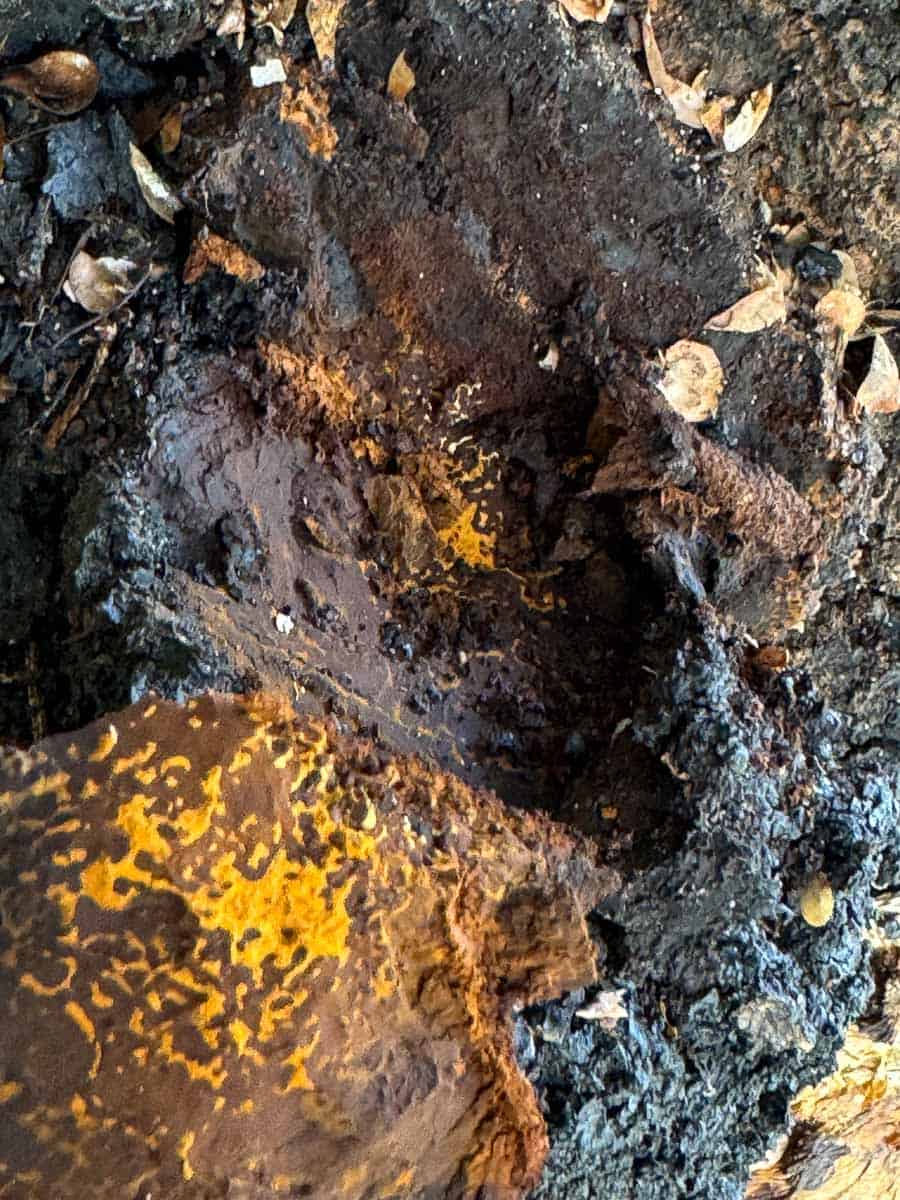
Chaga is rich in antioxidants and has traditionally been used to support immune health and overall wellness. It contains several beneficial compounds, including polysaccharides, beta-glucans, and polyphenols, which are being studied for their antioxidant, anti-inflammatory, and immune-supporting properties.
Unlike some of the other mushrooms on this list, I've been fortunate enough to find chaga in the wild numerous times here in Montana. There's something especially exciting about spotting that unmistakable black conk growing from a birch tree, especially when you've been intentionally searching for one!
Chaga is most commonly simmered to make a rich, earthy tea and can also be used to prepare tinctures and extracts. I use my wild-harvested chaga to make chaga tea and coffee, and I recently started my first chaga tincture.
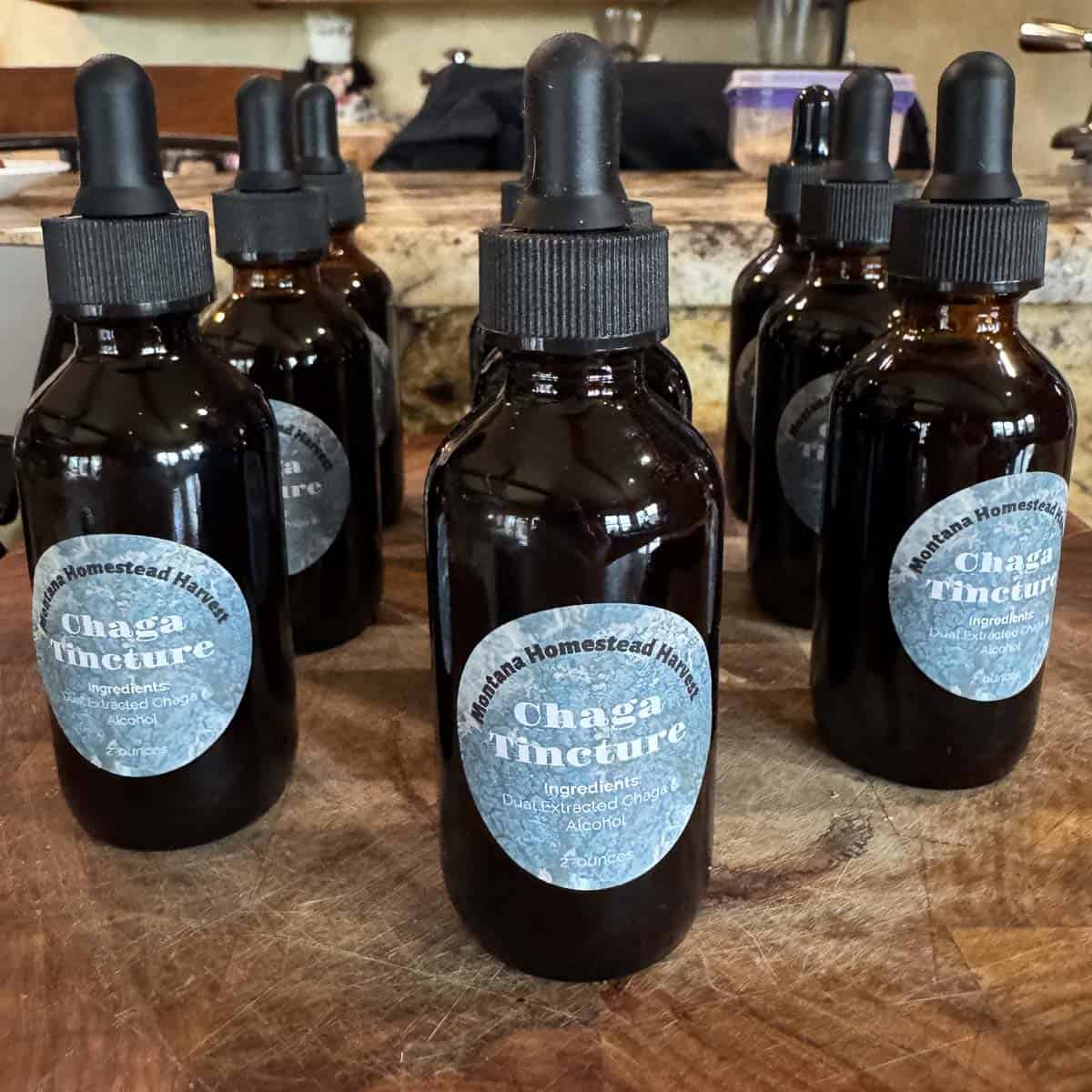
Some herbalists also prepare chaga using the spagyric method, which goes beyond a traditional dual extraction by recovering mineral salts from the remaining mushroom material and recombining them with the extract. Learn more about the spagyric method and why I choose not to use it.
Turkey Tail
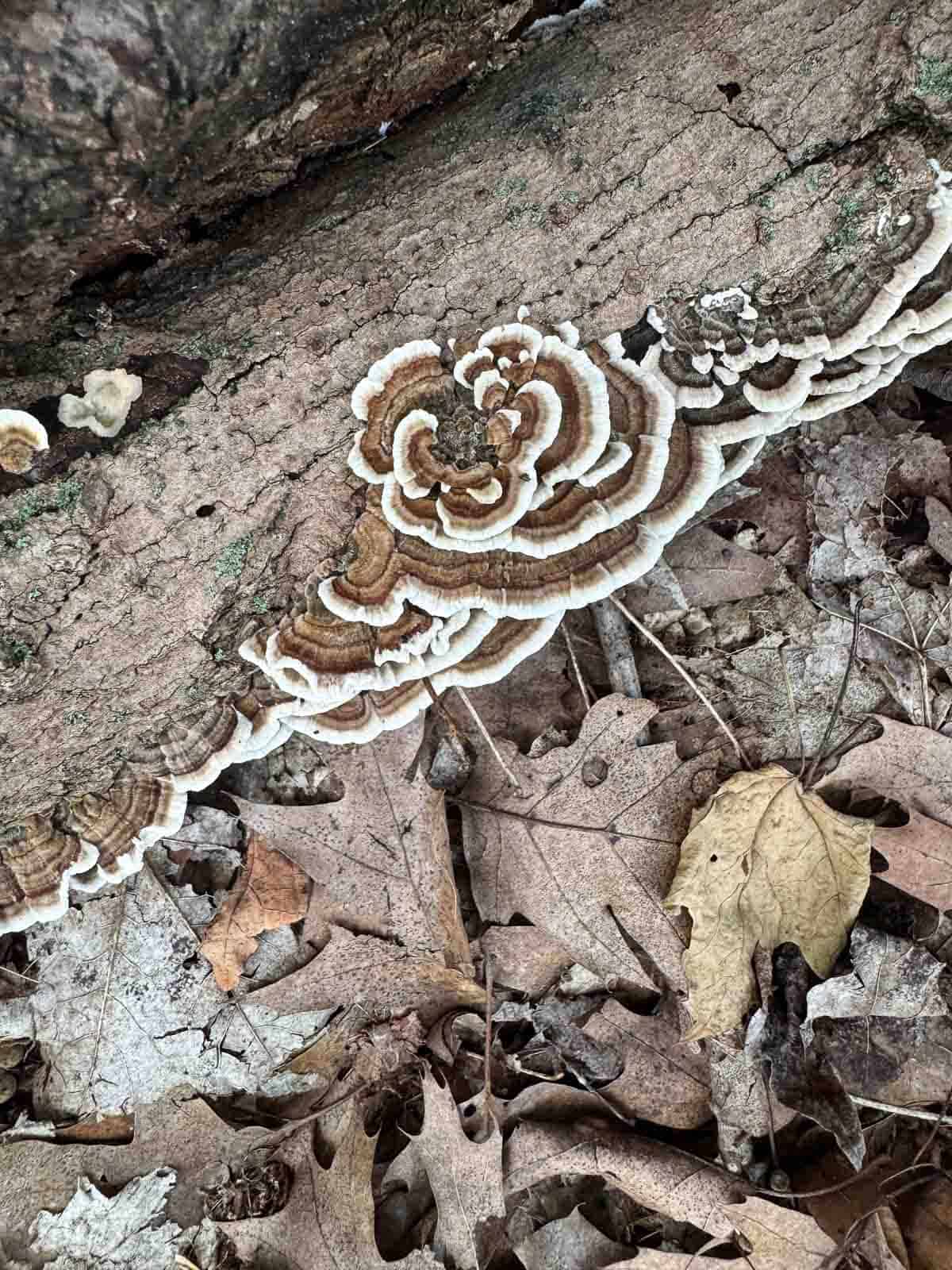
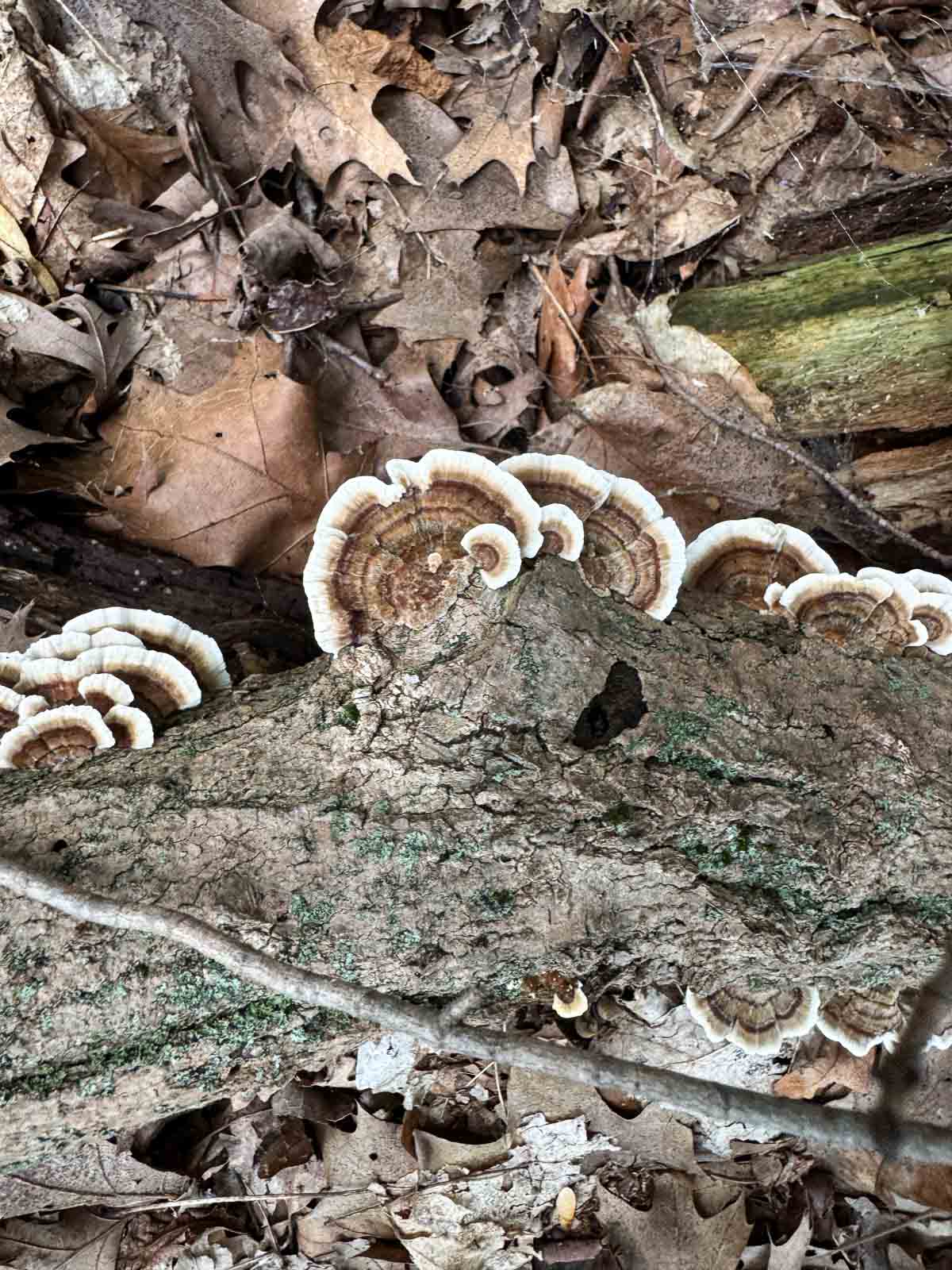
Turkey tail (Trametes versicolor) is one of the most recognizable medicinal mushrooms, named for its colorful, fan-shaped bands that resemble a turkey's tail. It grows on dead and decaying hardwood throughout much of the world and can be found in a beautiful range of colors, including shades of brown, gray, blue, orange, and cream.
Turkey tail is best known for its immune-supporting properties and contains beta-glucans and other polysaccharides that help support immune function. It's also considered a prebiotic, meaning its compounds may help nourish beneficial bacteria in the gut.
Perhaps most interesting is turkey tail's role in cancer research. Two compounds derived from turkey tail, PSK and PSP, have been extensively studied for their immune-modulating properties. In Japan, PSK has been used alongside conventional cancer treatments, particularly for certain gastrointestinal cancers. This doesn't mean turkey tail itself treats or cures cancer, but its role as a complementary therapy has made it one of the most researched medicinal mushrooms.
Because turkey tail is thin and tough rather than tender like an edible mushroom, it's typically prepared as a tea, tincture, powder, or extract rather than eaten as food.
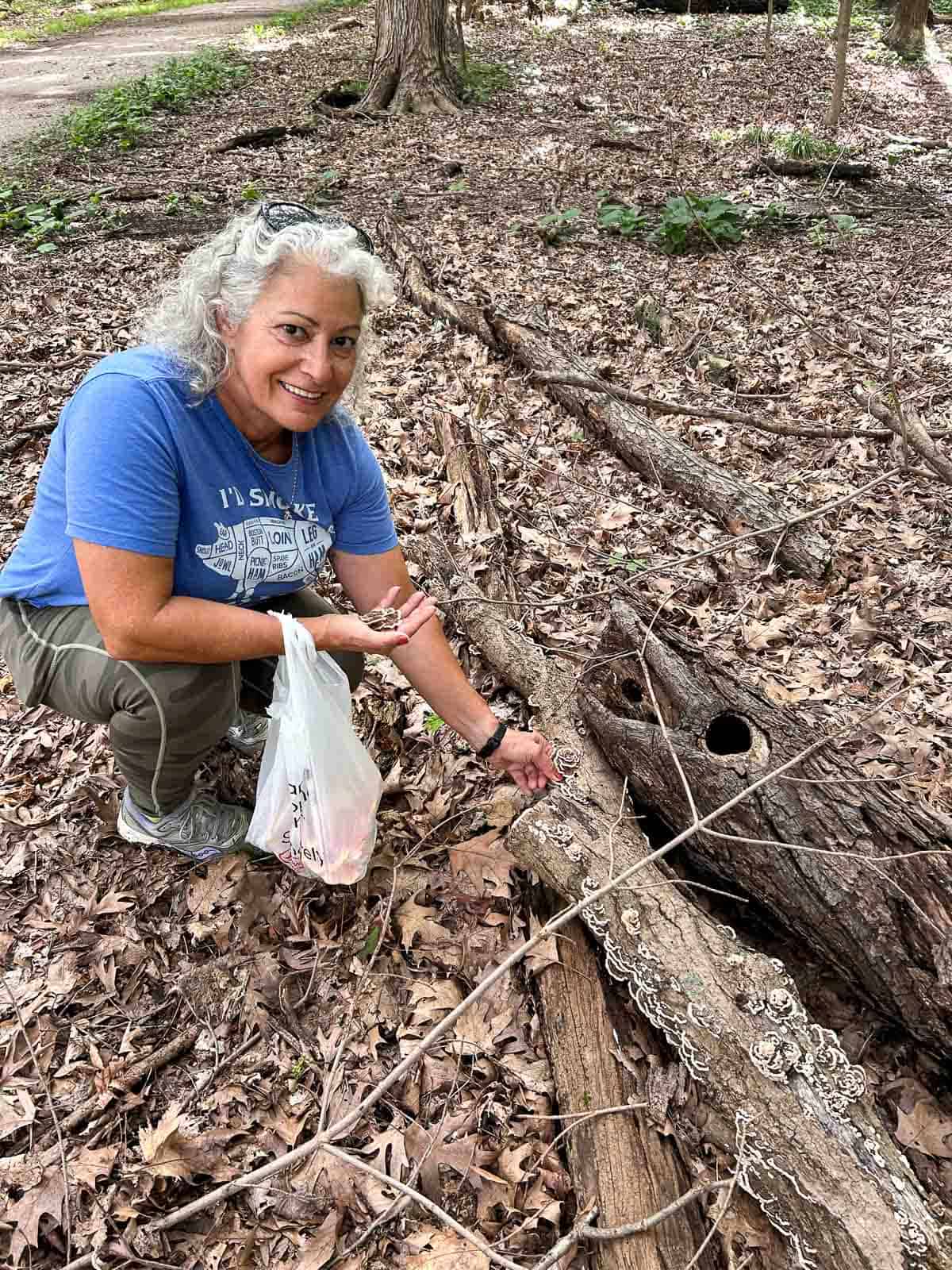
I found turkey tail in the wild for the first time while walking through the woods with my sister in the suburbs of Chicago, of all places! I even remember the exact location of the log I found it on. I plan to check it again later this year when I plan to visit.
Cordyceps
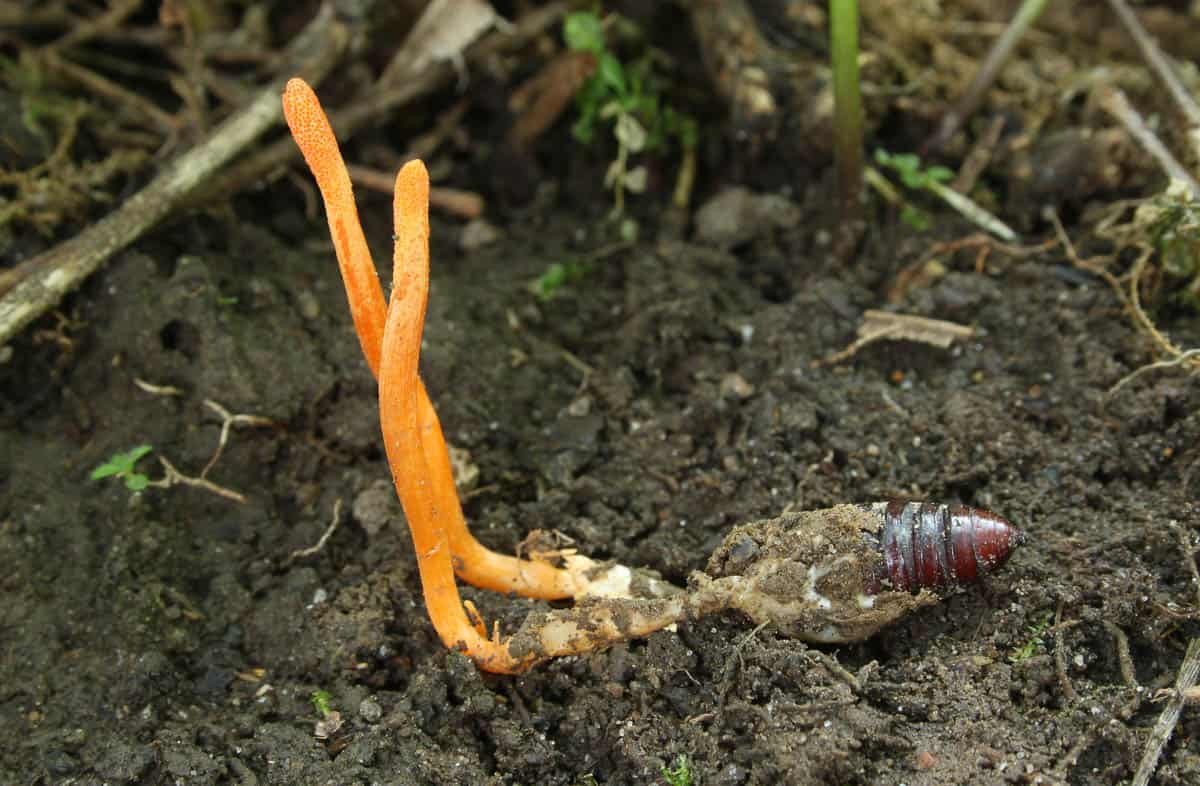
Cordyceps are unlike any of the other medicinal mushrooms on this list. Rather than growing on trees or decaying wood, these unusual fungi are parasitic, growing on insects and other arthropods. One commonly cultivated species, Cordyceps militaris, produces distinctive orange, club-shaped fruiting bodies and is widely used in supplements and medicinal mushroom products.
Cordyceps are best known for their potential to support energy, stamina, and exercise performance. They contain several bioactive compounds, including cordycepin, which has been studied for its antioxidant, anti-inflammatory, and other potential health-promoting properties.
I've never found cordyceps growing in the wild, and I'm not exactly holding my breath! I recently purchased dried cordyceps to experiment with and plan to use them to make a tincture. Cordyceps are also commonly available as powders, capsules, extracts, and as an ingredient in mushroom coffee blends.
Maitake
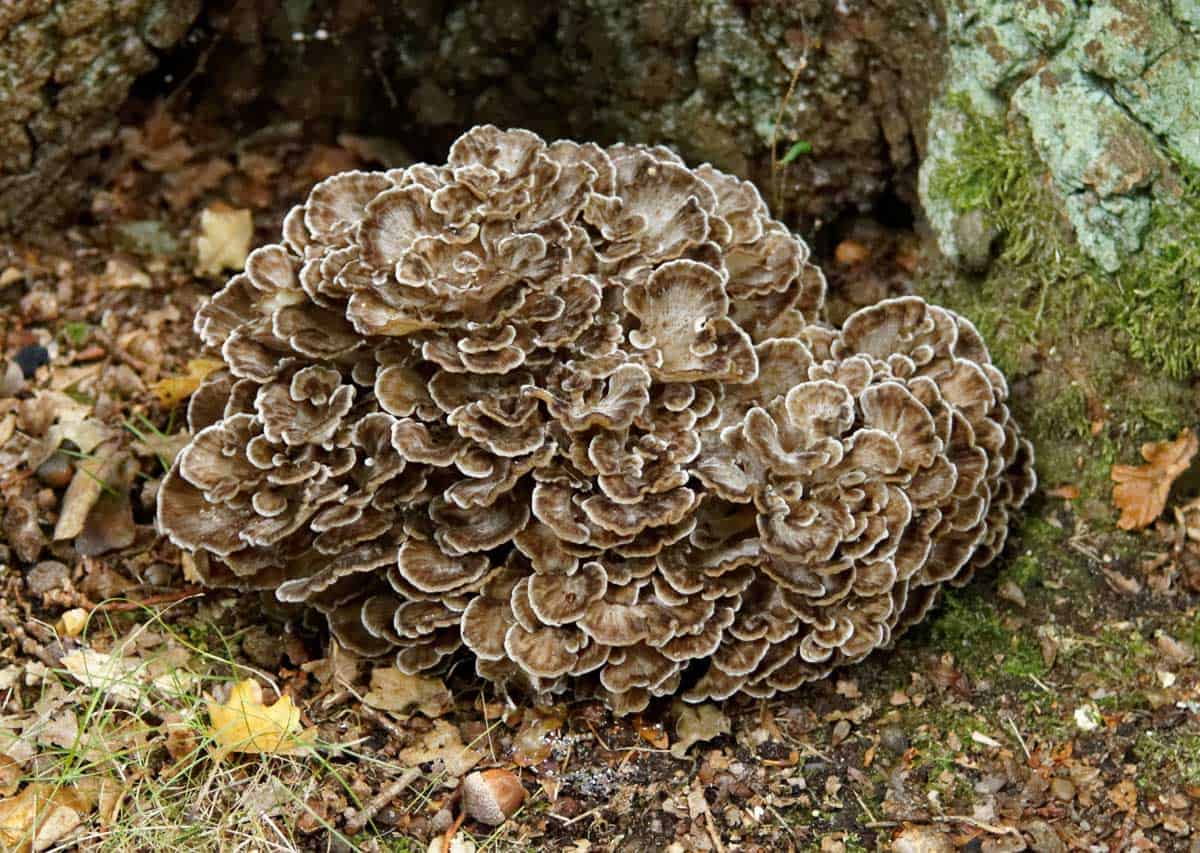
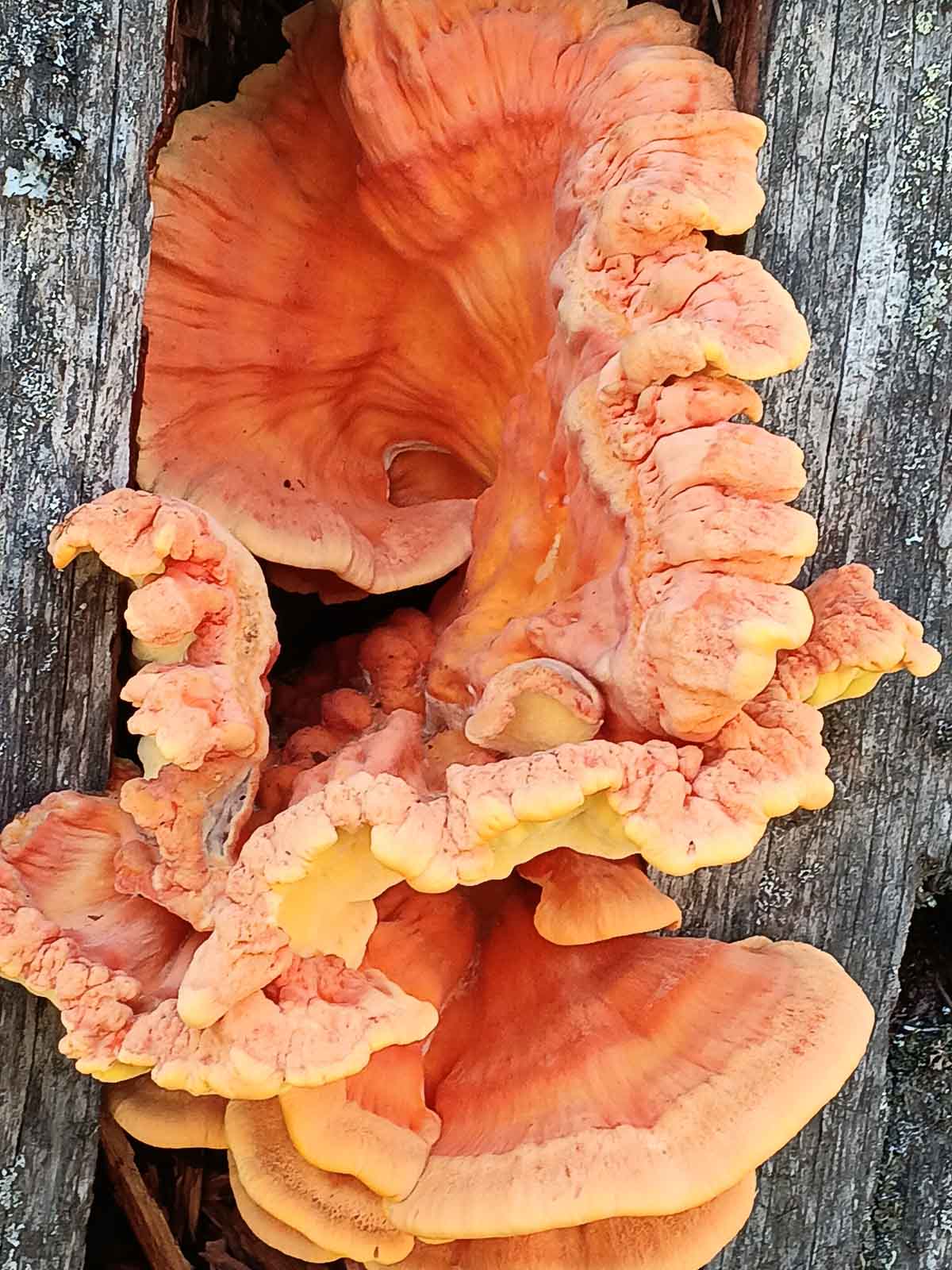
Maitake (Grifola frondosa), also known as "hen of the woods," is a large, edible mushroom that grows in clusters of overlapping, fan-shaped caps, usually at the base of mature hardwood trees, especially oaks. Despite the similar name, hen of the woods should not be confused with chicken of the woods, another edible wild mushroom that looks and tastes quite different.
Maitake is valued as both a culinary and medicinal mushroom. Like many medicinal mushrooms, it's rich in beta-glucans and is best known for its potential immune-supporting properties. Maitake has also been studied for its possible effects on metabolic health, including blood sugar regulation, although more human research is needed to fully understand these benefits.
I've never found maitake growing in the wild, but it's definitely one I'd love to find someday. I recently purchased dried maitake to make a tincture and experiment with alongside some of the other medicinal mushrooms in this article.
Unlike tougher medicinal mushrooms such as reishi and turkey tail, maitake is also a prized edible mushroom. Fresh maitake can be sautéed, roasted, added to soups and other dishes, while dried maitake can be used to make tea, tinctures, powders, and extracts.
Red Belted Polypore
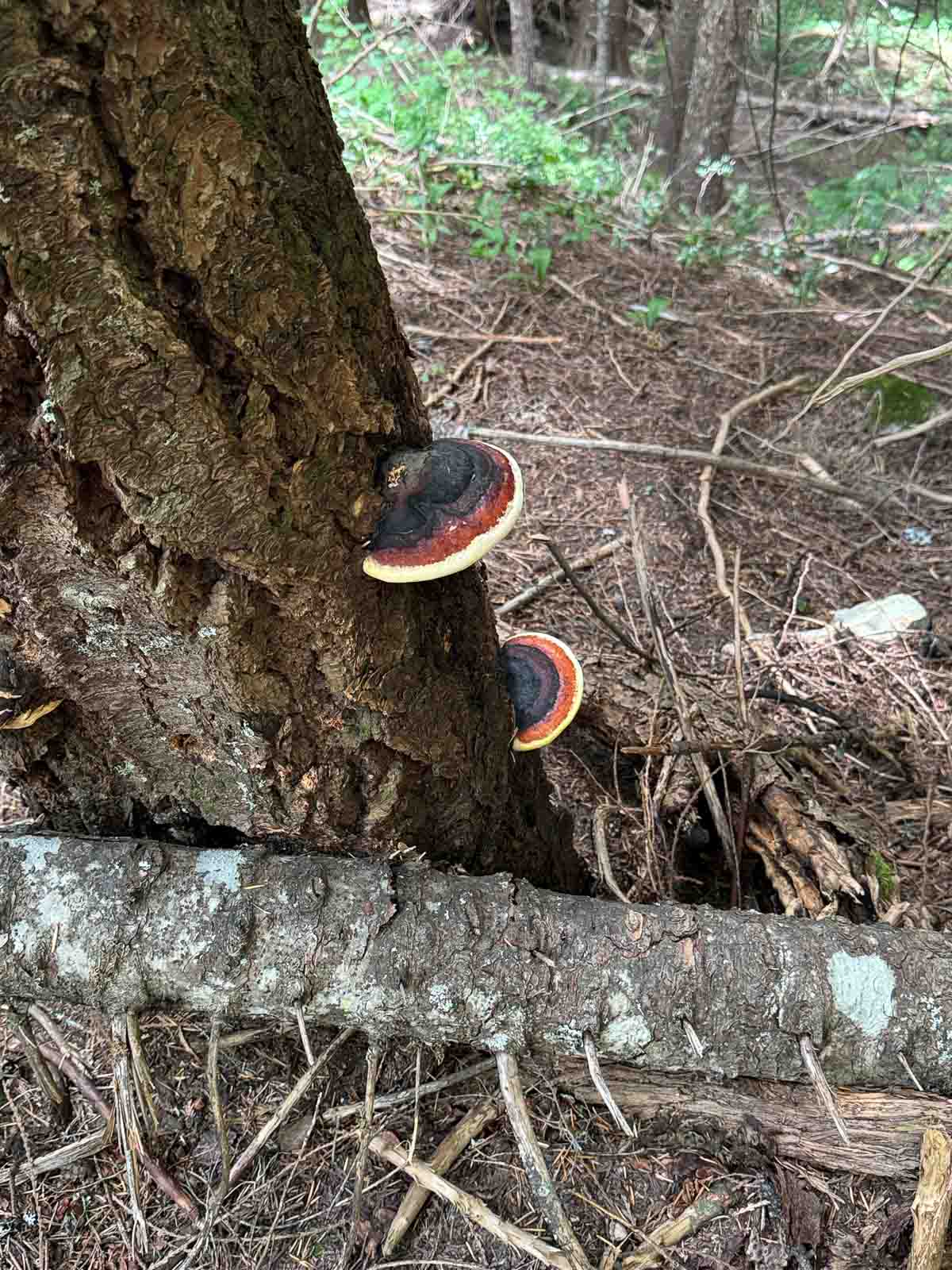
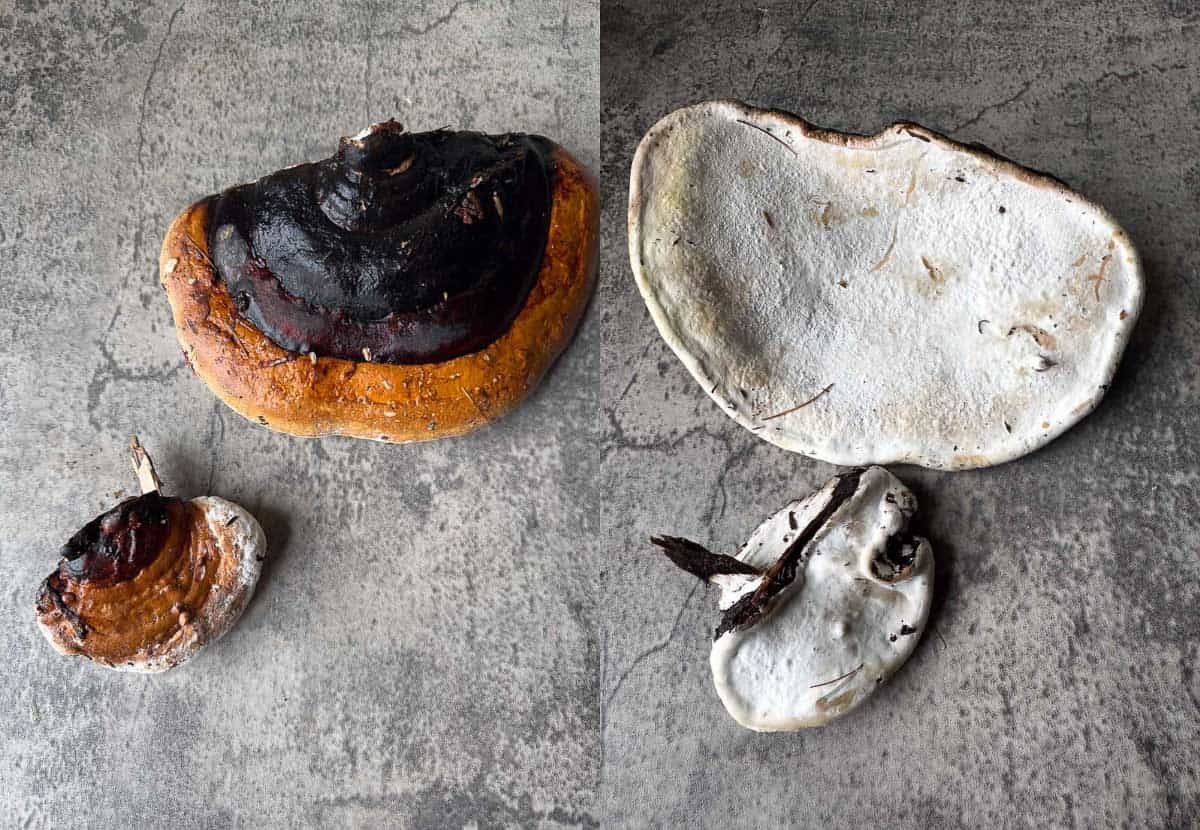
Red belted polypores (Fomitopsis spp.) are large, woody bracket fungi commonly found growing on dead and dying conifers. They're named for the reddish-orange band that often develops near the outer edge of the cap, although their appearance can vary considerably with age.
Like many medicinal mushrooms, red belted polypores contain polysaccharides and other bioactive compounds that are being studied for their potential antioxidant, immune-supporting, and anti-inflammatory properties. Preliminary research has also explored possible antimicrobial and anti-tumor activity, although much of this research is still in the early stages and should not be confused with proven benefits in humans.
Unlike some of the other medicinal mushrooms on this list, I don't have to search very hard to find red belted polypores! I can find them on our property and throughout the surrounding woods here in Montana. In fact, once I learned how to identify them, I started noticing them everywhere.
Because red belted polypores are tough and woody, they're not edible. I harvest them to make red belted polypore tincture, which has become one of my favorite ways to put this abundant local mushroom to use.
Despite its mushroom-like appearance, ghost pipe isn't a mushroom at all. Learn how to identify this fascinating woodland plant in my Ghost Pipe Identification Guide.
Pro Tips
- Never consume a wild mushroom unless you're 100% certain of its identification.
- When foraging for medicinal mushrooms, harvest responsibly and leave plenty behind.
- Tough, woody mushrooms like reishi, turkey tail, and red-belted polypore aren't typically eaten like culinary mushrooms. They're better suited to decoctions, tinctures, and extracts.
- If you're new to medicinal mushrooms, introduce one at a time rather than starting five different ones at once.
- Consider potential medication interactions and health conditions before using concentrated mushroom supplements or extracts.
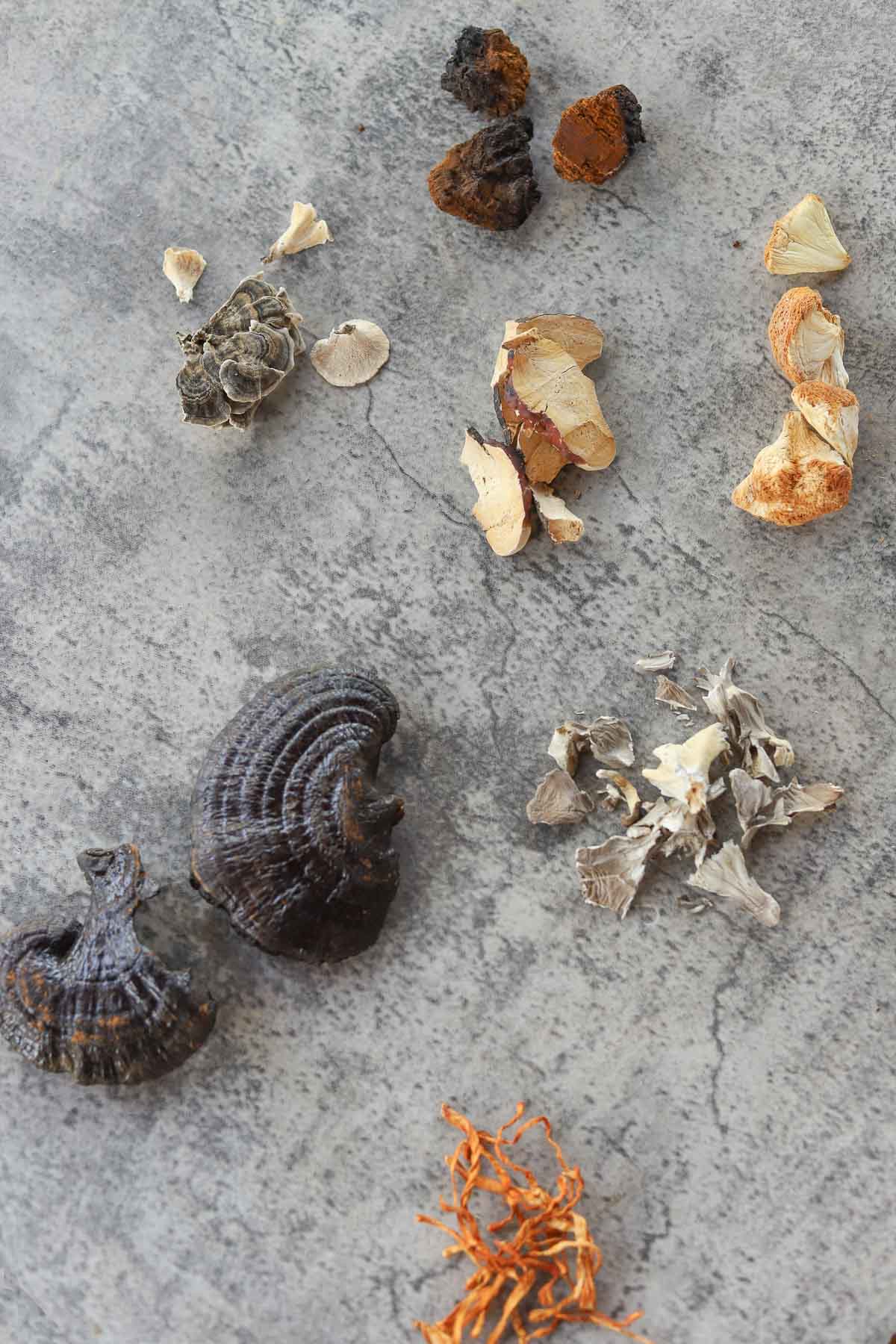
The more I learn about medicinal mushrooms, the more fascinated I become by these incredible fungi! Whether I'm foraging chaga and red-belted polypores in the Montana woods, experimenting with homemade tinctures, or simply adding mushroom powder to my morning coffee, I'm always looking for new ways to incorporate medicinal mushrooms into my wellness routine.
If you're new to medicinal mushrooms, start by exploring one or two that interest you most, and always positively identify any wild mushrooms before using them. Who knows, you may soon find yourself wandering through the woods staring at every tree and fallen log. Trust me, it happens! 🍄
More Mushroom-Related Posts
If you enjoyed this medicinal mushrooms list and their uses post, check out these other mushroom-related posts!


Comments
No Comments