
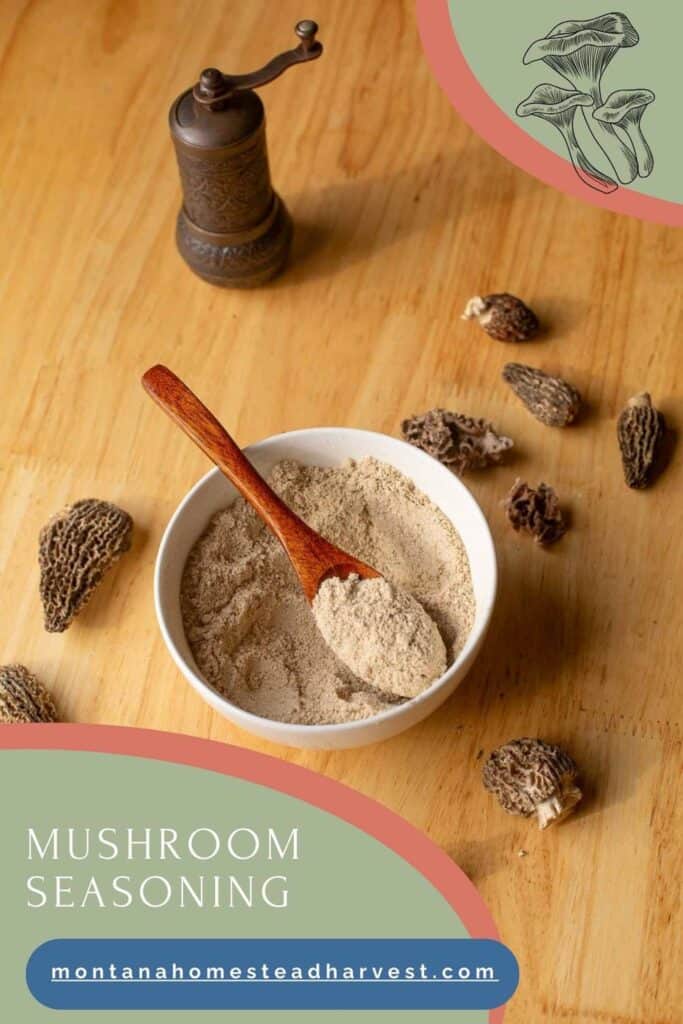
This Umami Mushroom seasoning is a pantry staple that you can sprinkle on practically everything. Whether you're working with foraged freeze dried mushrooms or store-bought dried mushrooms, this is an easy, practical way to preserve mushrooms and add umami flavor to your favorite dishes.
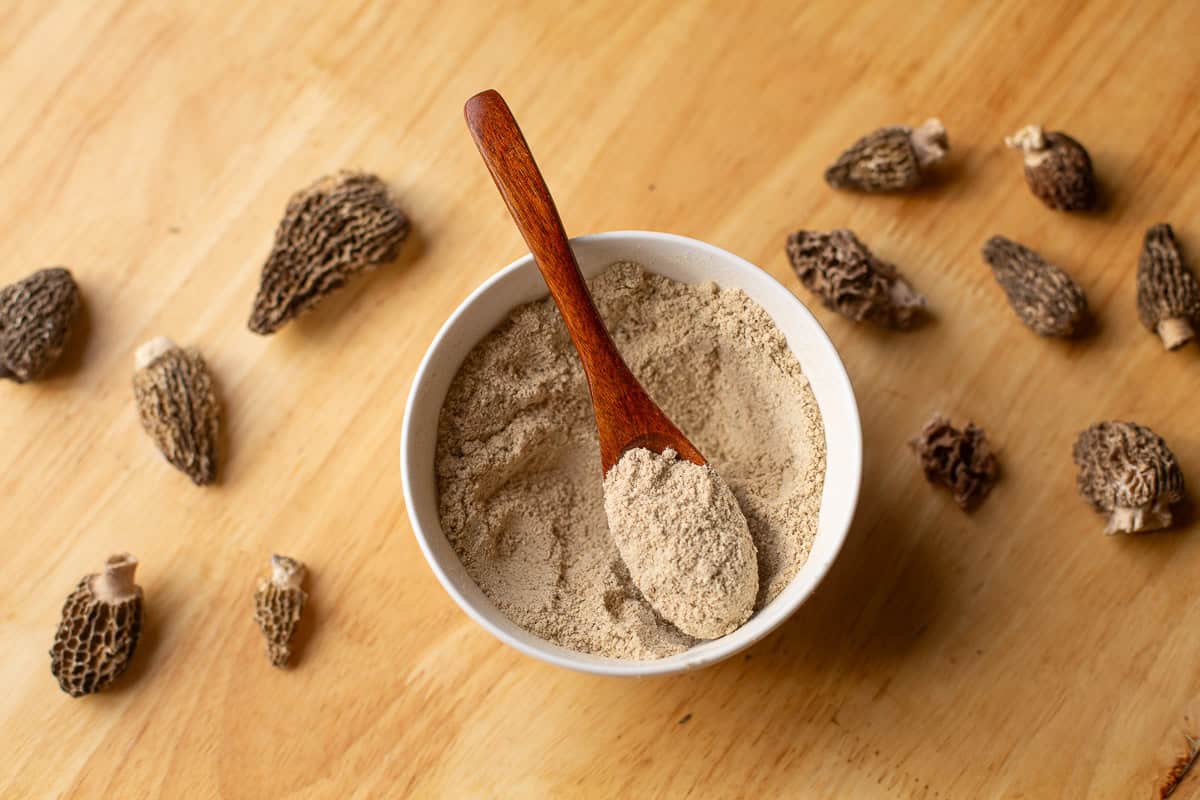
This simple homemade mushroom seasoning transforms dried mushrooms into a rich, savory powder that adds instant umami to soups, eggs, sauces, gravies, roasted veggies, and meats.
Jump to:
What is Mushroom Seasoning?
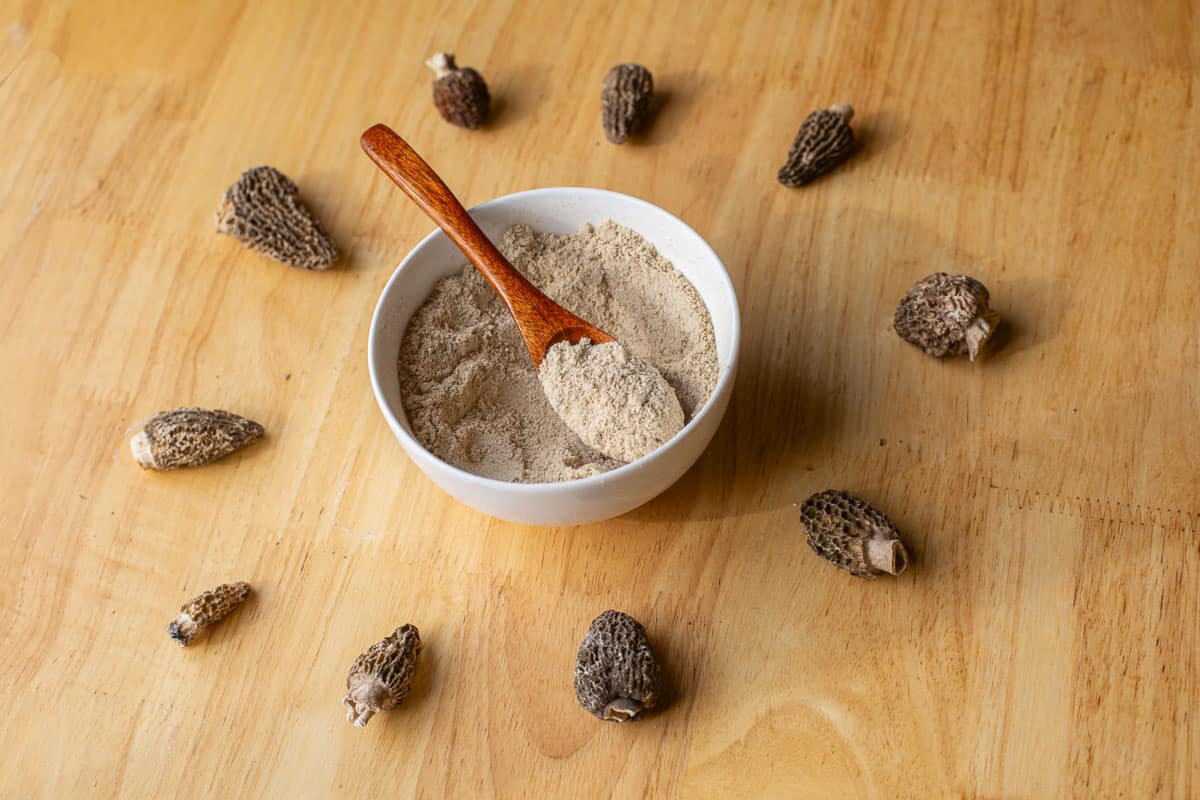
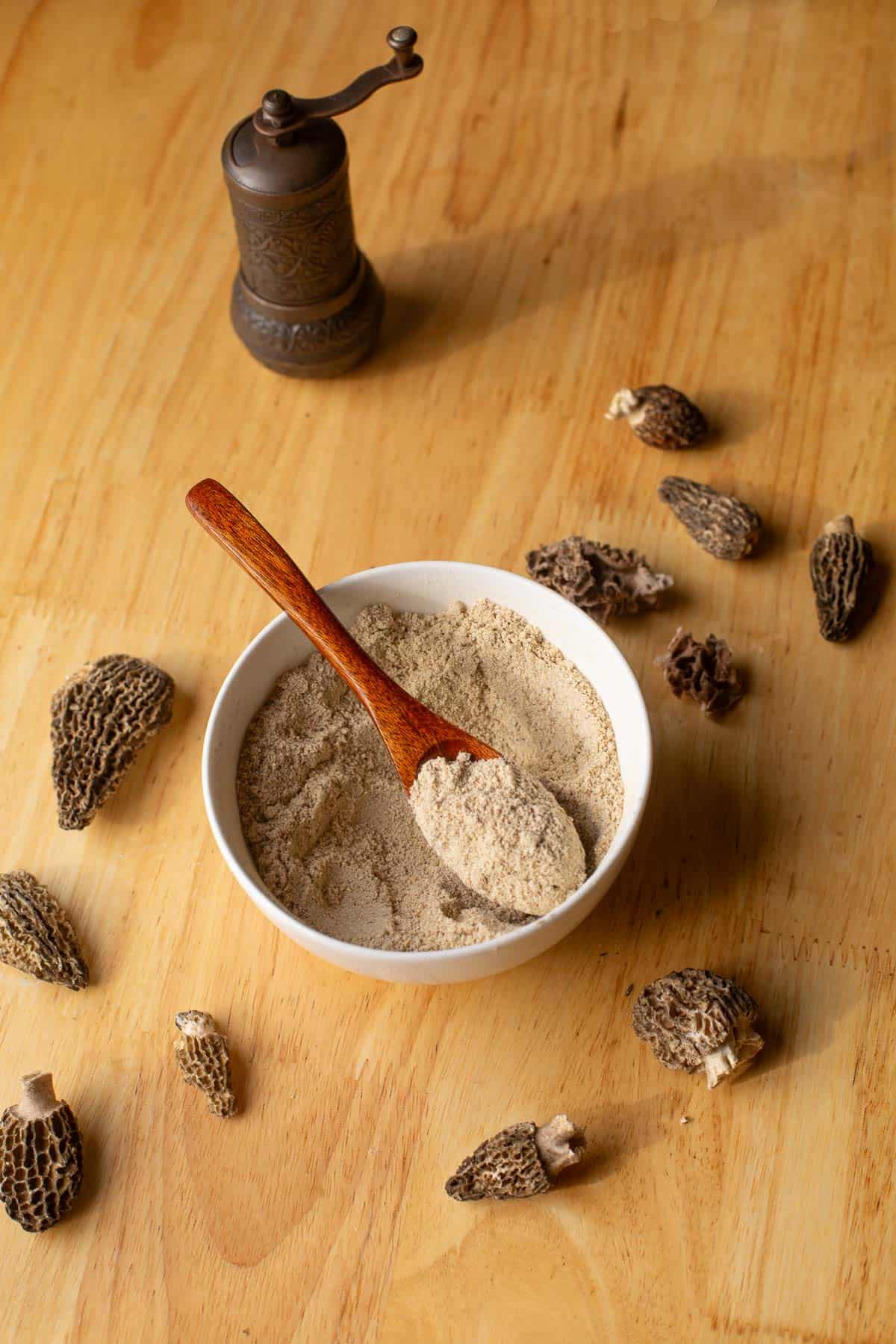
It's an umami seasoning prepared by grinding dried mushrooms into a powder. I prefer to freeze-dry a variety of mushrooms that I forage throughout the year (morels, porcini, fried chicken mushrooms, chicken of the woods, or chanterelles), then blend them into a powder using a spice or coffee grinder.
If you are not a mushroom forager, no biggie; you can still make this seasoning with dried store-bought mushrooms. Some great options include cremini (baby bella), white button, and shiitake mushrooms. Although you can stop there, I like to include a few other ingredients to make it a more balanced spice mix. I add sea salt, white pepper, garlic powder, dried thyme, and MSG to boost the flavor even more!
We'll talk more about MSG later in this post. Here's the spoiler alert: it's not as bad for you as you've been led to believe!
Ingredients & Substitutions
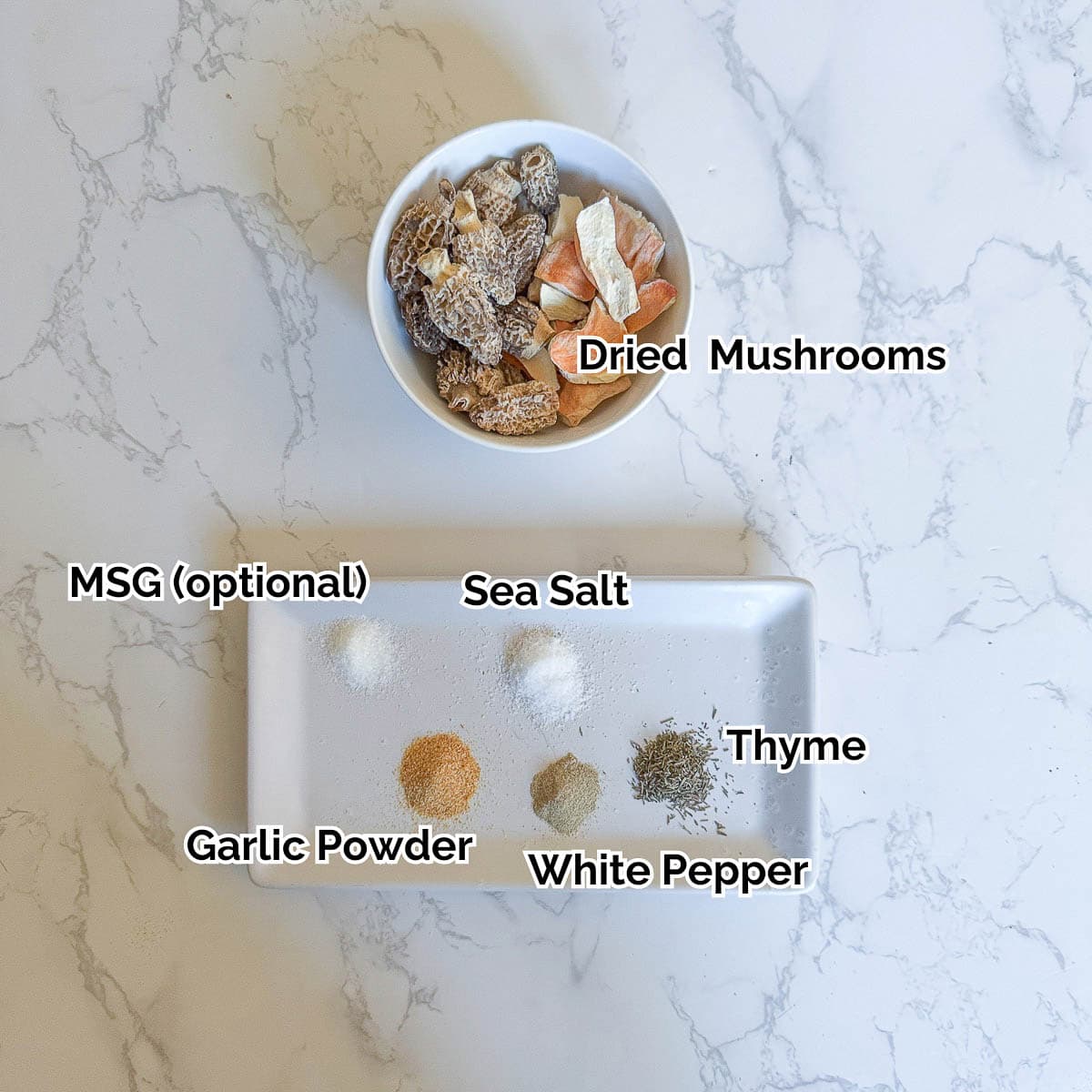
- Dried Mushrooms: A mixture of dried mushrooms, blended into a powder. This time around, I'm using foraged morels and chicken of the woods. Other great options include shiitake, chanterelles, and cremini.
- Seasoning: Sea salt, white pepper, garlic powder, dried thyme, and MSG, which I'm keeping as an optional ingredient, but it does boost the umami flavor of the seasoning mix.
If you're after pure mushroom flavor, you can absolutely make mushroom seasoning with just ground mushroom powder. I like adding the other ingredients to turn it into a well-rounded seasoning blend.
*See recipe card for quantities.
How to Dry Mushrooms
There are various methods of drying mushrooms. My favorite is using a freeze-dryer, which removes moisture while retaining all the nutrients. However, I understand that not everyone has a freeze dryer. Other drying methods include the following:
- Dehydrator: Slice mushrooms into uniform pieces and arrange on dehydrator trays; leave plenty of room for air circulation. Set dehydrator to 125-135°F (52-57°C) and dehydrate for 6-12 hours, depending on their thickness, and the mushrooms used (some have more moisture than others).
- Air-drying: Slice mushrooms into uniform slices, then thread onto a string using a needle. Hang in a warm, dry, ventilated area. Or arrange slices in a single layer on a wire rack or screen. Pick an area that's low in humidity, somewhere between (65-85°F); a fan can be helpful. Avoid kitchens or damp areas. Drying time can be anywhere from 3 to 7 days.
- Oven-drying: Arrange sliced mushrooms on wire racks placed over baking trays. Preheat oven to 170°F or lowest setting. If your oven doesn't go that low, leave the door cracked open using a wooden spoon. Drying time can take anywhere from 3 to 4 hours. Rotate pans and flip mushrooms as needed for even drying.
Pro Tip: Whichever method you decide to use, make sure the mushrooms are dry and brittle. If there is any moisture remaining, mold will develop.
How to Make Mushroom Seasoning
Before drying the mushrooms, clean them by using a damp cloth or a mushroom cleaning brush to wipe dirt off.
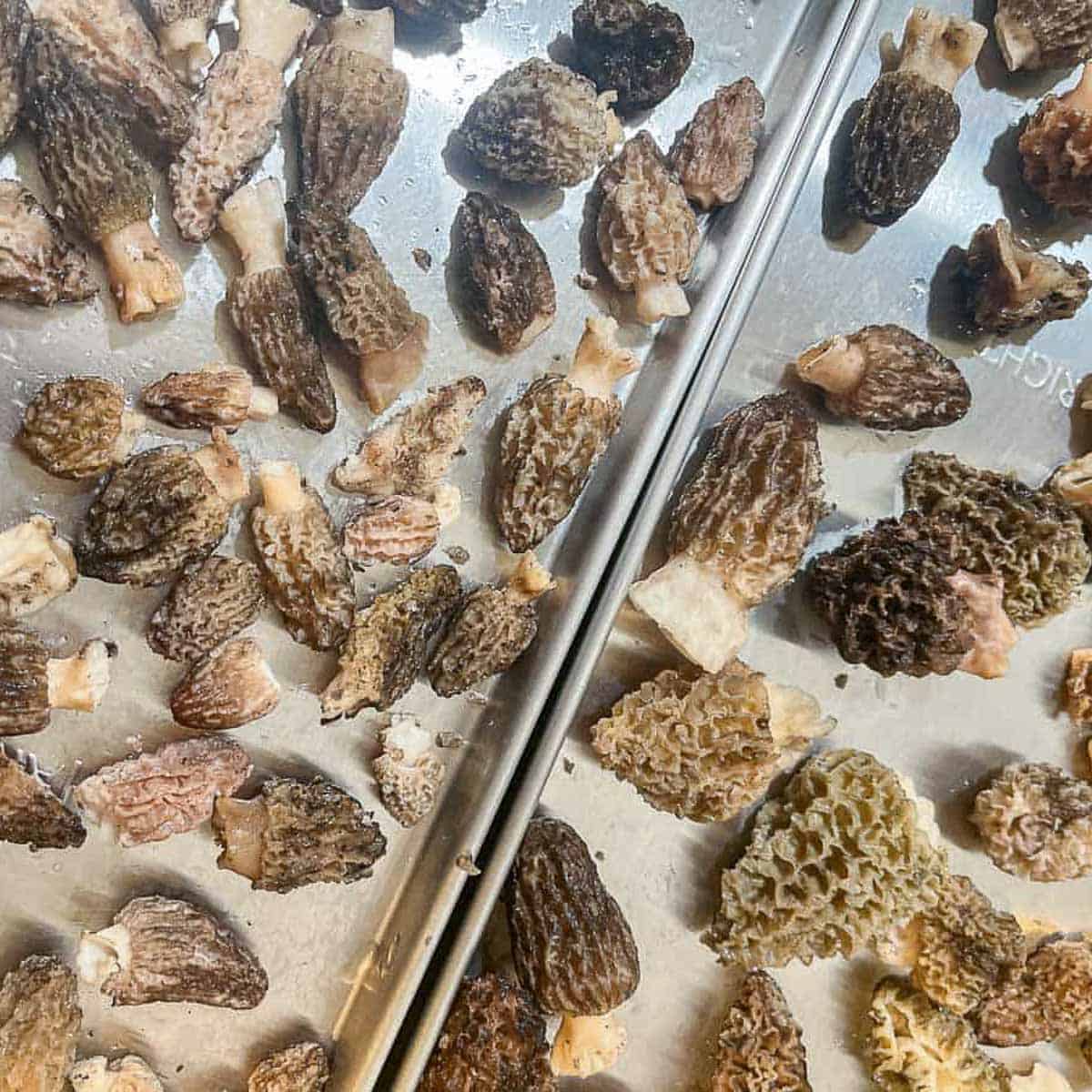
- Fully dry mushrooms, then break them into pieces if needed.
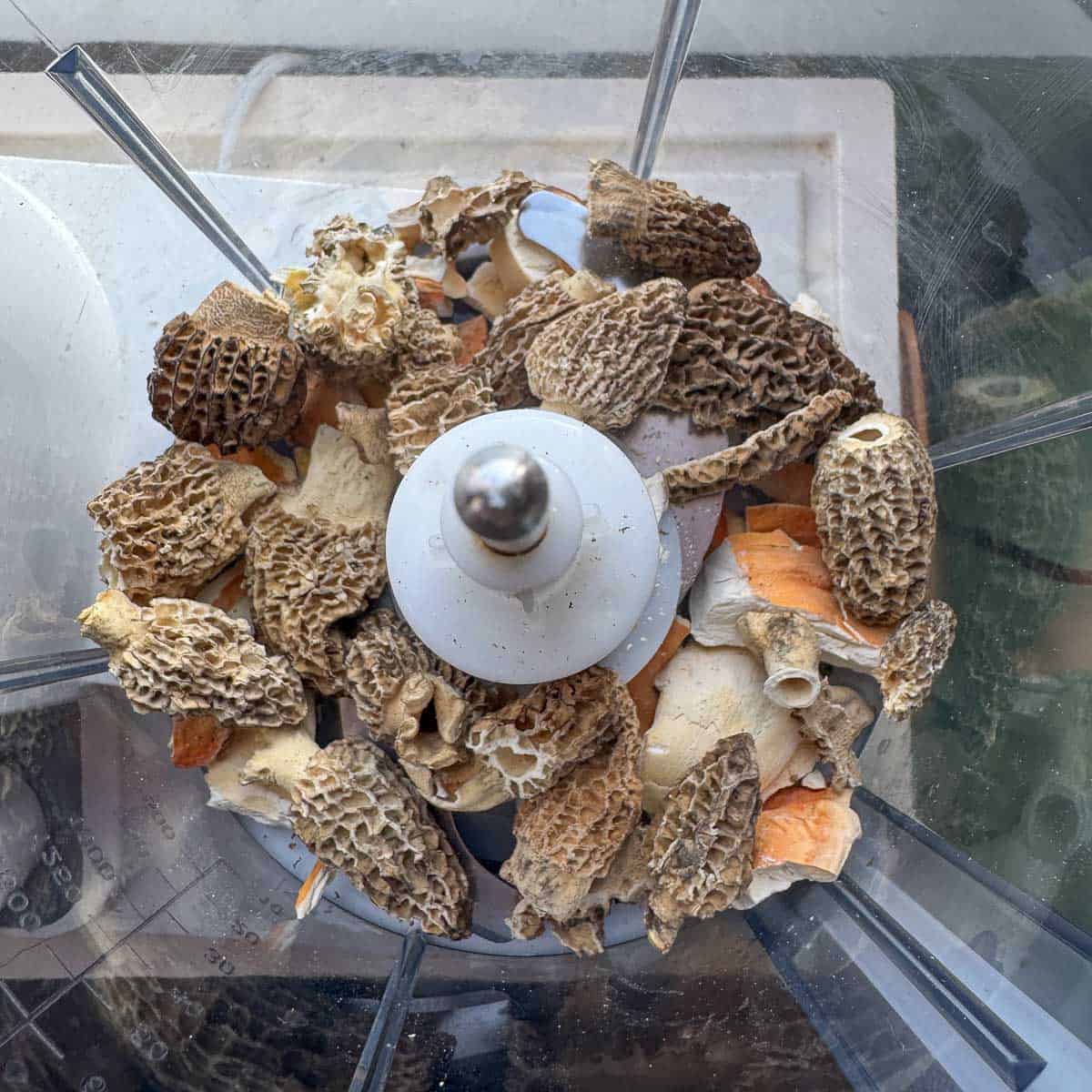
- Grind the mushrooms using a coffee grinder (preferable), food processor, or blender until they are finely ground.
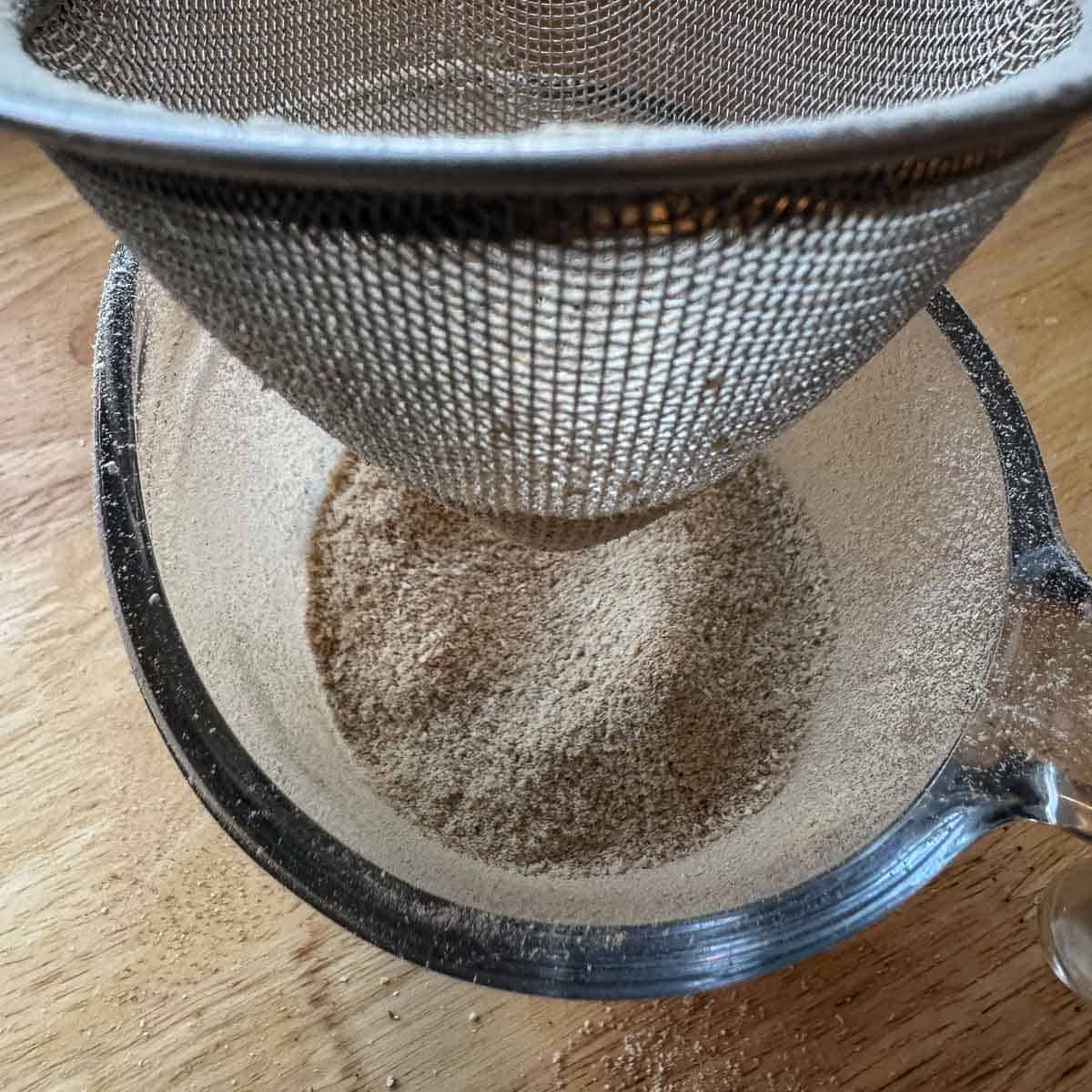
- If the mixture is chunky, sift larger pieces with a fine mesh sieve until you have a fine mushroom powder.
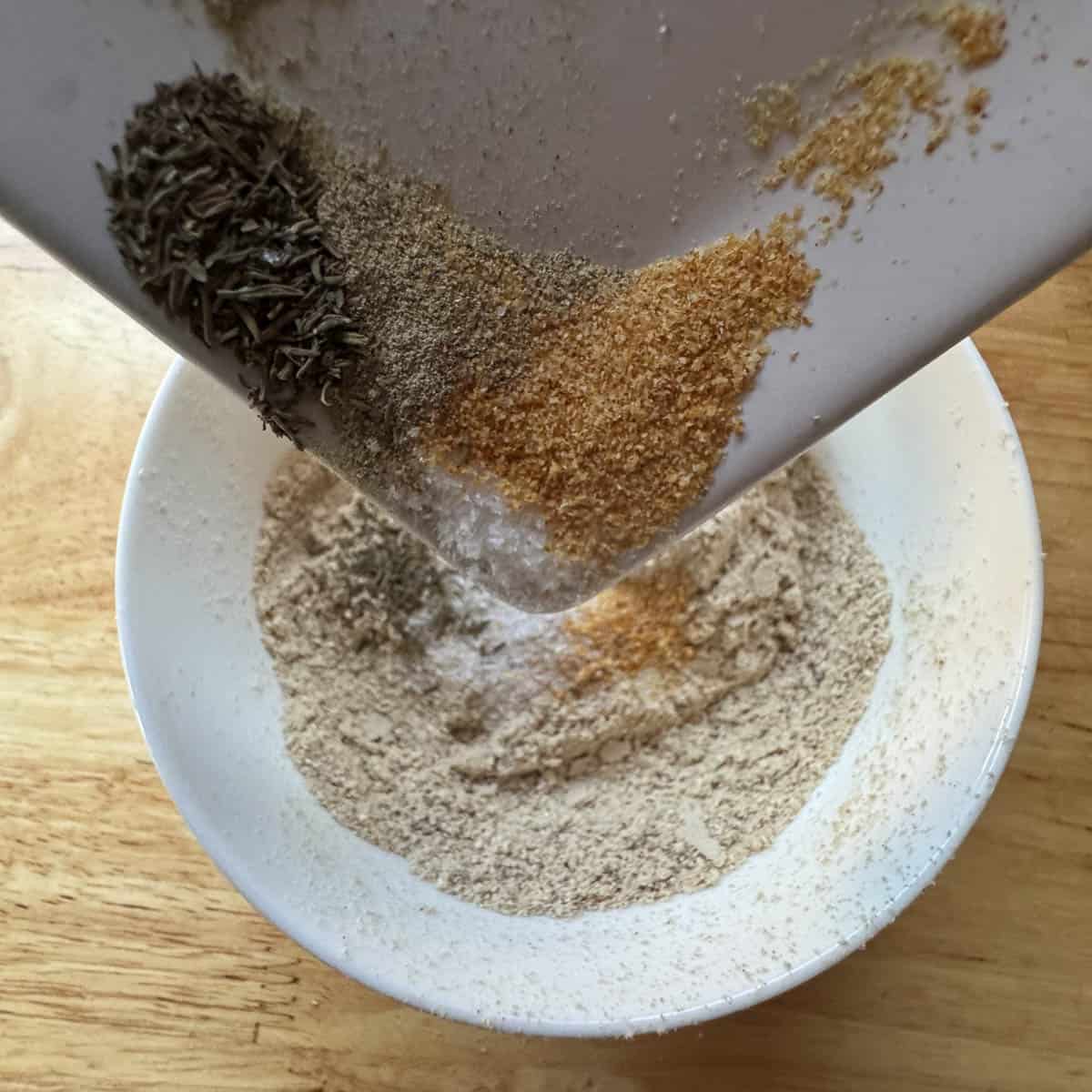
- Mix in thyme, garlic powder, salt, pepper, and MSG (optional) until evenly blended.
How to Store Mushroom Seasoning
Pour seasoning into an airtight container or a spice jar and store in a cool, dry location for up to 12 months. Toss in an oxygen absorber or a moisture-absorbing silica packet.
How to Use Mushroom Seasoning
This mushroom seasoning can be used to season a giant puffball mushroom omelette, soups, stews, stir-fries, sauces, steaks, and burgers. Some even add it to popcorn (I tried it, not a fan). You can also mix it into the batter of this crispy vegan fried chicken or add some to the broth the next time you're canning bone broth.
This seasoning also makes a great gift; Just slap a cute label on the jar (see downloadable label towards the bottom of the post), and it's ready for gifting!
Is MSG Bad for You?
Monosodium glutamate (MSG) has a long history of being misunderstood. It was first identified in 1908 by Kikunae Ikeda, who isolated the naturally occurring glutamates responsible for the savory taste known as umami. Despite lingering myths, decades of research have demonstrated that MSG is safe for the general population, and it naturally occurs in foods such as mushrooms, tomatoes, cheese, and seaweed.
Whether umami comes from dried mushrooms, added MSG, or a combination of both, it's simply a concentrated form of a flavor humans have enjoyed for centuries.
Equipment
To make this recipe, you'll need a dehydrator, freeze-dryer, or oven to dry the mushrooms first. You'll also need a coffee grinder to grind the mushrooms into a powder and a spice jar for storing it.
Pro Tips
- For a fine, restaurant-quality seasoning, sift the powder and regrind any larger bits.
- Avoid storing the seasoning in a plastic container. Glass jars with tight-fitting lids preserve flavor longer and don't absorb odors. If using a mason jar, a mason jar vacuum can be used to vacuum-seal the jar.
- If the flavor of the seasoning fades over time, add a pinch of freshly ground dried mushrooms to revive it.
FAQ
Yes, salt can easily be left out. It may even be an advantage, allowing the one cooking with it to adjust the salt level as needed.
It has a deep, savory, umami-rich flavor. Think earthy, meaty, and slightly nutty, without actually tasting like mushrooms. It adds richness and depth to foods similar to broth or Parmesan. Depending on the blend, you may also notice subtle garlicky, herby, or peppery notes that make simple dishes taste more complex and satisfying.
No, mushrooms need to be fully dried before grinding them into a seasoning mix. If not, the seasoning will spoil.
No. Mushroom seasoning contains naturally occurring glutamates from dried and ground mushrooms, not added monosodium glutamate. However, some recipes do have added MSG.
More Mushroom Posts
If you enjoyed this umami mushroom seasoning recipe, you might also love chaga tea and these other related posts!


Recipe

Umami Mushroom Seasoning Powder
Equipment
Ingredients
- 1 cup dried mushrooms
- ½ teaspoon thyme
- ½ teaspoon garlic powder
- ½ teaspoon sea salt (optional)
- ¼ teaspoon white pepper
- ¼ teaspoon MSG (optional)
Instructions
- Fully dry mushrooms, then break them into pieces if needed.
- Grind the mushrooms using a coffee grinder (preferable), food processor, or blender until they are finely ground.
- If the mixture is chunky, sift larger pieces with a fine mesh sieve until you have a fine mushroom powder.
- Mix in thyme, garlic powder, salt, pepper, and MSG (optional) until evenly blended.
Storage
- Pour mushroom seasoning into an airtight container or a spice jar and store in a cool, dry location for up to 12 months. Toss in an oxygen absorber or a moisture-absorbing silica packet.
Notes
- For a fine, restaurant-quality seasoning, sift the powder and regrind any larger bits.
- Avoid storing the seasoning in a plastic container. Glass jars with tight-fitting lids preserve flavor longer and don't absorb odors. If using a mason jar, a mason jar vacuum can be used to vacuum-seal the jar.
- If flavor fades over time, add a pinch of freshly ground dried mushrooms to revive it.
Hilda Sterner says
I hope you try this recipe soon!
Bill Saliken says
Love it!
Hilda Sterner says
Thanks, Bill, appreciate your comment and review!