
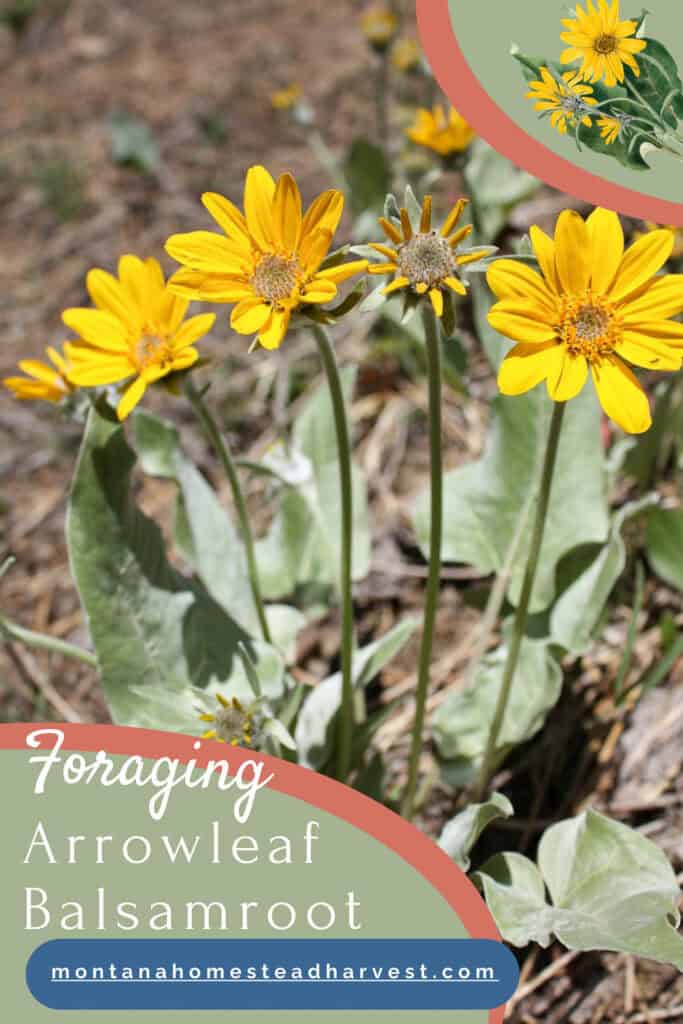
Every spring, Montana hillsides light up with bright yellow arrowleaf balsamroot blooms. Sometimes mistaken for arnica, these hardy native plants are also known as Oregon sunflower, spring sunflower, and breadroot. This plant is not only beautiful, but also has a long history of use as food and medicine by Indigenous peoples throughout the western United States.
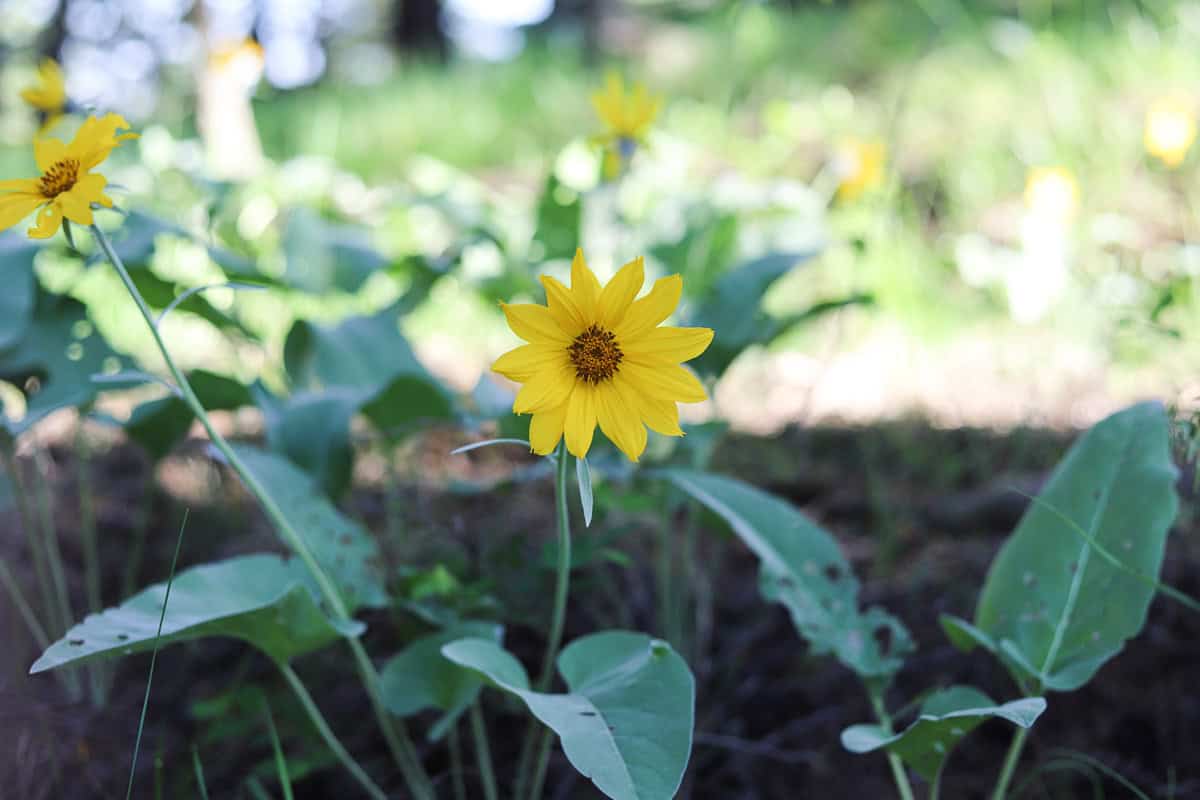
If you've ever spent any time hiking the hillsides of the American West in spring, you've almost certainly walked right past a field of arrowleaf balsamroot without knowing what you were looking at. I know I did that year after year until I finally took the time to learn about this amazing plant!
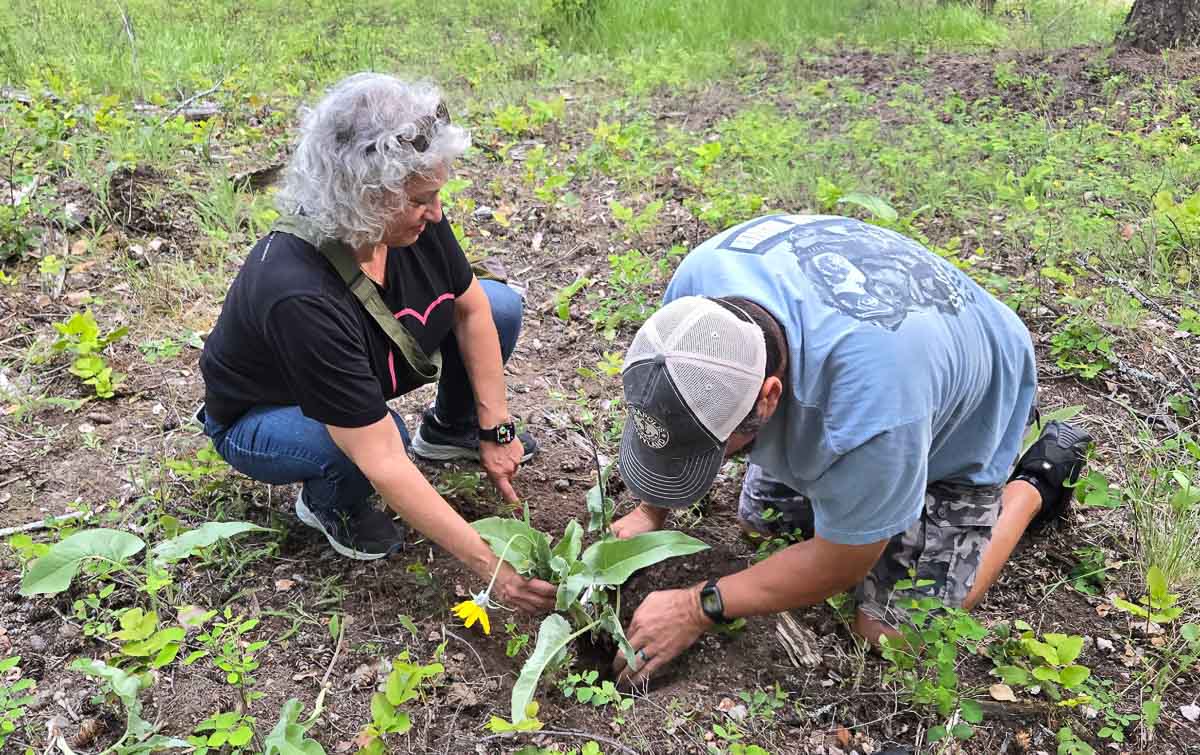
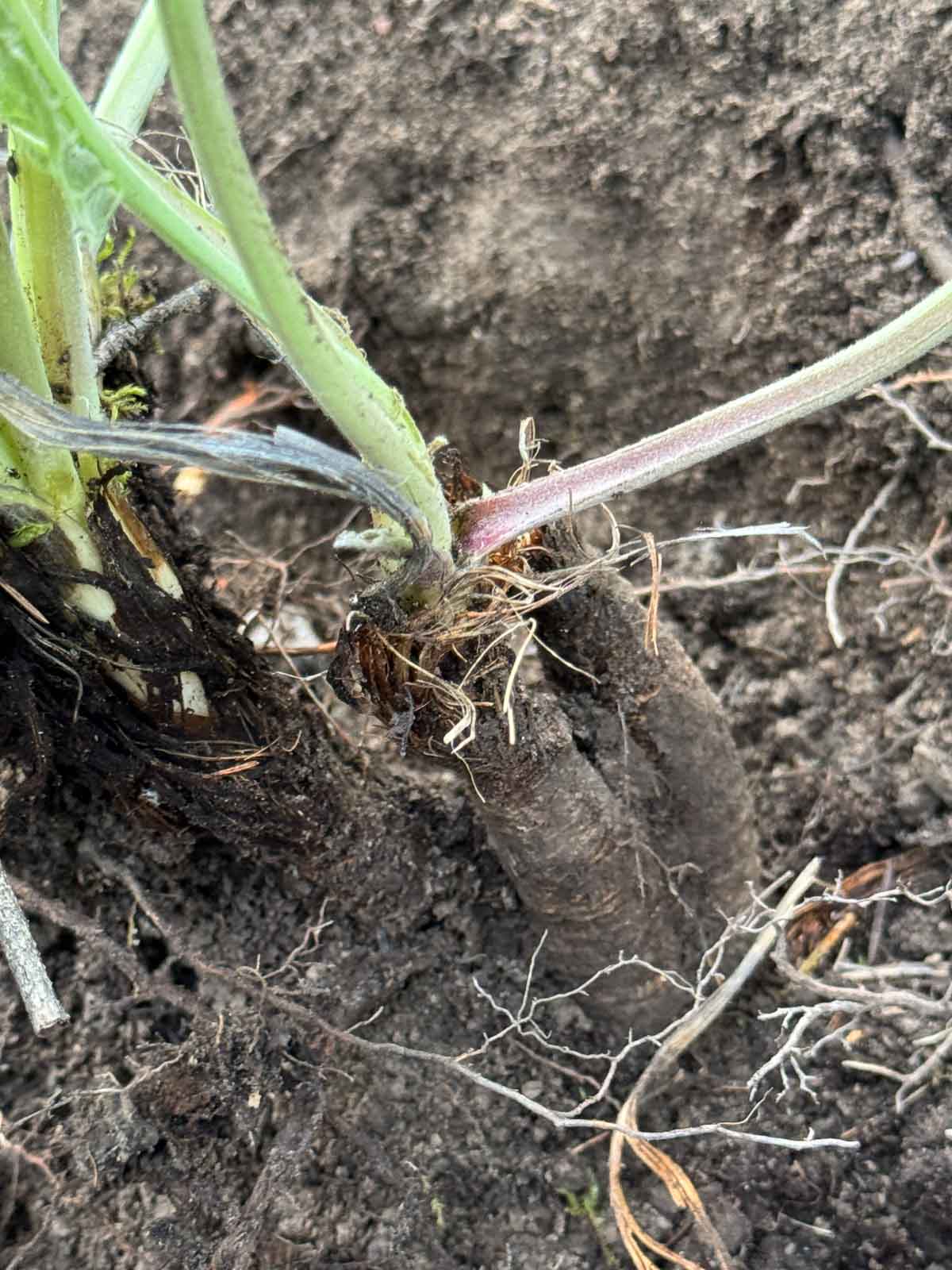
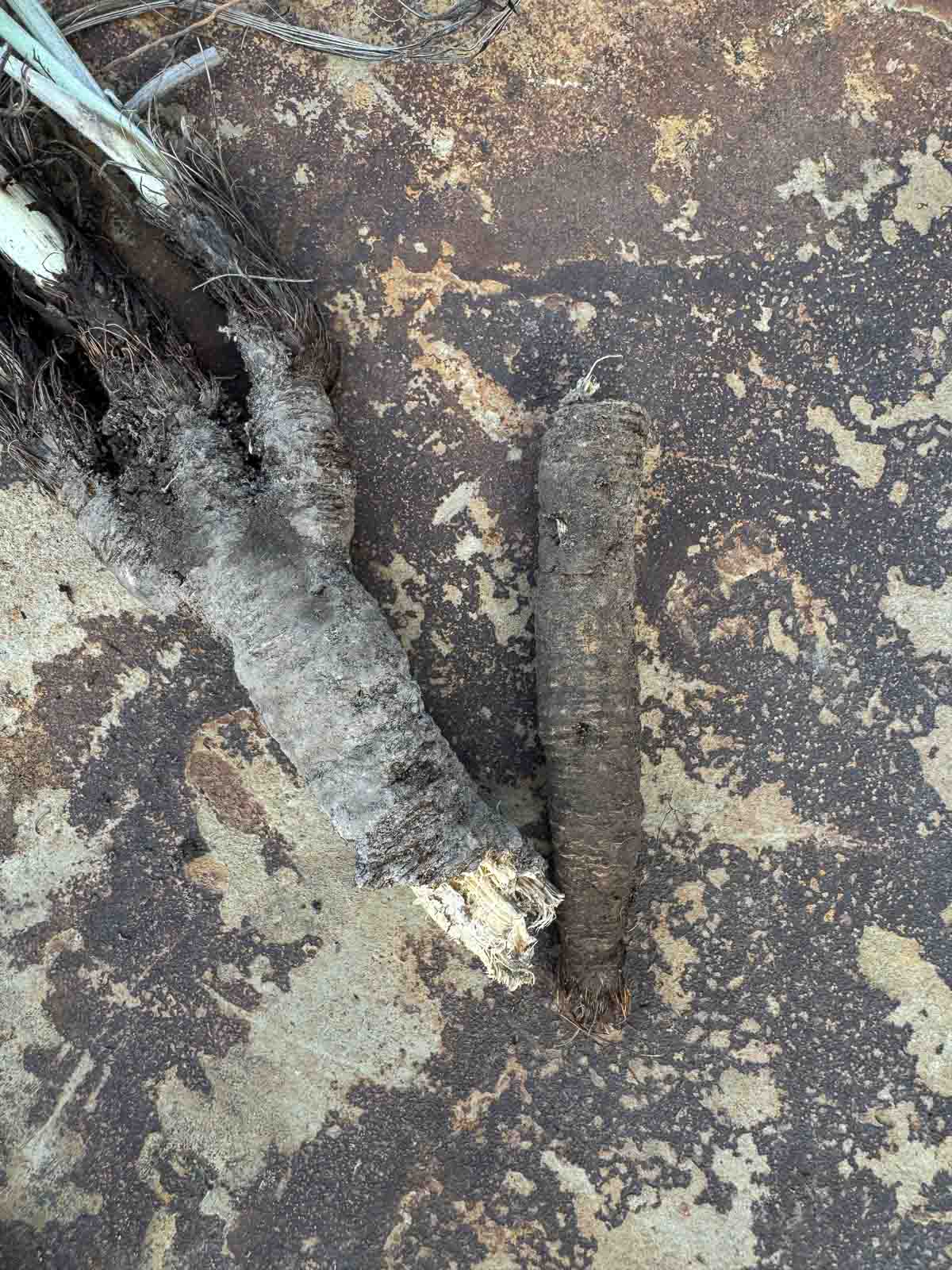
Once I decided to do this post, I needed one plant to photograph. Of course, I had to dig up the plant to photograph the roots. This turned out to be quite a task, especially since we weren't well-prepared for the task at hand. With the help of my brother-in-law, Steve (who used his knife to dig around the root and eventually saw it off), and my sister-in-law, Kim, who took pictures, we got it done. There were a lot of shenanigans and laughing along the way!
Arrowleaf balsamroot isn't just beautiful; it's one of the most versatile wild edibles and medicinal plants out there! This guide covers everything you need to know: how to identify it, what parts are edible, when to harvest it, and how to prepare it. You're welcome!
Jump to:
What Is Arrowleaf Balsamroot?
Arrowleaf balsamroot (Balsamorhiza sagittata) is a perennial flowering plant in the Asteraceae family, the same family as sunflowers, daisies, and echinacea. It is native to western North America and can be found growing in dry open hillsides, grasslands, and forests in spring (usually May through June here in Northwest Montana).
Despite its long history, balsamroot is surprisingly overlooked in modern foraging circles, probably because it looks intimidating (a taproot that can weigh up to 30 pounds has that effect). It also requires some preparation to enjoy. But once you know what you're doing, this plant offers edible parts across multiple seasons of the year.
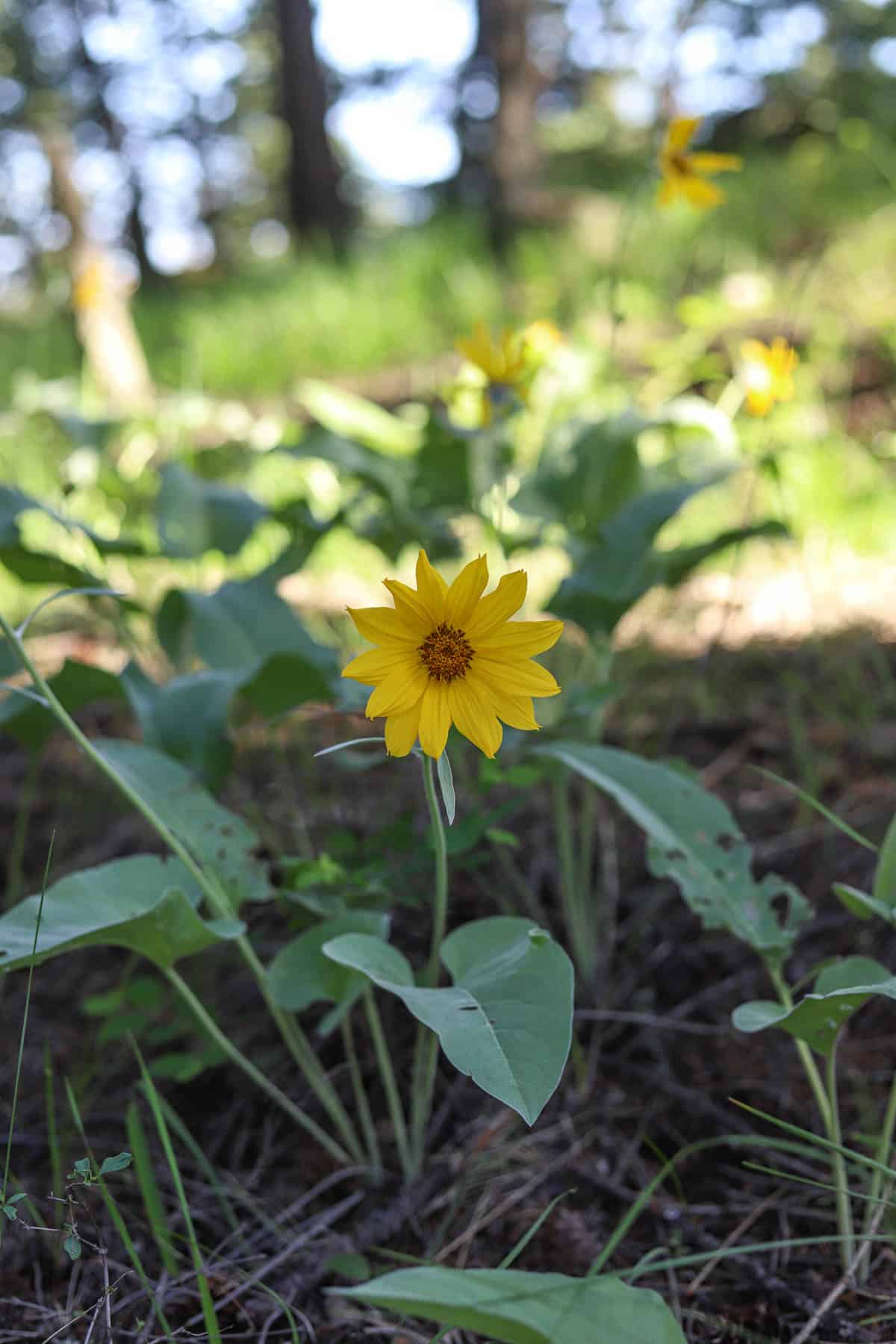
The flower gets its name from the arrow-shaped leaves, which make it easy to recognize. The plant reaches a height of 1-2 feet, and the flowers are approximately 3" to 4" across.
Where Does Arrowleaf Balsamroot Grow?
Balsamroot is a plant that can be found growing from British Columbia south through Washington, Oregon, Idaho, Montana, Wyoming, Utah, Colorado, Nevada, and Arizona.
It thrives in dry, open hillsides and south-facing slopes. You can also find it in open meadows and prairies, in open conifer forests, and in well-drained, rocky or gravelly soil at elevations between 3000 and 9000 feet.
If you're in Montana, Idaho, eastern Washington, or Oregon, balsamroot is hard to miss in later spring. It often grows in dense colonies that can paint entire hillsides yellow. Its draught tolerance and its deep taproot (as deep as 6 feet!) allow it to access water that other plants can't reach, which is why it persists in places that get very little summer rain.
How to Identify Arrowleaf Balsamroot
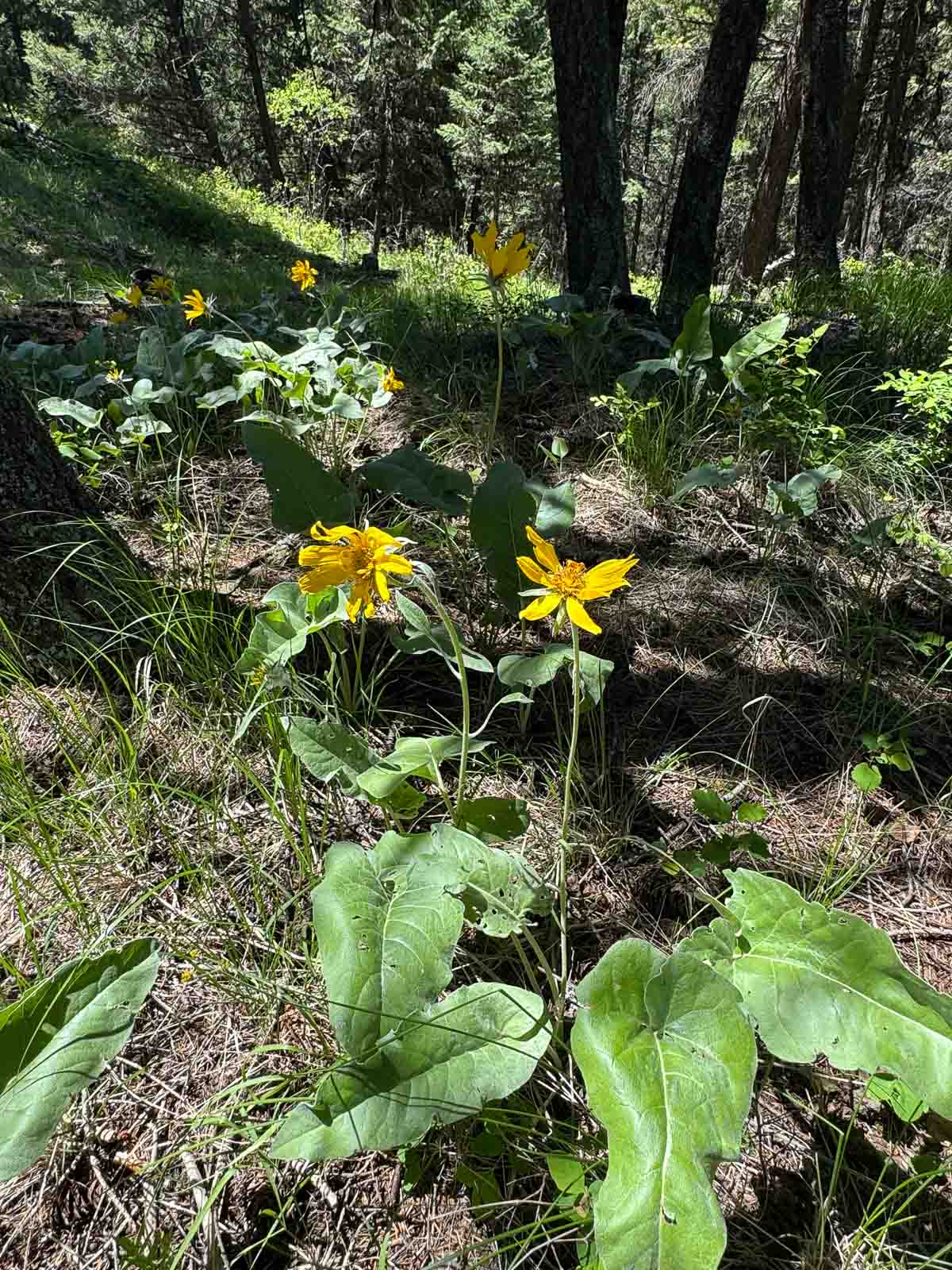
Getting your ID right is essential before you eat anything wild. Balsamroot grows 1-2 feet tall. Here's how to identify it:
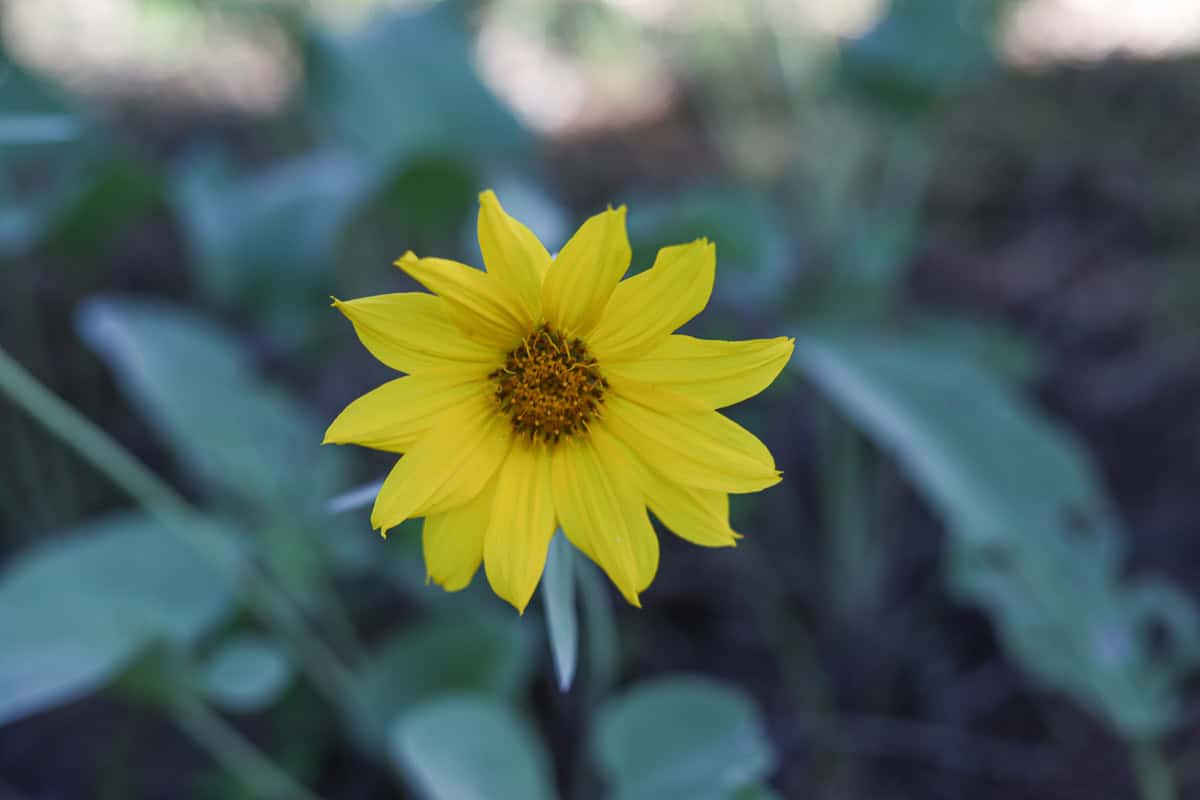
Flowers
- Bright yellow, daisy-like.
- Typically 3"-4" across, with a central yellow disk. Each flowering stalk bears a single flower head.
- Usually blooms from late April through June, depending on elevation.
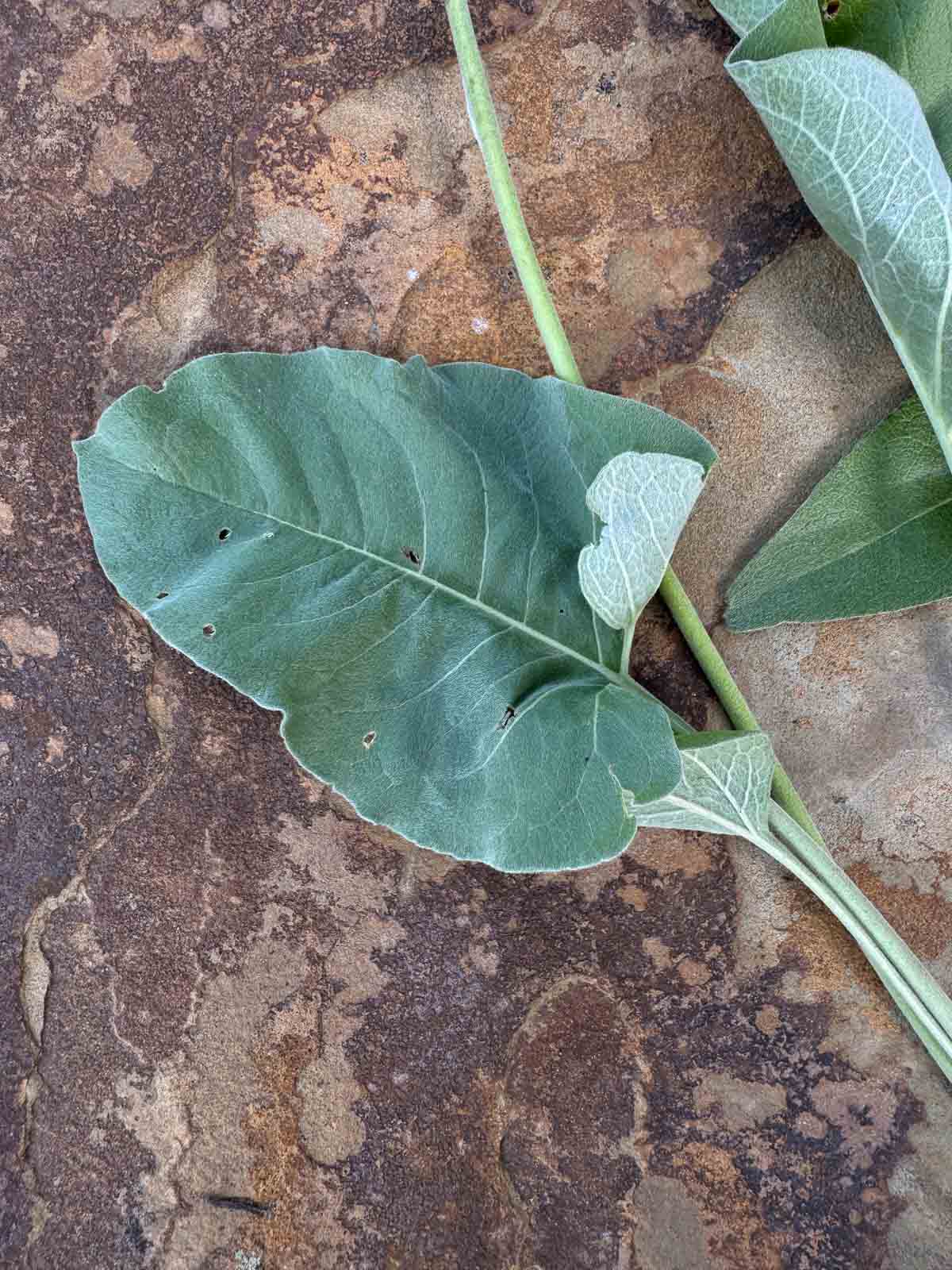
Leaves
- The leaves are large (up to 12") and are arrowhead-shaped.
- They are grayish-green and velvety with a fuzzy, gray back.
- The texture is notably different from smoother-leafed lookalikes.
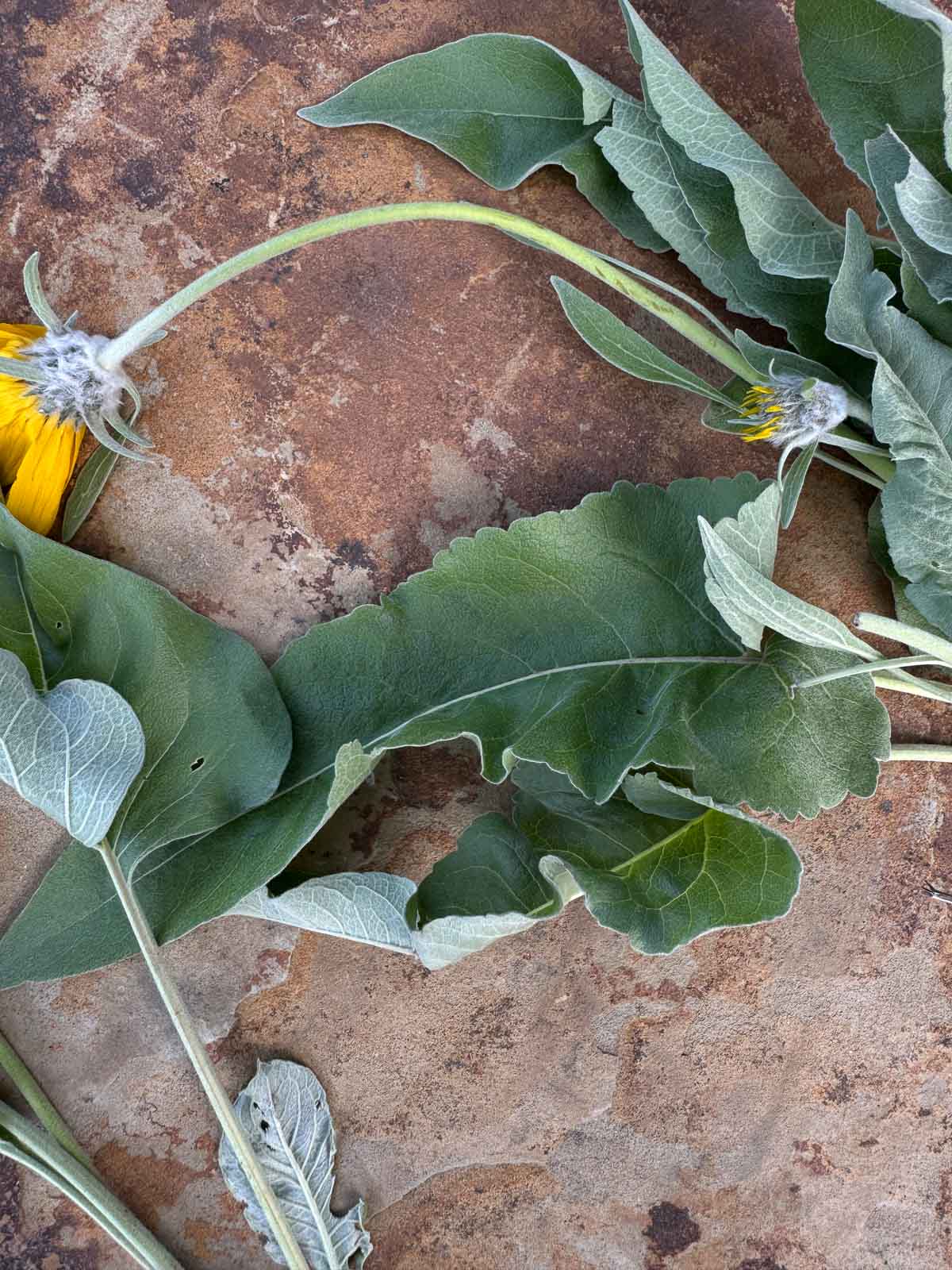
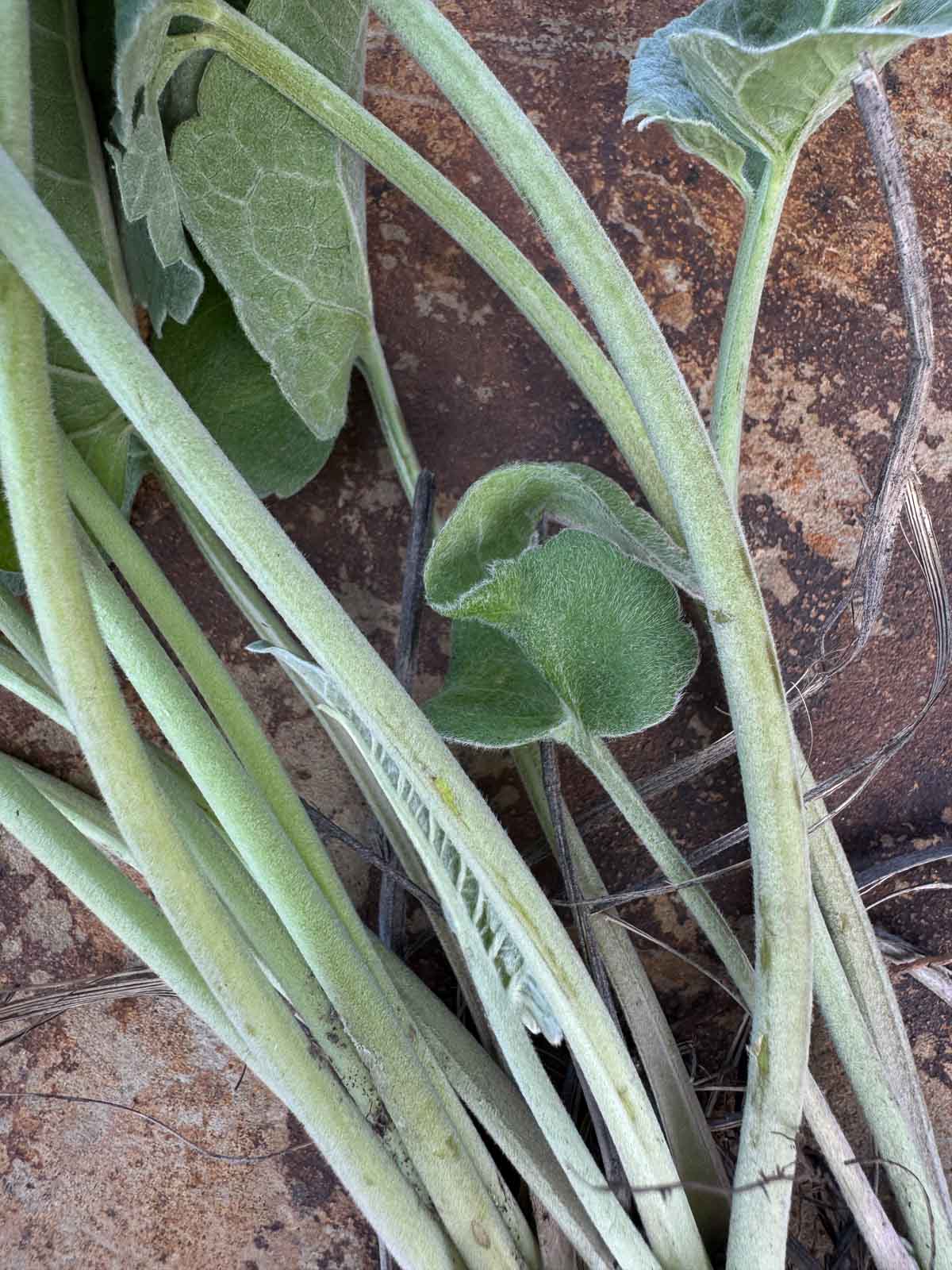
Stems
- Thick flower stalks that some describe as resembling celery.
- Slightly hairy (similar to peach fuzz).
Roots
- The deep taproot is massive. It can extend up to six feet into the soil and weigh anywhere from a few pounds to 30 pounds!
- It has a distinctive resinous, balsam-like smell when cut (hence the name).
Foraging Tip:
Rub a leaf between your fingers. You should notice a faintly resinous, aromatic scent similar to cottonwood buds. This, combined with the arrow-shaped hairy leaves and single yellow flowers per stalk, is a reliable combination for confirming your ID.
Balsamroot Lookalikes
Common lookalikes include Arnica Montana and mule's ears (which are rare in Northwest Montana).
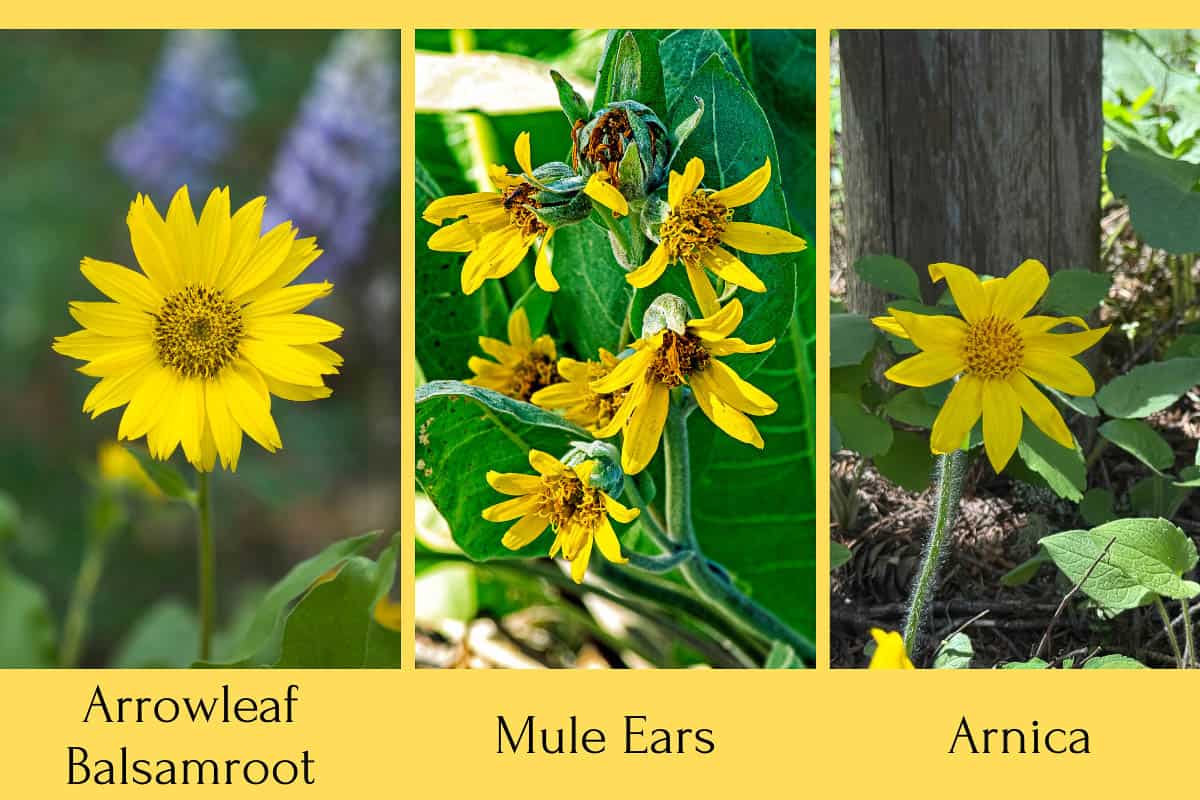
| Feature | Arrowleaf Balsamroot | Mule's Ear (Wyethia) | Arnica Montana |
|---|---|---|---|
| Leaf shape | Arrow-shaped (sagittate) | More lance-shaped, longer and narrower | Opposite pairs up the stem; basal leaves often heart-shaped (cordate), |
| Leaf texture | Softly hairy, grayish-green | Coarser, often shinier | Slightly hairy to nearly smooth; softer and thinner than the other two |
| Flower stalks | Rise from below the basal leaves | Often rise from the center of leafy stems | Slender branching stems with one to several flower heads; typically 1–3 per plant |
| Scent | Distinctly balsamic/ resinous | Less pronounced | Pleasant and lightly lemony |
Is Arrowleaf Balsamroot Edible?
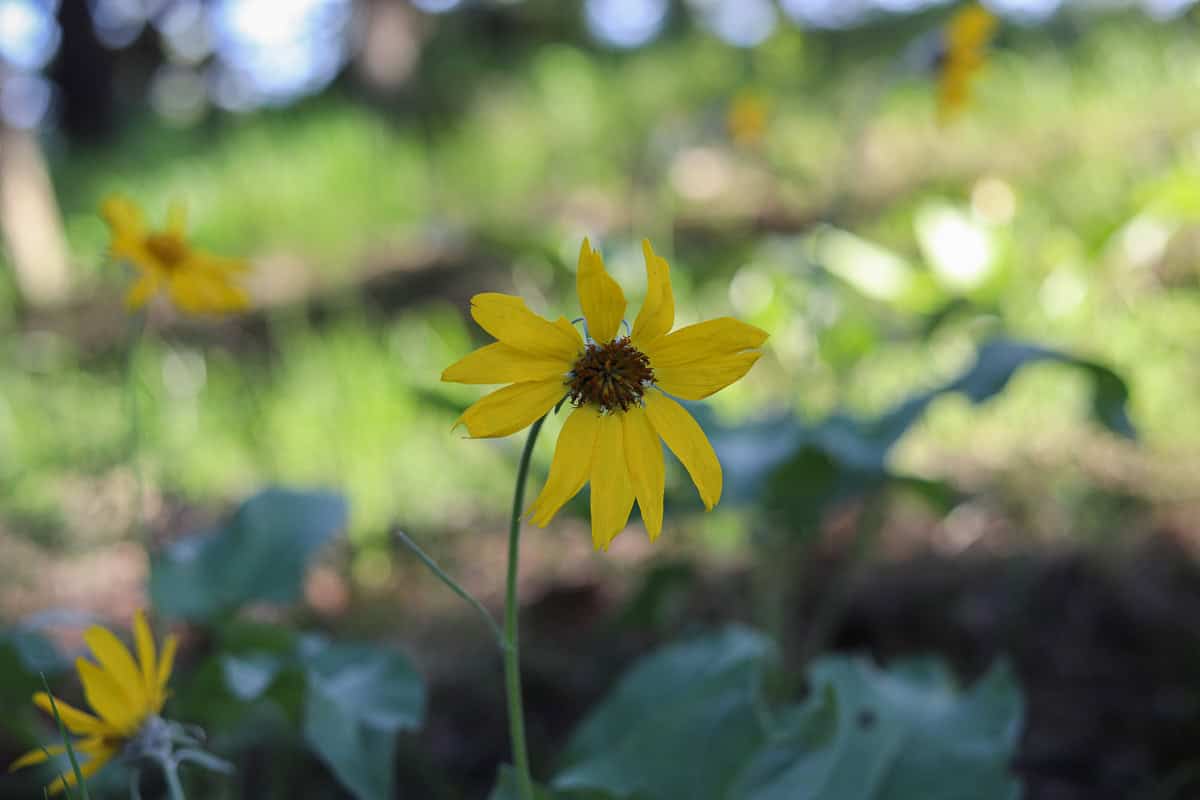
Multiple parts of arrowleaf balsamroot are, in fact, edible. The seeds are nutritious and can be eaten raw or roasted. The young shoots and stems are edible when tender, with a flavor that is often described as slightly similar to celery; however, I just found it bitter.
The leaves are also edible, but better when young. Older leaves tend to be bitter. The roots can be dried or roasted and have a strong, resinous flavor and aroma.
Best Time to Harvest Arrowleaf Balsamroot
In early spring, as snow melts and the ground thaws, balsamroot is one of the first plants to send up new growth. The tiny sprouts are edible raw and have a mild, resinous flavor.
As the season progresses, the growing flower stalks can be peeled and eaten. Harvest lightly, taking only one or two sprouts per plant to ensure the plant has plenty of energy for new growth.
The young leaves can be eaten raw or cooked, though be aware that the flavor is noticeably bitter and resinous when eaten raw. Cooking mellows the bitterness, especially if blanched first. They can be added to soups, sautéed as a cooked green, or used in stir-fries. You can also dry them to make tea.
If harvesting in late spring/early summer, the bright yellow flowers are edible and can be used as a colorful garnish on salad or eaten on their own. They're more palatable than the leaves and have a mildly sweet, slightly resinous flavor.
By late summer/early fall, the mature seeds (now black) are the most calorie-dense and most palatable part of the plant. Nutritious and oil-rich, they were an important food source for many Indigenous groups. The seeds can be roasted and eaten as a snack.
The seeds can also be ground into a flour or meal and used to make bread. However, this can be quite an undertaking as the seeds are tiny, so you will need to harvest a significant amount. The best way to harvest them is to dry the entire seed head and shake the seeds out.
The roots can be harvested year-round. The taproot is the most historically significant part of the plant as a food source, though it's also the most labor-intensive to harvest and prepare. It was traditionally pit-cooked (slow, long cooking in an earthen oven) by Indigenous peoples. The root can also be baked or steamed, dried and ground into a flour substitute, or dried and roasted, then used as a coffee substitute similar to dandelion root coffee.
Don't underestimate the taproot. It can extend up to six feet into rocky soil, and in mature plants, it's genuinely enormous. If you choose to harvest the root, harvesting a younger plant is advised. You'll need a shovel to dig up the roots. Many experienced foragers prefer to harvest the above-ground parts rather than tackle the roots.
The flavor can be quite resinous and strong, especially in mature plants. This is definitely more of a survival/traditional food source than a "wow, I need seconds" type of plant.
Nutritional and Medicinal Uses
Balsamroot is a nutritional powerhouse. Young plant tissues contain roughly 30% protein, and the roots are rich in complex carbohydrates. The seeds are a good source of healthy fats. The plant also provides vitamins A and C, along with several B vitamins. It also provides potassium, calcium, and magnesium.
Medicinally, balsamroot is often compared to echinacea, and for good reason. They're in the same plant family and share some similar compounds. Indigenous nations, including the Nez Perce, Kootenai, Cheyenne, Shoshone, and Salish, used balsamroot for:
- Respitory conditions: The large leaves were traditionally used in steam treatments, and teas and infusions were used for coughs, whooping cough, and chest congestion.
- Wound Care: Leaves were applied as a poultice for burns and cuts, acting as an antiseptic bandage.
- Digestive complaints: Boiled root decoctions were used for stomach pain and headaches (the Cheyenne also steamed the plant and inhaled the vapors for the same purpose).
- Immune Support: The plant has documented antibacterial, antifungal, antiseptic, and antimicrobial properties.
- The root bark and sap were also used medicinally. They can be soaked in alcohol to make a tincture.
As with any herbal remedy, balsamroot is a complement to, not a replacement for, professional medical care.
How to Harvest Arrowleaf Balsamroot Responsibly
Balsamroot is a slow grower. A plant typically takes 3-4 years to fully mature, and harvesting the taproot kills or severely injures the plant. In areas where balsamroot is abundant, this is less of a concern, but you should still follow these guidelines:
- Never take more than one root from a given stand
- When harvesting sprouts and leaves, take only one or two per plant
- Leave the majority of any patch unharvested so the colony can sustain itself
- Never harvest from protected lands or small, isolated populations. If the stand looks sparse or stressed, walk away
Cooking with Balsamroot
- Roasted seeds: spread on a baking sheet, toast lightly in the oven, and eat as a trail snack or use as a topping for salads and soups.
- Balsamroot flour: dry the seeds or root and grind into meal; can be mixed with regular flour for flatbreads and pancakes.
- Root tea /coffee substitute: dry and roast small pieces of root, then simmer in water for a dark, earthy, slightly bitter beverage - a decent caffeine-free alternative to coffee.
- Sautéed greens: young leaves cooked in butter or oil with garlic and a pinch of salt; blanching first reduces bitterness.
- Flower garnish: Fresh flowers add color and a mild flavor to salads, grain bowls, and spring dishes.
Arrowleaf balsamroot is one of those plants that rewards the forager who takes the time to really learn about it. It's not the easiest wild edible - the root takes serious effort, and the flavor has an acquired taste. But it offers something edible through most of the growing season, and its history of use by Indigenous peoples across generations speaks to its genuine value as both food and medicine.
Next time you're hiking a sun-drenched hillside in spring, and you spot that sea of yellow blooms, you'll know exactly what you're looking at, and exactly what to do with it!
Foraging Disclaimer
Always positively identify any wild plant before eating it. When in doubt, consult a local foraging guide or a regional field guide specific to your area. This post is for informational purposes only and is not a substitute for professional medical advice.
More Foraging Posts
Looking for other recipes like this? Try these:

Comments
No Comments