
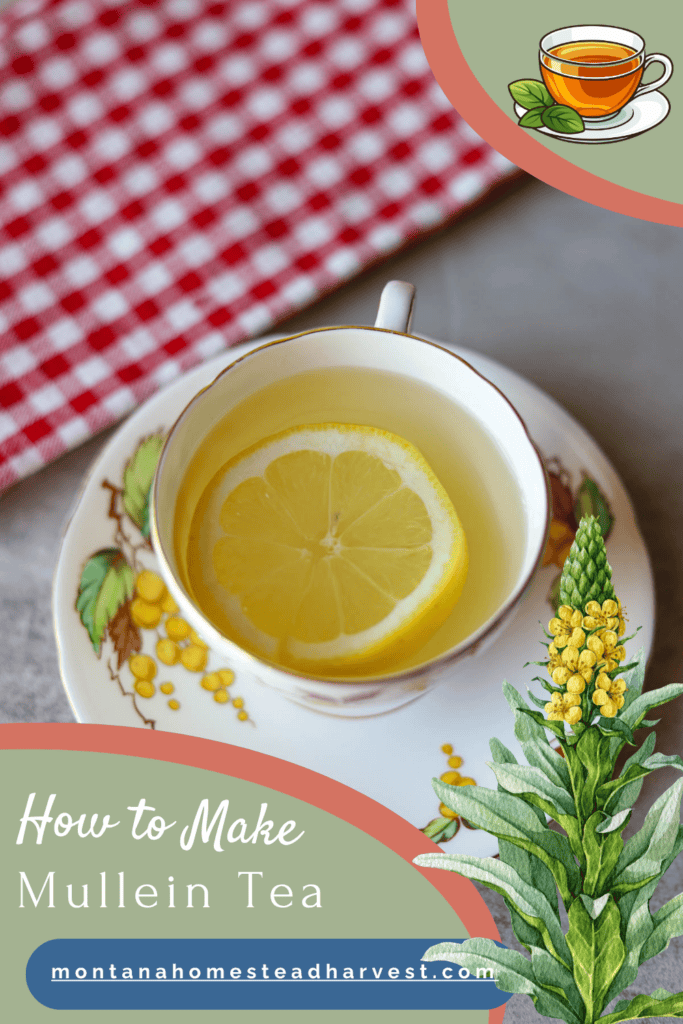
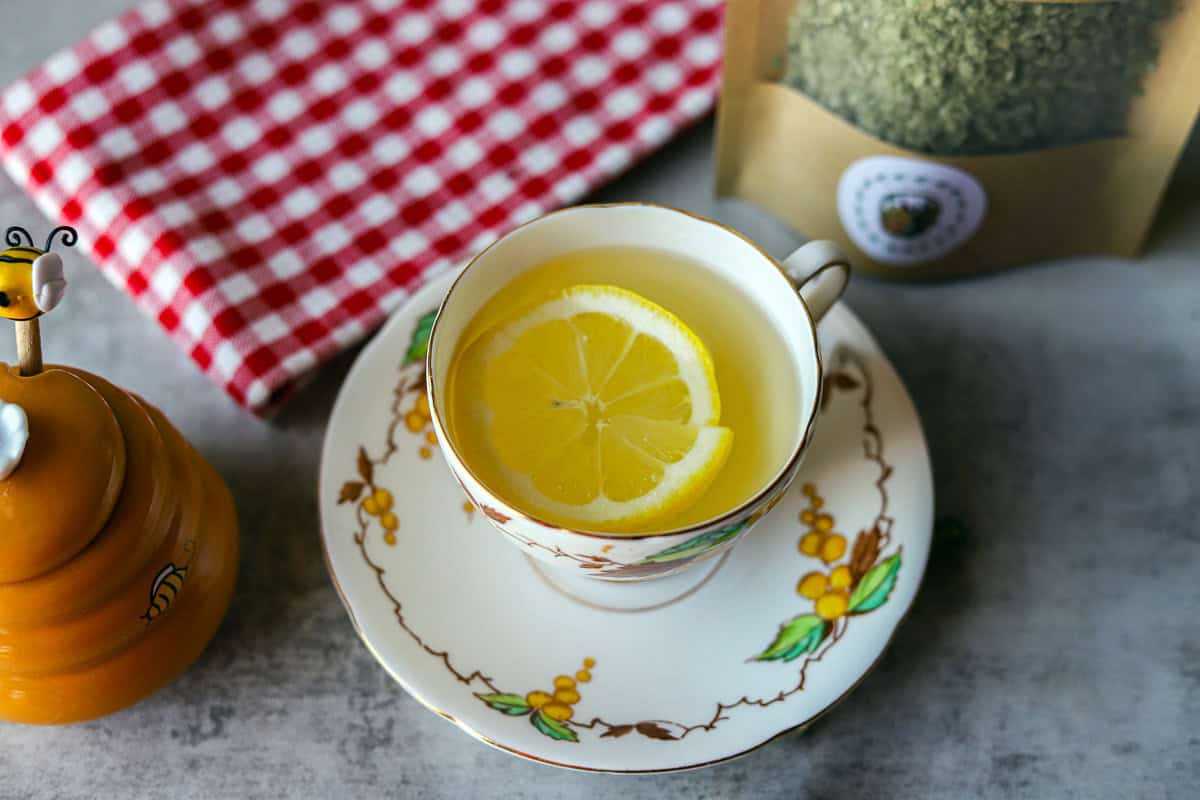
Mullein tea is a gentle herbal infusion traditionally used to support respiratory health. Made from dried mullein leaves, flowers, or both, it has a mild, slightly earthy flavor and is especially comforting during cold and flu season. In this post, you'll learn how to make mullein tea properly, including important straining tips and optional herbal additions. Don't have mullein on hand? You can find high-quality mullein leaf in my shop.
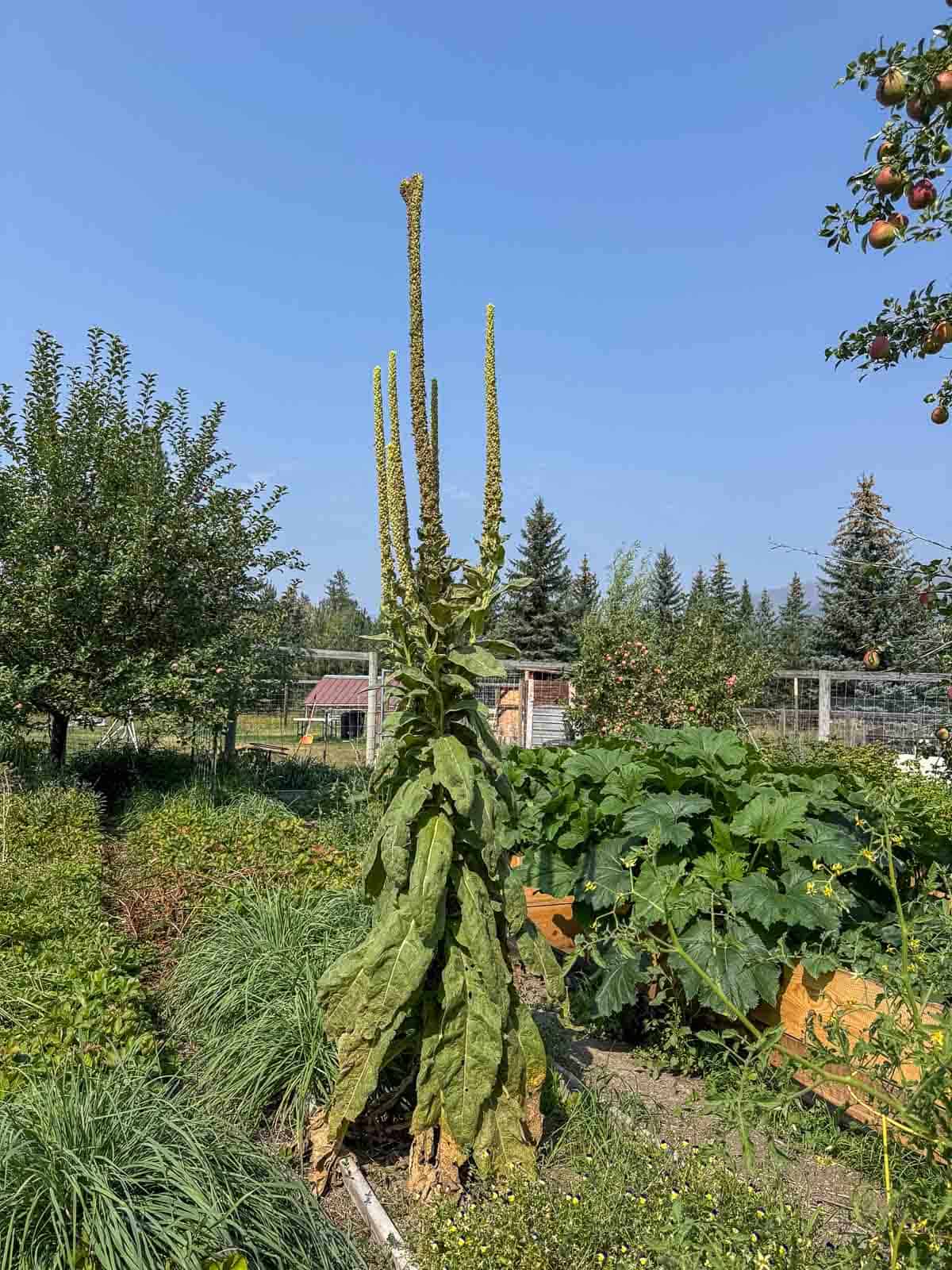
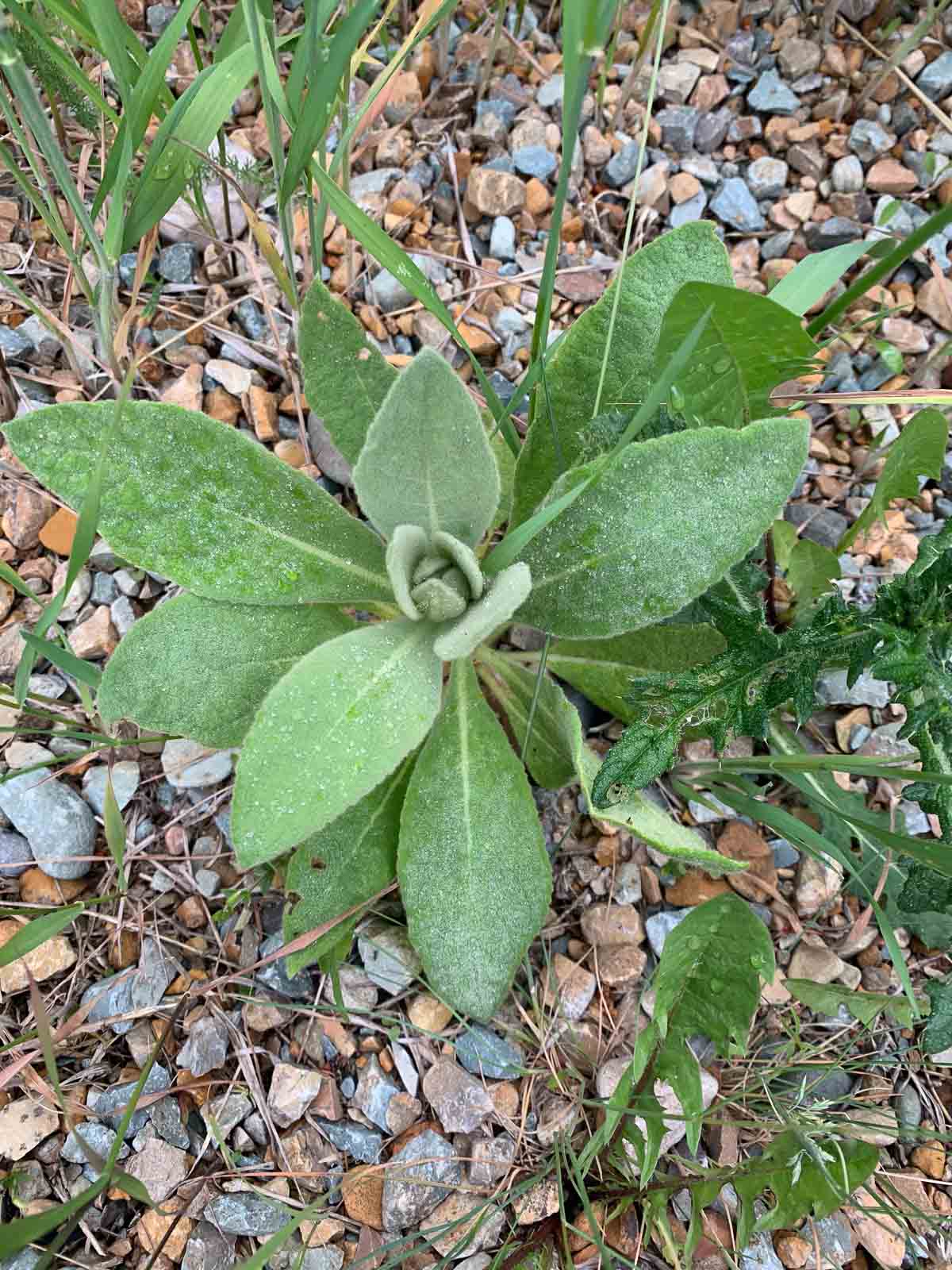
Mullein is indigenous to northern Africa, Europe, and western and central Asia, but these days, it can also be found growing in the United States. If you forage your own mullein, proper identification is essential. I walk you through the differences in my mullein vs lamb's ear guide so you can harvest with confidence.
Jump to:
What is Mullein Tea?
Mullein tea is an herbal infusion made from the dried leaves and flowers of the mullein plant (Verbascum thapsus). It has been traditionally used in Europe and North America for respiratory support and general seasonal wellness.
During the height of the COVID-19 pandemic, mullein quickly became one of those hard-to-find herbs as more people turned to traditional remedies to support their respitory health.
The tea is prepared by steeping dried, crushed mullein leaves or the tiny yellow flowers that grow along the plant's tall stalk. Because mullein leaves are naturally fuzzy, proper straining is essential before drinking.
Mullein Tea Benefits
Mullein has a long history of use in European and Native American herbal traditions. The leaves and flowers are commonly dried and steeped as tea, though they are also used in tinctures and infused oils.
Mullein has historically been used for bronchitis, asthma, coughs, and other pulmonary issues. (PubMed)
Respiratory Support
Mullein tea has been traditionally used to support respiratory health. Herbalists often turn to it during seasonal coughs or when seeking natural support for lung comfort. Its mild nature makes it a common addition to herbal tea blends formulated for respiratory wellness.
Soothing Properties
Because mullein contains naturally soothing compounds, it has long been used in herbal traditions to calm throat irritation and dryness. Many people find warm mullein tea especially comforting during seasonal changes.
Traditional Anti-Inflammatory Use
Historically, mullein has been used to support the body's natural inflammatory response. Herbal preparations often focus on overall comfort rather than targeting a specific condition.
Antibacterial Activity
Some laboratory studies have explored mullein's antimicrobial properties. However, more research is needed to understand how these findings translate to drinking mullein tea in everyday use. (PubMed)
Ingredients
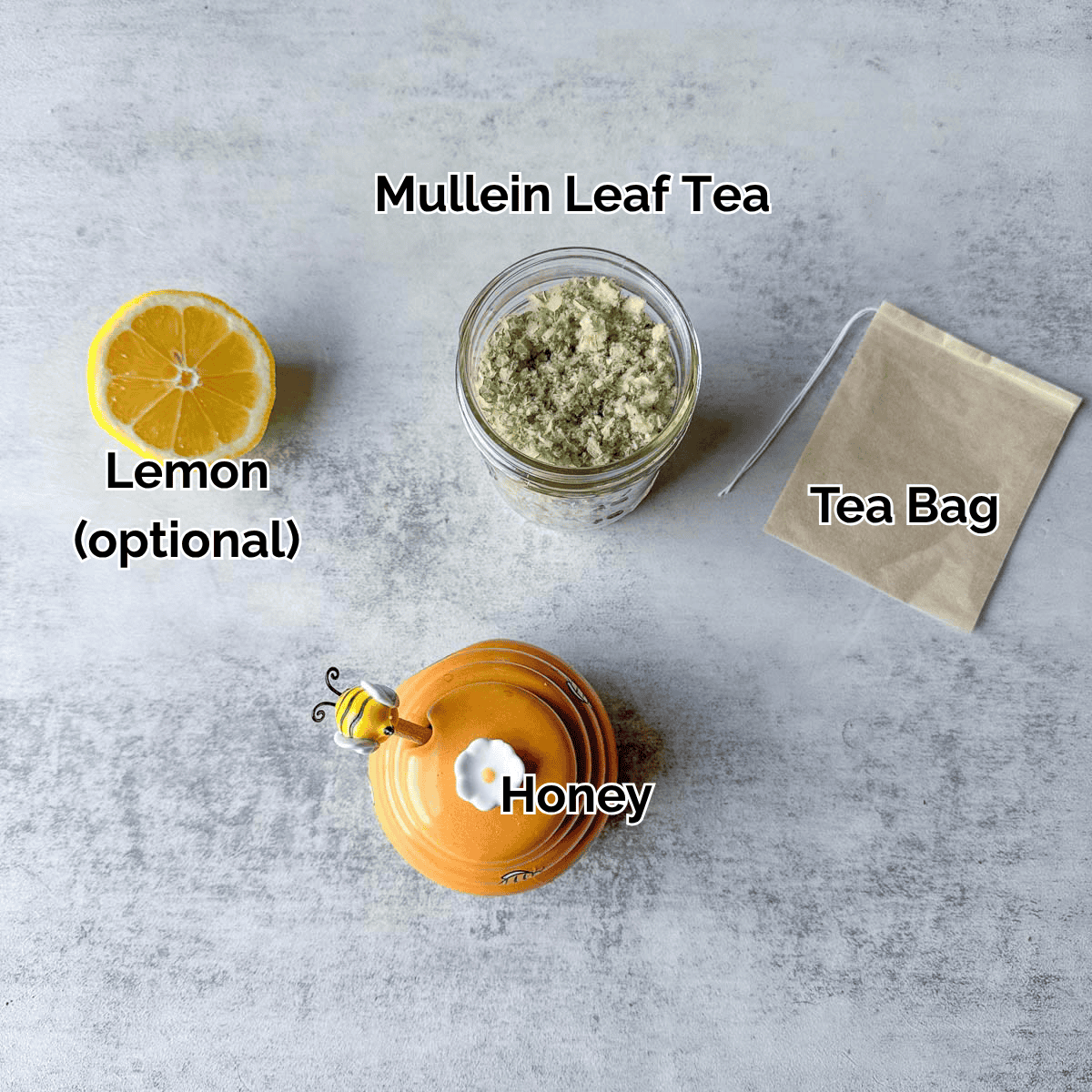
- Dried mullein leaf; flowers (optional)
- Boiling water
- Sweetener of choice (I prefer raw honey)
- Optional: A slice of lemon, ginger, or both!
*See recipe card for quantities.
How to Make Mullein Tea
Because mullein tea may contain tiny irritating hairs, I highly recommend these disposable tea bags. The hairs can get through regular strainers or tea infusers.
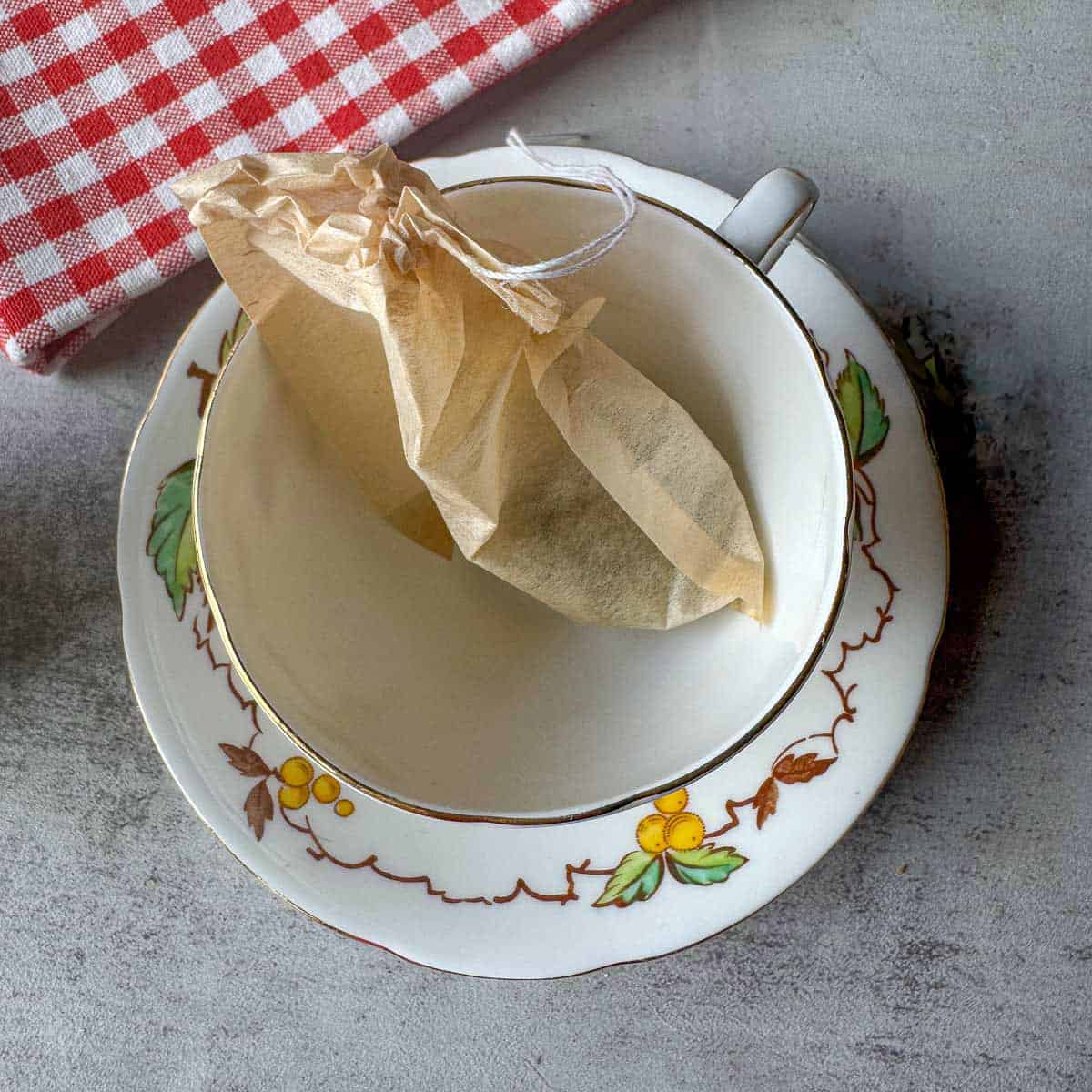
- Place dried, ground, and sifted mullein leaves in a tea bag, then place in a cup.
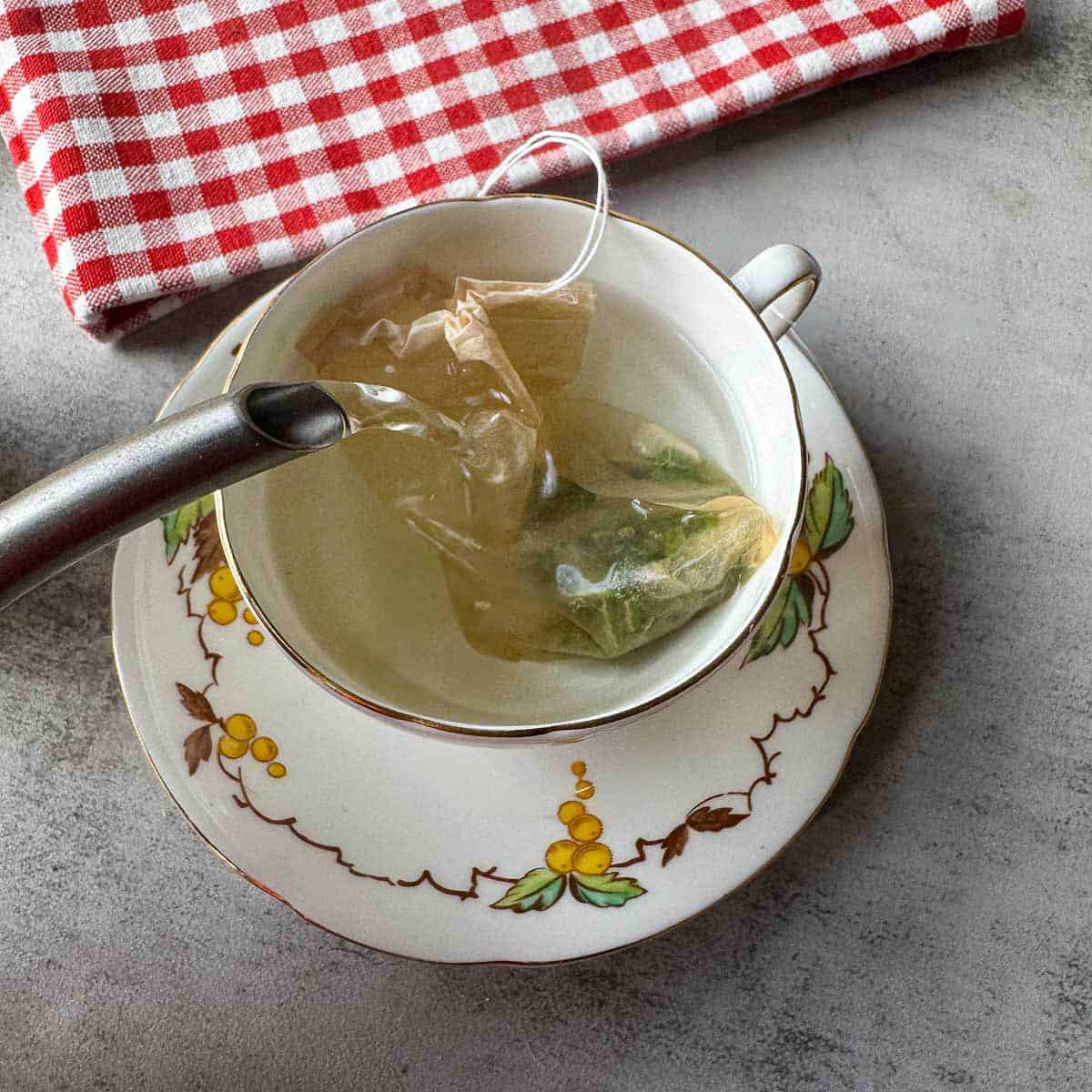
- Pour 1 cup of boiling water over the mullein tea leaves. Cover and steep for 10 to 15 minutes.
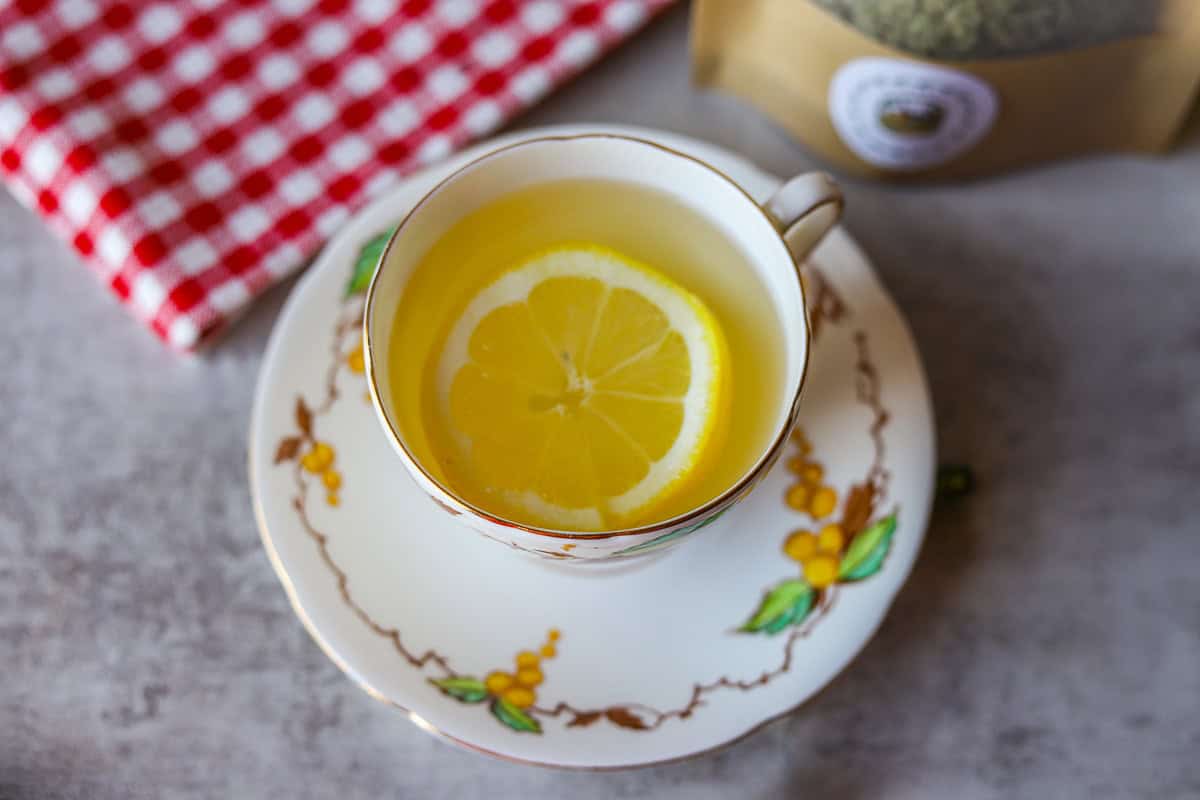
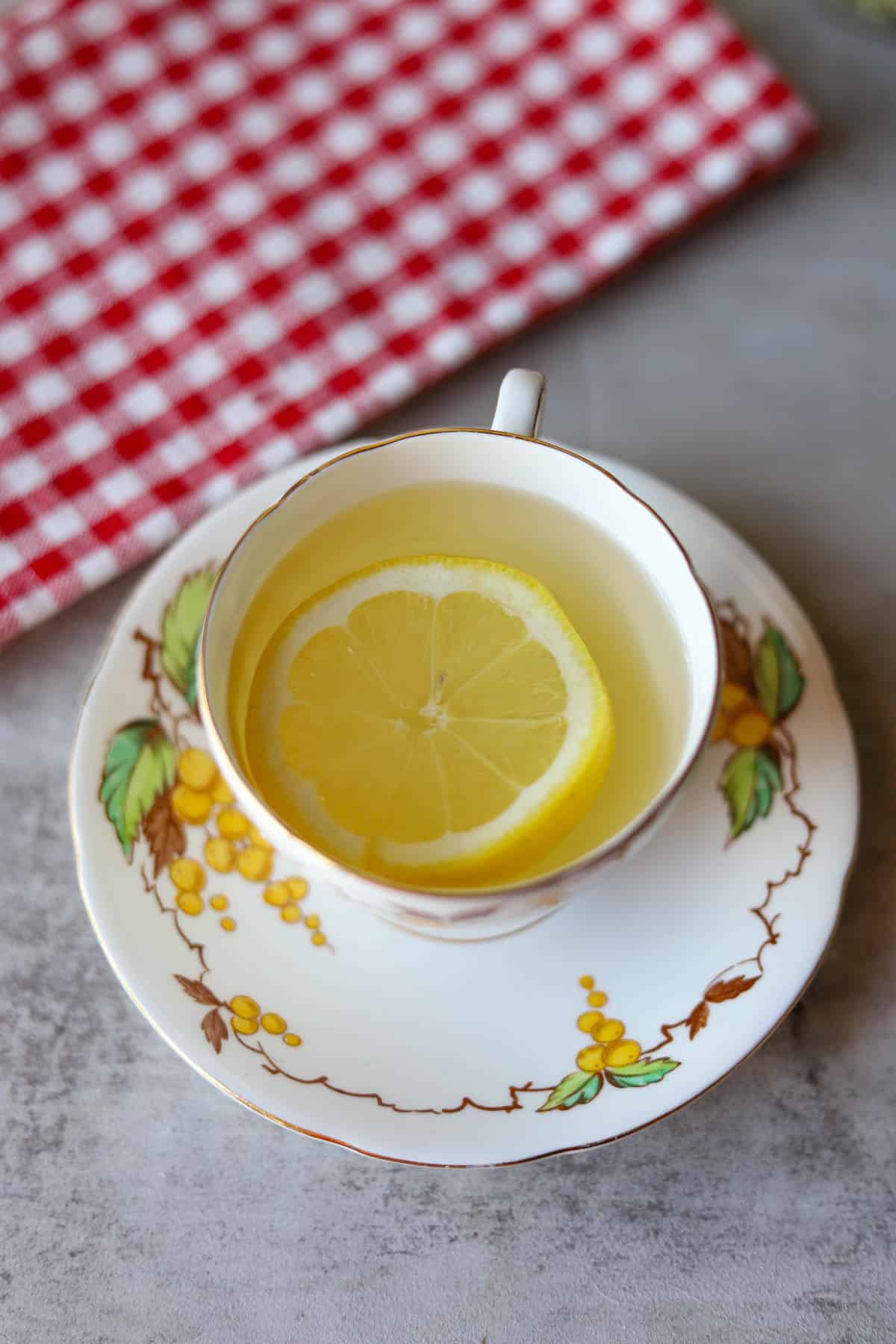
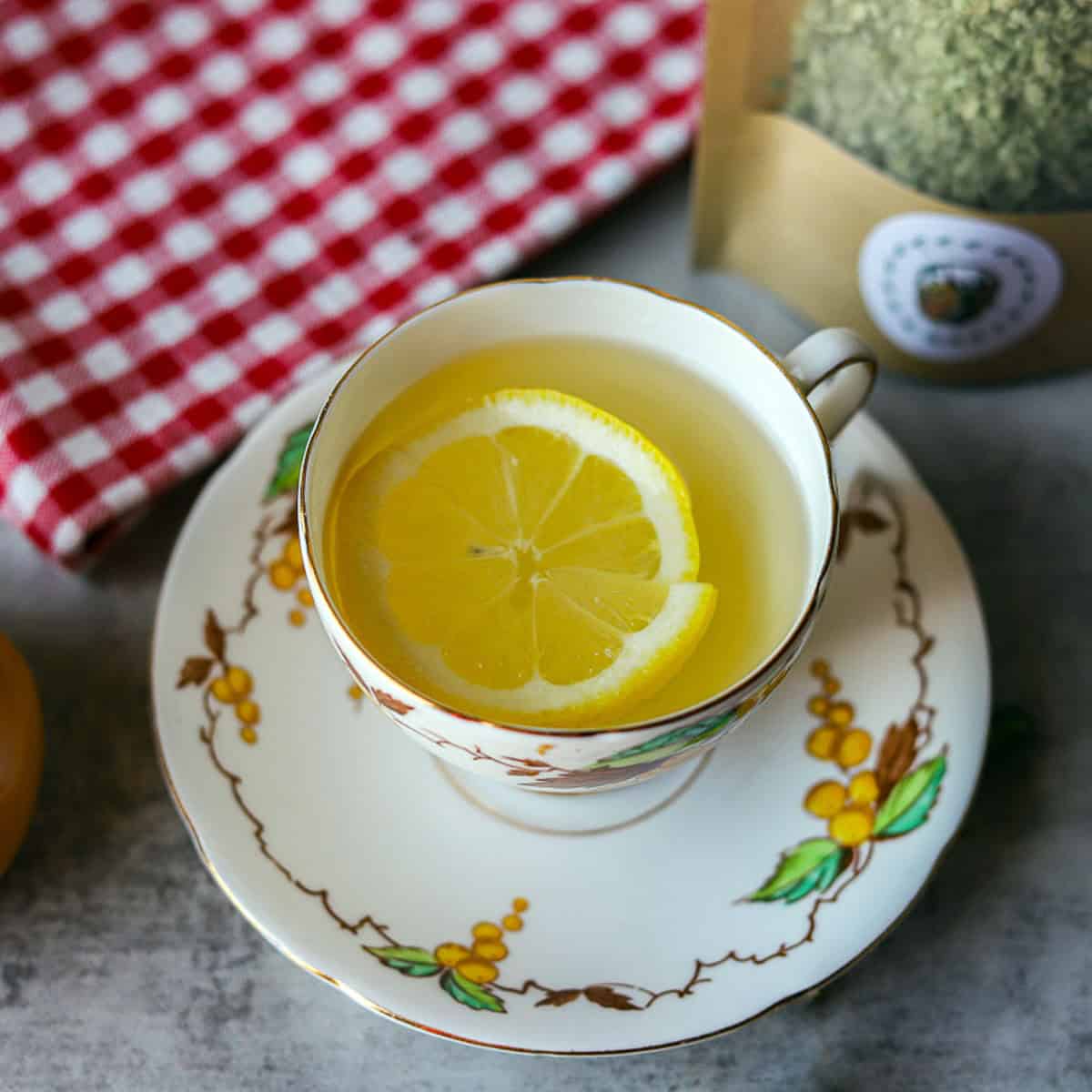
- Remove the tea bag and discard it. Serve with a slice of lemon or fresh ginger and raw honey.
Mullein Flower Tea
Mullein flowers can also be used and are milder and slightly sweeter than the leaves. Use about 1-2 teaspoons dried flowers per cup of water and steep the same way.
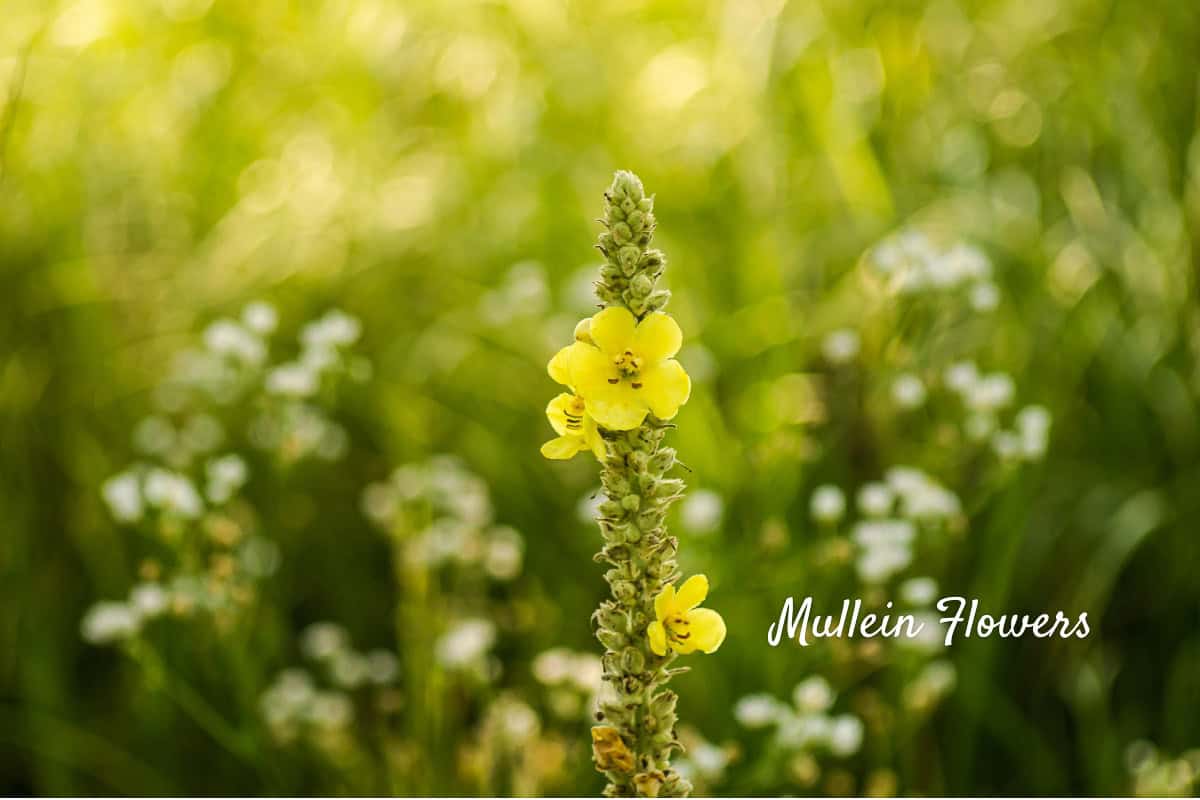
Mullein Leaves vs. Mullein Flowers
| Feature | Mullein Leaves | Mullein Flowers |
|---|---|---|
| Flavor | Mild, earthy | Slightly sweeter, milder |
| Texture | Fuzzy (requires careful straining) | Less fuzzy, easier to strain |
| Traditional Use | Used for tea & tinctures | Often used for tea or mullein oil |
| Strength | Slightly stronger herbal flavor | More delicate flavor |
| Preparation | Steep 10–15 minutes | Steep 10–15 minutes |
Flavor Boost Ideas
If you'd like to make a mullein tea blend, try any of the following:
- A few peppermint leaves (great combo for breathing support)
- Pineapple weed (wild chamomile) adds a subtle pineapple-like flavor
- Elderberries for immune support
- Rosehips for added health benefits, including a boost of vitamin C

Is Mullein Tea Safe?
Mullein tea is generally considered safe when consumed in moderate amounts. However, because the leaves are covered in fine hairs, proper straining is essential to avoid throat irritation. Always use a fine filter.
(Always consult a healthcare provider before using herbal remedies, especially if you're pregnant, nursing, on medication, or have health concerns.)
How Often Can You Drink It?
Traditionally, mullein tea is consumed in moderation, often 1-3 cups per day during times of seasonal respiratory discomfort. Many people prefer to drink it warm, especially in the evening or during colder months.
Because mullein tea is mild in flavor, it can be enjoyed plain or blended with other herbs such as peppermint or elderberries. However, as with any herbal infusion, it's best to listen to your body and discontinue use if you experience any irritation.
For long-term or frequent use, consult a qualified healthcare provider to ensure it's appropriate for your individual needs.
Mullein Tea Side Effects
- Generally considered safe
- May cause throat irritation if not strained
- Discontinue if an allergic reaction occurs
Disclaimer
This post is for educational purposes only and is based on traditional herbal practices. I am not a medical professional, and this information is not intended to diagnose, treat, cure, or prevent any disease. Always consult a qualified healthcare provider before using herbal remedies, especially if you are pregnant, nursing, taking medication, or have a medical condition. Proper identification of wild plants is essential before consumption.
Pro Tips
- Gently crush dried mullein between your fingers before adding hot water. This helps release more of the plant's natural compounds into the tea.
- Keep your cup covered during the 10-15 minute steep. This helps retain heat and preserves delicate plant compounds.
- Pour boiling water over the leaves rather than simmering them on the stove. Direct boiling can make the tea taste stronger and slightly harsher.
- Mullein has a mild taste, which makes it perfect for blending. Peppermint, elderberries, rosehips, or pineapple weed add depth without overpowering it.
- Keep dried mullein in an airtight jar away from light and moisture. If it smells musty or loses its green color, it's past its prime.
FAQ
Mullein tea has a mild, slightly earthy flavor. It is generally not bitter, especially when made from flowers.
Yes, but dried leaves are more commonly used and easier to strain properly.
Mullein is not typically considered a sedative, though many people find warm herbal tea relaxing.
Many herbal traditions suggest 1-3 cups per day for short-term use.
If you enjoy mullein tea, try roasted dandelion root coffee next!
More Tea Recipes
If you enjoy this mullein tea recipe, check out these related posts.


Recipe
Mullein Tea: How to Make It, Benefits, and Straining Tips
Ingredients
- 2 teaspoon dried mullein leaves
- 1 cup boiling water
Instructions
- Place dried, ground, and sifted mullein leaves in a tea bag, then place in a cup.
- Pour 1 cup of boiling water over the mullein tea leaves. Cover and steep for 10 to 15 minutes.
- Remove the tea bag and discard it. Serve with a slice of lemon or fresh ginger and raw honey.
Notes
- Because mullein tea may contain tiny irritating hairs, I highly recommend these disposable tea bags. The hairs can get through regular strainers or tea infusers.
- Gently crush dried mullein between your fingers before adding hot water. This helps release more of the plant's natural compounds into the tea.
- Keep your cup covered during the 10-15 minute steep. This helps retain heat and preserves delicate plant compounds.
- Pour boiling water over the leaves rather than simmering them on the stove. Direct boiling can make the tea taste stronger and slightly harsher.
- Mullein has a mild taste, which makes it perfect for blending. Peppermint, elderberries, rosehips, or pineapple weed add depth without overpowering it.
- Keep dried mullein in an airtight jar away from light and moisture. If it smells musty or loses its green color, it's past its prime.
Hilda Sterner says
Give mullein tea a try the nexttime you're congested and let me know what you think!