

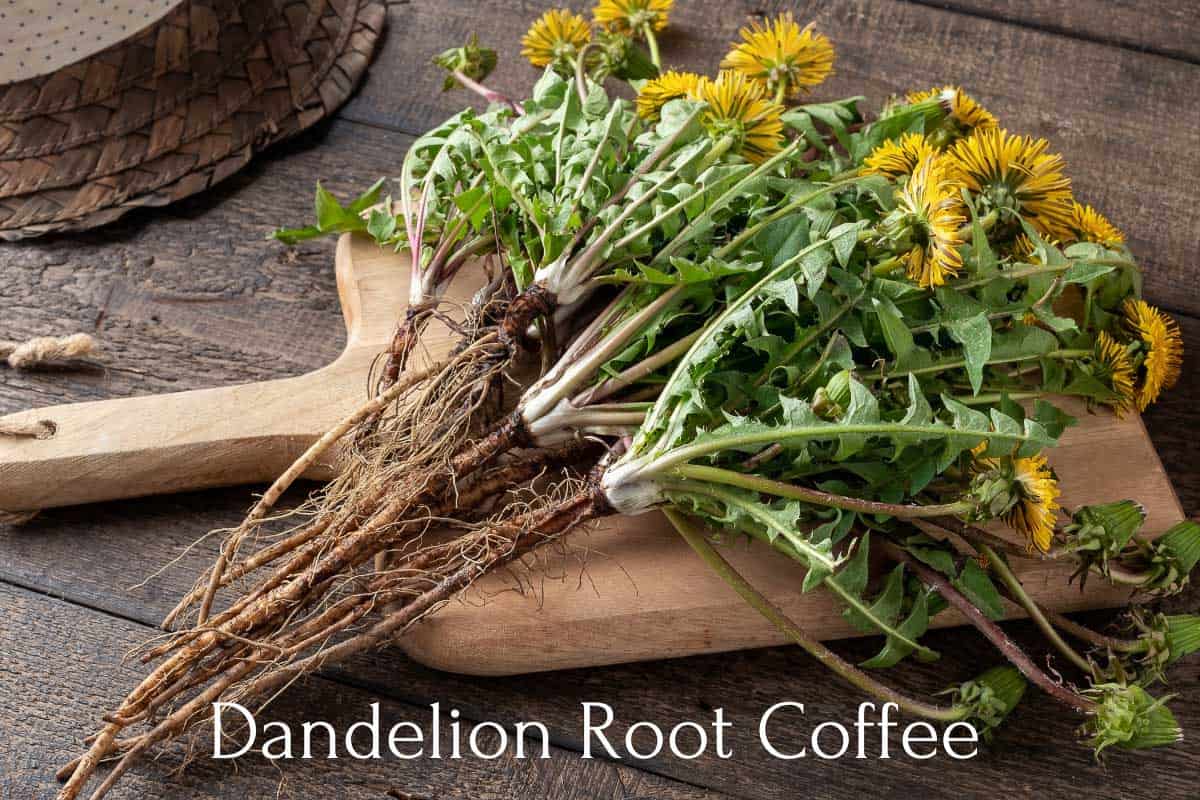
If you're looking for a caffeine-free coffee alternative, roasted dandelion root coffee is right up there with chaga coffee in terms of flavor and benefits. Dandelion coffee has a rich, slightly bitter, earthy flavor, making it a satisfying coffee substitute, minus the acidity. And don't toss those extra dandelions, you can use them to make a nourishing dandelion salve!
A friend recently turned me on to one of the coolest garden tools I've ever used. It's called Grandpa's Weeder, and it makes pulling weeds so easy, I might even call it fun.
Once it arrived, I took it out to my garden to tackle some stubborn dandelions growing in a rock-covered area of the garden. It worked like a charm, pulling them out by the root, something that's usually a struggle since the tops tend to snap off and leave the roots buried deep in the soil.
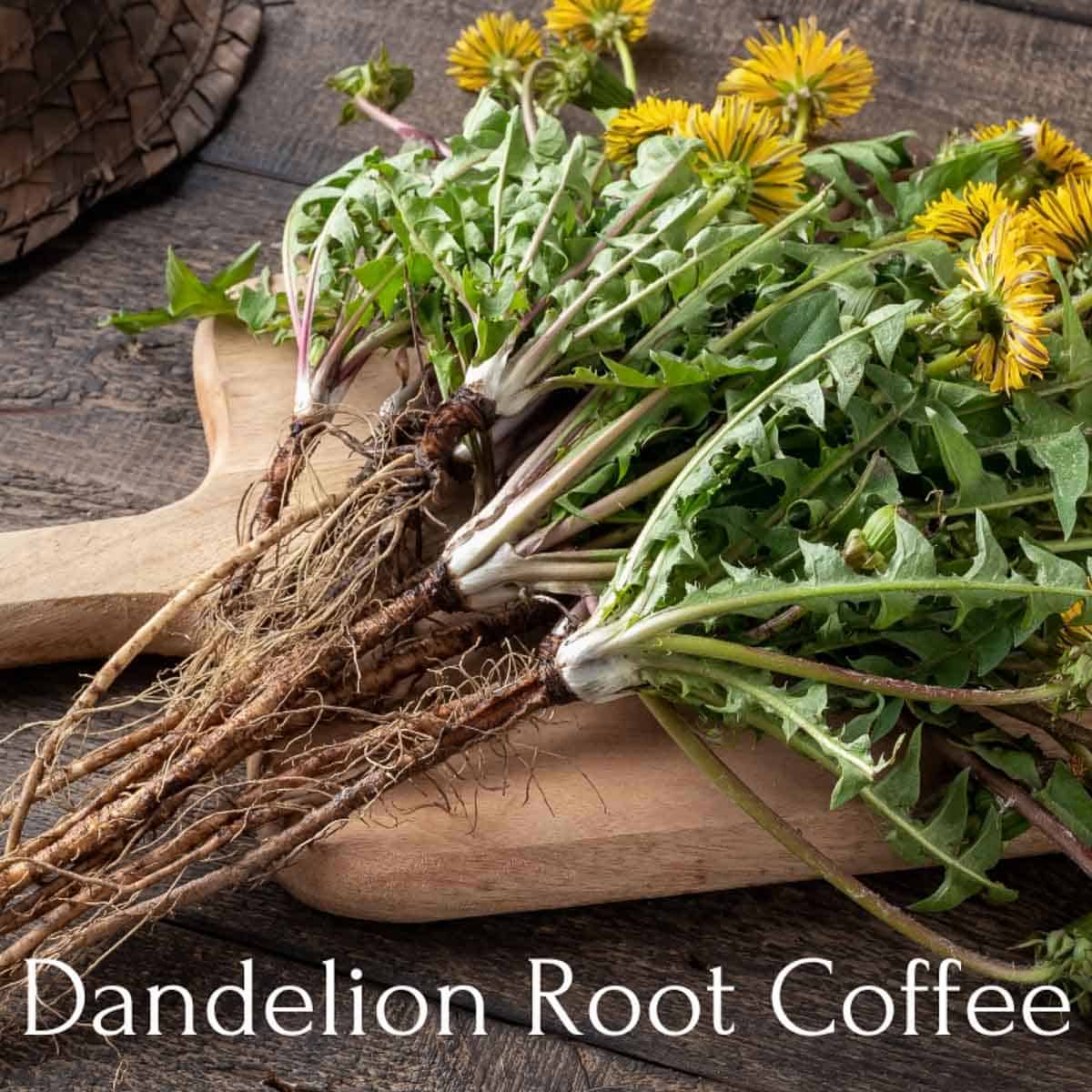
Seeing all those freshly pulled roots got me thinking about something I've been wanting to try for a long time: dandelion root coffee! I rinsed the roots, dried them in the sun, and then roasted them in the oven.
Once they were brittle, I ground them in a coffee grinder, then simmered the grounds in water to make a delicious cup of coffee. I had mine with sugar and cream, and Scott enjoyed his black. I'll definitely be making it again now that I can harvest the roots so easily. If you don't want to make salve with the flowers, make dandelion jelly instead!
Jump to:
What is Dandelion Coffee?
Dandelion coffee is a caffeine-free herbal drink made from the roasted roots of the common dandelion plant. The roots are cleaned, dried, and roasted until aromatic, then ground and brewed much like regular coffee.
Despite the name, it doesn't contain any actual coffee beans. Instead, it's valued for its rich, slightly bitter flavor that's often compared to traditional coffee, with earthy, nutty, and subtly chocolatey notes.
Dandelion coffee has been used for centuries as a coffee substitute, especially during times when coffee was scarce or expensive. Today, it's popular with people looking to reduce caffeine or enjoy the potential health benefits associated with dandelion root, particularly its support for digestion and liver health.
You can brew it using a French press, a drip coffee maker, or simply steep it like tea, depending on how strong you like it.
If you enjoy coffee alternatives, you may also want to explore some of the best mushroom coffees available today. Unlike dandelion coffee, which is naturally caffeine-free and made from roasted dandelion roots, mushroom coffee typically combines coffee with functional mushrooms like chaga, lion's mane, reishi, and turkey tail for an added wellness boost.
Ingredients & Substitutions
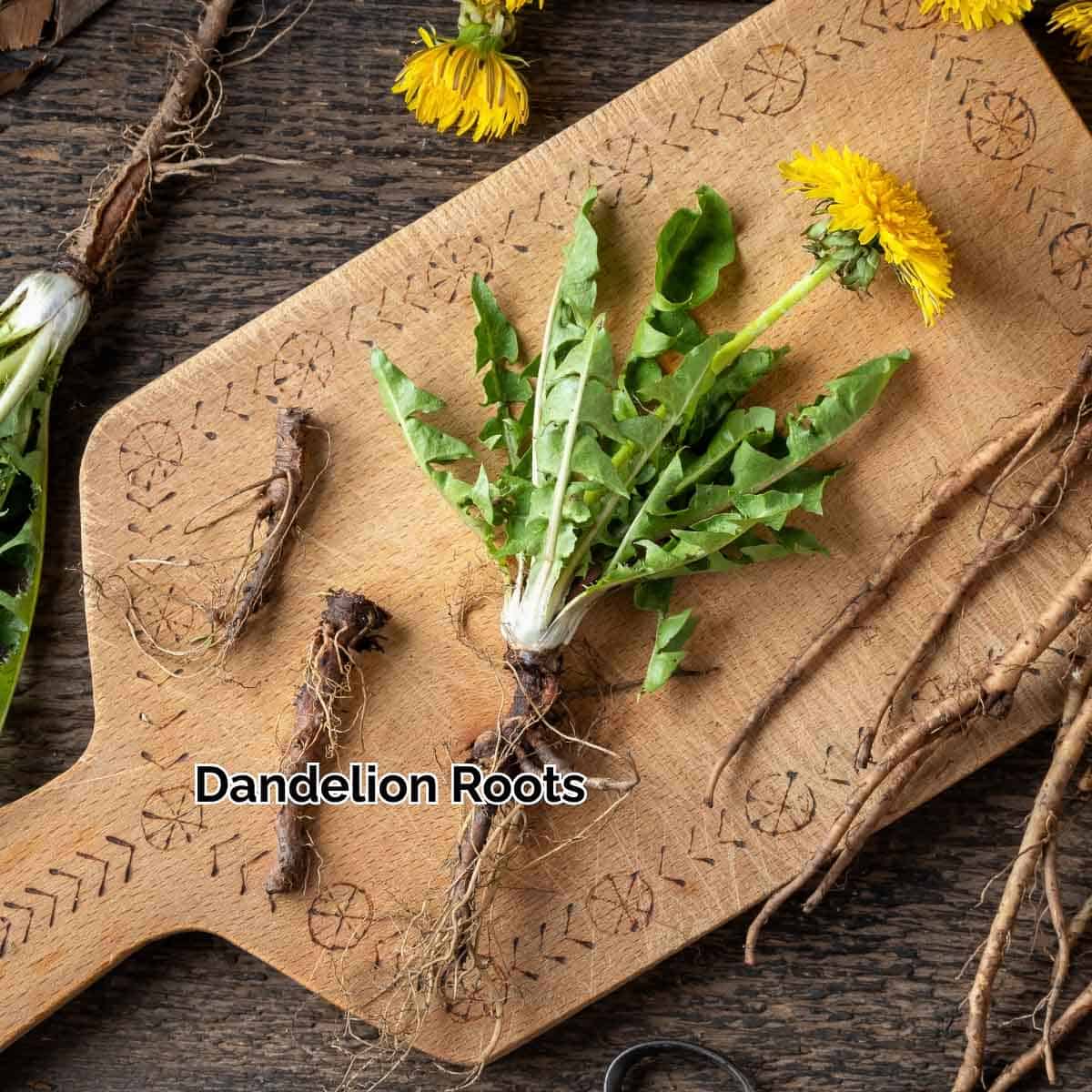
- Dandelion Root: All you need to make dandelion coffee is dandelion roots and water. Dandelion root can be foraged for free, or you can purchase roasted dandelion root, ready for your enjoyment!
- Optional: If you like your coffee sweetened and with cream, feel free to add raw honey or your favorite sweetener, and half-and-half or cream.
*See recipe card for quantities.
How to Make Dandelion Root Coffee
Dig dandelions by their roots, then remove the plant section, leaving only the roots. Wash thoroughly to remove soil. Scrub dirt off with a vegetable brush. Chop roots into ½" to 1" sections.
How to Roast Dandelion Root
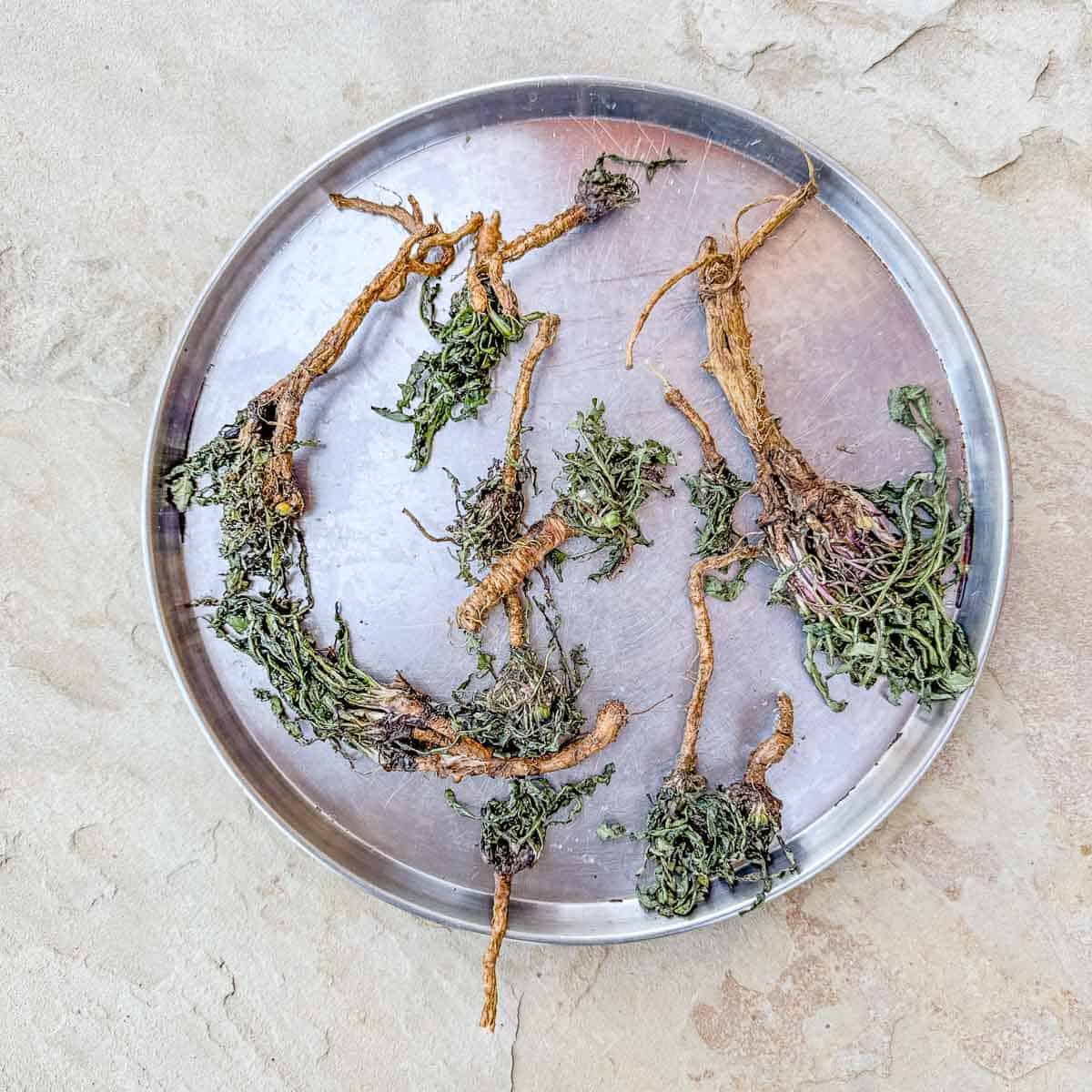
- Step 1: Dry roots outside, in the sun until dry, then roast in the oven for approximately 30 to 45 minutes at 325℉.
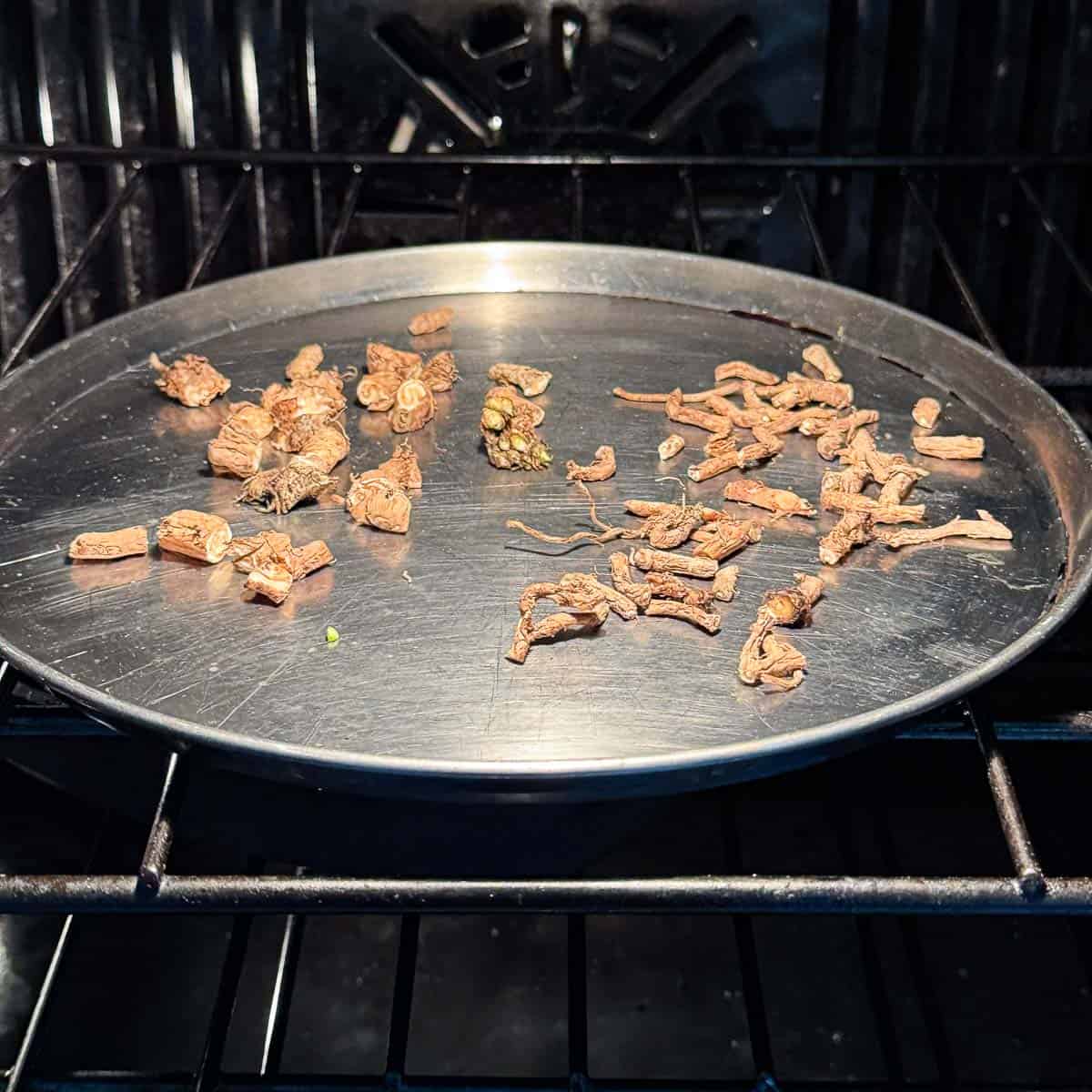
- Step 2: Check after 20 minutes, and remove smaller pieces once they're dry and brittle. Continue roasting the bigger pieces until they are completely roasted.
Dandelion Coffee Brewing Instructions
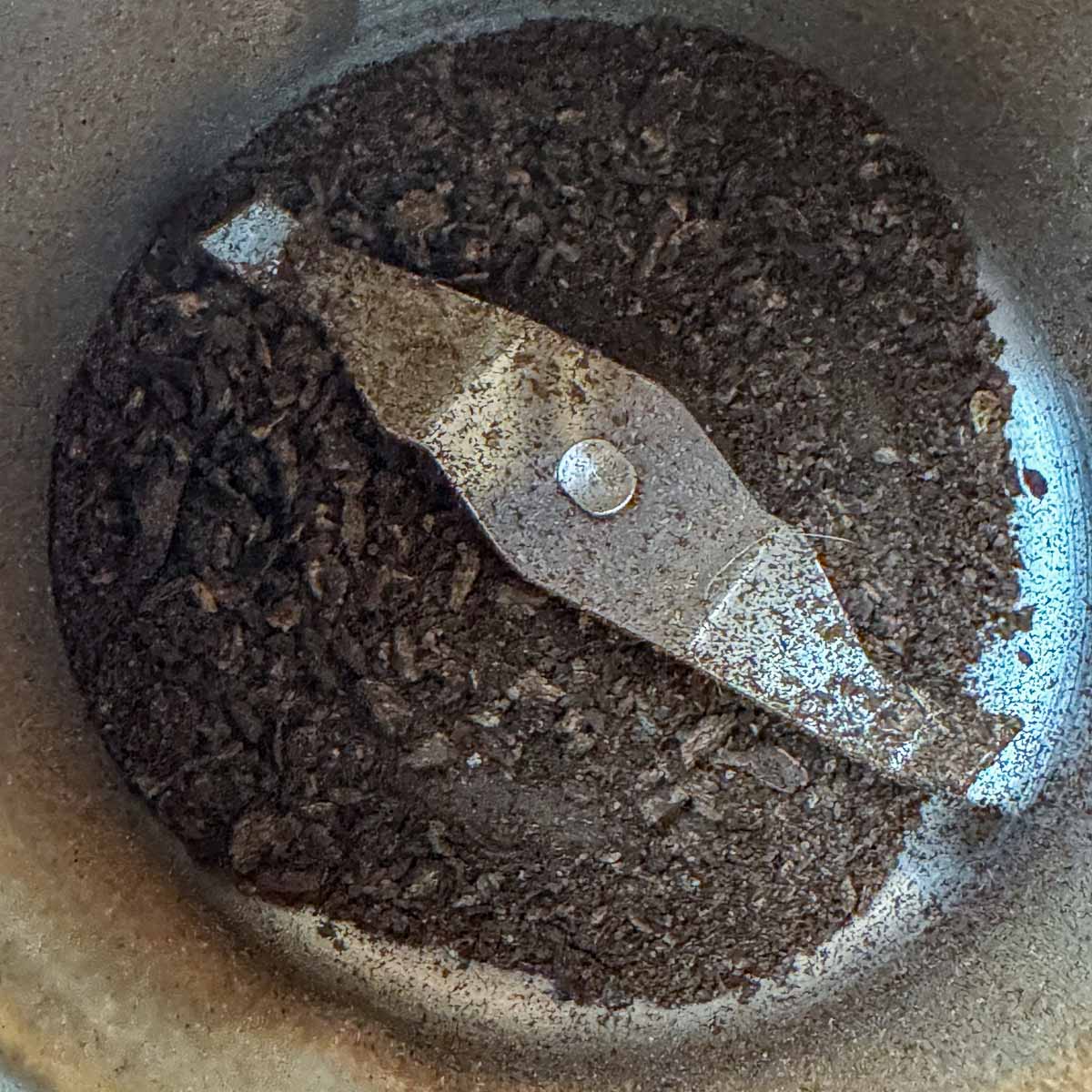
- Step 3: Once the roots are completely cool, grind 1-2 tablespoons per cup in a coffee grinder until they reach the same consistency as ground coffee.
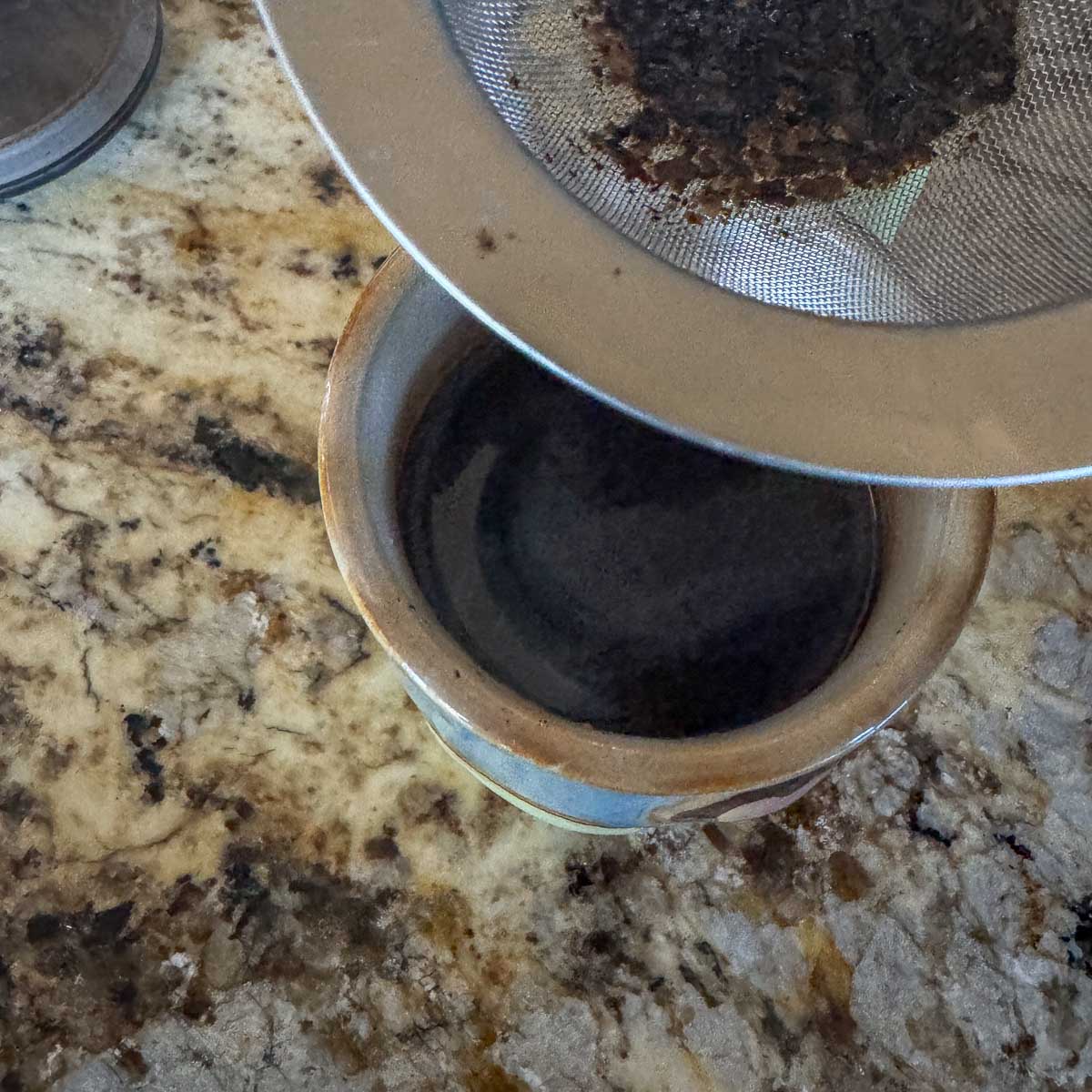
- Step 4: Add 2-3 tablespoons of ground dandelion roots to a pot along with 2 cups of water. Bring dandelion coffee to a boil, then simmer for 10 to minutes. Strain and serve!

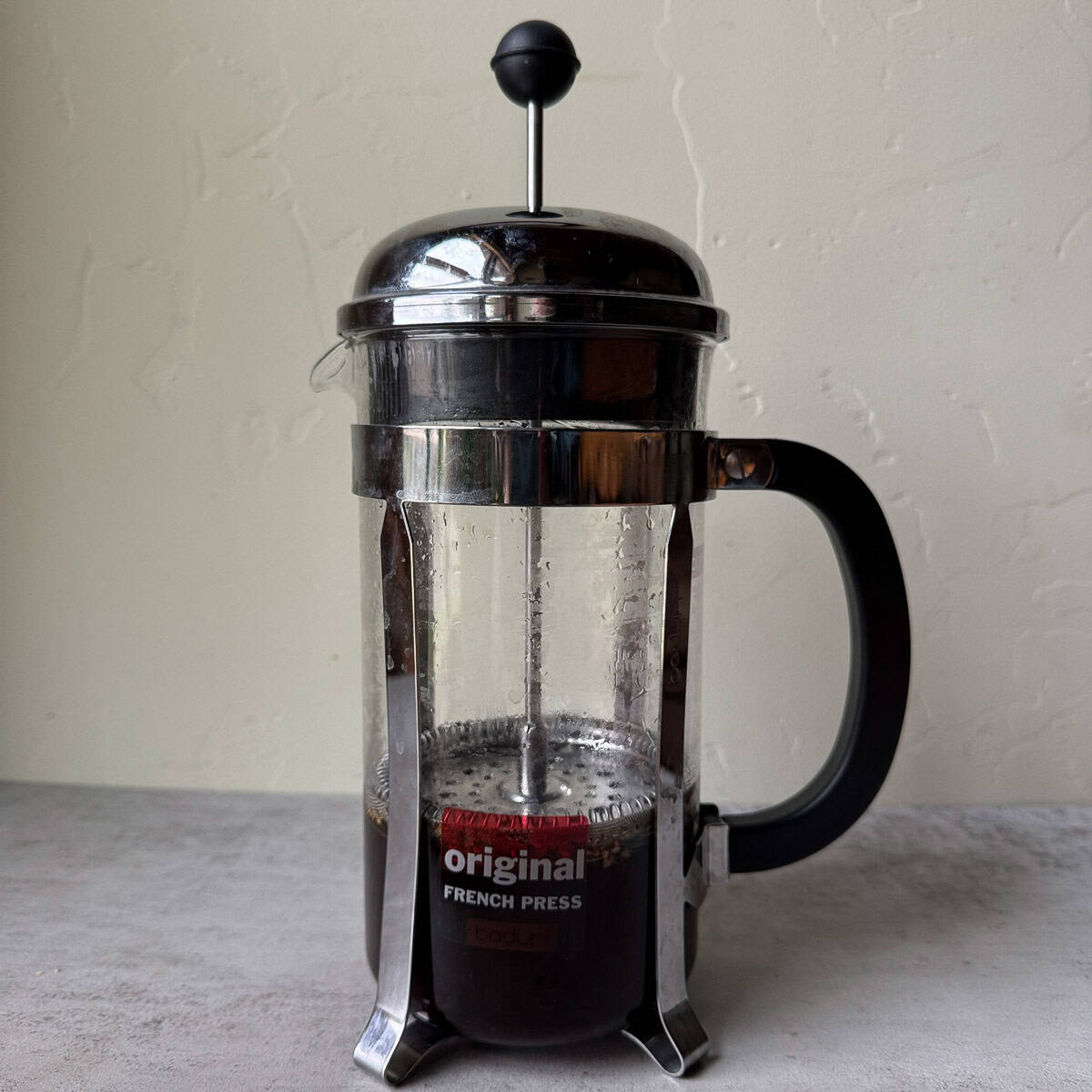
Dandelion Coffee Using A French Press
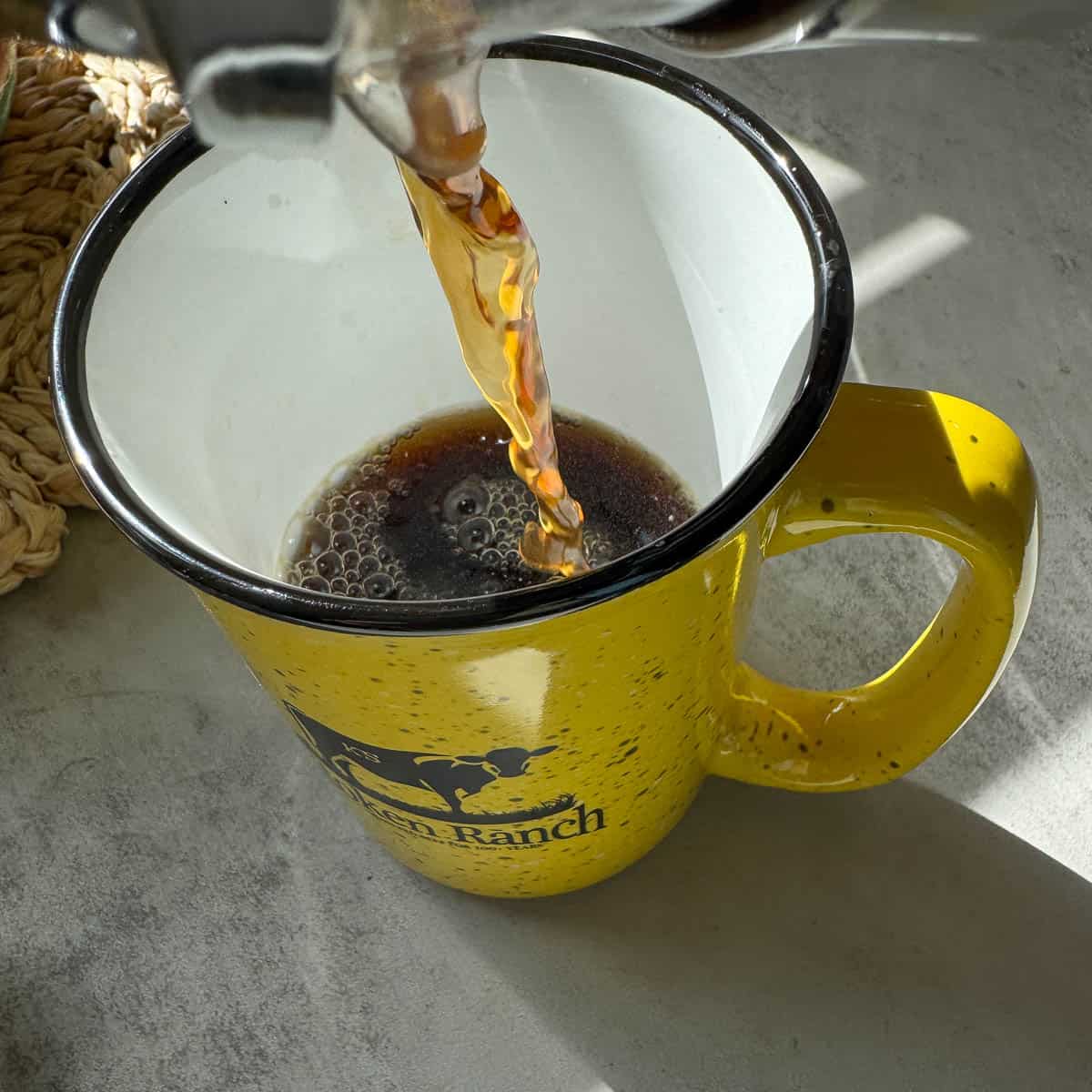
To make dandelion coffee with a French press, use coarsely ground roasted dandelion root, about the same texture as ground coffee. Add 1 to 2 tablespoons per 8 ounces of hot water. Pour boiling water over it and let it steep for 10 minutes. Press slowly and pour.

Dandelion Root Coffee Benefits
Dandelion root might look like something you just yanked out of your garden in frustration. Still, they're actually packed with some pretty impressive benefits, especially when roasted and brewed into coffee.
For starters, dandelion root is known for supporting liver health. It's traditionally been used to help the liver function more efficiently, which means better toxin processing and overall detox support.
It's also great for digestion. Dandelion root contains compounds that can help stimulate appetite and support healthy bile production, which your body needs to break down fats properly. Many people find that a warm cup of dandelion root tea or coffee after a meal helps ease bloating and keeps things moving along, if you know what I mean.
Another perk is that it's naturally caffeine-free. So if you love the ritual of sipping coffee but don't love the jitters, afternoon crash, or sleep disruption, this is a solid alternative. You still get that rich, roasted flavor without your nervous system staging a protest.
Dandelion root is also a source of antioxidants, which help combat oxidative stress in the body. While it's not a magic potion, it's a simple, nourishing addition to your routine, similar to mushroom coffee (sponsored link). And let's not forget, it's basically free if you're foraging it yourself, which makes it even more satisfying. A healthy, comforting drink that starts as a "weed"? That's a win in my book!
Equipment Needed
All you need to make dandelion coffee is a coffee grinder to grind the roots and a method to simmer the roots in water. I used a small saucepan. Some people prefer using a French press.
How to Store Roasted Dandelion Root
Once your dandelion root is roasted and fully cooled, store it in the same way you would coffee to preserve its rich, toasted flavor. Keep it in an airtight jar in a cool, dark pantry away from heat and light. Properly stored, the roasted roots will stay fresh for about 4 to 6 weeks.
For longer storage, portion roasted dandelion root into small airtight bags or vacuum-seal it and freeze it for up to 6 months. This helps lock in flavor and prevents it from going stale.
For the best taste, avoid grinding the entire batch at once. Instead, grind only what you need for each brew, since ground roots lose their aroma and depth much faster than whole roasted pieces. Simple, but it makes a noticeable difference in the cup.
FAQ
Dandelion root is generally considered safe for most people. Because it acts as a mild diuretic, it may increase urination. Some people may also experience digestive upset, especially if they drink it in large amounts.
It may not be suitable for people with allergies to plants in the ragweed family, or those taking certain medications. If you're pregnant or nursing, or have underlying health conditions, it's best to check with a healthcare provider before using it regularly.
You can buy dandelion coffee at most health food stores, natural grocery stores, or online retailers like Amazon. It's often sold as roasted and ground dandelion root or in a tea bag form. If you want the best flavor, look for 100% roasted dandelion root with no fillers or additives. Or roast and prepare your own for a fresher, stronger taste.
Dandelion coffee has a toasty, earthy, and slightly bitter flavor, with hints of nuttiness and sometimes a mild caramel-like undertone depending on how dark the roots are roasted. It doesn't taste exactly like foffee, but it's rich enough to satisfy people looking for a caffeine-free alternative.
To make dandelion coffee, use roasted and ground dandelion root. Add about 1-2 tablespoons per 8 ounces of hot water. You can brew it in a French press or simmer it on the stove. Let it steep for 10 to 15 minutes, then strain and serve.
Roasted dandelion "coffee" is made from dried, roasted dandelion roots, which gives it a deep, earthy, slightly bitter flavor similar to coffee. It's brewed much like coffee and often used as a caffeine-free coffee alternative.
Dandelion tea, on the other hand, is usually made from fresh or dried dandelion leaves, flowers, and unroasted roots. It has a much lighter, more herbal flavor and tastes closer to a green tea or herbal tea.
Dandelion Lookalikes (Above Ground)
The following plants can be confused with dandelion when harvesting:
Cat's Ear (Hypochaeris radicata)
Looks almost identical at first glance, but has hairy leaves and branched flower stems.
Chicory (CIchorium intybus)
Has similar jagged leaves, but blue flowers instead of yellow, and a taller branching structure. Fun fact, its root is also roasted for coffee blends!
Sow Thistle (Sonchus species)
Looks similar in leaf form, but grows a branched, leafy stem instead of a single hollow stalk.
Hawkweed (Hieracium species)
Often mistaken for dandelions, but has multiple smaller flowers per stem.
Pro Tips
- Dry the roots completely. If there's any moisture left in the roots, they'll steam instead of roast. You want them dry so they actually develop that rich, roasted flavor.
- Chop your roots into similar-sized pieces before roasting. If not, you'll end up with some burnt bits and some underdone pieces.
- Don't just toss them in the oven and hope for the best. Lightly roasted roots have a mild, slightly sweet flavor, while a darker roast brings out that deep, coffee-like bitterness. Just keep a close eye on them; they can go from perfect to burnt really fast.
- Adjust the coffee-to-water ratio based on how strong or light you like your coffee.

Dandelion coffee is a simple, wholesome way to enjoy a rich, coffee-like drink without caffeine. Whether you're looking to cut back on coffee or just want to try something new, roasted dandelion root offers a surprisingly satisfying and nourishing alternative that's easy to make at home.
If you enjoy experimenting with coffee alternatives, be sure to check out my guide to the best mushroom coffees. While roasted arrowleaf balsamroot is naturally caffeine-free, mushroom coffee typically combines coffee with functional mushrooms like chaga, lion's mane, reishi, and turkey tail.
More Foraging Recipes
Looking for other recipes like this? Try these:




Recipe
Roasted Dandelion Root Coffee Recipe
Equipment
Ingredients
- dandelion roots
- water
Instructions
- Dig dandelions by their roots, then remove the plant section, leaving only the roots. Wash thoroughly to remove soil. Scrub dirt off with a vegetable brush. Chop roots into ½" to 1" sections.
- Dry roots outside, in the sun until dry, then roast in the oven for approximately 30 to 45 minutes at 325℉.
- Check after 20 minutes, and remove smaller pieces once they're dry and brittle. Continue roasting the bigger pieces until they are completely roasted.
- Once the roots are completely cool, grind 1-2 tablespoons per cup in a coffee grinder until they reach the same consistency as ground coffee.
- Add 2-3 tablespoons of ground dandelion roots to a pot along with 2 cups of water. Bring to a boil, then simmer for 10 to minutes. Strain and serve!
Notes
- Dry the roots completely. If there's any moisture left in the roots, they'll steam instead of roast. You want them dry so they actually develop that rich, roasted flavor.
- Chop your roots into similar-sized pieces before roasting. If not, you'll end up with some burnt bits and some underdone pieces.
- Don't just toss them in the oven and hope for the best. Lightly roasted roots have a mild, slightly sweet flavor, while a darker roast brings out that deep, coffee-like bitterness. Just keep a close eye on them; they can go from perfect to burnt really fast.
- Adjust the coffee-to-water ratio based on how strong or light you like your coffee.
Hilda Sterner says
I'd love to know if you try dandelion coffee and what you think of it!