
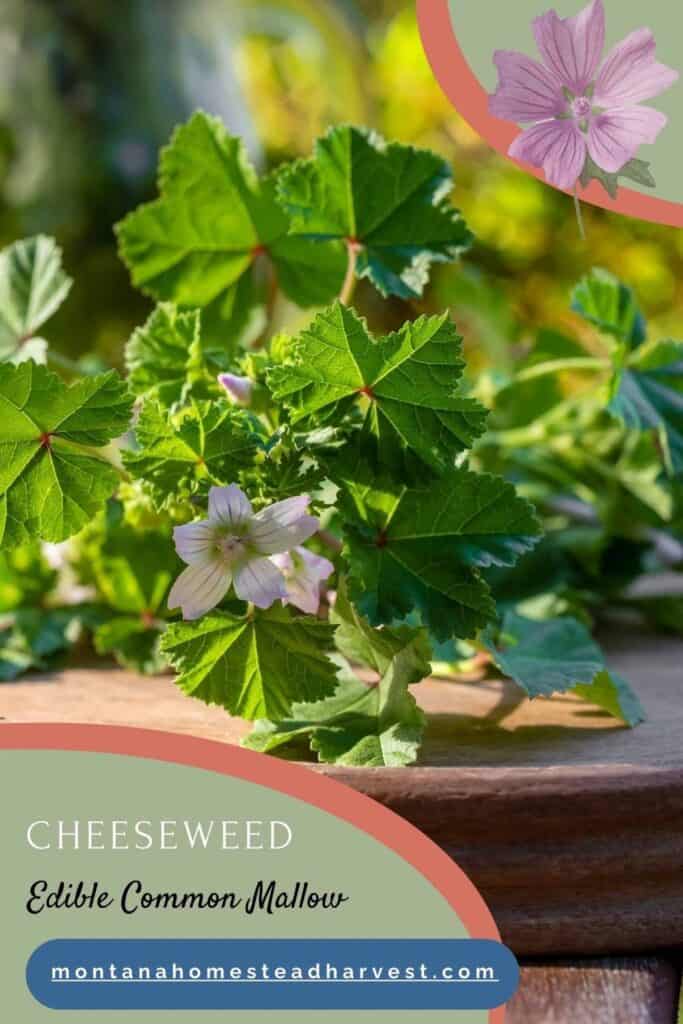
If you've ever spotted a low-growing weed with round leaves and tiny purple flowers, you may have stumbled across cheeseweed (cheese weed), also known as common mallow. Like lamb's quarters, cheeseweed can be sautéed and used as a flavorful spinach substitute, with plenty of other culinary and herbal uses as well!
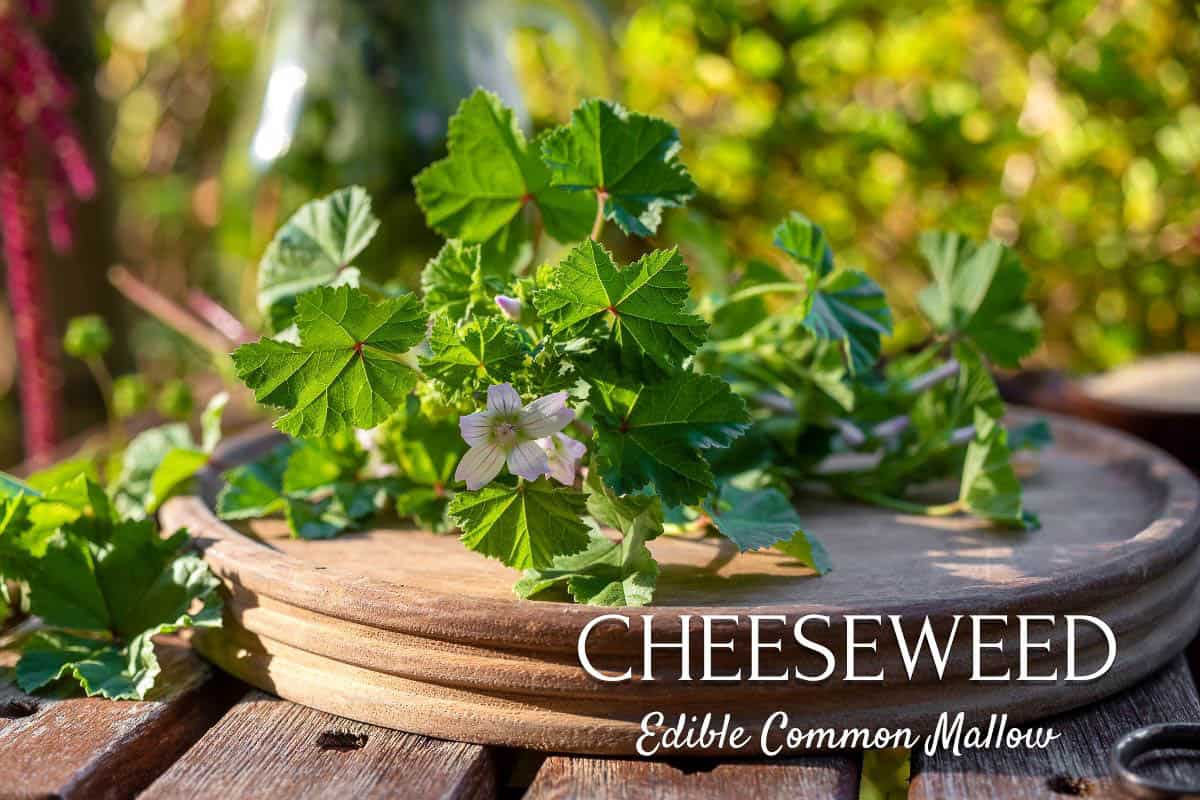
Cheeseweed is a common name used for several types of wild mallow, including Malva neglecta and Malva parviflora, which are closely related and have similar edible uses.
I first noticed it everywhere while on a walk with my daughter in San Diego, and then learned that it grows here in Montana, too. It can often be found growing in field edges, disturbed soil, and garden beds (although I don't remember seeing it in my Montana garden).
Most people pull it out without a second thought, but cheeseweed is actually a useful edible plant with a long history in both traditional cooking and herbal remedies. It has been enjoyed for centuries in Mediterranean and Middle Eastern cuisines and was even eaten by the ancient Greeks and Romans. Yes, you can even use it instead of grape leaves to make dolma!
In this post, we'll take a closer look at what cheeseweed is, how to identify it, and how it can be used safely. Then learn how to identify birch vs aspen.
Jump to:
- What is Cheeseweed?
- Where Does Cheeseweed Grow?
- How to Identify Cheeseweed (Common Mallow)
- Is Cheeseweed Edible?
- Nutritional Benefits of Cheeseweed (Common Mallow)
- How to Eat Cheeseweed?
- Traditional and Herbal Uses
- Is Cheeseweed Used for Tea?
- Can it Be Used in Salves?
- Where to Harvest Cheeseweed Safely
- Cheeseweed Look-Alikes
- FAQ
- Pro Tips
- Final Thoughts
- More Foraging Posts
- Comments
What is Cheeseweed?
Cheeseweed is the common name for Malva neglecta, a type of wild mallow. It's a hardy plant that grows in many parts of the United States, including Montana.
It may be considered a weed by some, but for foragers, it's a surprisingly useful plant for the following reasons:
- It's edible
- It has a mild flavor
- Very easy to identify
- Rich in soothing plant compounds
Where Does Cheeseweed Grow?
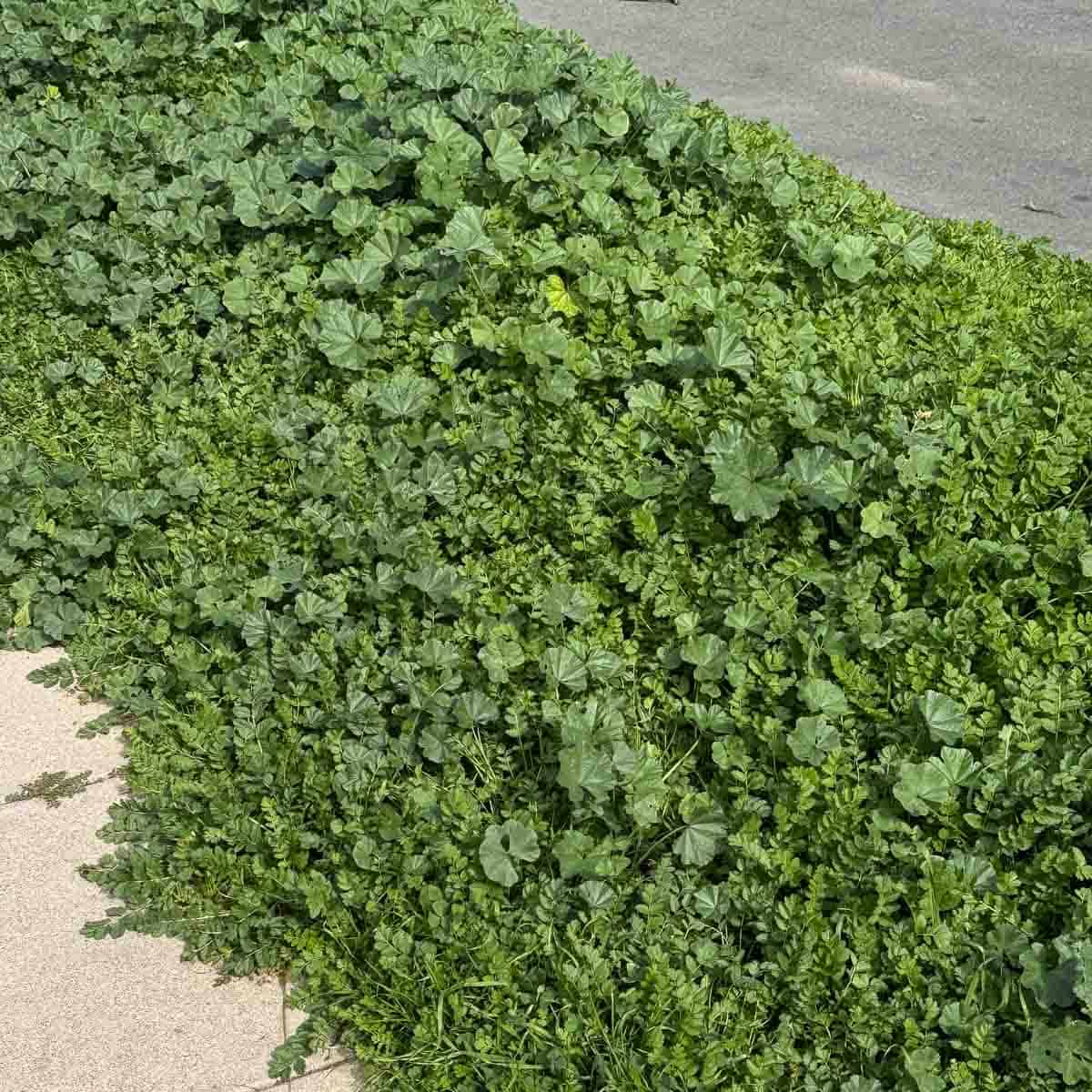
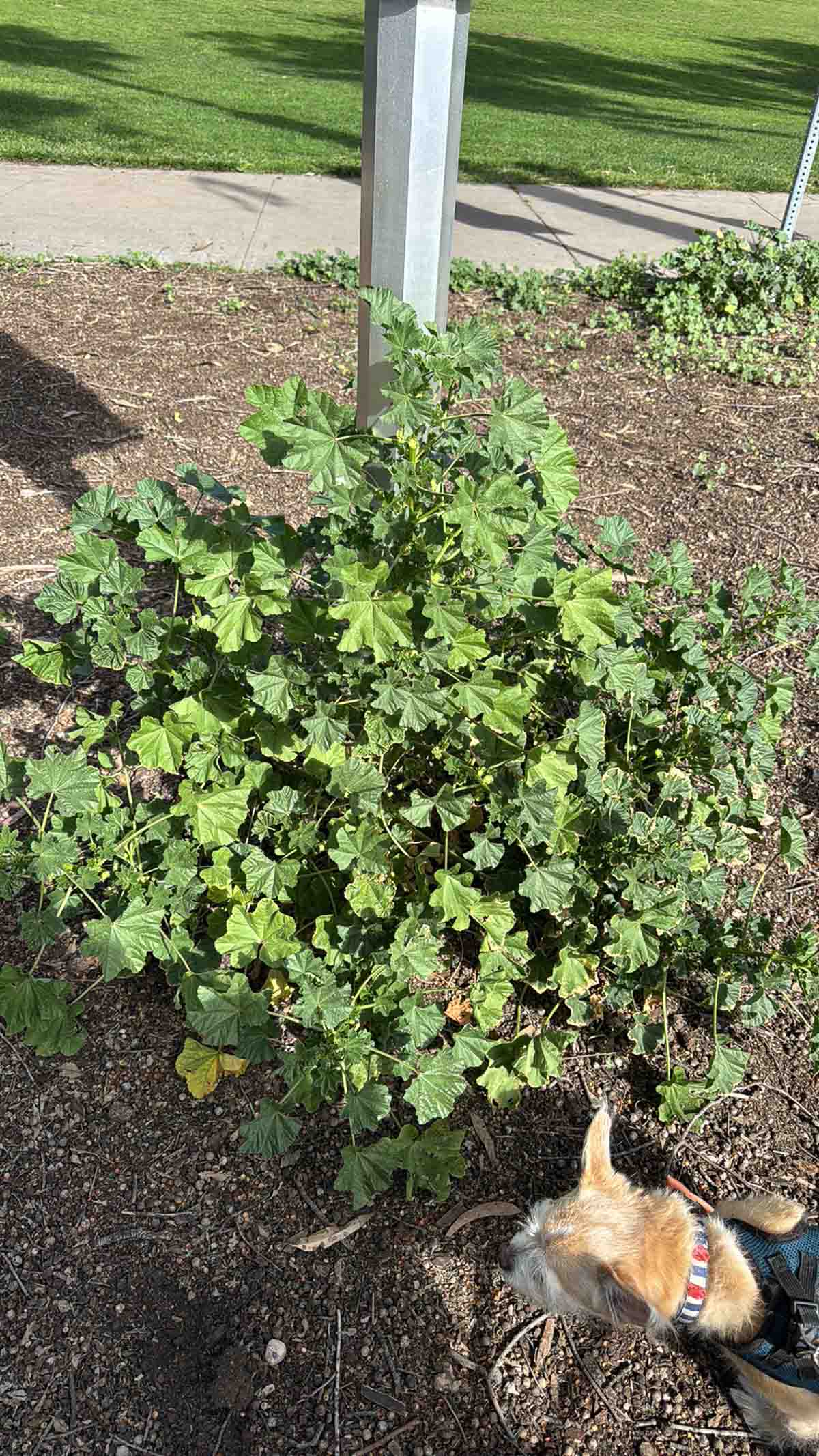
Cheeseweed grows along garden beds, pasture edges, along buildings, and roadsides. You'll often see it spring through summer, depending on rainfall and temperatures.
How to Identify Cheeseweed (Common Mallow)
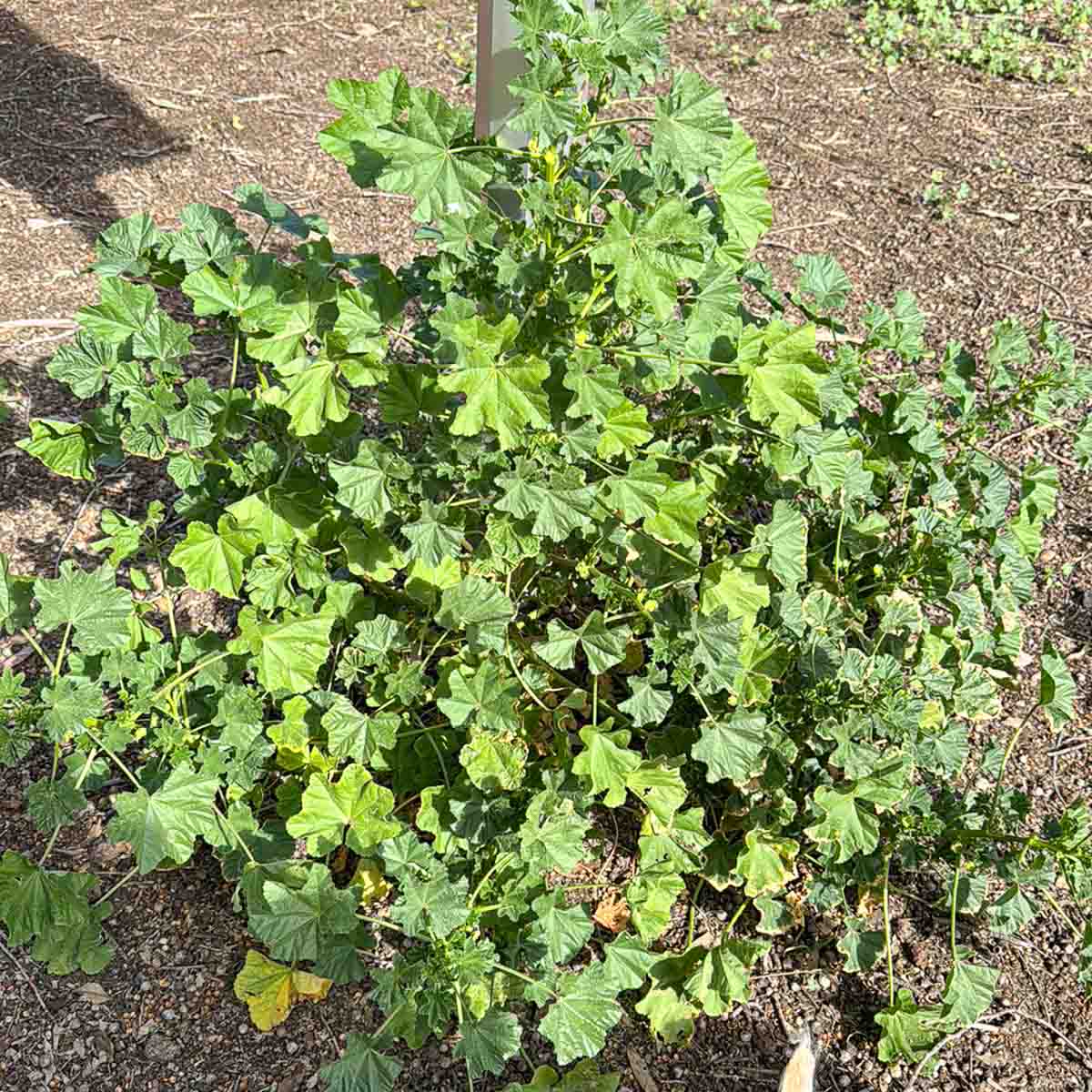
Cheeseweed is a begginer-friendly plant, but proper identification is still important. Look for these key features:
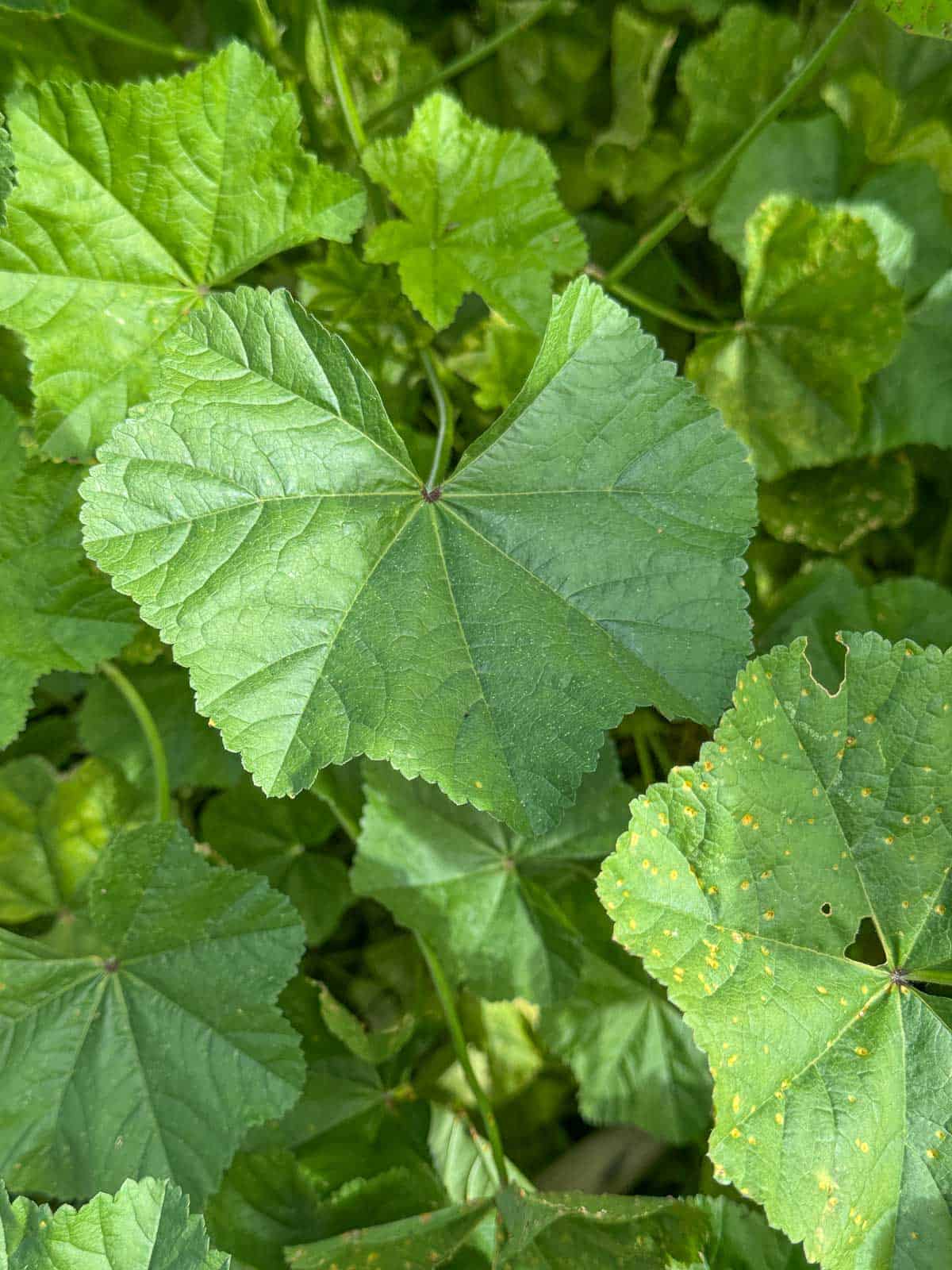
Leaves
- Round or kidney-shaped, they slightly resemble grape leaves
- They have softly scalloped edges
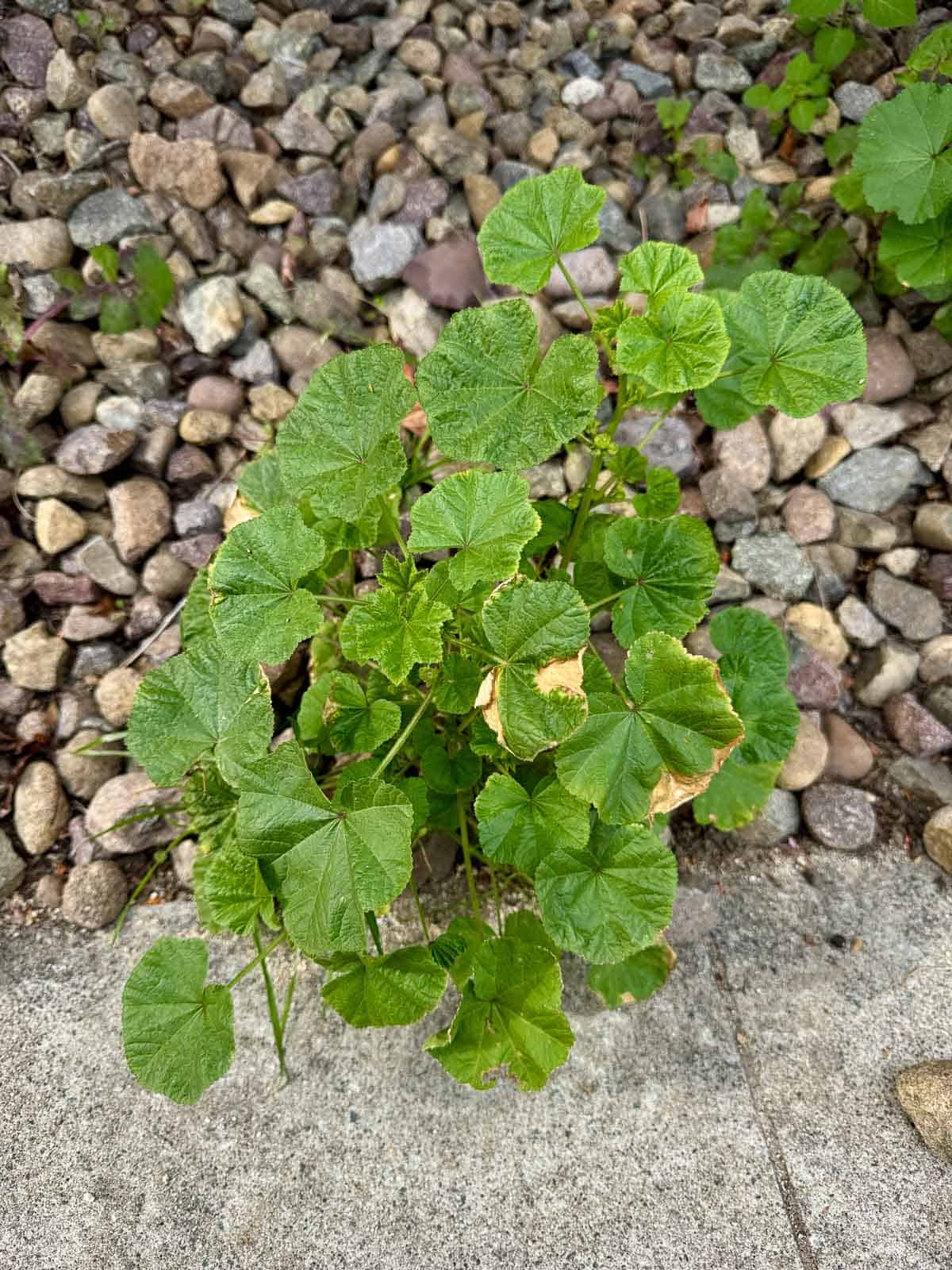
- The plant can either grow as a bush or close to the ground as a ground cover
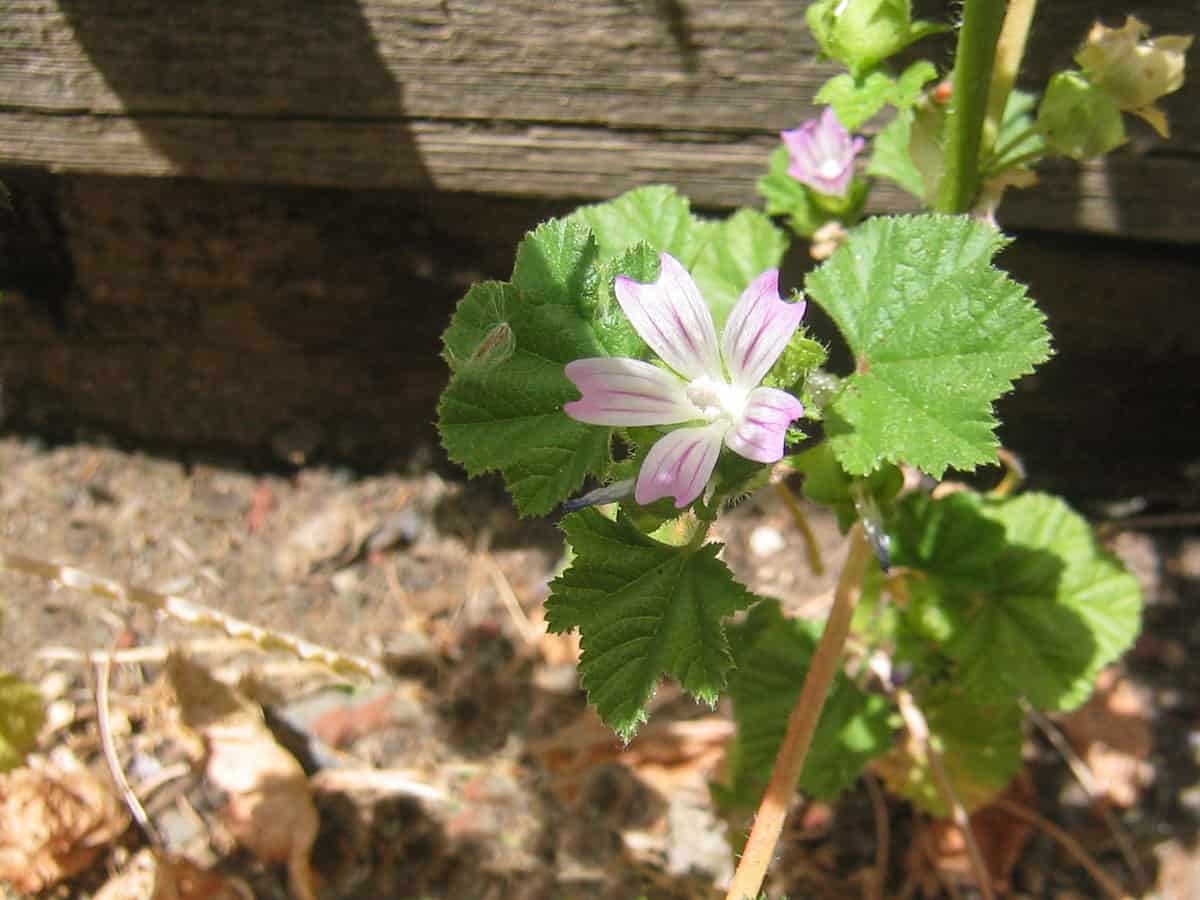
Flowers
- Small white and lavender flowers with purple stripes on each petal.
- The flowers have five petals.
- They bloom throughout the summer.
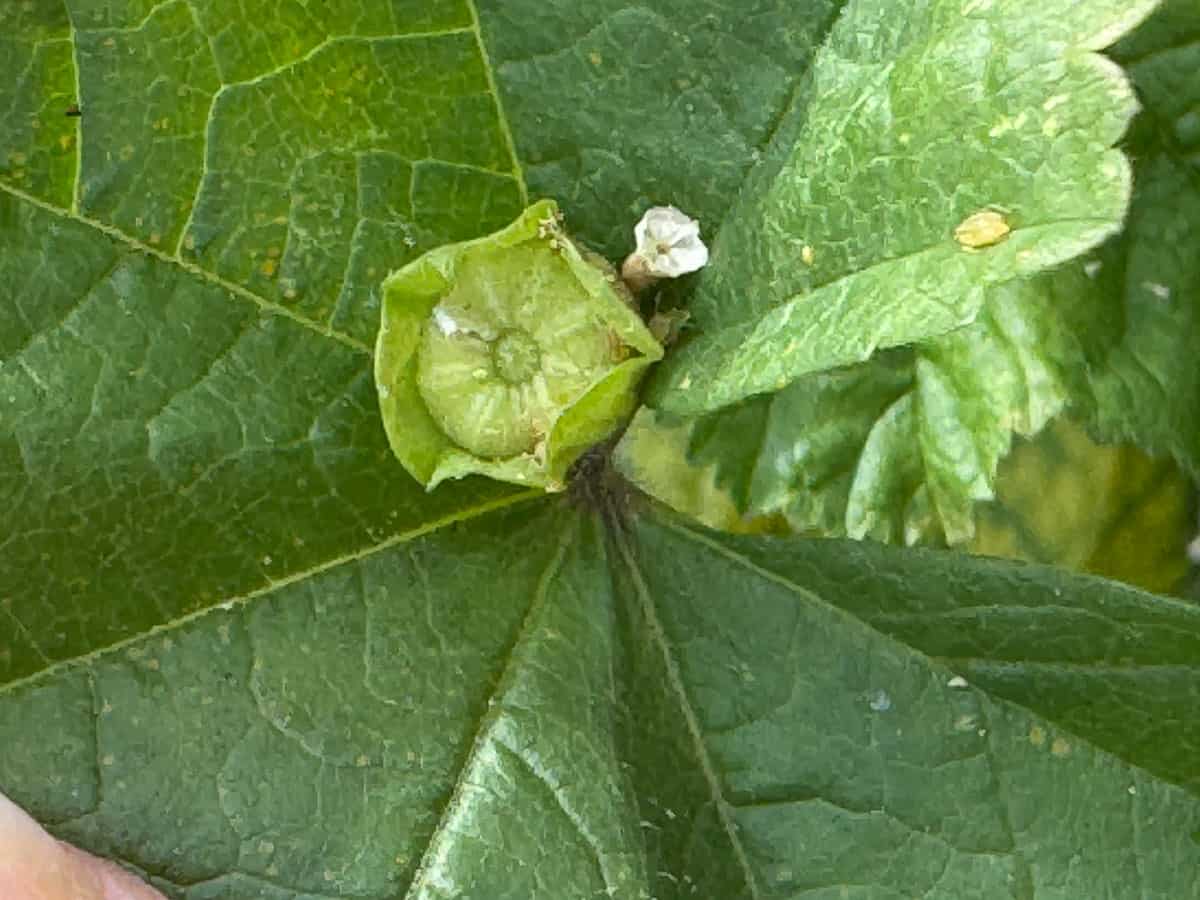
Seed Pods
- Round segmented discs
- Resemble tiny cheese wheels
- Once dried, the tiny seeds come to the surface and fall out of the disc
Foraging Safety Disclaimer:
This article is for educational purposes only and is not intended as medical advice. Always use caution when foraging for wild plants, as misidentification can lead to serious illness. Never consume a plant unless you are 100% certain of its identity, and consult a local expert or reputable field guide when in doubt. Avoid harvesting from roadsides, treated lawns, or contaminated areas. If you are pregnant, nursing, taking medications, or have underlying health conditions, speak with a qualified healthcare professional before using wild plants for food or herbal purposes.
Is Cheeseweed Edible?
Yes, cheeseweed is edible. Many parts of the plant are edible, including:
- Young leaves
- Stems
- Flowers
- Immature seed pods
The flavor is mild and earthy, similar to chard, and the texture becomes soft when cooked. Cheeseweed is especially known for its mucilage, a natural slippery compound also found in okra. This makes it useful as a thickener in soups and stews.
Nutritional Benefits of Cheeseweed (Common Mallow)
Cheeseweed may look like an ordinary backyard weed, but it offers some surprising nutritional perks. Like other leafy greens, common mallow contains a variety of beneficial plant compounds and nutrients that can support a healthy diet.
Cheeseweed leaves provide vitamins A and C, which play important roles in immune function, skin health, and overall wellness. The plant also contains minerals such as calcium, magnesium, and potassium, all of which support bone health and normal muscle function.
One of cheeseeweed's most unique qualities is its high mucilage content, a soothing gel-like fiber that can help support digestion and has traditionally been used to calm irritation in the throat and gut. Because of its mild flavor and tender texture when cooked, cheeseweed can be an easy way to add extra nutrients to soups, sautéed greens, and other simple dishes.
While it may not replace spinach or kale in your diet, cheeseweed is a wonderful example of how wild edible plants can provide both nourishment and traditional value when harvested responsibly.
How to Eat Cheeseweed?
Tender spring leaves can be added to salads or tucked into sandwiches. Older leaves can be sauteed in stir-fries or used as a spinach substitute. The larger leaves can even be used as grape leaf substitutes to make stuffed grape leaf dolma.
Cheeseweed can also be added to soups. Because of its thickening quality, cheeseweed works well in brothy soups and stews like this vegetarian mallow leaf stew.
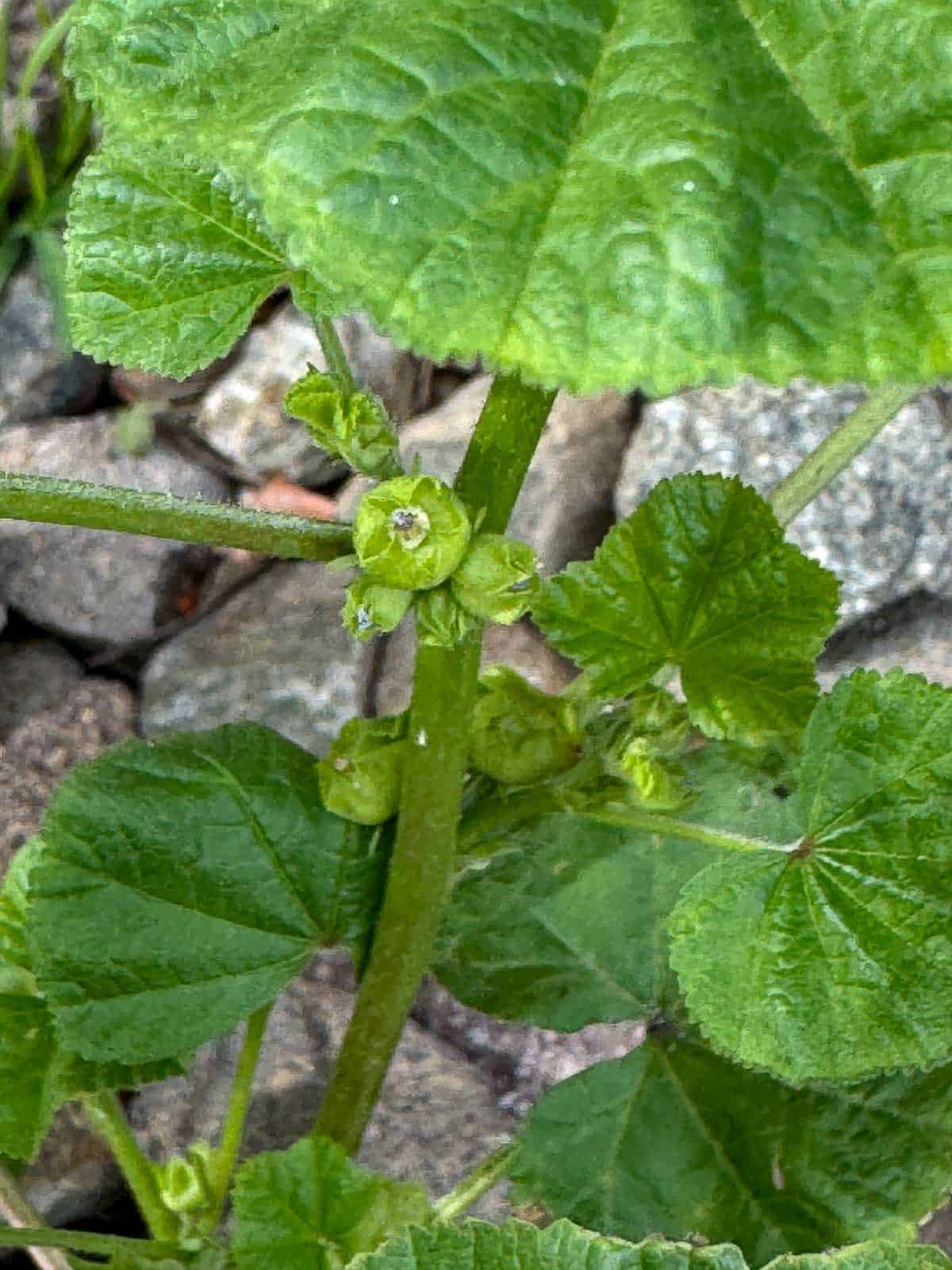
Don't forget to try the "cheese" seeds! The green seed pods can be eaten fresh as a trail snack or pickled to make mallow seed capers.
Traditional and Herbal Uses
Historically, mallow has been used as a soothing herb. Because it contains mucilage, it has been used in folk herbal practices to support:
- Irritated throats
- Dry coughs
- Mild digestive discomfort
- Skin-soothing poultices
(As always, consult a qualified professional before using wild plants medicinally.)
Is Cheeseweed Used for Tea?
Yes, mallow leaves and flowers are commonly brewed to make a mild herbal tea. Because the plant is rich in mucilage, the tea is traditionally used to treat scratchy throats, dry coughs, and mild digestive issues.
The tea tends to be lightly "slippery" in texture, similar to marshmallow root tea.
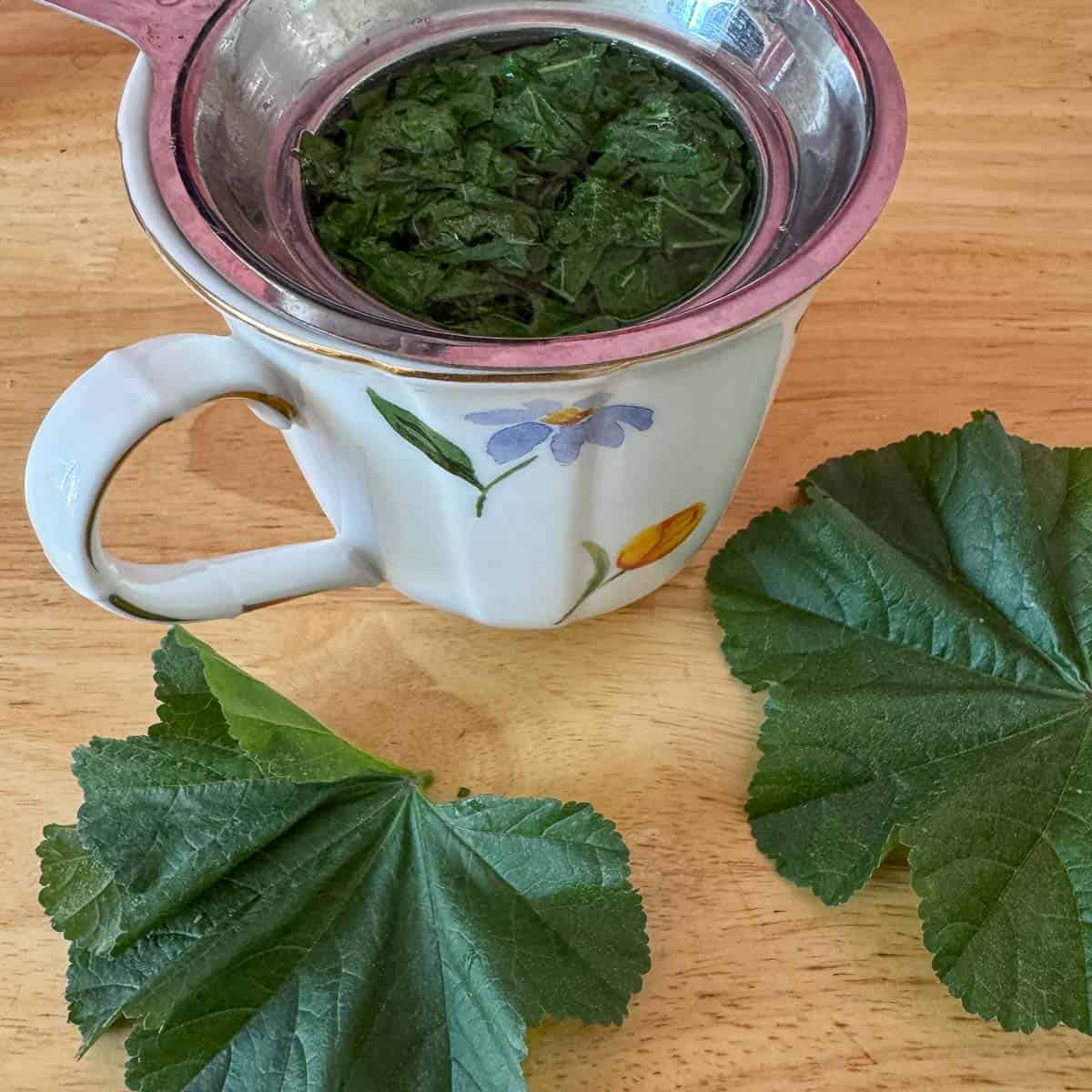
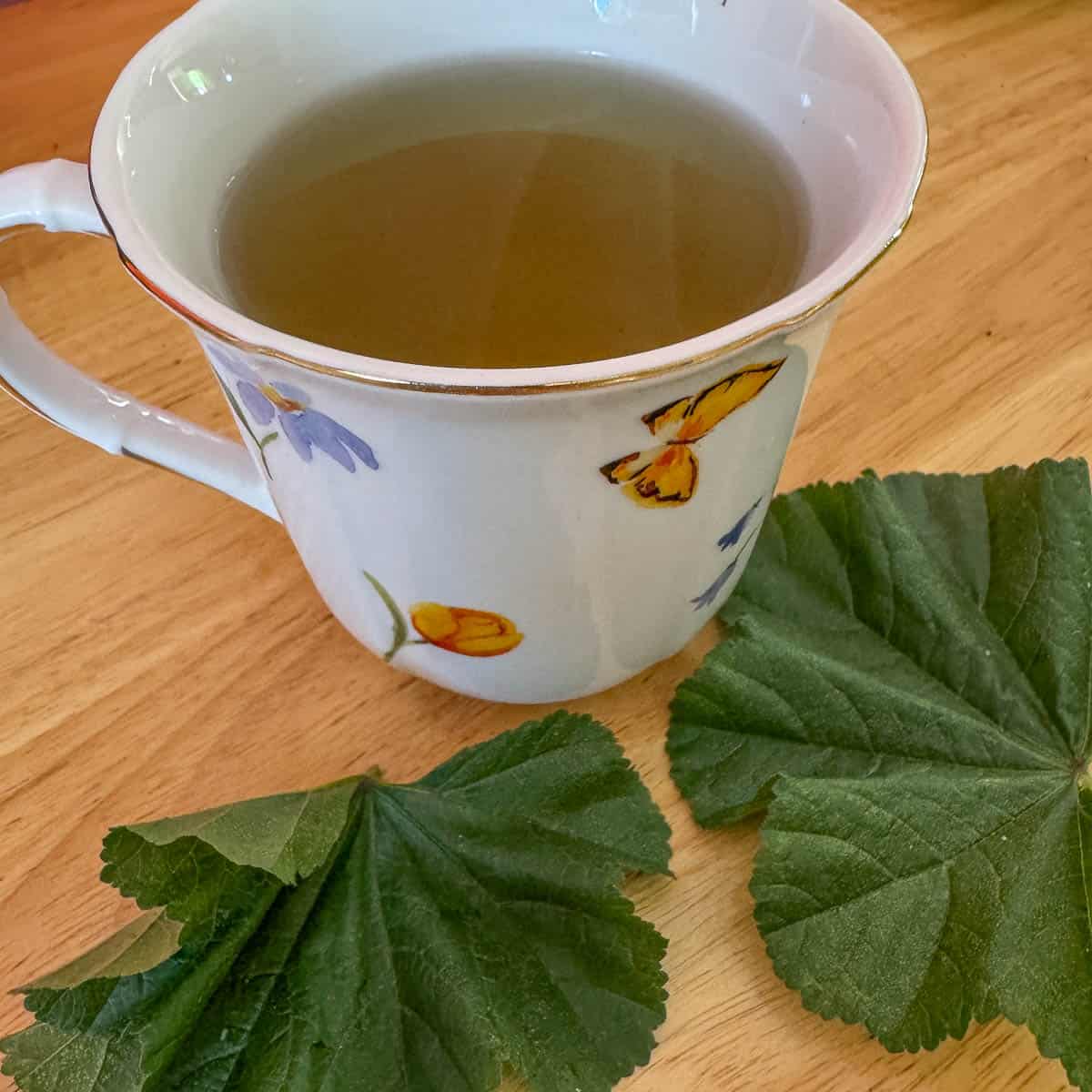
Pro Tip: Use hot, not boiling water, to preserve the soothing compounds.
Can it Be Used in Salves?
Yes, it can! Traditionally, it's used topically for dry, irritated skin, minor rashes, and insect bites. The leaves can be crushed into a poultice or infused in oil to make salves alongside herbs like calendula and plantain.
Where to Harvest Cheeseweed Safely
Since cheeseweed often grows near people, it's important to harvest responsibly. Avoid plants growing:
- Along roadsides
- Near-sprayed lawns
- In areas visited by pets or livestock
Choose clean, off-the-beaten-path locations in the wild or untreated locations you trust!
Cheeseweed Look-Alikes
Cheeseweed is fairly distinctive, but it can be confused with other low-growing mallows. When in doubt:
- Confirm flower shape
- Check the seed pod "cheese wheel" appearance
- Consult a trusted field guide
- Never eat anything unless you're 100% sure you have identified it correctly
FAQ
Yes. Cheeseweed is a common nickname for common mallow (Malva neglecta).
Young leaves can be eaten raw, but older leaves are better cooked.
It's considered non-native in many areas and can spread easily, but it's also edible and useful.
Mild, slightly earthy, and a little like spinach when cooked.
Pro Tips
- Harvest young leaves for the best flavor. The tender spring leaves are mild and soft. Older leaves can get tougher and more mucilaginous (aka slippery).
- Avoid roadside plants. Stick to clean, unsprayed areas.
- Don't overcook it. A quick sauté is best. Long cooking makes it extra gooey.
- If using cheeseweed medicinally, a cold or lukewarm infusion often extracts the soothing mucilage better than boiling water.
- If making salve, dry it first and add it to stronger medicinal herbs like comfrey, yarrow, or plantain salve.

Final Thoughts
Cheeseweed may be one of the most overlooked edible weeds out there. It's common, useful, and surprisingly nutritious, and once you learn to recognize it, you'll start seeing it everywhere.
So next time you spot this "weed" creeping through your garden, you might pause before pulling it out. Sometimes the best wild foods are the ones growing right at your feet.
More Foraging Posts
Looking for similar posts? Try these:


Comments
No Comments