
Planning a Montana garden in zone 4 takes more than picking a few seed packets and waiting for the right time to plant them. Montana's short growing season and late frosts mean gardeners have to be a little more strategic if they want a productive vegetable garden. It's even possible to grow saffron in Montana!
Planning a garden in Montana when you live in zone 4 isn't impossible; you just need to have a strategy. With cold-hardy crops like kale, carrots, and onion sets, smart timing, and a few season-extension tricks, you can grow a thriving Montana vegetable garden that produces all summer long.
Whether you're starting your first garden or trying to improve last year's harvest, this guide will walk you through exactly how to plan a Montana garden that works in zone 4.
Jump to:
- What Makes a Montana Zone 4 Garden Different?
- Know Your Zone and Frost Dates
- Choose Vegetables That Thrive in Zone 4
- Warm Season Vegetables (Grow with Care)
- Start Seeds Indoors for a Head Start
- Use a Zone 4 Montana Planting Schedule
- Plan Your Garden Layout For Maximum Sun
- Garlic Does Great in A Montana Garden
- The Best Herbs to Grow in a Montana Garden
- Medicinal Herbs
- Season Extension is the Secret to a Successful Montana Garden
- Don't Forget Wildlife Protection
- Improve Your Soil Every Year
- Create a Cozy Sitting Area in Your Garden
- Final Thoughts
- Related Posts
- Comments
What Makes a Montana Zone 4 Garden Different?
Vegetable gardening in Montana isn't the same as gardening in warmer states. I didn't know how spoiled I was in San Diego until I tried my hand at gardening for the first time in Montana. What a rude awakening! Zone 4 brings the following unique set of challenges:
A Short Growing Season
Many parts of Montana have only 90-110 frost-free days, which means every warm day counts. Frost-free periods vary widely depending on elevation and region, so planning around your local conditions is essential. Elevation can vary widely even within the same region, so what works in one Zone 4 garden may not work in another.
Late Spring Frost
In Zone 4, it's common to see frost well into late May. That's why planting too early is one of the biggest rookie gardener mistakes. I've learned from long-time residents in our area that you shouldn't plant your garden until there is no more snow visible on our local mountain range. Some years, that means not planting your garden until June!

Cool Summer Nights
Even in July, Montana nights can drop into the 40's, slowing down warm-season crops like tomatoes, eggplant, and peppers. The key to success is growing the right vegetables at the right time, and protecting them when Montana weather does what it does best: surprise you!
Know Your Zone and Frost Dates
If you're gardening in Montana zone 4, your planting schedule depends more on frost dates than the calendar. A typical Montana timeline looks like this:
- Last frost: late May to mid-June, last year, it fell on May 23rd
- First frost: early to mid-September, the average being September 10th
- Growing season: roughly 3 months
Montana State University Extension emphasizes that frost-free periods differ dramatically across the state, making timing one of the most important gardening factors.
Pro Tip: Don't plant based on what the seed packet says; plant based on what Montana weather allows.
Choose Vegetables That Thrive in Zone 4
The best Montana gardens are built around vegetables that can handle cold nights and a short season.

Cold Hardy Vegetables
- beets
- cabbage
- carrots
- kale
- lettuce
- potatoes
- peas
- radishes
- spinach
- swiss chard
MSU Extension recommends focusing on cold-hardy vegetables as the foundation of Montana gardening success. These should make up the core of your vegetable garden plan.


Warm Season Vegetables (Grow with Care)
Yes, you can grow warm crops in Montana zone 4; however, they need a head start and extra protection. Good choices include
- beans
- cucumbers
- tomatoes (especially cherry tomatoes)
- summer squash
- zucchini


Start Seeds Indoors for a Head Start
Because the growing season is short in Montana, starting the seeds indoors is essential.
Best Crops to Start Indoors
On average, start these 6-8 weeks before your last spring frost. See zone 4 planting schedule further down in this post for suggested dates. Keep in mind these dates are not set in stone; they can vary year to year.
- bell peppers
- broccoli
- cabbage
- cauliflower
- cucumbers
- eggplant
- jalapeno peppers
- spinach
- swiss chard
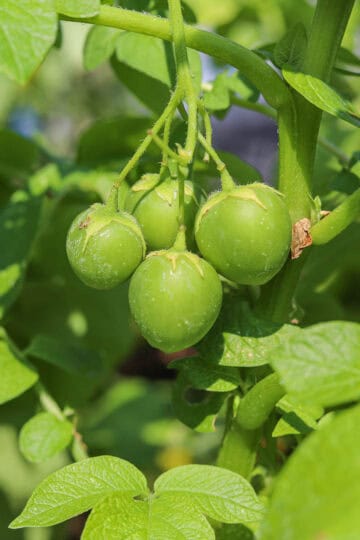
- green tomatillos & purple tomatillo plants
- tomatoes
- zucchini

This gives you strong transplants ready to go when the weather finally cooperates.
Use a Zone 4 Montana Planting Schedule
A planting calendar is one of the best tools for planning a Montana vegetable garden. Here is a general zone 4 schedule:
| Vegetable | Start Seeds Indoors | Plant Seedlings or Transplants | Direct Sow Outdoors | Last Date to Plant |
|---|---|---|---|---|
| Beets | N/A | May 23 | Apr 25-May 9 | Jun 6 |
| Bell Peppers | Mar 14-28 | Jun 6-13 | N/A | Jun 18 |
| Broccoli | Apr 11-25 | May 9-23 | N/A | Jul 9 |
| Cabbage | Mar 28-Apr 11 | May 2-9 | N/A | May 30 |
| Carrots | N/A | N/A | Apr 25-May 9 | Jul 2 |
| Cucumbers | May 2-9 | May 30-Jun 13 | Jun 6-13 | Jul 2 |
| Eggplants | Mar 28-Apr 11 | Jun 6-13 | N/A | Jul 2 |
| Green Beans | N/A | N/A | May 30-Jun 20 | Jul 2 |
| Jalapeño Peppers | Mar 14-28 | Jun 6-13 | N/A | - |
| Lettuce | Mar 28-Apr 11 | Apr 25-May 2 | Apr 25-May 9 | Jun 6 |
| Onions | Mar 14-28 | Apr 25-May 9 | Apr 25-May 9 | Jun 4 |
| Peas | N/A | N/A | Apr 25-May 2 | Jun 6 |
| Seed Potatoes | N/A | N/A | Apr 25-May 9 | Jul 2 |
| Pumpkins | May 2-16 | Jun 6-13 | Jun 6-13 | May 28 |
| Radishes | N/A | N/A | Apr 25-May 2 | Jul 16 |
| Spinach | Apr 11-25 | May 2-9 | Apr 25-May 2 | Jun 6 |
| Swiss Chard | Apr 11-25 | May 9-23 | May 2-23 | Jun 6 |
| Tomatillos | Apr 11-25 | Jun 6-20 | N/A | Jun 25 |
| Tomatoes | Mar 28-Apr 11 | Jun 6-13 | N/A | Jun 11 |
| Zucchini | May 2-9 | May 30-Jun 13 | Jun 6-13 | Jul 9 |


To see an even more extensive list of plants and herbs for your specific zipcode, check out the planting calendar for 2026 at almanac.com.
Plan Your Garden Layout For Maximum Sun
Montana gardens need all the sun they can get. When planning your vegetable garden, choose the sunniest spot available. Aim for 6-8 hours of sunlight.
- Keep tall crops (trellised crops, corn, beans) on the North side
- Group plants with similar watering needs together
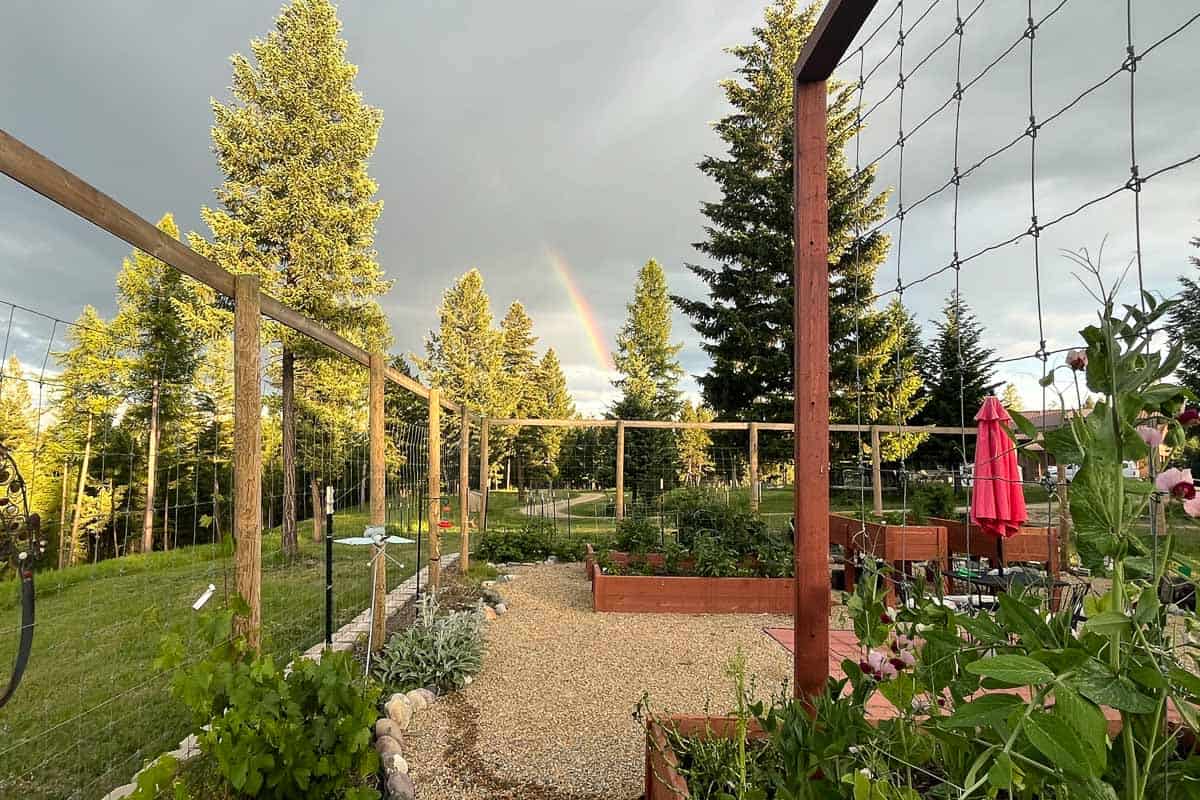
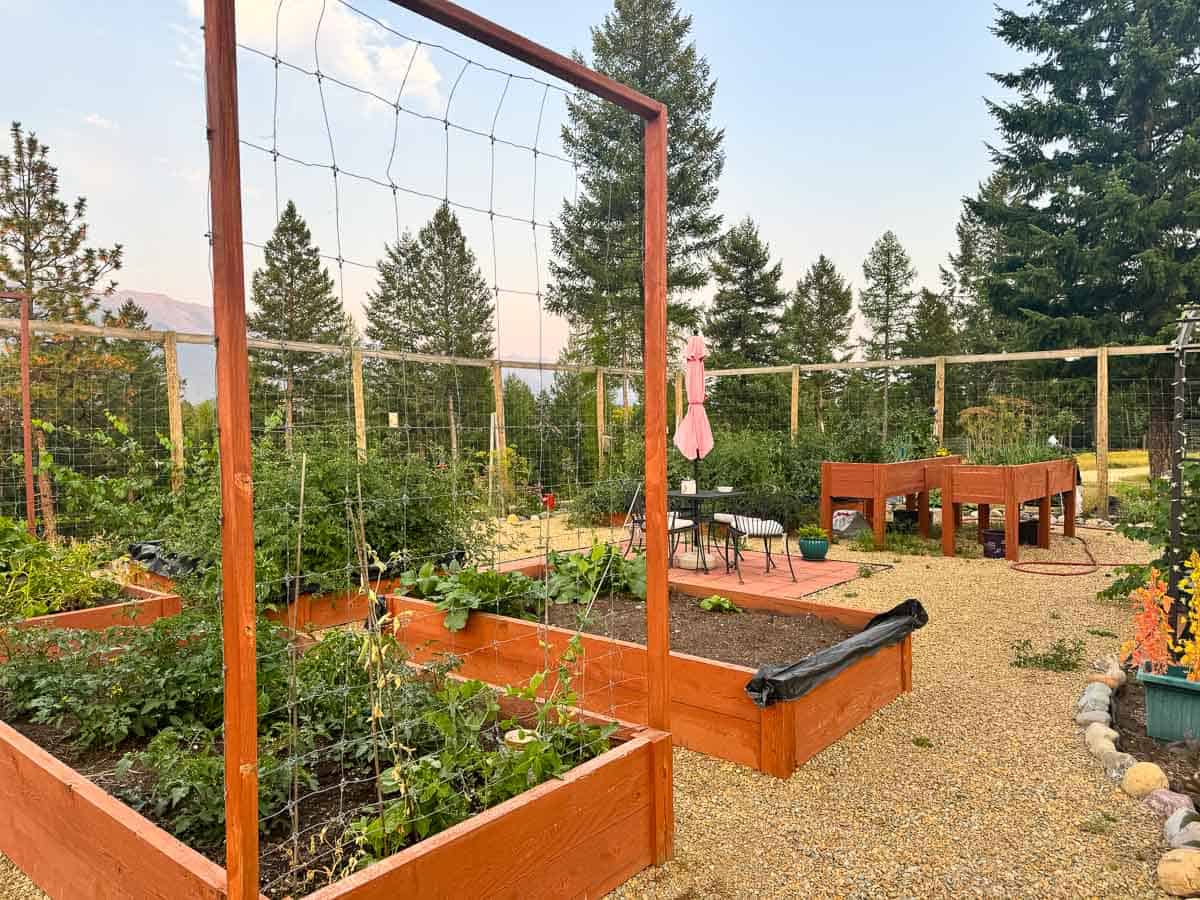
- Raised beds are especially helpful in Montana. They warm up sooner in spring and drain better after snowmelt.
Make sure the ground is as level as possible before setting up your garden. If one side is lower, you may need to build it up with additional topsoil, sand, or pavers to create a stable, even base. This helps prevent shifting, uneven settling, and water pooling on one side of the garden.

I was so impatient and just wanted my garden NOW, but thankfully, my husband didn't cave to the pressure. He took his time and did the job right, which paid off in the long run. Good things come to those who wait!
Garlic Does Great in A Montana Garden
A thriving Montana garden isn't just about vegetables; garlic is one of the easiest and most rewarding crops to grow in zone 4!
Growing Garlic in Montana Zone 4
Garlic is one of the best crops for Montana's climate because it actually likes a cold winter. Instead of planting it in spring, most gardeners plant garlic in the fall so it can establish roots before the ground freezes.
In Zone 4 Montana, garlic is typically planted in October, mulched heavily, and then it takes off as soon as the snow melts.
Hardneck varieties tend to perform especially well in colder regions and produce delicious garlic scapes in early summer, a bonus harvest which can be used in stir-fries, pesto, and to make pickled garlic scapes.


By late summer, you'll be harvesting full, flavorful bulbs that store beautifully. Montana State University Extension notes that fall planting and mulching are key strategies for overwintering crops like garlic in colder climates. Learn more in my how to grow garlic post!
The Best Herbs to Grow in a Montana Garden
Herbs are a perfect addition to any Montana garden because many of them grow quickly, tolerate cooler temperatures, and help attract pollinators. Even better, herbs play a big role in companion planting, which is a simple gardening method that can make your vegetable garden healthier and more productive.
Companion planting (also called companion gardening) means growing certain plants near each other because they provide natural benefits, such as:
- helping repel garden pests
- attracting beneficial insects like bees and ladybugs
- improving growth and flavor
- making better use of space in small garden beds
In other words, instead of planting vegetables in isolation, companion gardening encourages you to plant in combinations that work together, almost like garden "teammates." Some flowers, such as marigolds and lavender, also act as pest repellents, while attracting beneficial insects and pollinators such as bees and butterflies. I always like to include them in my garden beds.


For Zone 4 Montana gardeners, companion planting can be especially useful because the short growing season makes it important to keep plants strong and pest problems under control without extra hassle.
Some excellent herbs for Zone 4 include:
- Dill is an excellent companion herb in the garden because it attracts beneficial insects like ladybugs, lacewings, and parasitic wasps. These help control pests such as aphids and caterpillars.
- Chives (may help deter aphids and blend well around garden borders).
- Parsley (cold-tolerant and attractive to beneficial insects).
- Cilantro (thrives in cool weather and draws pollinators).
- Thyme (low-growing and often planted near cabbage-family crops).
- Oregano (hardy, flavorful, and great for pollinator support).
- Mint (very fragrant but best grown in pots so it doesn't take over).
- Sage has a strong aroma that may help deter certain pests, making it a great companion plant for brassicas such as kale, broccoli, and cabbage.

Medicinal Herbs
I also love including medicinal plants in my Montana garden. Calendula, comfrey, chamomile, and coneflowers add beauty while attracting pollinators like bees and butterflies. Many of these herbs can also be used to make teas, tinctures, and soothing homemade salves. Calendula salve is one of my favorites, and I always enjoy a cup of echinacea tea during the cold season.


Season Extension is the Secret to a Successful Montana Garden
In zone 4, season extension isn't optional; it's how gardens survive.
Must-Have Tools For a Successful Zone 4 Garden
- frost cloth (for surprise cold snaps)
- raised beds (warm soil faster)
- low tunnels or hoops
- cold frames
- large tarps
- plastic mulch
Row covers and plastic mulch have been shown to help extend the growing season in Montana's climate. If you want tomatoes before August, you need at least a few of these tools.

Utilizing a Greenhouse
For Montana Zone 4 gardeners, a greenhouse can be one of the most effective ways to extend the growing season and grow crops that would otherwise struggle in cool mountain climates. While frost cloth and low tunnels help protect plants outdoors, a greenhouse creates a more stable, warmer environment that gives you a serious head start in spring - and keeps your garden going longer in the fall.

Even a small backyard greenhouse can be used to:
- Start seedlings weeks earlier than outdoor planting allows
- Grow warm-season vegetables like tomatoes, peppers, and cucumbers more reliably
- Protect tender plants from late frosts and chilly summer nights
- Harvest fresh greens well into the shoulder seasons
In a Montana garden, greenhouses are especially valuable because nighttime temperatures can remain cool even during summer, slowing down heat-loving crops.
With a greenhouse, you can provide the warmth and consistency those plants need to thrive. However, on sunny Montana days, even in spring, greenhouses can overheat quickly, so ventilation is key.
Pro Tip: If a full greenhouse isn't an option, consider a mini greenhouse, cold frame, or hoop house, even small structures can make a big difference in Zone 4.
Don't Forget Wildlife Protection
Let's be honest, if you plant a garden in Montana, you're not the only one who wants the vegetables. Common garden visitors include deer, chipmunks, squirrels, and voles.
A tall, 8-foot fence keeps unwelcome guests like deer and elk from feasting on your garden. Hardware cloth buried a few inches down helps deter voles and digging pests.

I was so excited to get a sumac plant from some local friends. We decided to plant it outside the garden. The following morning, the deer had devoured the sumac bob, leaves, and branches. This is a perfect example of why your garden needs protection from wildlife!


But, as you can see, tall fences can't keep out everyone! I gave these cuties a pass...
Improve Your Soil Every Year
Montana soil can be full of shale and rocks, and is usually low in organic matter. Often, you have to purchase topsoil to amend your garden beds. Each season, improve your soil with compost, aged manure from cows, horses, sheep, goats, and livestock.
Mulching and crop rotation are also helpful. Healthy soil is something you build year after year, not something you achieve once.

Create a Cozy Sitting Area in Your Garden
If you have the space, consider adding a small sitting area in or near your garden. In Montana's shorter growing season, you want to enjoy every bit of that hard-earned garden beauty, not just rush in to weed and water.

A simple table and chairs can turn your garden into a peaceful retreat where you can sip a glass of wine at sunset, enjoy a warm cup of tea on a cool morning, or catch up with friends surrounded by raised beds and mountain air. It's a reminder that the garden isn't just for growing food; it's also a place to slow down and actually enjoy the life you're cultivating.

Final Thoughts
A Montana vegetable garden may require more planning than those in warmer climates, but the payoff is substantial. With cold-hardy crops, smart timing, and season extension, Zone 4 gardeners can enjoy an abundant harvest throughout the summer.
Montana gardening is a little unpredictable… but that's part of the adventure.

What are you growing in your Montana Zone 4 garden this year? Let me know in the comments!
Related Posts
Looking for other recipes like this? Try these:

Comments
No Comments