
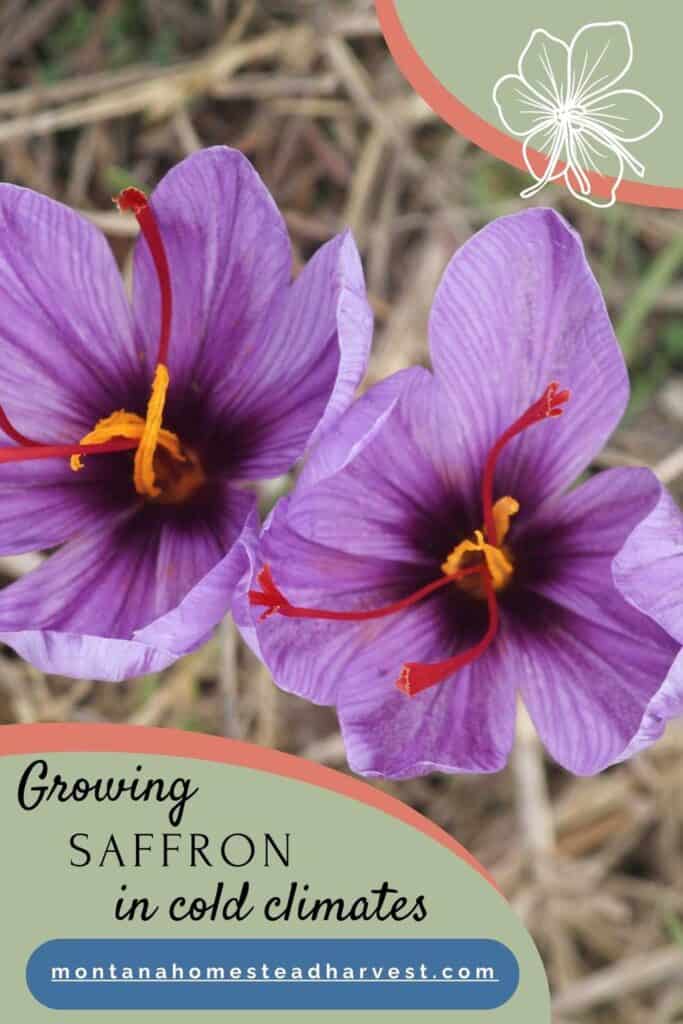
What if I told you growing saffron, the world's most expensive spice, worth more than gold by the ounce, can be grown in the U.S.? Even in places where winter likes to show off, like here in Montana. The saffron crocus (crocus sativus) might look delicate, but it's surprisingly hardy and easy to grow, even in a Montana garden!
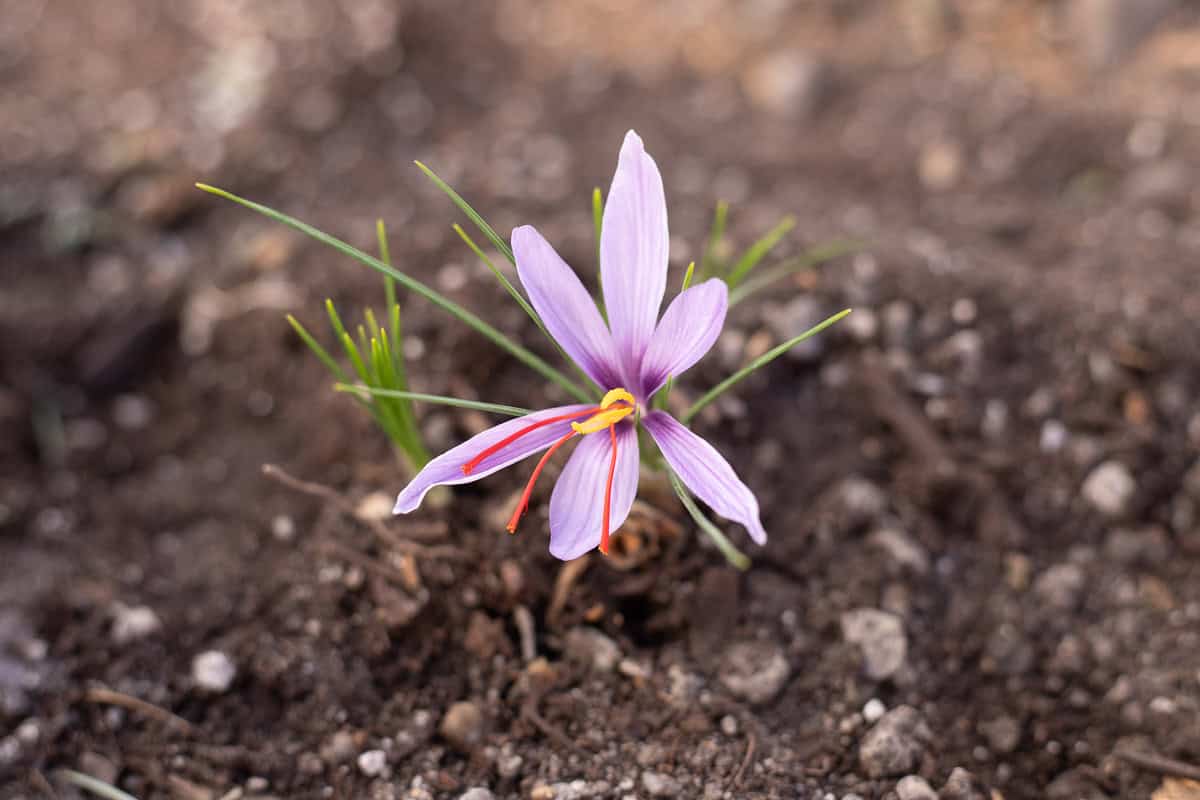
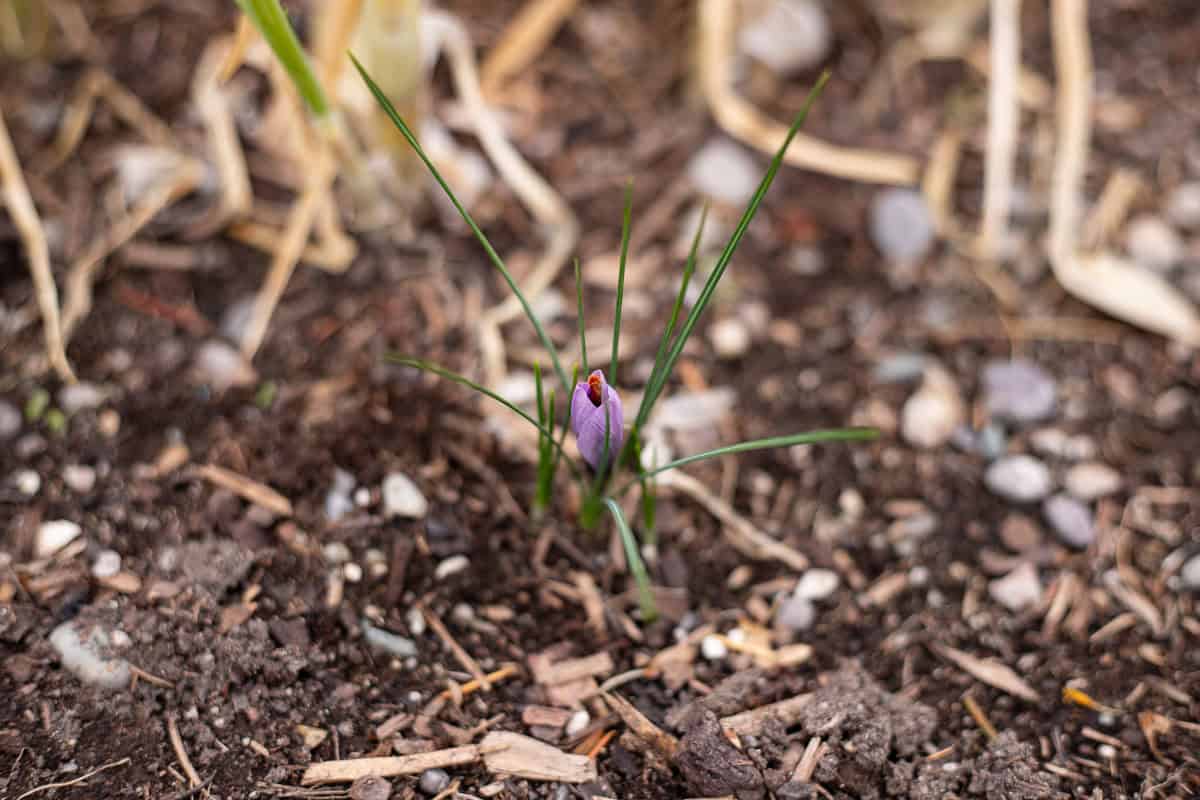
I first learned that you can plant saffron here in Montana back in the spring. After ordering 12 large corms online, they arrived at planting time, in August. I planted them right away in one of my garden boxes, and a month later, they sprouted.
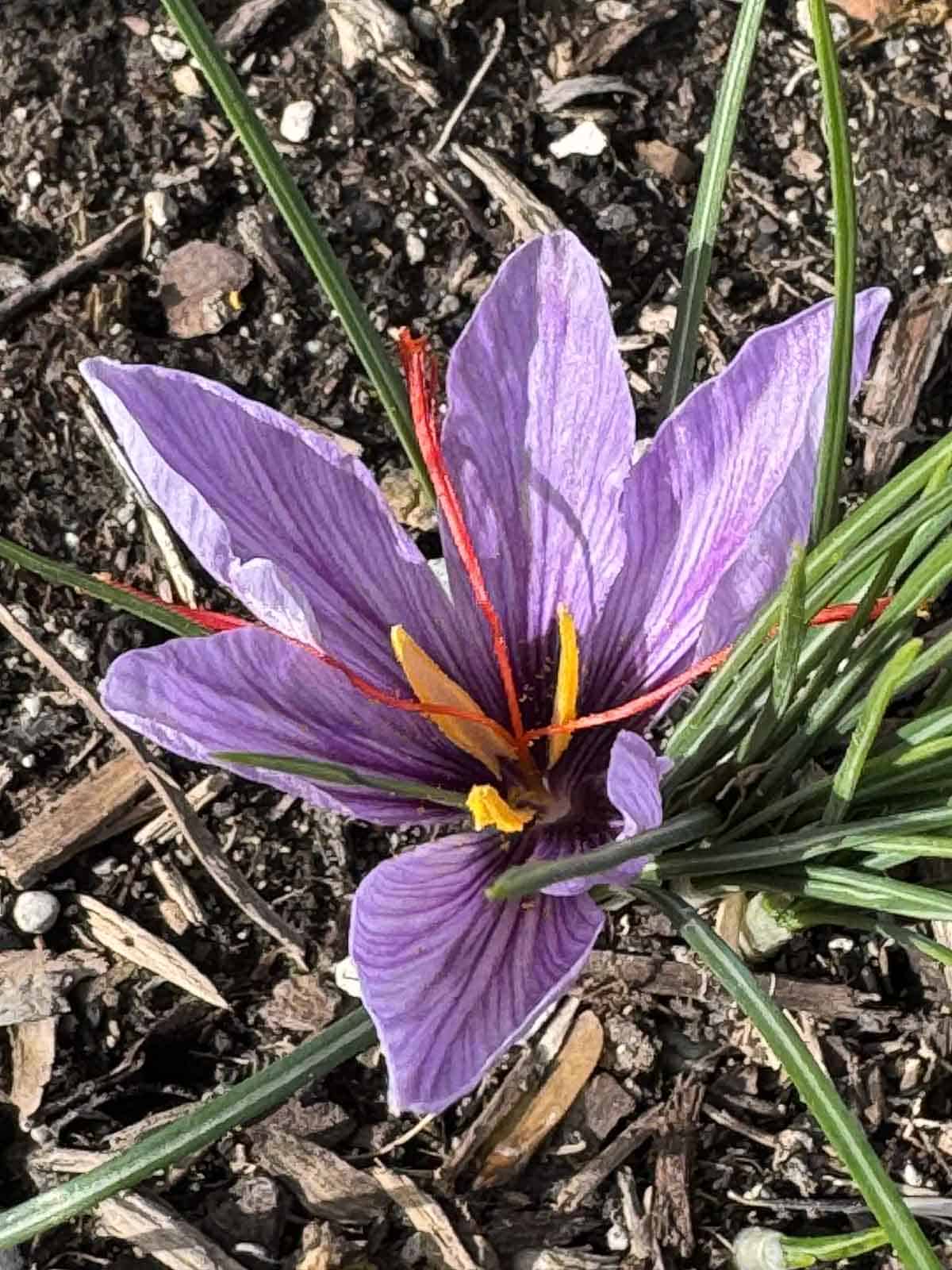
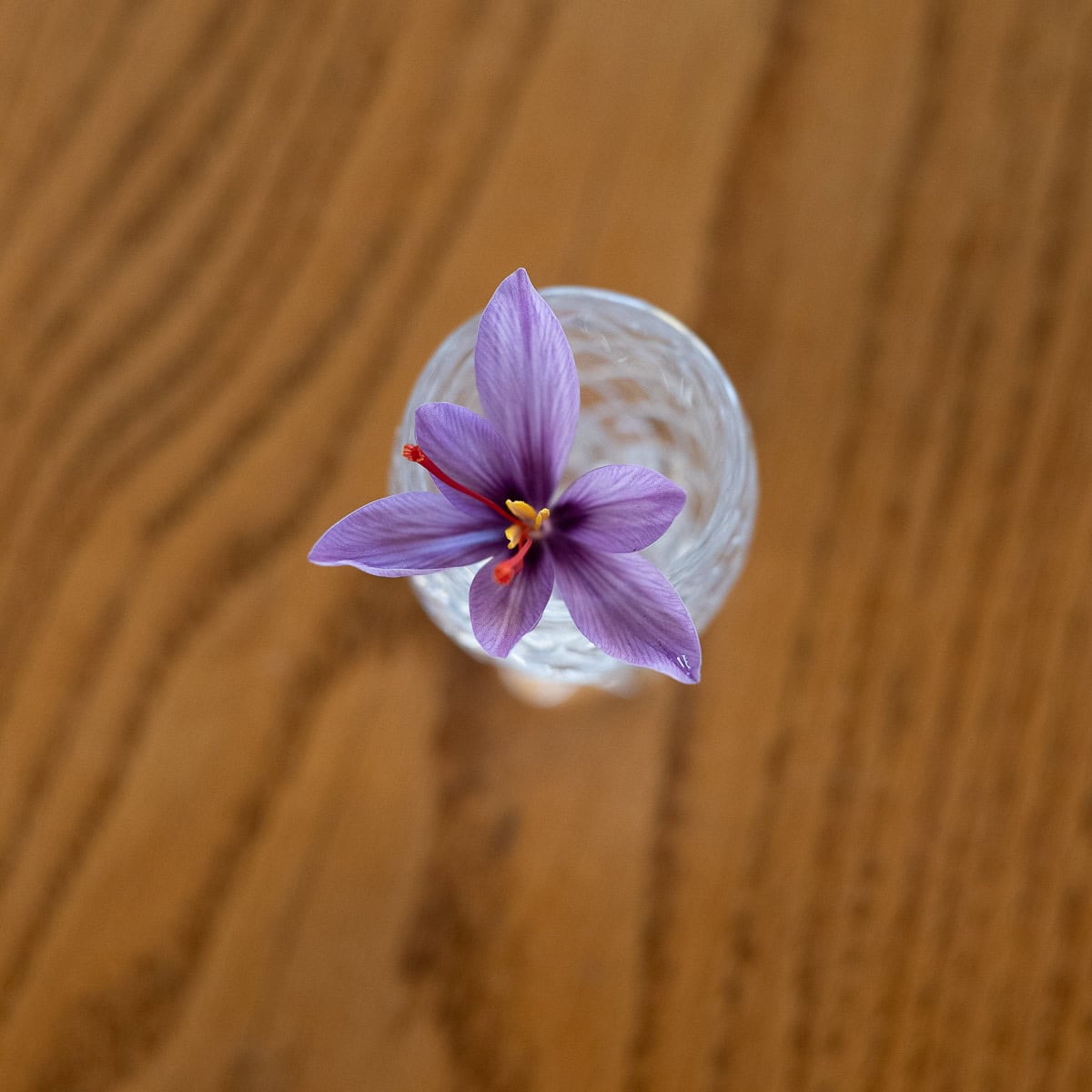
Exactly one month later, to the day, I saw my first bloom. Later the same day, it opened up, revealing 3 brilliant red threads, which I promptly harvested. More flowers bloomed the following day and into the next week. And just like that, I was hooked! I couldn't believe that something so exotic had come from my own garden, and in Montana, no less!
If you're new to cold-climate gardening, start with forgiving crops like onion sets and garlic alongside saffron to build confidence and maximize your harvest.
Jump to:
- What Is Saffron & Why Is It So Expensive?
- The Natural Growth Cycle of Saffron
- Can Saffron Grow in Cold Climates? Absolutely!
- Planting Saffron in Warmer Climates
- What to Do with Saffron Corms During Dormancy
- Harvesting Saffron Threads
- Mistakes to Avoid When Growing Saffron
- FAQ
- How to Use Saffron in Cooking
- Pro Tips
- More Gardening Posts
- Comments
What Is Saffron & Why Is It So Expensive?
Saffron comes from the flower of Crocus sativus, a small purple crocus that blooms in the fall. Each bloom produces just three red stigmas, which are carefully hand-harvested and dried to create the precious saffron spice. It takes around 75,000 flowers to produce a single pound of saffron!
But for home growers and homesteaders, the process is part of the charm. With just a few dozen corms (that's what saffron bulbs are called), you can harvest enough spice for your own cooking. The flowers themselves are stunning, adding a burst of color to the garden just as everything else is fading away for winter.

Beware of Fake Saffron
Because saffron is worth more than its weight in gold, there's no shortage of fakes on the market. Some shady sellers bulk it up with dyed corn silk or bits of paper, all passed off as "pure saffron." Ground saffron is even riskier, since it's easy to mix with turmeric or paprika and call it a day.
If you can't grow your own saffron, buy only from trusted sources and always choose whole threads over powder. Real saffron threads are deep red, give off a strong floral aroma, and turn water to golden yellow (not bright red).

The Natural Growth Cycle of Saffron
Saffron crocus has a growth cycle that's the opposite of most garden plants; it wakes up when everything else is going to sleep. The corms are planted in late summer to early fall, and within a month or two, they send up delicate purple flowers that bloom for just a short window. After the blooms fade, slender green leaves appear and stay through fall and winter, gathering energy for next year's growth.

By late spring, the foliage naturally yellows and dies back as the corms slip into dormancy for the hot summer months. This resting period is essential; it's when the corms multiply underground, creating new offsets called "daughters" that can be dug up and divided every few years to keep your saffron patch thriving. The daughters will need a few years to get large enough to produce flowers.


Can Saffron Grow in Cold Climates? Absolutely!
Saffron is much tougher than people think it is. Despite its exotic reputation, it can withstand temperatures as low as around 15°F (-9 °C) once it's established. It typically thrives in zones 6-9 since it originated from the Mediterranean region. However, with a bit of mulch, plenty of gardeners in zones 5 have luck too!
The key is drainage and protection. Saffron bulbs hate sitting in wet, frozen soil. They prefer to be dry and cozy. In warmer regions, you can plant the corms and forget about them.
Planting Saffron in Containers
The best option for growing saffron in cold climates (zones 3 and 4) is to grow it in containers. This way, they can be brought inside and kept at 40°F to 50°F during the winter. This will protect the corms from freezing. You can then bring them back out in the spring, after the last frost.
Planting Saffron in Raised Beds (with Mulch)
If your soil drains well and you live in zone 5, you can try planting the corms in raised beds 6 inches deep and about 4 inches apart. Make sure to keep them covered with a thick layer of mulch (4" to 6" deep) to protect them over winter. Using a blanket plant cover can protect them even more.
In spring, once the snow melts and temperatures start to warm, gradually remove the mulch to allow new growth to emerge. Be prepared to lose a few corms during harsh winters.
Planting Saffron in Warmer Climates
If you live in a warmer climate (lucky), plant the corms 3 to 4 inches deep and leave them in the ground year-round. They will pop back up come fall. Make sure to keep them nice and dry during summer, which is when they will be dormant, then start watering them in August, but not too often. Two times a week is plenty. Saffron corms don't like to hang out in overly wet soil.
What to Do with Saffron Corms During Dormancy
Once the leaves start to die back, the plants enter dormancy for the summer. In cold climates like ours, you'll want to dig up the corms in spring, after the foliage has completely withered and turned brown. That's your sign that the plants are truly done for the season.
Gently lift the corms with a garden fork or trowel, knock off any excess soil, and let them dry for a few days in a shady, well-ventilated spot. You'll likely notice some have multiplied, giving you even more corms to expand your saffron. Do not rinse since moisture can lead to rot.
When they're dry, store them in something breathable, like a paper bag, mesh sack, or a shallow cardboard box lined with newspaper. Keep them in a cool, dark, and dry place with good airflow. A basement or a root cellar would be ideal.
Check on them every few weeks to make sure they're still firm and mold-free. If you spot mold on any of the corms, discard them to keep the others healthy. By early fall, they'll be ready to plant again.
Harvesting Saffron Threads
Saffron blooms only last a few short weeks in the fall, so timing is everything. Each flower produces three bright red stigmas - the prized saffron threads.
Harvest them as soon as the flowers open, ideally in the morning before the sun gets too strong. Gently pluck the threads with tweezers or your fingers and lay them on a paper towel or a small plate to dry in a warm, shaded spot (or on the counter) for several days.

Sometimes, when it's cold out, the flowers only open partially or don't open at all. If you carefully pull the flower out with the long stem (perianth tube) still attached, then place it in a small amount of water, the flower will open rather quickly to reveal the stigmas. Worst-case scenario, you can manually force the flower open to get to those coveted saffron threads.
Once completely dry, store the saffron in an airtight container away from light and moisture. Properly dried saffron can keep its flavor and color for up to two years, though if you're anything like me, it probably won't last that long before ending up in something delicious. 😉

Mistakes to Avoid When Growing Saffron
Even though saffron isn't difficult to grow, a few common missteps can keep those beautiful blooms from showing up. Here's what to watch out for:
- Planting too shallow or too deep
If the corms are too close to the surface, they can freeze or dry out. Too deep, and they might rot or struggle to sprout. Aim for that sweet spot of 3 to 4 inches deep, unless you're in a cold climate, then shoot for a depth of about 6 inches. - Overwatering
Saffron hates soggy feet. These corms need well-draining soil, not standing water. Overwatering, especially in clay soil, is one of the quickest ways to kill them. - Ignoring dormancy
It's tempting to keep watering through summer, but saffron needs its dry dormant period to rest and multiply. Once the foliage dies back, resist the urge to "help." Keep the corms dry from June through September. - Expecting too much in the first year
Saffron often takes a season to settle in. Don't be discouraged if you get only a few flowers that first fall; they'll reward your patience the next year. - Forgetting to divide old corms
After a couple of years, the original corms multiply into tight clusters that can crowd each other out. Dig them up during dormancy, separate them, and replant for better yields. - Not protecting from rodents
Rodents love saffron corms almost as much as we love the spice. Voles, mice, and chipmunks will happily dig them up for a snack. To protect your investment, consider covering your containers with chicken wire.
FAQ
Yes, growing saffron in the U.S. is possible, even in Northern states, like Montana. If you're in zones 3 and 4, plant the saffron in containers so that it can be brought indoors during winter.
Saffron typically takes 6 to 8 weeks to bloom after planting the corms in late summer or early fall.
Absolutely! Growing saffron is fun and worthwhile, especially since the corms multiply every year, yielding more blooms and saffron each year.
How to Use Saffron in Cooking
Saffron threads need to bloom in liquid before being used in most recipes. They are commonly ground into a powder with a mortar and pestle, then dissolved in hot water or milk. This liquid is then used in various dishes, drinks, and even desserts.
Saffron adds an unmistakable aroma to this chicken biryani recipe and is dissolved in butter to baste joojeh kabab (grilled saffron chicken). It's also an important ingredient in any authentic Spanish paella recipe.
Saffron is often used in Indian cuisine in dishes like saffron rice, saffron chicken korma, and saffron milk (kesar doodh). In Morocco, saffron is used in a traditional sesame cookie called chebakia.
Pro Tips
- When deciding on a spot to plant saffron, choose a location that gets full sun.
- Plant corms at least 6 weeks before the first frost. August is the perfect time for zones 3-6. If you live in zone 7, plant them in September.
- If your soil does not drain well, mix in sand.
- After planting corms, water well to settle the soil around the corms.
More Gardening Posts
If you enjoyed learning about growing saffron in Montana, check out these related posts!

Patty says
Would you have a reliable source for the Saffron crocus that you would be willing to share with those who are interested in growing our own?