
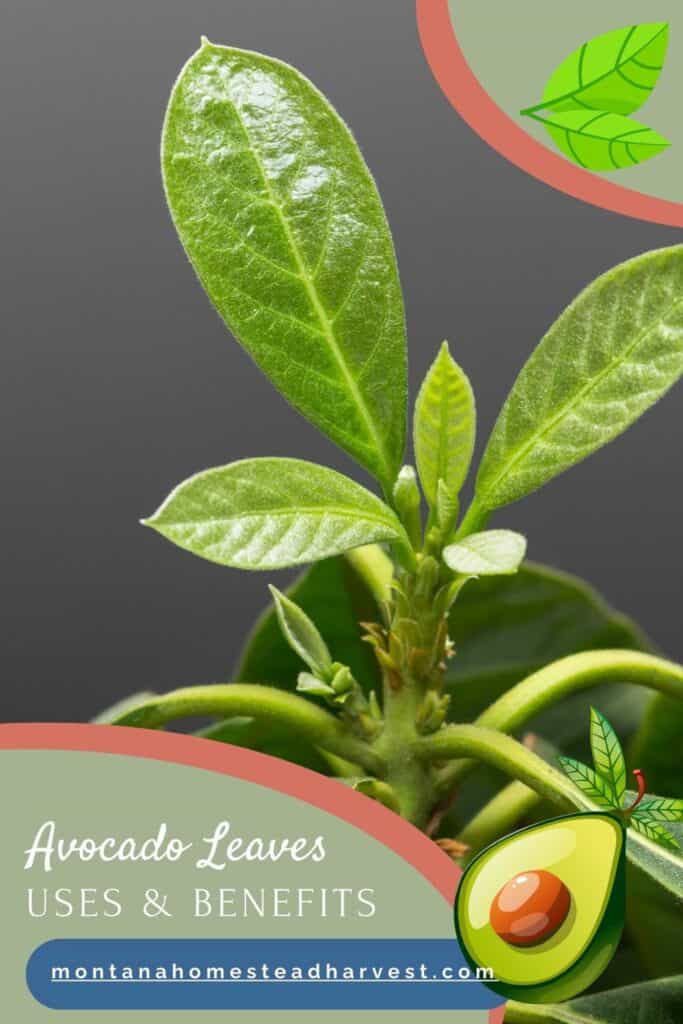
I first learned about cooking with avocado leaves and avocado leaf benefits while watching a cooking video, and it immediately piqued my curiosity. The idea that these often-overlooked leaves could add flavor similar to bay leaves made me want to get my hands on some and try them for myself. They can also be used to make tea, which is traditionally said to support digestion.
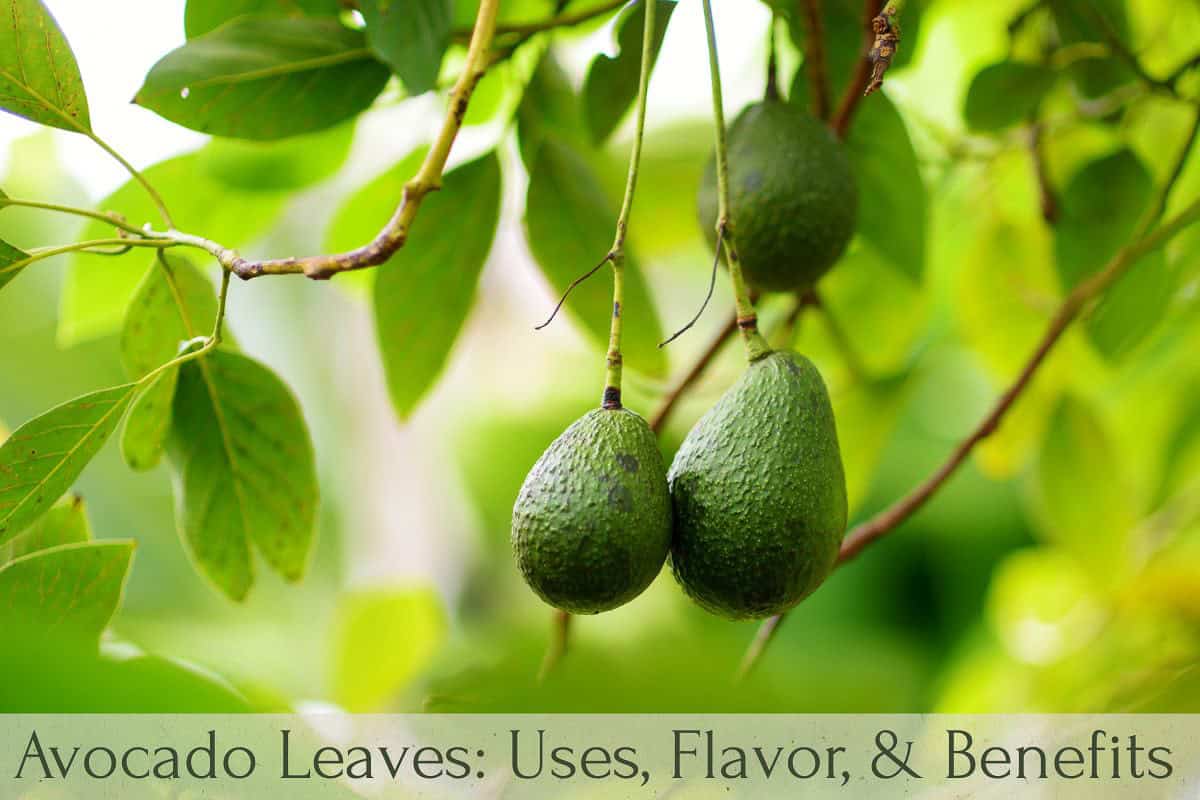
Last year, while visiting my daughter, Nena, in San Diego, we were walking through her neighborhood when I spotted a neighbor pruning their avocado trees. There was a huge pile of freshly cut leaves just sitting there, and all I could think was, Those should be coming home with me! I briefly considered asking... but my daughter begged me not to "embarrass her," so I behaved. Kids (even adult kids), am I right?
Since asking was out of the question, I realized I would have to either grow an avocado tree or purchase dried avocado leaves on Amazon, which I ended up doing.
Jump to:
What Are Avocado Leaves?
Avocado leaves are the aromatic leaves of the avocado tree (Persea americana) that are traditionally used as a seasoning and for brewing tea. When dried, they add a warm, savory flavor similar to bay leaf, with mild anise and oregano notes.
Avocados belong to the laurel family, which means they're related to the bay laurel tree, the same family that gives us bay leaves.
However, not all varieties are edible. Mexican avocado leaves are derived from Persea americana var. drymifolia, a variety known for its aromatic leaves and long history of culinary use. One sniff and you might think you're smelling tea leaves. Other avocado varieties are often bland or not recommended for consumption.
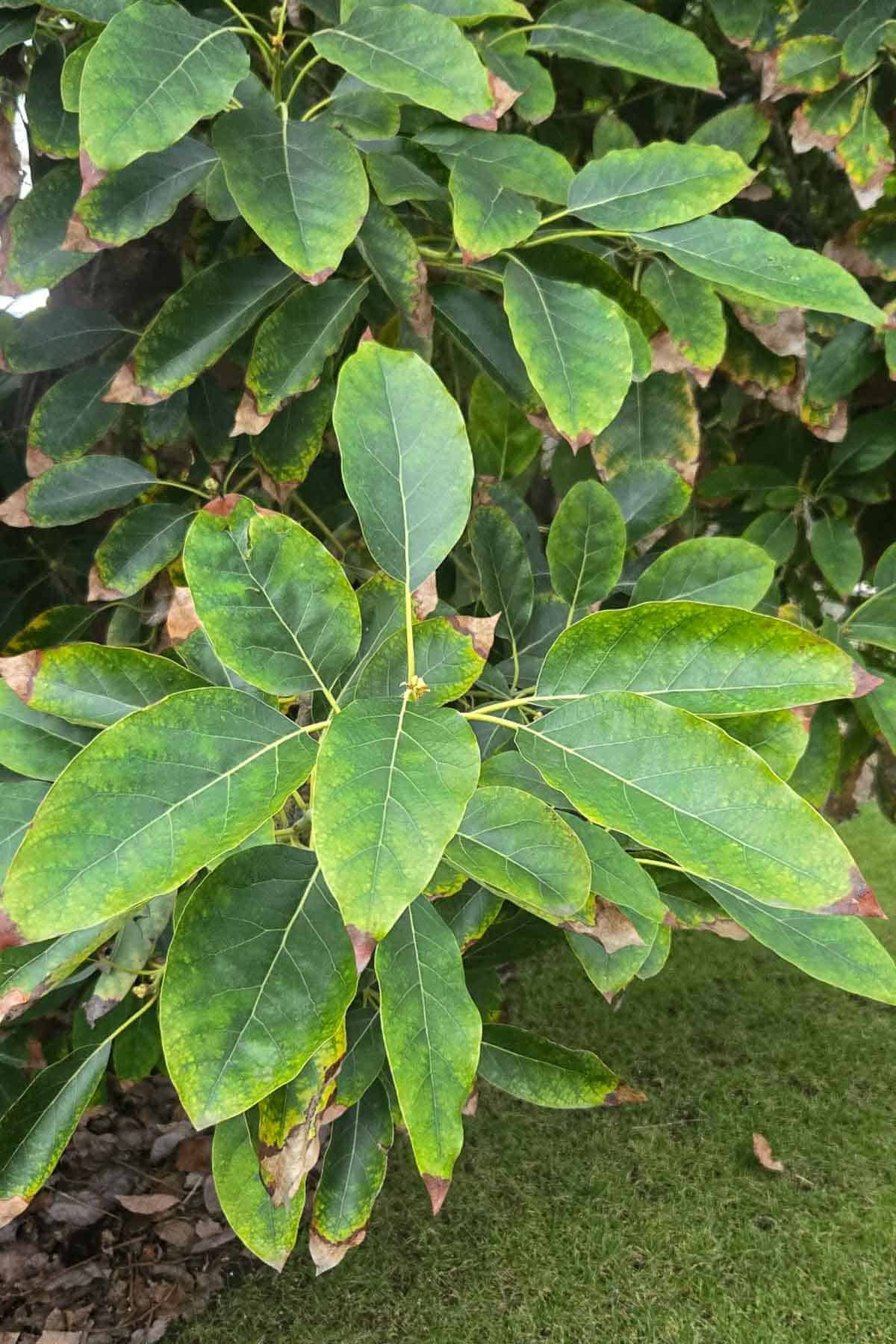
Pro Tip: Not sure which variety you have? Crush a fresh leaf and give it a sniff. If it has a licorice-like aroma, you're on the right track. If it's scentless, it's likely not the variety used in cooking.
How Are Avocado Leaves Used?
Avocado leaves are commonly used in cooking and traditional preparations in the following ways:
- Added whole to simmering pots of beans
- Used to season stews, soups, and sauces
- Ground into spice blends after drying
- Brewed into a naturally caffeine-free tea
The leaves have a warm, savory flavor that's described as a mix of bay leaf, anise, and oregano. When dried, their aroma becomes more pronounced, making them a popular seasoning in soup, beans, stews, and braised dishes. Think of them as a flavor booster, rather than eating them on their own. They're usually removed before serving, just like bay leaves. A little goes a long way.
What do Avocado Leaves Taste Like?
Avocado leaves taste similar to bay leaves, with warm, savory notes and hints of ana anise and oregano. When dried, their aroma becomes stronger and more pleasant, making them ideal for seasoning soups and stews.
Avocado Leaves Benefits
Avocado leaf benefits are based on traditional use and include digestive support, aromatic flavoring in foods, and cultural herbal practices.
Historically, people have brewed the leaves into tea or used them in cooking for reasons such as:
- Supporting digestion
- Adding warming, aromatic qualities to food
- Preparing a hair rinse by boiling the leaves in water, then straining and cooling the water before using it as a rinse
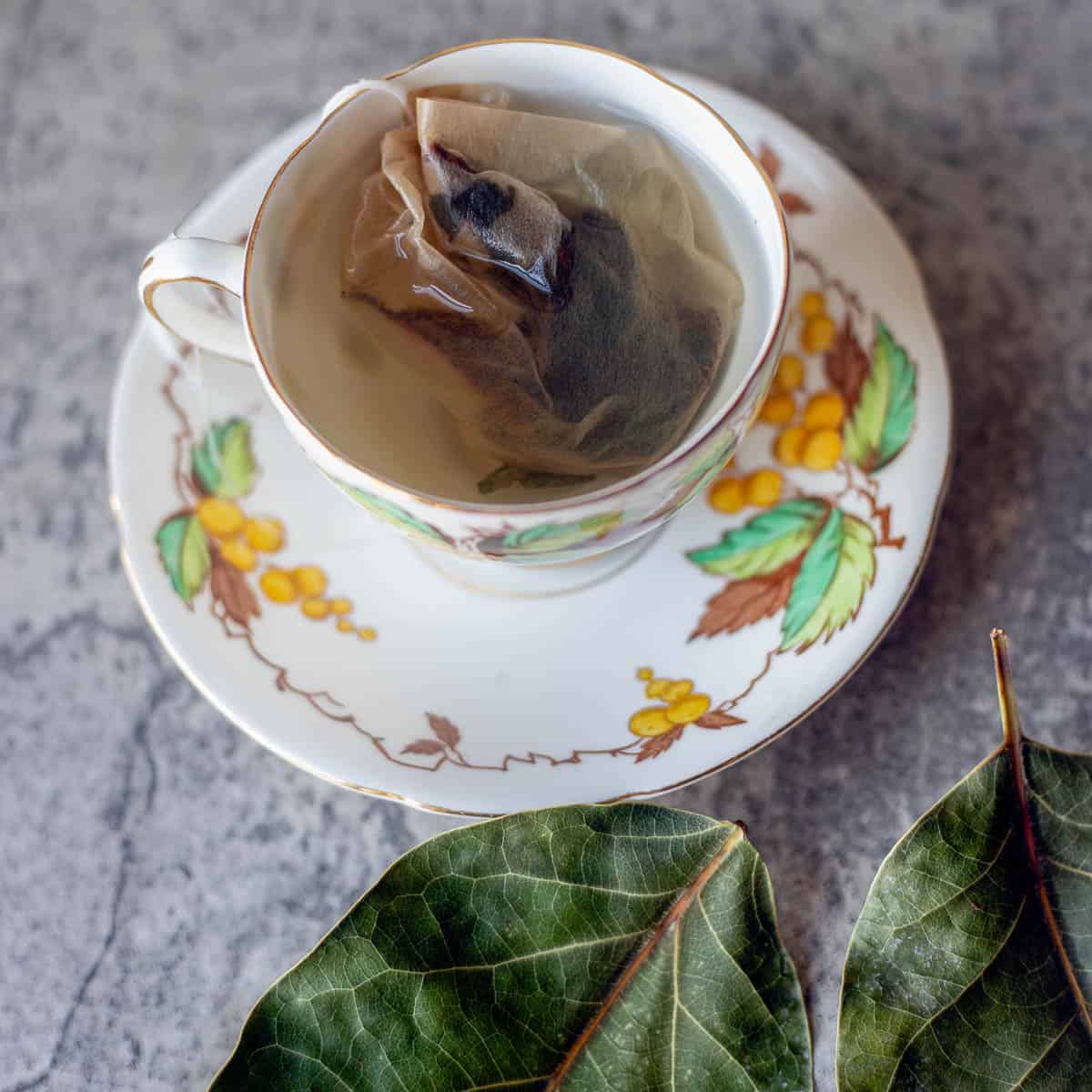
This isn't medical advice, but rather a reflection on how these leaves have been used for generations. Many people today enjoy them simply for their flavor and heritage value.
Fresh vs Dried Avocado Leaves
Most traditional uses call for dried leaves (Hojas de Aguacate). Drying concentrates their flavor, reduces bitterness, and makes them easier to store long-term.

Fresh leaves can be tougher and bitter, which is why they should be dried before cooking with them or brewing them. Once dried, store the leaves in an airtight jar away from light and heat, just like other dried herbs. Toss in a silica packet for extra freshness.
How to Dry Fresh Avocado Leaves
Once you know you have an edible variety of avocado leaves, harvest mature, healthy leaves. Larger, darker green leaves tend to have better flavor than younger leaves. Avoid leaves that are spotted, yellowing, or treated with chemicals.
Next, rinse the leaves and use a vegetable brush to gently brush the underside of the leaves, where dirt tends to collect. Pat dry with paper towels, then arrange on dehydrator trays. Use the lowest setting and dehydrate until the leaves are completely dry and snap when bent.
Once dried, store in an airtight container, away from direct light. Properly stored dried avocado leaves will retain their flavor for up to a year.
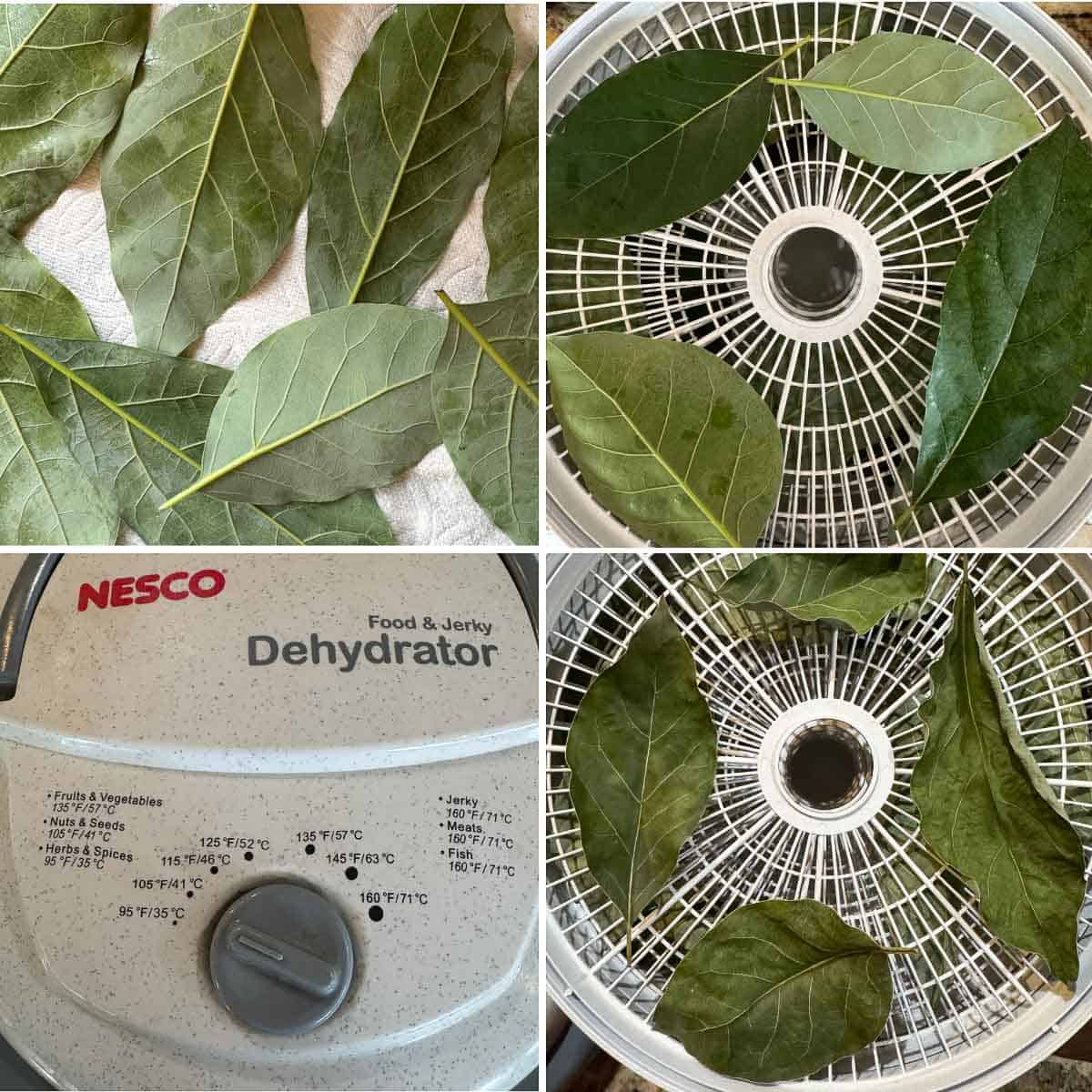
I experimented with drying avocado leaves from my friend, Cindi's, avocado tree, but they weren't as fragrant as the ones I purchased on Amazon. However, when I crushed them, they released a distinct licorice scent, an indicator that they're the Mexican variety.
Can You Grow Avocado Trees for the Leaves?
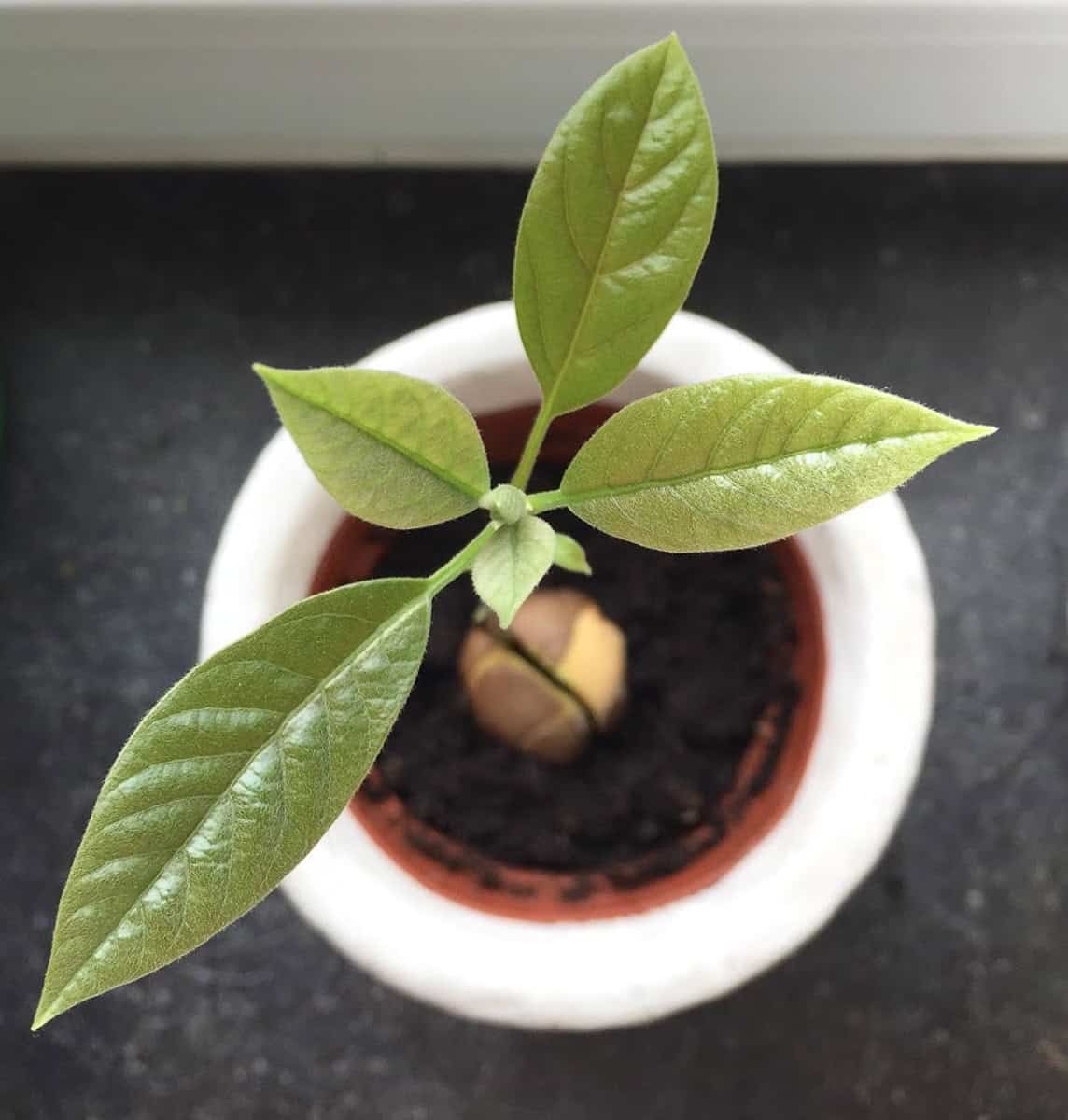
Yes, even if you live in a cold climate, avocado plants can be grown indoors. Starting one from a pit is easy and fun! While you won't get fruit in places like Montana, you can harvest the leaves for personal use, as long as you start with the edible variety.
Final Thoughts
Avocado leaves are one of those ingredients that most people walk right past without realizing their value or potential avocado leaf benefits, much like beneficial weeds such as plantain, which I use to make plantain salve.
Whether you're interested in traditional cooking, herbal history, or growing plants with purpose, they are worth a second look. Because sometimes the most useful plants aren't grown for what everyone expects, and that's kind of the homesteader way, isn't it?
Related Posts
Looking for other posts like this? Try these:


Comments
No Comments