
If you've ever tried choking down an herbal tincture and thought, "There's got to be a better way," you're right! Enter this selfheal Oxymel recipe, a sweet and tangy herbal remedy that's as tasty as effective. Oxymels are made with just three ingredients: honey, apple cider vinegar, and herbs. They have been used for centuries to soothe coughs, boost immunity, and deliver the benefits of herbs in a delicious, shelf-stable form.
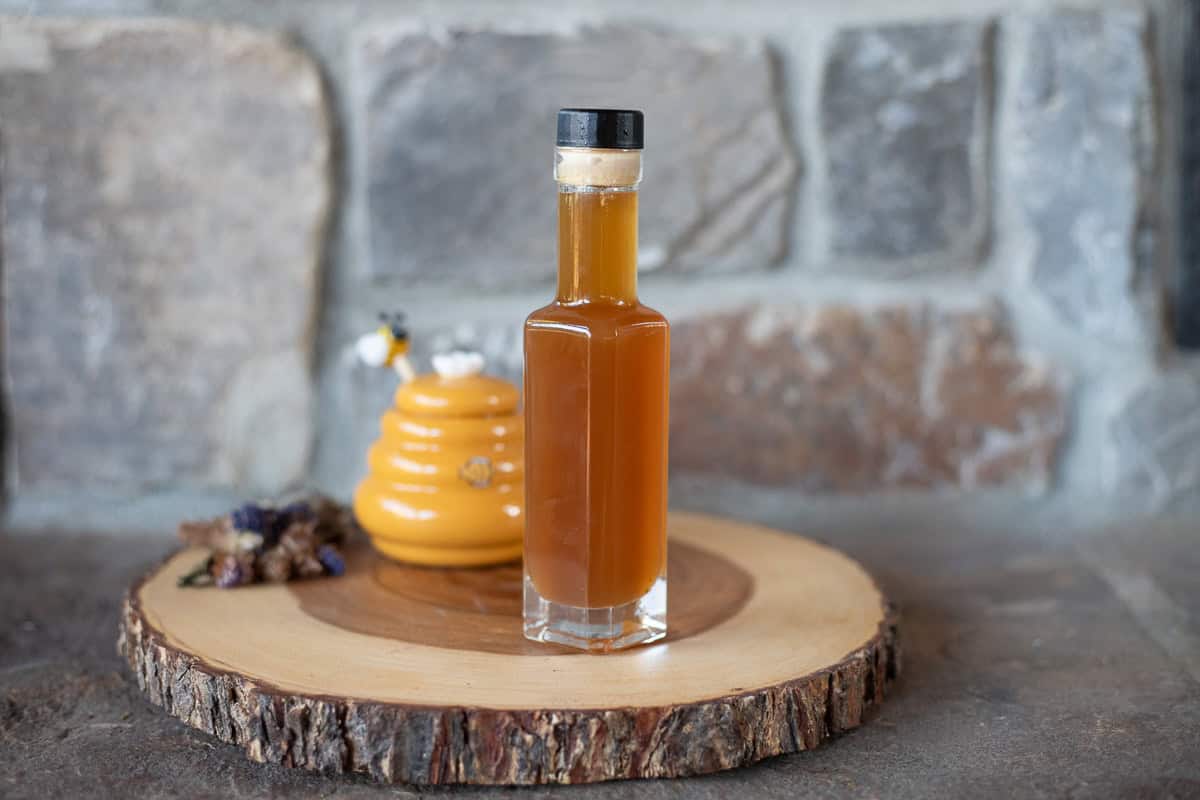
The word "oxymel" comes from the Greek "oxy" (acid) and "meli" (honey). Ancient healers knew what they were doing. Vinegar helps extract beneficial compounds from herbs, while honey preserves the mixture and makes it go down smooth. The result? An herbal remedy that tastes like it came from your kitchen instead of a medicine cabinet.
Also, according to this PubMed Study, oxymels have potential for treating asthma, obesity, and type 2 diabetes!
I prepared my self-heal oxymel recipe earlier in the summer (when it was in bloom) to take advantage of its many benefits. Prunella vulgaris (heal-all) is known for its antiviral and antibacterial properties, making it an excellent option for the cold and flu season.


Selfheal also contains antioxidants that fight free radicals and calm inflammation. It has been used traditionally to balance hormones and support thyroid function, especially in women. If you can't get your hands on fresh selfheal, you can use dried or choose another healing, edible herb to create your own unique oxymel recipe. Be sure to keep your pantry stocked with fermented garlic and honey, and fire cider too!
Jump to:
Why You'll Love This Oxymel Recipe
Oxymels are one of those old-fashioned remedies that deserve a comeback. They're simple to make, naturally preserved, and endlessly customizable. Here's why they've earned a permanent spot in my homestead kitchen:
- They're shelf-stable and don't require refrigeration.
- They make herbal medicine taste good.
- You can forage or grow most of the medicinal herbs yourself.
- They double as culinary ingredients - salad dressing, anyone?
Herbs That Work Well in Oxymels
You can craft an oxymel for just about any need, depending on the herbs you use. Here are some combination ideas:
- Elderberries + cinnamon + ginger: Immune-boosting powerhouse
- Thyme + lemon balm: Perfect for coughs and sore throats
- Garlic + rosemary + sage: Cold and flu season staple
- Nettle + mint: Great for allergies and energy support
- Goldenrod + ginger + lemon peel: Reduces inflammation, supports urinary health, and eases seasonal allergies.
Ingredients & Substitutions

- 1 cup fresh or ½ cup dried herbs of your choice
- 1 cup raw apple cider vinegar
- 1 cup raw honey
Basic Oxymel Recipe

- Before preparing your oxymel, wash and dry your herbs thoroughly, then chop them to get the most extraction.
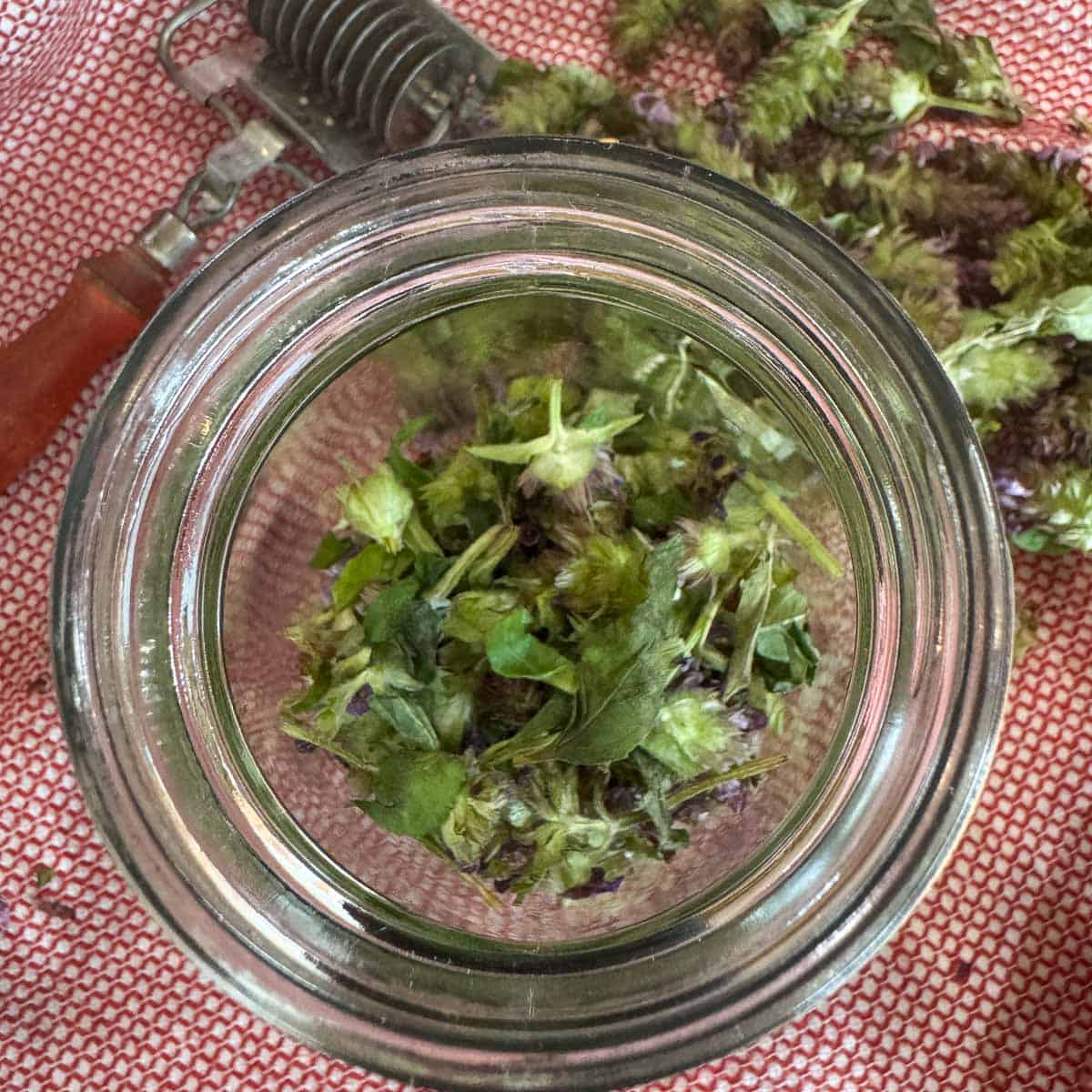
- Fill a clean mason jar halfway with medicinal herbs.

- Cover with equal amounts of vinegar and honey, making sure the herbs are fully submerged.
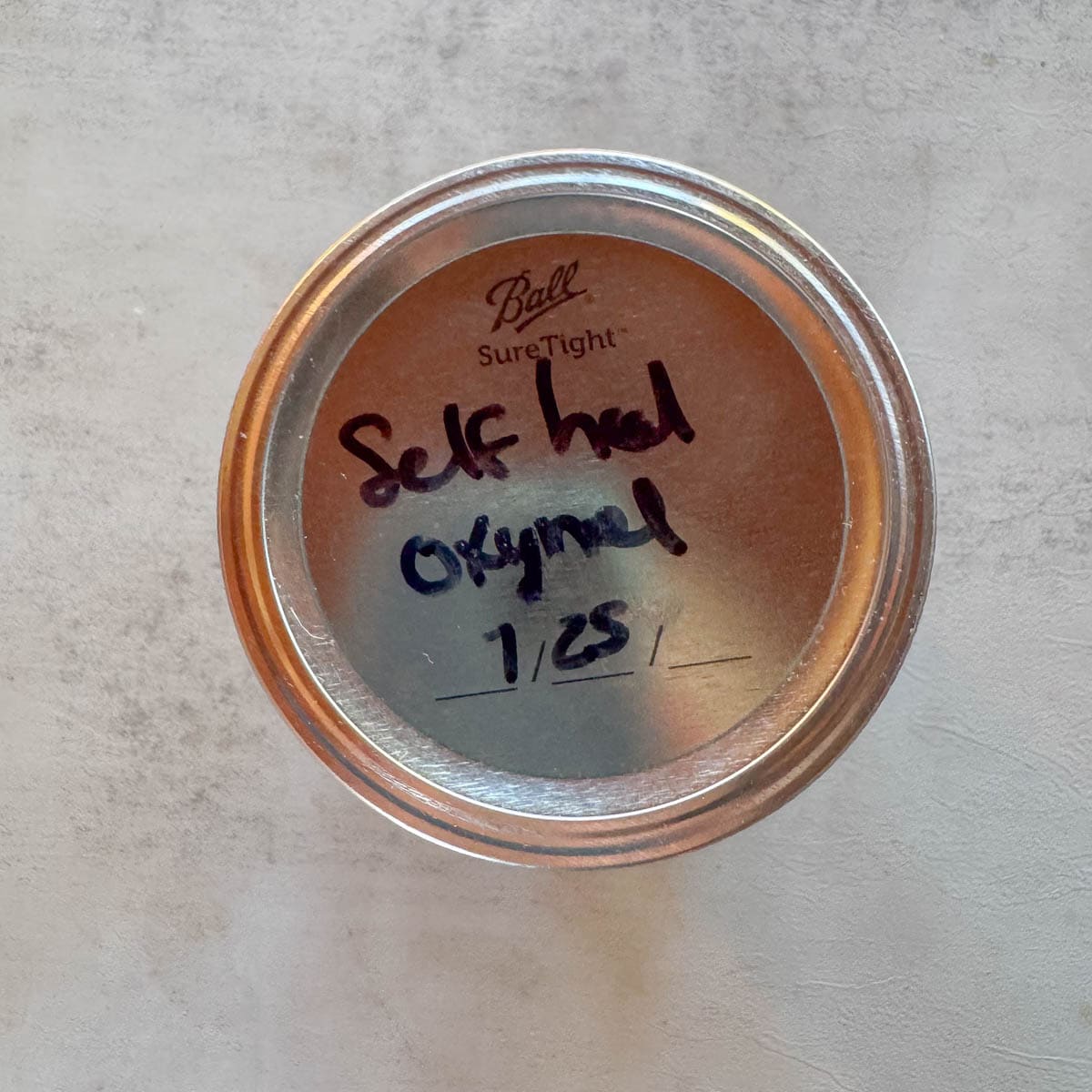
- Stir well, then cover with the lid and label with the jar contents and the date.

- Store in a cool, dark location, for example, a pantry, for 4-6 weeks. Shake every few days, or when you remember.

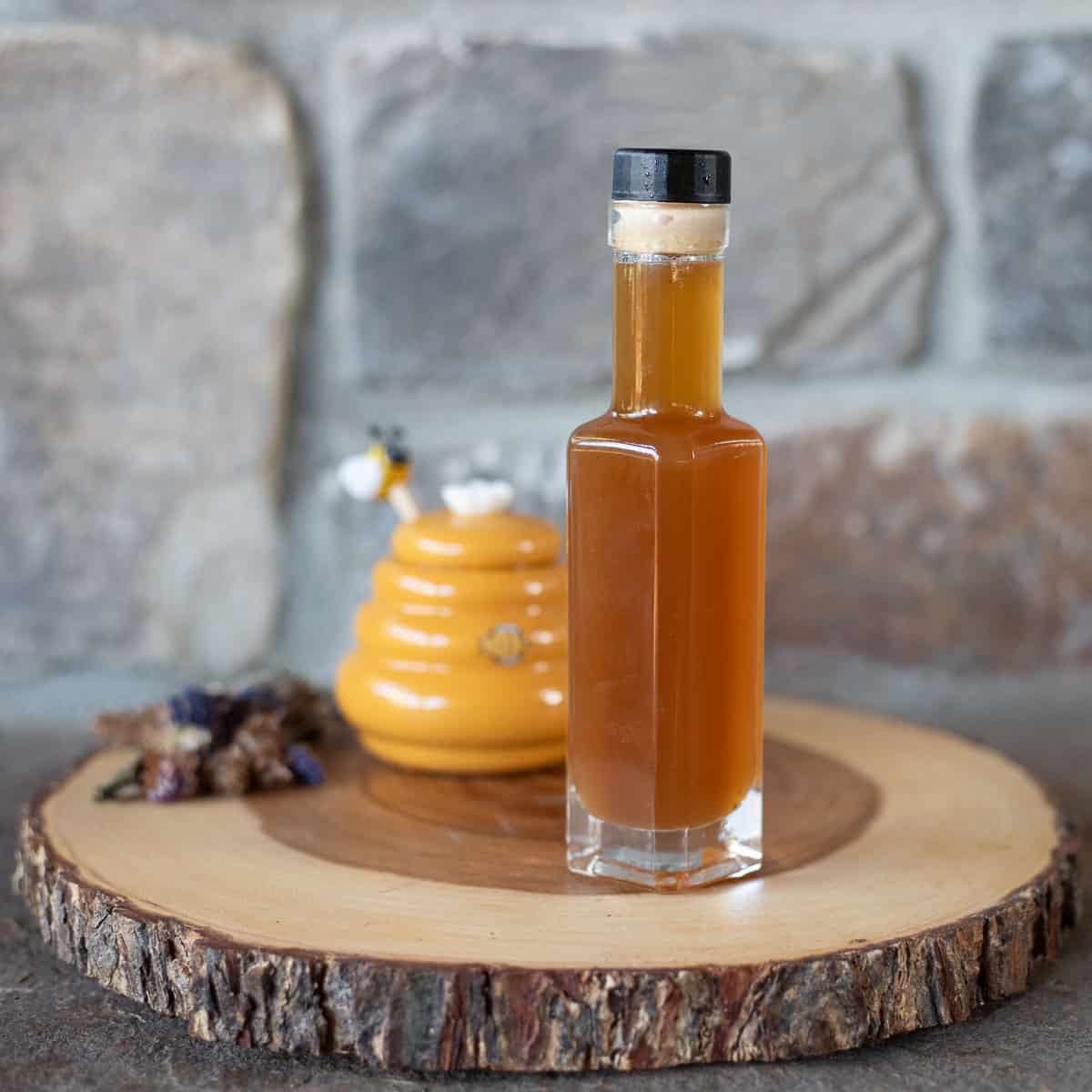
- After it has infused for at least one month, strain out the herbs and store your finished oxymel in a clean jar or bottle.
How to Use an Oxymel
Take 1 to 2 teaspoons a day for immune support and general wellness. You can add it to your warm tea (think yarrow tea, elderberry tea, fireweed tea, or my lavender tea blend). Add to sparkling water to make a tasty tonic. Try it drizzled over roasted veggies or salads. Or, mix it with olive oil to make a tasty dressing.
Do Oxymels Need to be Refrigerated?
Vinegar and honey are both natural preservatives, so refrigeration isn't necessary, unless you prefer a chilled tonic.
Final Thoughts
In a world of supplements with a mile-long ingredients list, oxymels are refreshingly simple! They're a beautiful blend of old-world wisdom mixed with modern practicality. The kind of natural remedy your great-grandmother probably made without calling it by a fancy name.
So grab some fresh herbs, vinegar, and honey, and make your own batch of oxymel!
FAQ
When stored in a cool, dark location, oxymels last at least 6 months. If refrigerated, they will last even longer!
Absolutely! Dried herbs are often easier to store and measure. Just use half the amount you'd use of fresh herbs.
Raw apple cider vinegar is best for its probiotics and flavor. However, you can use white wine vinegar or herb-infused vinegars if that's what you have on hand.
Pro Tips
- Use raw local honey whenever possible. Not only does raw honey have more enzymes and health benefits, but it also helps support local beekeepers. Plus, honey from your area can help with seasonal allergies.
- Before you start tossing herbs into the jar like a mad scientist, decide what you want your oxymel recipe to do. Immune support? Digestive aid? Respiratory relief? Build your oxymel around that goal!
- If your oxymel tastes too sharp, add more honey; if too sweet, add more vinegar. It's not an exact science.
- Don't forget to label your jars with the contents and the date, you'll thank me later!
- Strain well for long storage. Leftover bits of herbs can cause spoilage over time.
- Experiment with foraged herbs. Pineneedles, juniper berries, spruce tips, and rosehips can make your oxymel recipe truly unique.

More Homemade Remedies
If you enjoy this oxymel recipe, check out these other related posts!



Recipe
Oxymel: What It Is and How to Prepare It
Equipment
- 1 funnel
Ingredients
- 1 cup selfheal (or herb of choice)
- 1 cup apple cider vinegar
- 1 cup raw honey
Instructions
- Before preparing your oxymel, wash and dry your herbs thoroughly, then chop them to get the most extraction.
- Fill a clean mason jar halfway with medicinal herbs. Cover with equal amounts of vinegar and honey, making sure the herbs are fully submerged.
- Stir well, then cover with the lid and label with the jar contents and the date. Store in a cool, dark location, for example, a pantry, for 4-6 weeks. Shake every few days, or when you remember.
- After it has infused for at least one month, strain out the herbs and store your finished oxymel in a clean jar or bottle.
How to Use
- Take 1 to 2 teaspoons a day for immune support and general wellness. You can add it to your warm tea or sparkling water to make a tasty tonic. Try it drizzled over roasted veggies or salads. Or, mix it with olive oil to make a tasty dressing
Notes
- See blog post for how to use your homemade oxymel!
- Use raw local honey whenever possible. Not only does raw honey have more enzymes and health benefits, but it also helps support local beekeepers. Plus, honey from your area can help with seasonal allergies.
- Before you start tossing herbs into the jar like a mad scientist, decide what you want your oxymel to do. Immune support? Digestive aid? Respiratory relief? Build your oxymel around that goal!
- If your oxymel tastes too sharp, add more honey; if too sweet, add more vinegar. It's not an exact science.
- Don't forget to label your jars with the contents and the date, you'll thank me later!
- Strain well for long storage. Leftover bits of herbs can cause spoilage over time.
- Experiment with foraged herbs. Pineneedles, juniper berries, spruce tips, and rosehips can make your oxymel truly unique.
Hilda Sterner says
I hope you make your own oxymel and let me know how it goes!