
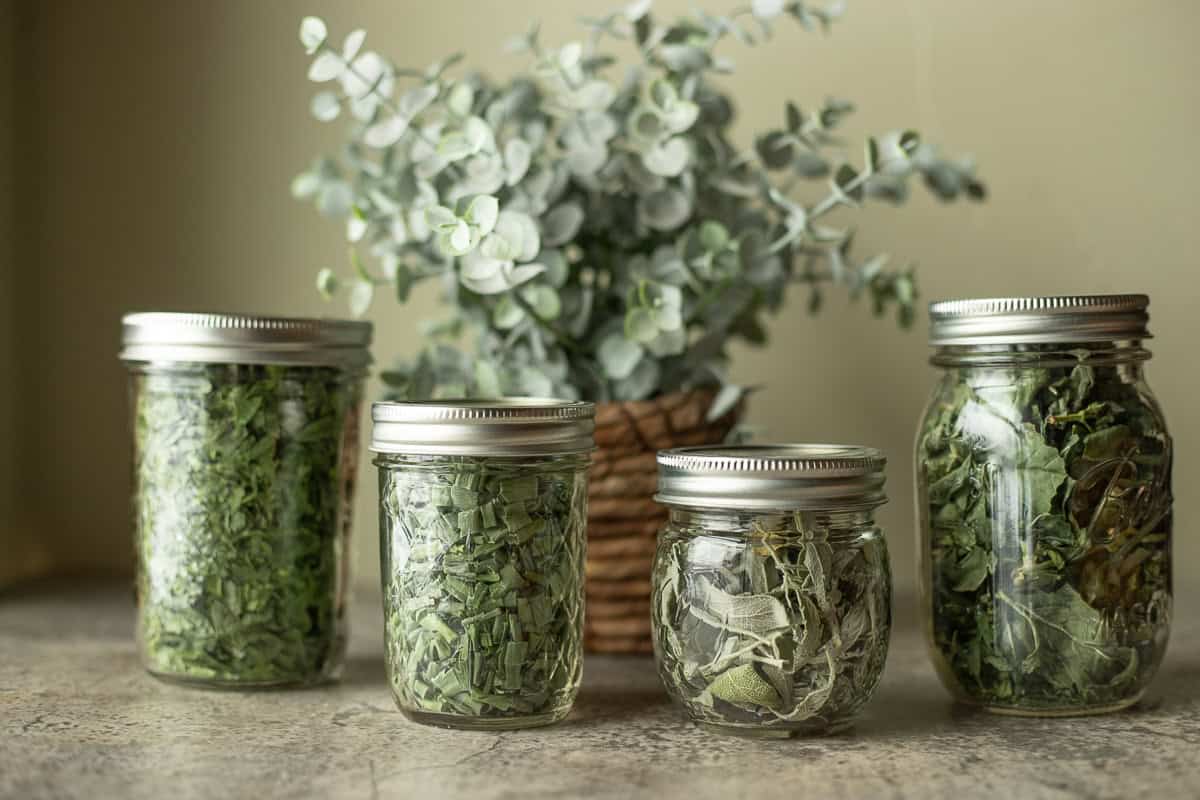
Freeze-drying herbs is one of the best methods for preserving the herbs' fresh flavor, color, and nutrients for long-term storage. It's the same preservation method I use for freeze-drying eggs and other pantry staples to extend shelf life without sacrificing quality.
As a Harvest Right affiliate, I earn a small commission from any purchases made for Harvest Right that originated from a link click on this blog.
I don't know about you, but in my Montana garden, I grow every kind of herb imaginable. It would be a shame to let all those delicious and nutritious herbs go to waste when winter rolls in. That's exactly why I rely on my freeze dryer to preserve herbs at peak freshness.
Unlike air drying or dehydrating, freeze drying locks in vibrant color and intense aroma, making your preserved herbs taste almost garden-fresh months and even years later. It's just one of the many benefits of owning a freeze dryer.
Jump to:
- Can You Freeze-Dry Herbs?
- Ingredients
- How to Freeze-Dry Herbs at Home
- How Long Does it Take to Freeze-Dry Herbs?
- Best Herbs to Freeze-Dry (Quick Reference)
- Freeze Drying vs Dehydrating Herbs
- How to Store Freeze-Dried Herbs
- How to Use Freeze-Dried Herbs
- Best Recipes to Use Freeze-Dried Herbs In
- Pro Tips
- Common Mistakes to Avoid
- More Freeze-Drying Recipes
- Comments
Can You Freeze-Dry Herbs?
Yes. Freeze-drying fresh herbs removes moisture through sublimation, preserving the herb's color, flavor, nutritional value, and aroma far better than traditional air drying or dehydrating. Popular herb choices include basil, mint, chives, sage, parsley, thyme, cilantro, and dill.
Freeze-drying fresh herbs at home is an excellent way to preserve your garden harvest for long-term storage. Basil, for example, freeze-dries beautifully and retains its bright green color. But if you don't own a freeze-dryer yet, you can learn how to dry basil leaves and other herbs using methods like air-drying, dehydrating, and oven-drying.
Ingredients
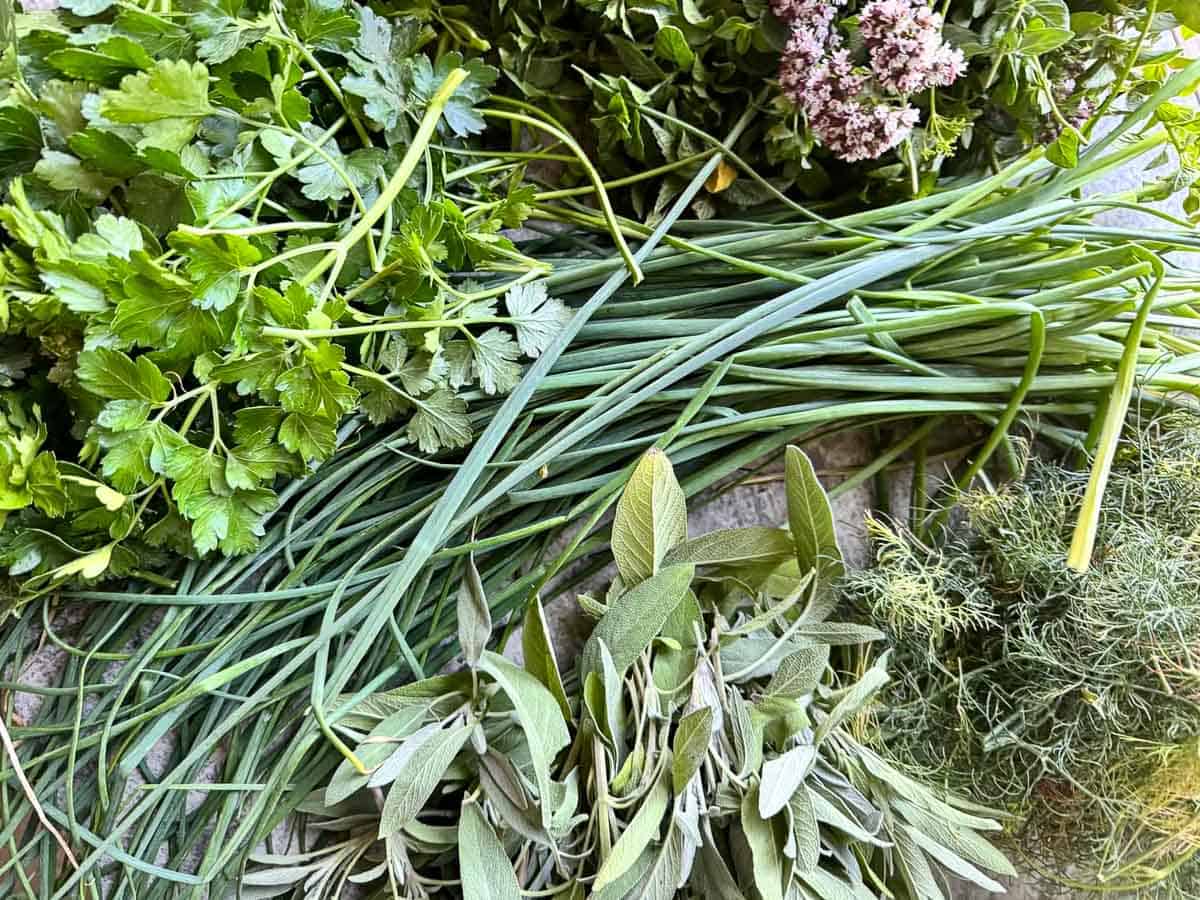
Fresh Herbs: Home-grown herbs, picked at the peak of freshness. Think mint, chives, dill, parsley, cilantro, sage, etc.
How to Freeze-Dry Herbs at Home
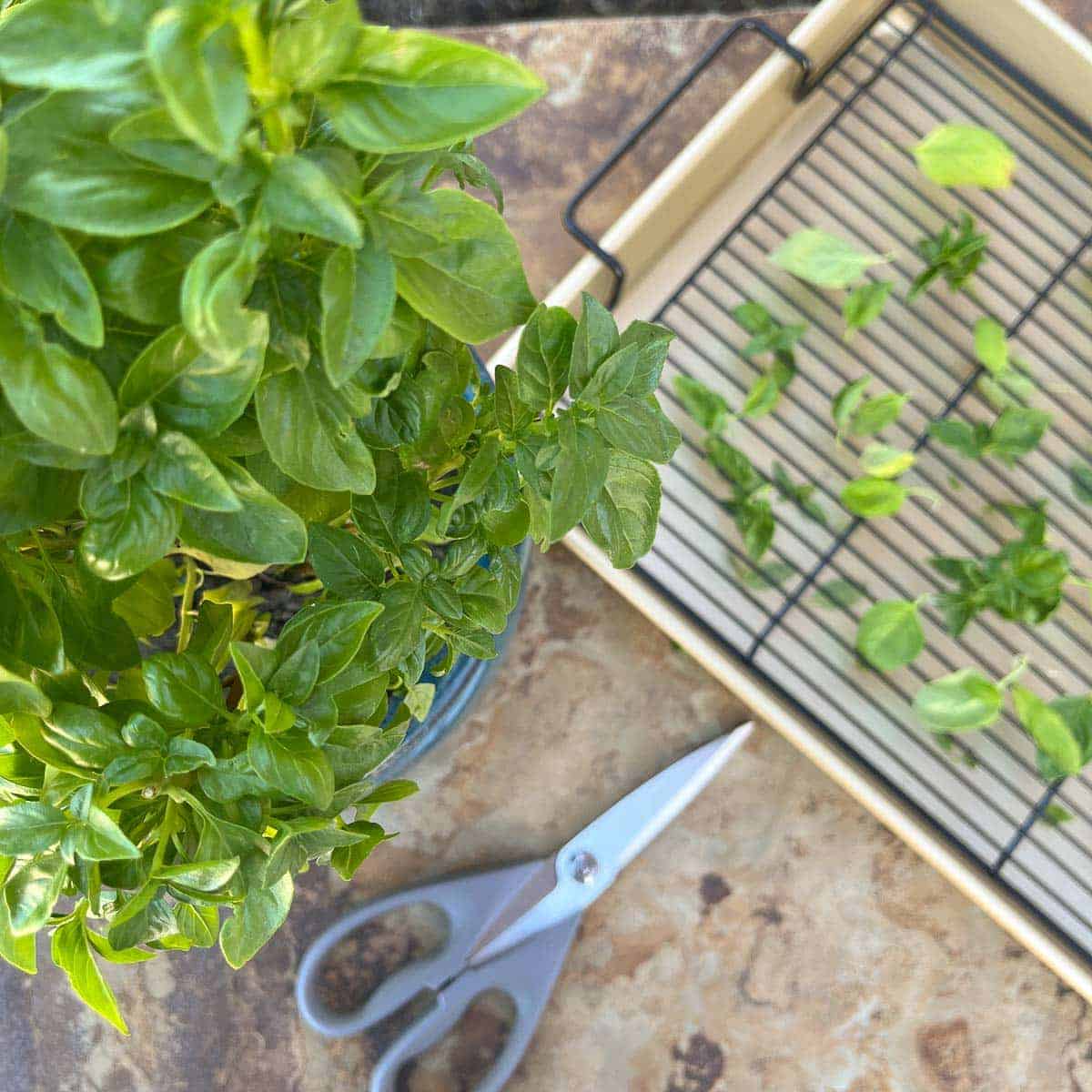
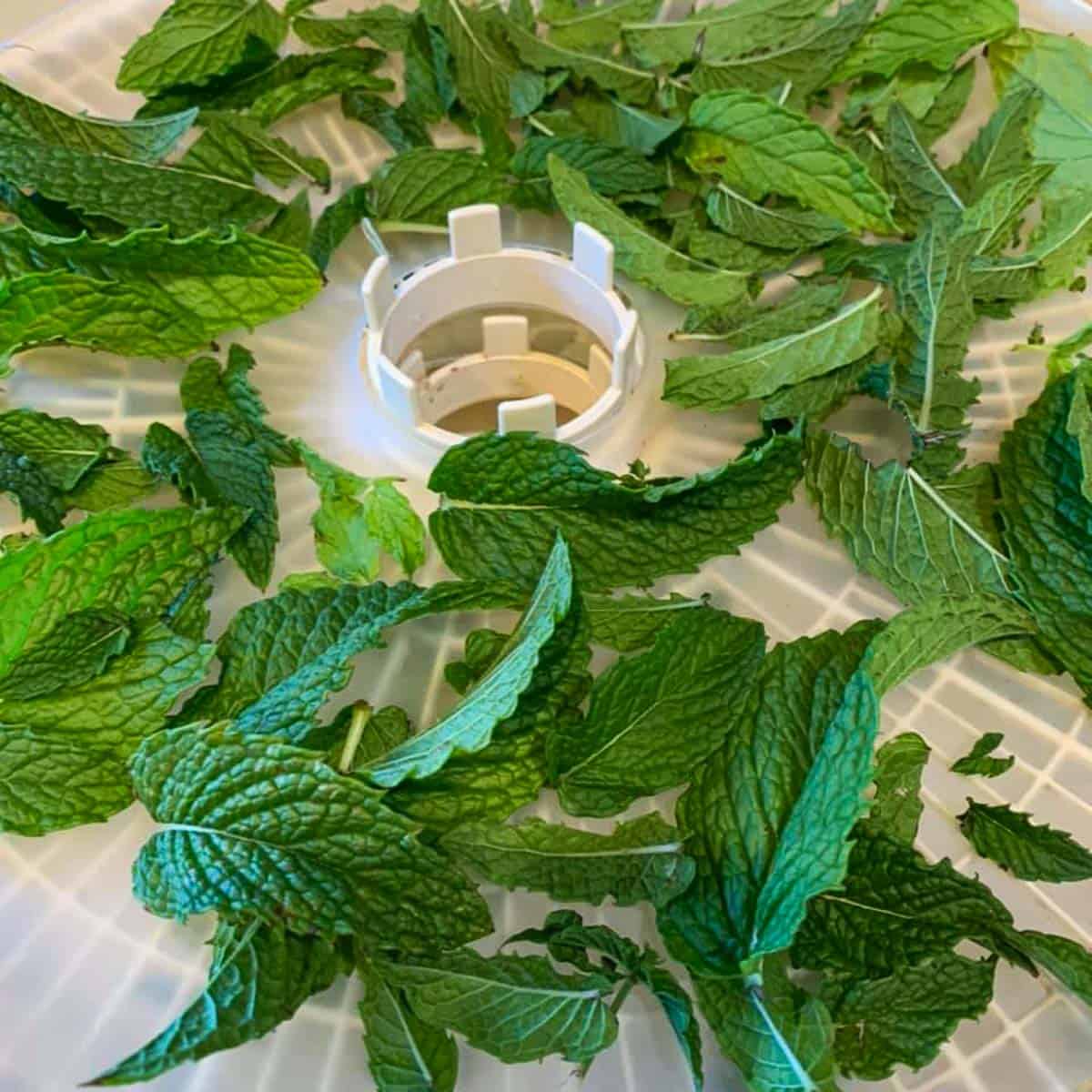
- Harvest herbs in the morning. Remove thick stems, then rinse and air dry completely.
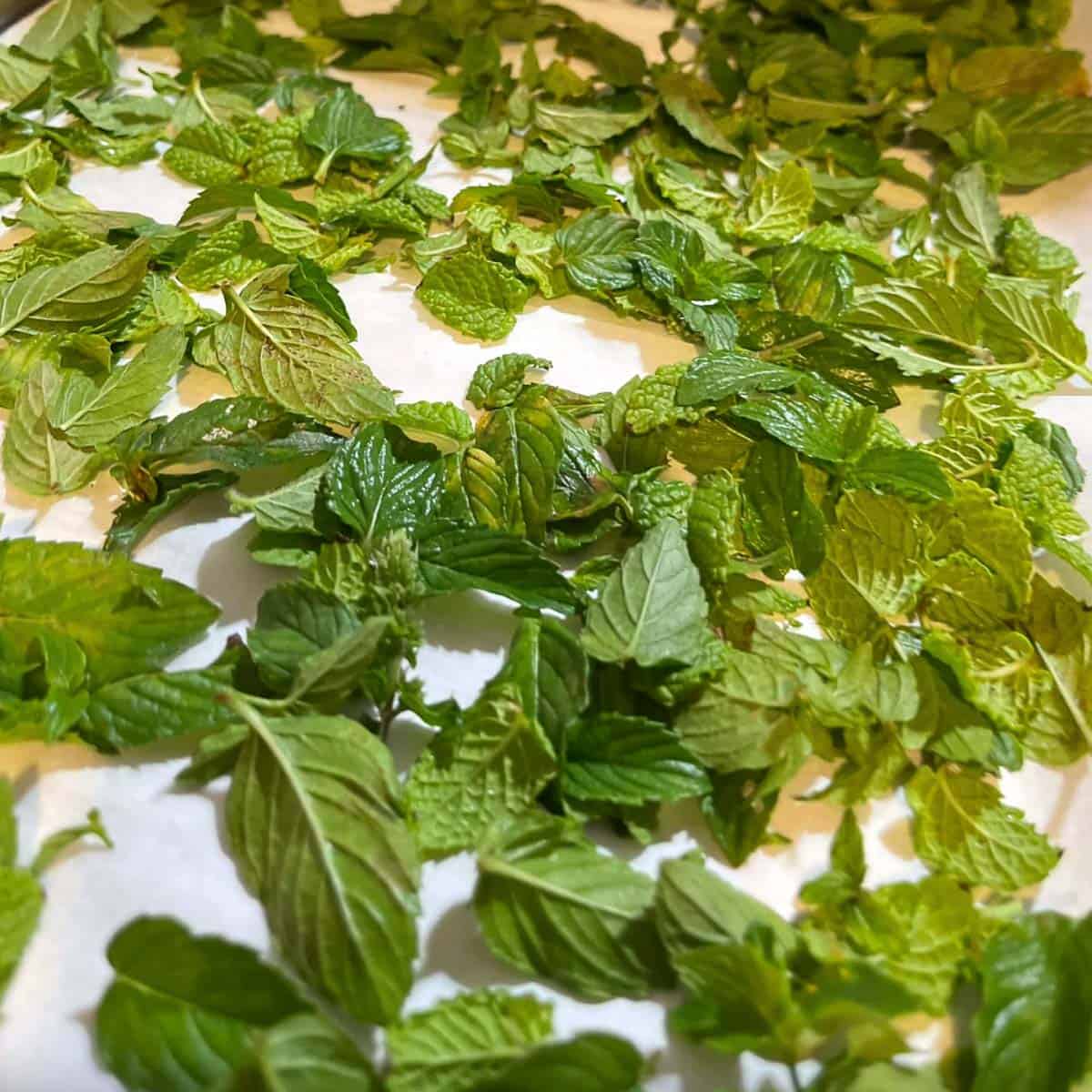
- Pre-freeze herbs (optional but helpful). While your freeze dryer chamber is cooling, spread herbs in a single layer on freeze dryer trays.
Pro Tip: Line your freeze-dryer trays with parchment paper or silicone mats before adding the herbs. Once the herbs are fully freeze-dried, you can simply lift the parchment and fold it in half to create a funnel, making it easy to pour the herbs into jars or Mylar bags without spilling those precious leaves everywhere.
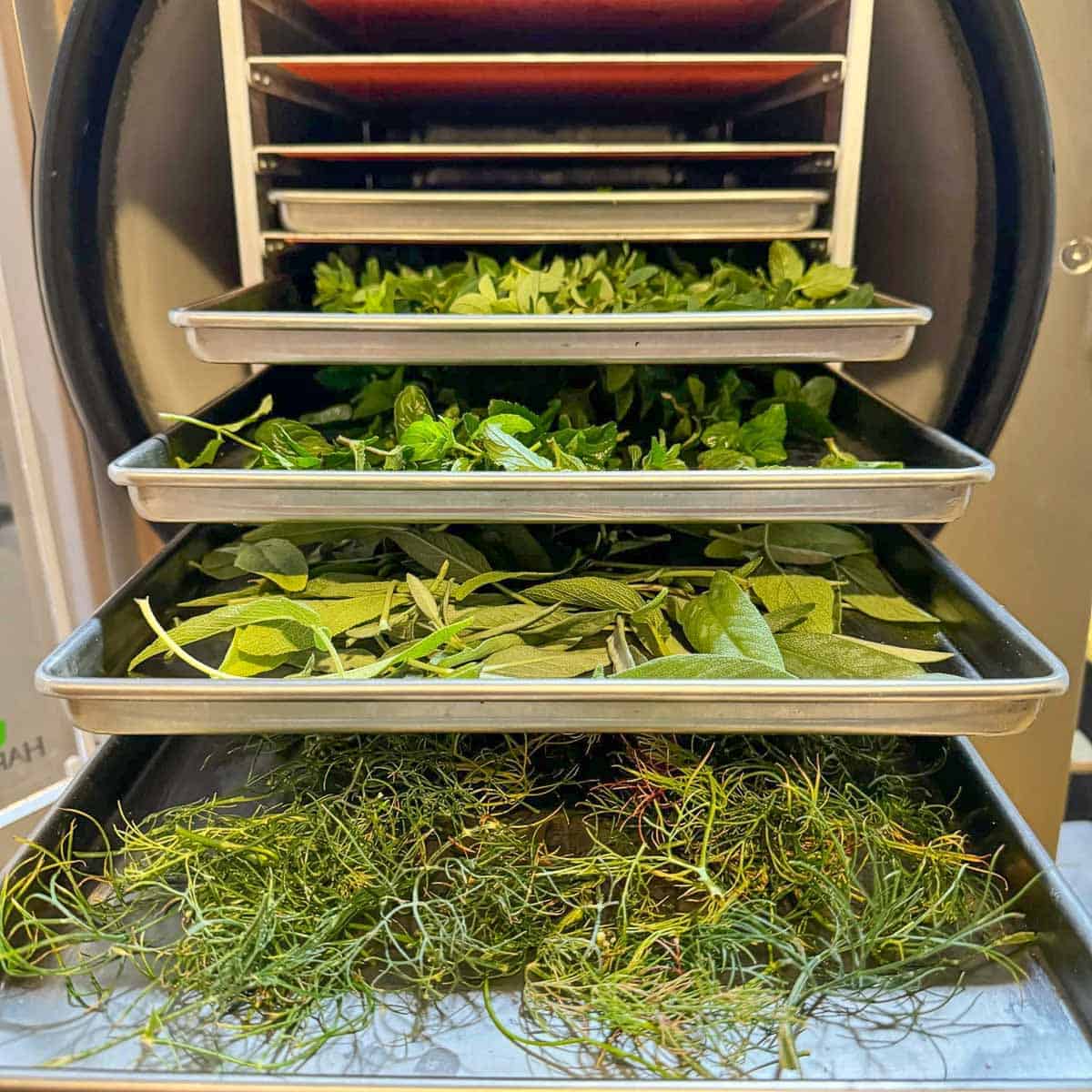
- When the freeze dryer is ready, slide filled trays into the chamber, then close and lock the door. Close the drain valve, then select start.

- When the time is up, open the drain valve to unseal the door. Check each tray to make sure no further drying time is necessary. The herbs should be crisp and easy to crumble.
How Long Does it Take to Freeze-Dry Herbs?
Freeze-drying herbs typically takes 12 to 24 hours. Thicker herbs, such as rosemary, may take longer due to their higher moisture content. Always check that the herbs are completely dry and crisp before storing. If needed, add extra dry time to ensure there's no remaining moisture.
Best Herbs to Freeze-Dry (Quick Reference)
| Herb Type | Examples | Freeze-Dries Well? | Notes |
|---|---|---|---|
| Tender Herbs | Basil, Mint, Cilantro, Parsley | ⭐⭐⭐⭐⭐ Excellent | Retain vibrant color and strong flavor. |
| Woody Herbs | Rosemary, Thyme, Oregano, Sage | ⭐⭐⭐⭐ Very Good | May take slightly longer due to lower moisture. |
| Delicate Flowers | Chive blossoms, Lavender | ⭐⭐⭐⭐ Very Good | Handle gently; freeze-dry beautifully for teas. |
| High-Moisture Herbs | Tarragon, Lemon Balm | ⭐⭐⭐⭐ Very Good | Spread in a single layer for best results. |
Freeze Drying vs Dehydrating Herbs
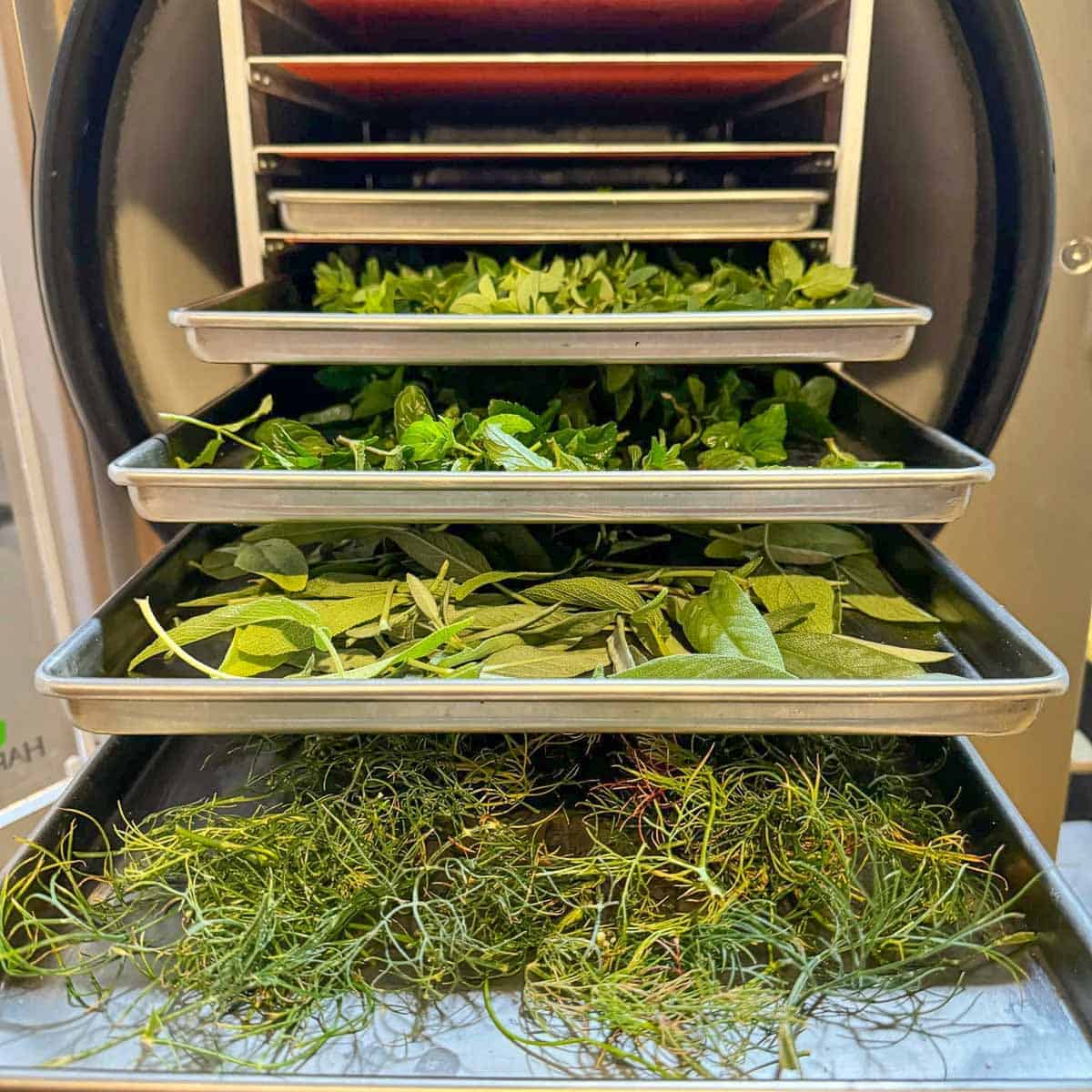
While both freeze drying and dehydrating preserve herbs, they produce different results. Freeze drying uses extremely low temperatures to remove moisture, while dehydrating relies on heat. The difference affects flavor, color, shelf life, and nutrient retention.
| Freeze Drying | Dehydrating |
|---|---|
| Retains vibrant color | Color often dulls |
| Stronger, fresher flavor | Slight flavor loss |
| Retains most nutrients (often up to 97–98%) | Some nutrient loss from heat exposure |
| 10–25 year shelf life (properly sealed) | 1–3 year shelf life |
| Expensive equipment | Affordable equipment |
How to Store Freeze-Dried Herbs
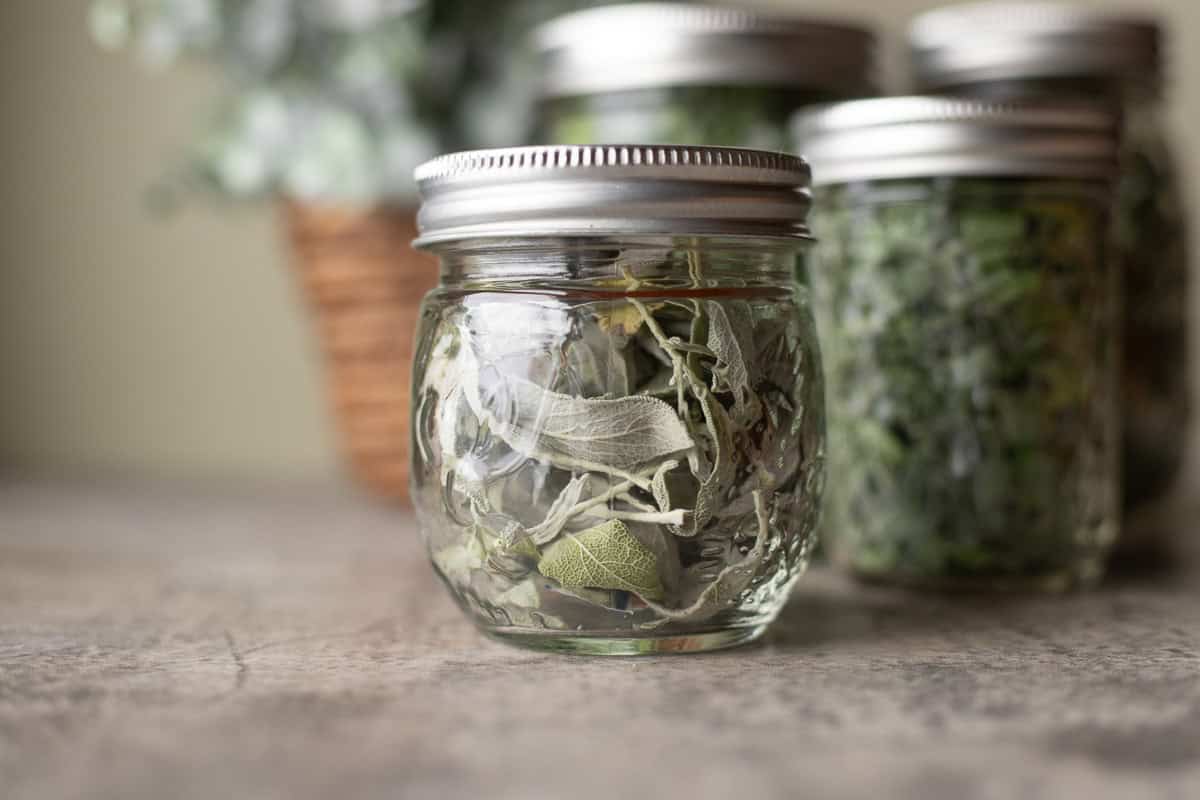
Once your herbs are completely dry, it's crucial to store them properly to keep moisture out. Use Mylar bags with oxygen absorbers for long-term storage. For short-term use, mason jars with air-tight lids work beautifully, especially if you use a vacuum jar sealer. Don't forget to label and date everything!
How to Use Freeze-Dried Herbs
Freeze-dried herbs can be used just like dried herbs, but they're often more potent in flavor. Crush them between your fingers before adding to recipes to release their oils and aroma. You can use freeze-dried herbs:
- In soups, stews, and sauces
- Sprinkled over roasted vegetables
- Mixed into marinades and dressings
- Stirred into dips and compound butters
- Added directly to homemade seasoning blends
Because freeze-dried herbs retain more flavor than dehydrated herbs, start with slightly less than a recipe calls for and adjust to taste. If adding to cold dishes like salads or dressings, you can rehydrate them first with a few drops of water for a minute or two, but in most cooked recipes, they'll rehydrate naturally as they cook.
Best Recipes to Use Freeze-Dried Herbs In
One of the biggest advantages of freeze-dried herbs is how vibrant their flavor remains, even months or years after preserving them. Once crushed, they release an aroma that's almost as strong as fresh herbs from the garden.
Below are some of my favorite ways to use your preserved herbs, all recipes where freeze-dried herbs shine.
🍲 Soups & Stews
Freeze-dried thyme, parsley, and oregano work beautifully in hearty soups and slow-simmered stews. Add them early so they can rehydrate as the dish cooks. I love adding freeze-dried mint to kubba hamuth (Assyrian meat dumpling soup).

🍝 Pasta Sauces
Freeze-dried basil and oregano are perfect for marinara, pesto-style sauces, and pizza sauce. Crush before adding to release the oils. You can use freeze-dried basil and oregano to make this spicy jalapeno pesto.
🧄 Compound Butter
Mix crushed freeze-dried herbs into softened butter with garlic and salt for an easy herb butter to spread on bread or melt over vegetables.
🥗 Salad Dressings & Marinades
Because freeze-dried herbs retain strong flavor, they shine in vinaigrettes and marinades. I often add freeze-dried cilantro to my carne asada marinade and freeze-dried chive blossoms in chive blossom vinegar.

🌿 Homemade Seasoning Blends
Create Italian seasoning, taco seasoning, poultry seasoning, or herb salt blends using your preserved herbs. Freeze-dried thyme or rosemary can be added to mushroom seasoning and freeze-dried bay leaves in my corned beef spices.
Pro Tips
- Lining the trays helps prevent small leaves from sticking to the metal trays and makes cleanup faster.
- Pre-freezing herbs before placing them in the freeze dryer can shorten cycle time and improve efficiency.
- Freeze-dry herbs whole, then crumble before using. Crushing them first exposes more surface area and can slightly reduce long-term shelf life.
- Don't overload trays. Herbs need airflow for proper sublimation.
- Ensure freeze-dried herbs are completely dry before storing.
Common Mistakes to Avoid
- Not drying herbs thoroughly after washing. Excess surface moisture can lead to ice buildup and longer drying times.
- Overfilling the trays. Crowding herbs prevents proper airflow and even drying.
- Not checking for complete dryness. Freeze-dried herbs should snap, not bend. If they're flexible, they need more time.
- Improper storage. Failing to seal herbs in airtight containers or Mylar bags allows moisture to creep back in.
- Skipping oxygen absorbers for long-term storage. Oxygen can dull flavor and shorten shelf life.
- Forgetting to label. Always date and label mason jars or bags - future you will be grateful.
More Freeze-Drying Recipes
Looking for other posts like this? Try these:


Comments
No Comments