

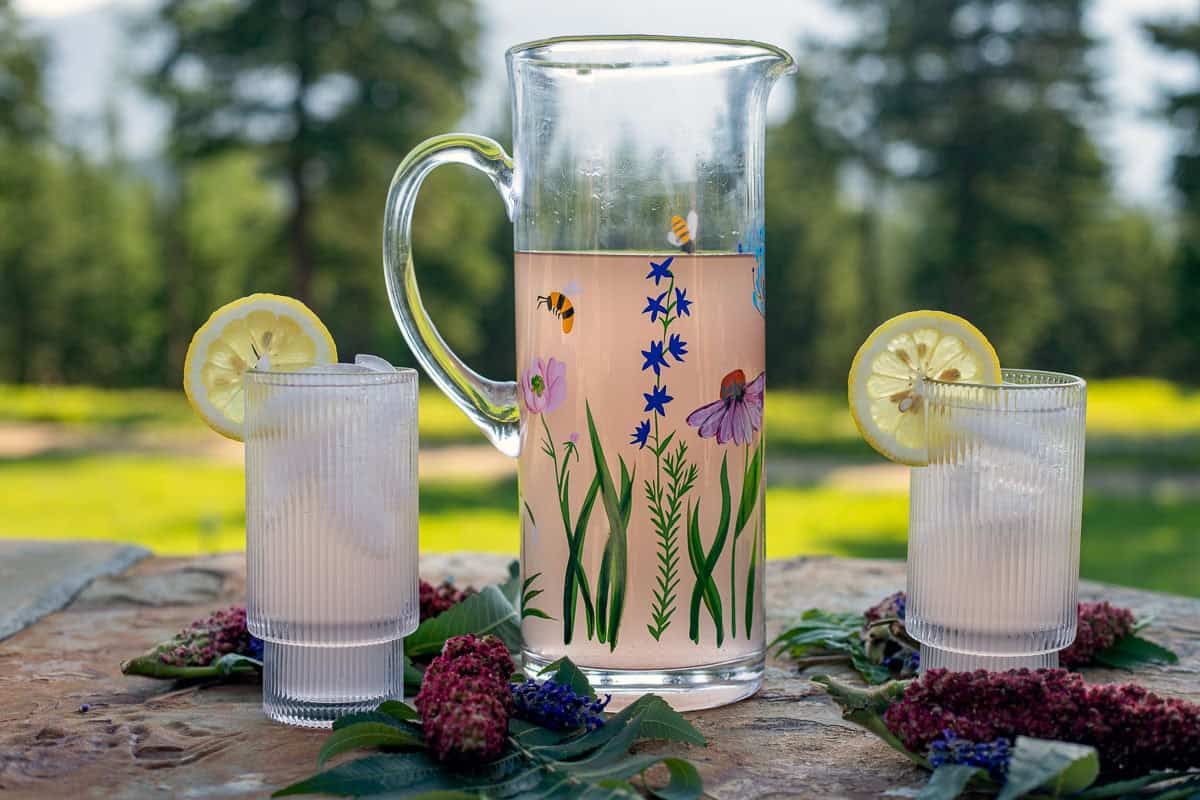
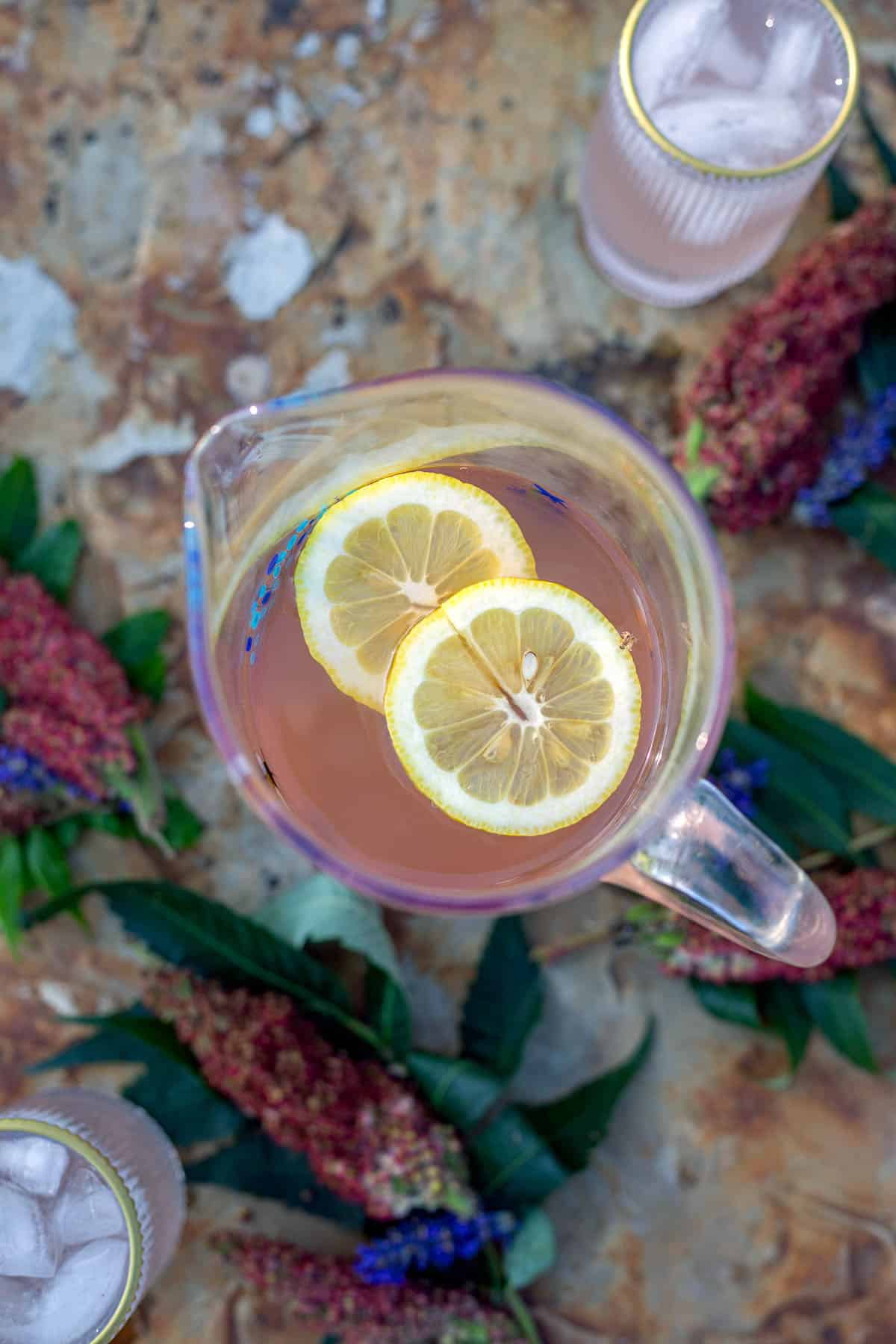
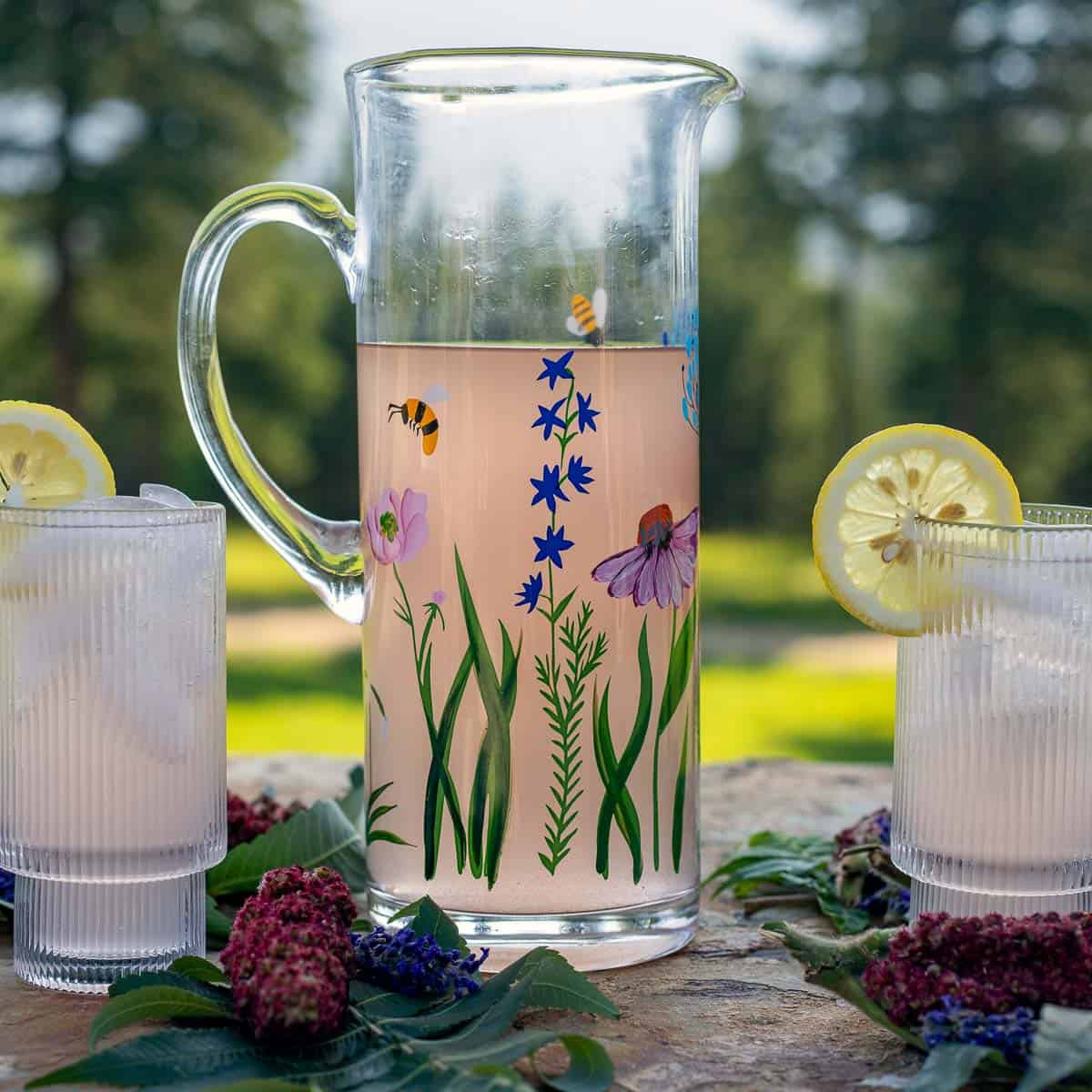
Sumac lemonade (sumac tea) is a delicious and unique drink that can be prepared with staghorn sumac berries, which are packed with natural antioxidants. Their tangy flavor eliminates the need for lemons in this refreshing drink! Sweeten with honey or even cardamom syrup!
I recently got invited to a friend's house to pick flathead cherries. We all need generous friends like this, don't we? But that's not all, I was also allowed to dig up a few small sumac plants from the many that grow on their property. These little shrubs grow and spread under the large staghorn sumac trees in their yard.
After digging up the first one, we realized that their roots are connected, forming large colonies similar to those of aspens. We brought the two shrubs home and planted one in a pot in the garden, and the larger one outside the garden.
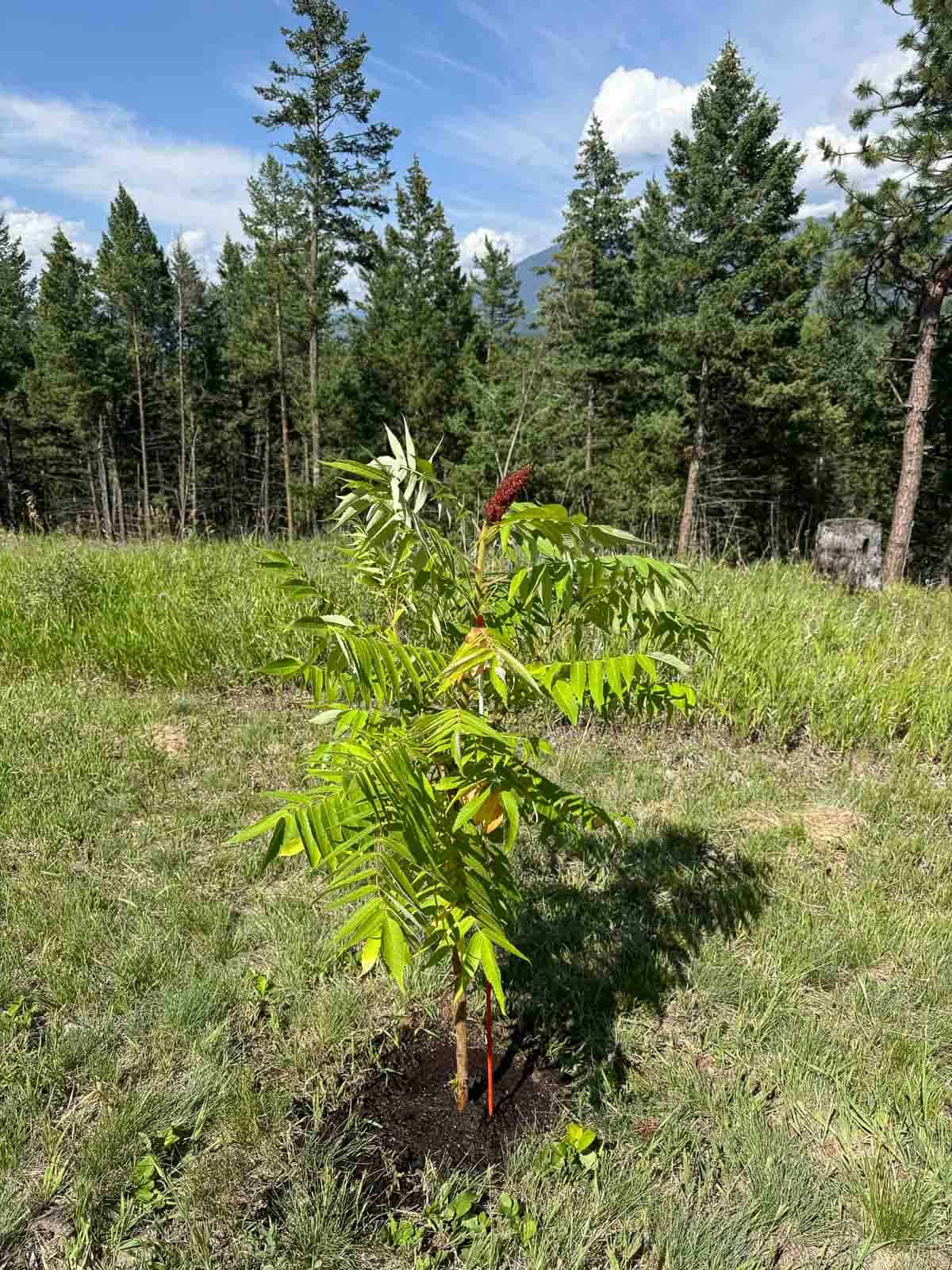

It turns out the deer love sumac too! The first night, they ate the sumac drupe off the top. The next night they came back for the leaves... 😭 The next time we try this, we will put wire around it to protect it from the wildlife!
I got the sumac drupes for this recipe from the many plants in our friend's yard. In Montana, sumac ripens from late July to August, so I think the drupes would have had more sumac powder on them if I had picked them next month. But I wasn't sure if I would be going back to their place in August, so I decided to roll the dice!
Jump to:
What is sumac?
Sumac is a vibrant, tangy spice made from the dried berries of the wild sumac shrub, most commonly Rhus coriaria, not to be confused with poison sumac. With its bold, reddish-purple hue and lemony flavor, sumac is a staple in Middle Eastern and Mediterranean cooking. It is one of my favorite spices, next to cardamom.


How Is Sumac Used?
This versatile spice is typically used as a finishing touch. You'll find it sprinkled over:
- Grilled meats and kofta kebabs
- Fresh salads like Lebanese fattoush salad
- Rice and roasted vegetables
- Loaded hummus and other dips
- It's even used in desserts like these berry scones
It blends beautifully into spice rubs, marinades, and dressings. You can also use it to make sumac tea or sumac lemonade by infusing the berries in cold water.
Ingredients & Substitutions

- Sumac Bobs: You'll need enough sumac berries to equal 2 cups.
- Lavender: Fresh or dried lavender to add floral notes. If you don't have culinary lavender, try fresh mint!
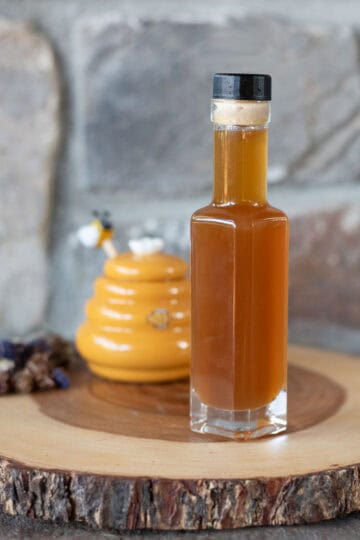
- Sweetener: I prepared syrup with ¾ cup sugar & ½ cup water, but you can also add honey, maple syrup, or your favorite sweetener.
- Optional: Lemon juice can be added to make the sumac lemonade more tart, if needed. Or slice the lemon and use it as a garnish.
*See recipe card for quantities.
How to Make Sumac Lemonade (Sumac Tea)

- Remove sumac berries from sumac bob (preferably with scissors) until you have 2 cups.

- Add to a ½ gallon container and top with 5 sprigs of lavender.
Pro Tip: Don't pulverize the sumac bobs. The seeds and stems can impart a bitter flavor into your infusion.
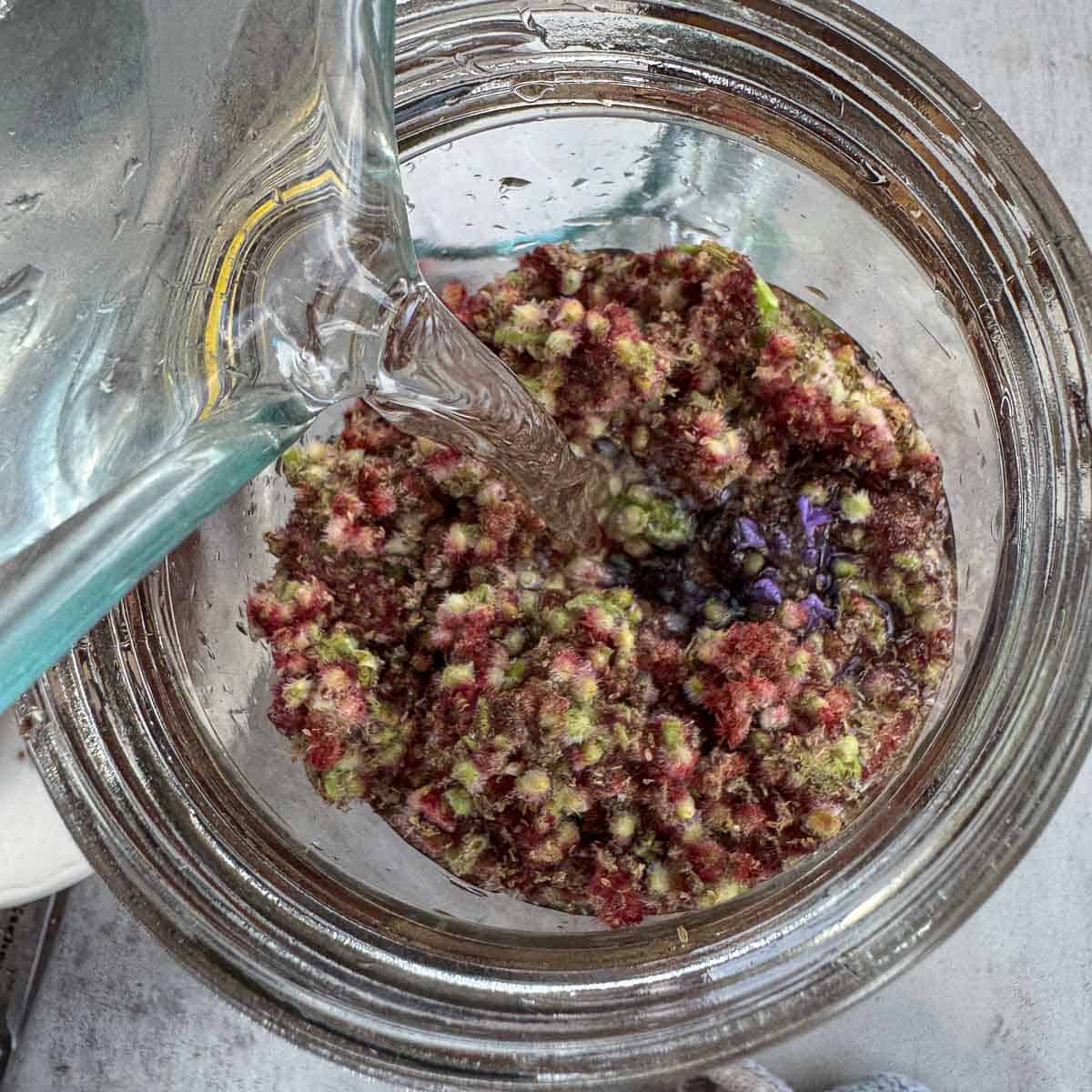
- Pour cold water over it and stir, agitating to release the sumac powder from the berries.

- Optional: Add 1 to 2 tablespoons sumac powder if the sumac bobs don't have enough sumac powder on them.
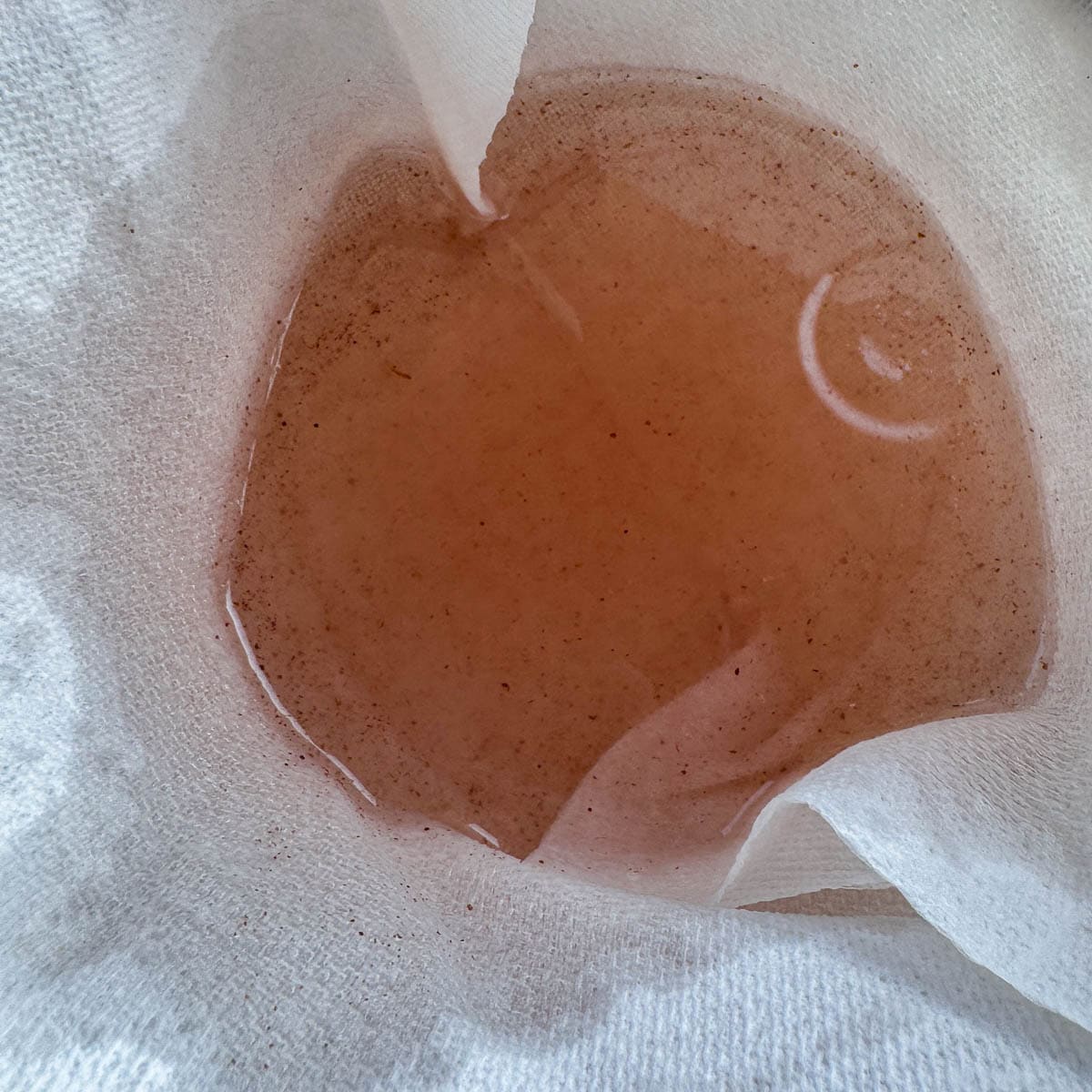
- Refrigerate overnight to infuse the flavors, then strain through a fine mesh strainer, coffee filter, or paper towel.

- Prepare syrup by simmering sugar and water in a small saucepan over medium heat for 10 minutes.

- Once cool, mix syrup (or other sweetener) into lemonade. If you prefer a more tart flavor, add lemon juice.

- Serve over ice, garnished with a few lemon slices.
Equipment
To make sumac lemonade, you'll need a large ½ gallon jar, kitchen shears, a strainer, and a pitcher. If preparing syrup, you'll also need a small saucepan.
Storage
Store in the fridge for up to a week. You can also dry extra bobs and store them in an airtight container for later use!
Sumac Health Benefits
Sumac has many health benefits and is considered a medicinal plant. It is rich in fiber and heart-healthy fats. It is also high in tannins, flavonoids, anthocyanins, and polyphenols, which fight oxidative stress. It supports blood sugar control and metabolic health. It also relieves exercise-related stress, based on this study.
Don't Confuse It with Poison Sumac
Not all sumac is edible. Poison sumac (Toxicodendron vernix) is a related plant that can cause severe skin irritation. One way to tell the two plants apart is that poison sumac has white berries.
Safety Tips When Using Sumac
While sumac is generally considered safe and beneficial for most people, here are a few precautions to keep in mind:
- Check for allergies: Sumac belongs to the same plant family as cashews, pistachios, and mangoes (Anacardiaceae). If you have allergies to any of these, consult your doctor before trying sumac.
- Medication interactions: Because sumac may help lower blood sugar and cholesterol levels, it could interact with medications for diabetes or heart disease. If you're on prescription meds, speak with a healthcare professional before adding large amounts of sumac to your diet.
FAQ
Sumac lemonade tastes similar to regular lemonade with a unique twist. The sumac adds a tangy, tart flavor with fruity and slightly earthy undertones.
Sumac lemonade is prepared by soaking sumac berries in water to make a cold infusion. Fresh herbs can be added to the infusion if desired. After straining the "lemonade," it can be sweetened with sugar, syrup, honey, or maple syrup.
Pro Tips
- Harvesting sumac before heavy rain is ideal because the rain can wash off the tart sumac powder from the sumac bobs.
- Here in Montana, the best time to pick sumac berries is in August. If you pick them sooner, they may not have enough sumac powder, so adding some sumac powder might help to make the infusion stronger.
- If the sumac drupes taste tangy when you lick your fingers after touching them, they're ready.
- If you can't source sumac berries, sumac powder may be used. Start with ¼ to ⅓ cup and adjust from there to get the flavor you desire.
- Never use hot or boiling water - it can release bitter tannins from the sumac. Stick to cold or room temperature water to preserve that crisp, lemony flavor.
More Drink Recipes to Try!
If you enjoy this sumac lemonade recipe, try some of these other drinks too!


Recipe
Staghorn Sumac Lemonade with Lavender
Equipment
Ingredients
- ½ gallon water
- 2 cups sumac berries
- 5 sprigs lavender
- 2 tablespoon sumac powder (if needed to make stronger infustion)
Syrup Ingredients
- ¾ cup granulated sugar
- ½ cup water
Instructions
- Remove sumac berries from sumac bob (preferably with scissors) until you have 2 cups. Add to a ½ gallon container and top with 5 sprigs of lavender.
- Pour cold water over it and stir, agitating to release the sumac powder from the berries. Optional: Add 1 to 2 tablespoons sumac powder if the sumac bobs don't have enough sumac powder on them.
- Refrigerate overnight to infuse the flavors, then strain through a fine mesh strainer, coffee filter, or paper towel.
- Prepare syrup by simmering sugar and water in a small saucepan over medium heat for 10 minutes.
- Once cool, mix syrup (or other sweetener) into lemonade. If you prefer a more tart flavor, add lemon juice. Serve over ice, garnished with a few lemon slices.
Notes
- Don't pulverize the sumac bobs. The seeds and stems can impart a bitter flavor to your infusion.
- Harvesting sumac before heavy rain is ideal because the rain can wash off the tart sumac powder from the sumac bobs.
- Here in Montana, the best time to pick sumac berries is in August. If you pick them sooner, they may not have enough sumac powder, so adding some sumac powder might help to make the infusion stronger.
- If the sumac drupes taste tangy when you lick your fingers after touching them, they're ready.
- If you can't source sumac berries, sumac powder may be used. Start with ¼ to ⅓ cup and adjust from there to get the flavor you desire.
- Never use hot or boiling water - it can release bitter tannins from the sumac. Stick to cold or room temperature water to preserve that crisp, lemony flavor.
Hilda Sterner says
I hope you try this sumac lemonade recipe soon, it's delicious!
Anita Haus says
I had a chance to try this and was surprised how good it is! Great flavor and nothing overpowering
Hilda Sterner says
So glad you enjoyed it, Anita!