
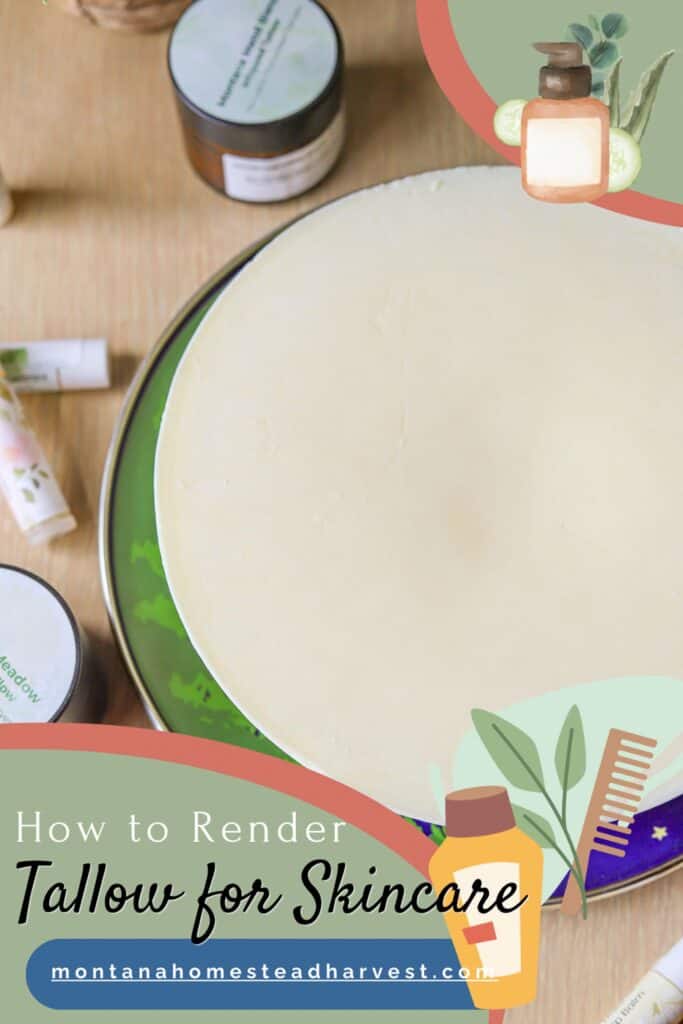
If you want to get into making skincare-grade tallow for your business or for personal use, you need to start with cosmetic-grade tallow. Tallow for skincare is different than food-grade tallow. Cosmetic tallow requires a few additional steps to remove impurities and the beefy scent. This guide will walk you through this process so that you can make whipped tallow balm in no time!

I've been rendering fat from briskets for many years now. Instead of tossing the fat-trimmings, I use them for cooking. You can learn how to make beef tallow and how to render pork fat on my other blog. Not only is it a great way to save money, but it's also better for you than hydrogenated fats and seed oils.
This year, I decided to take it a step further by making my own tallow products, including nourishing tallow balms and lip balms. While I initially purchased cosmetic-grade tallow, I knew I needed to learn how to make it myself; it's one of those skills every homesteader should have.
It turns out making purified tallow for skincare is an easy but time-consuming process. However, once the impurities are removed, the result is tallow with a lighter color and a barely-noticeable scent.
So come along into my kitchen as I share exactly what I learned.
Jump to:
Ingredients
To make cosmetic-grade tallow for skincare, you need to start with good-quality, grass-fed, and, if possible, grass-finished beef fat. Kidney fat (also called leaf fat and suet) is especially desirable and yields a better product. So, if you can get your hands on some, kudos to you; otherwise, you can still use beef fat trimmings. Just make sure you remove all traces of meat from it.
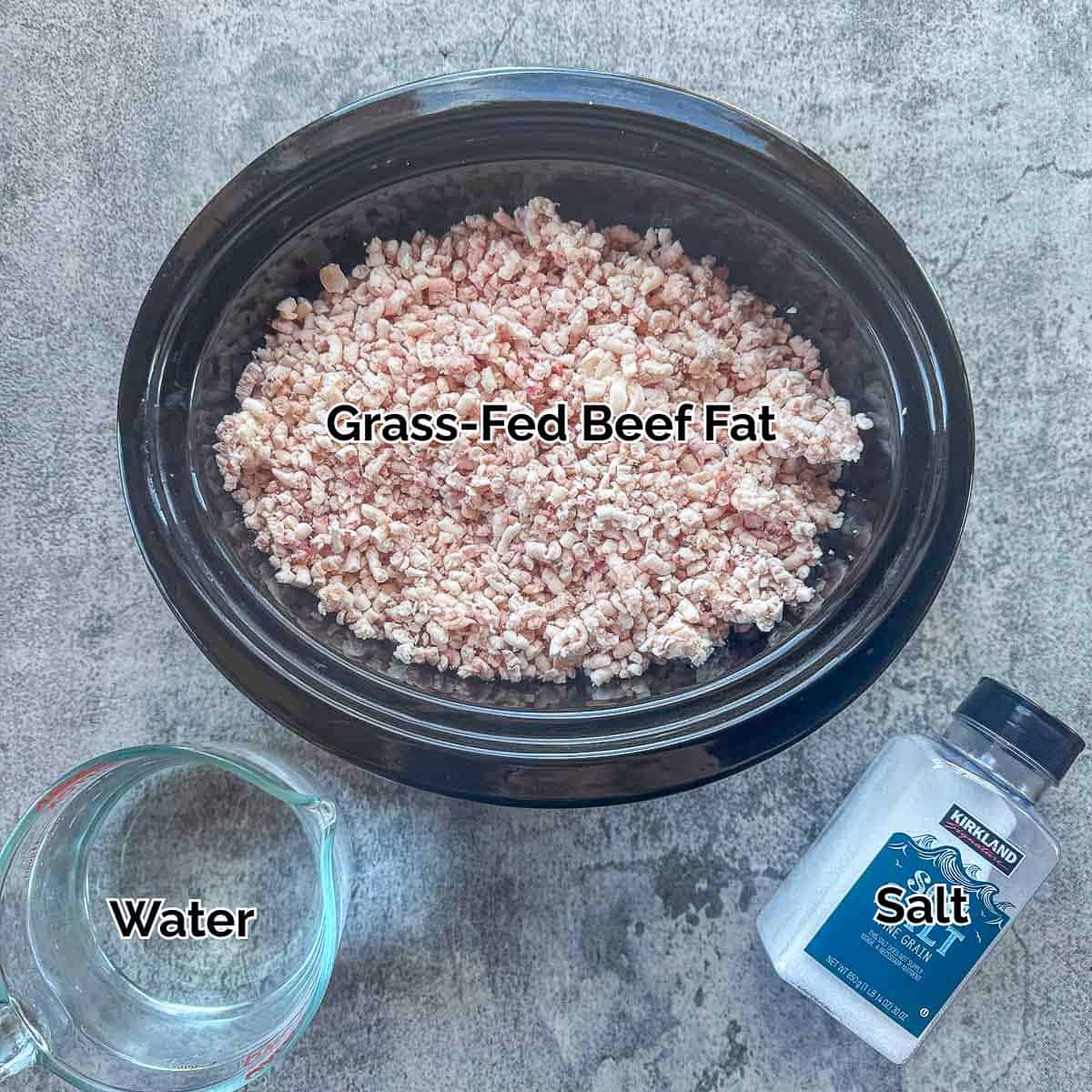
- Beef fat: Kidney fat is best, but other fat can also be used, as long as any meat traces are removed, along with sinew and connective tissue.
- Water: Water to wash the fat and separate impurities.
- Salt: Salt to draw out impurities. Any cheap salt will do!
See recipe card for quantities.
How to Render Tallow for Skincare
Before using tallow for skincare, it needs to be properly rendered and purified so it's clean, odor-free, and suitable for topical use. Here are step-by-step instructions.
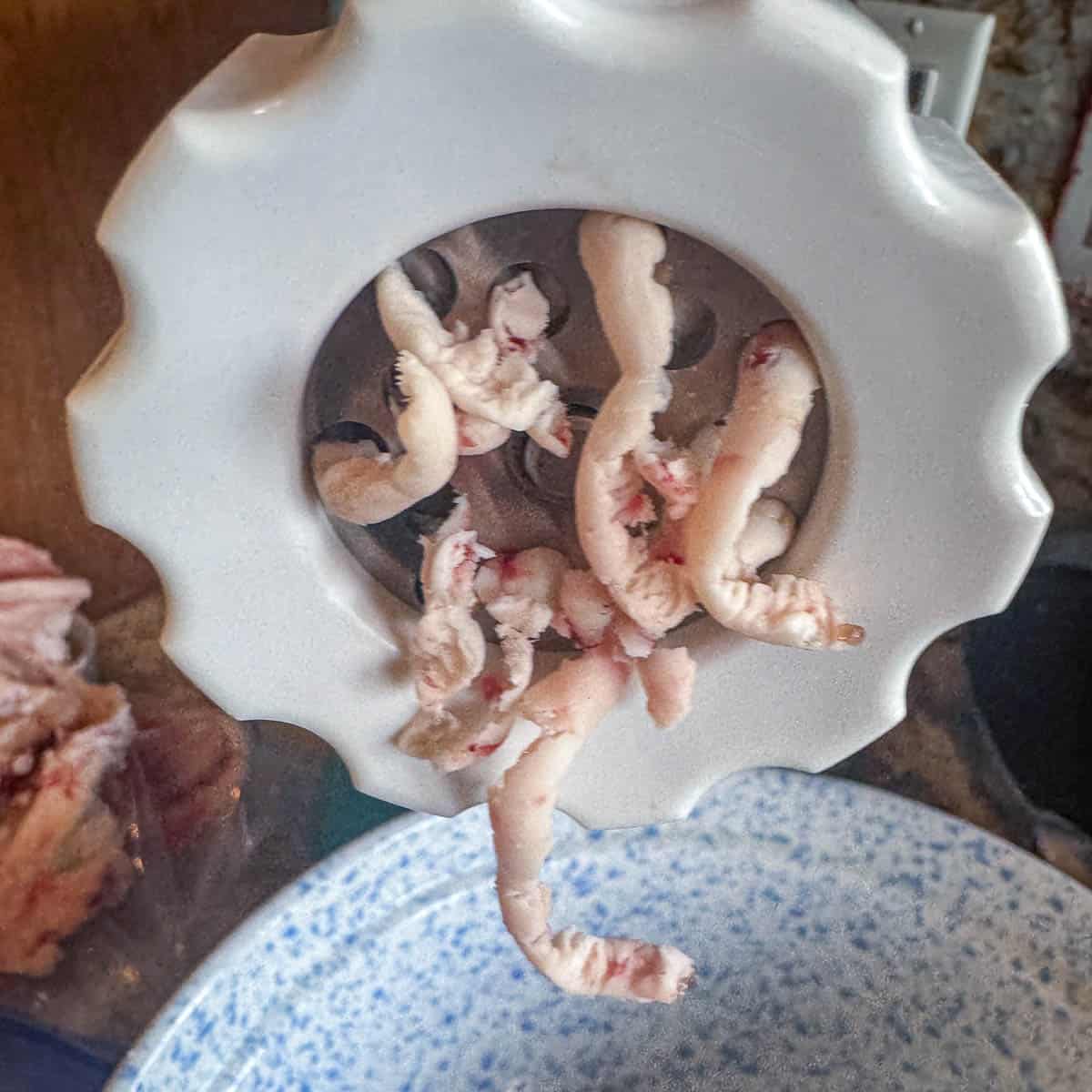
- Start with semi-frozen beef suet (kidney fat) for the best results. Trim away any visible meat, then grind. If the fat gets too warm, it can clog the grinder.
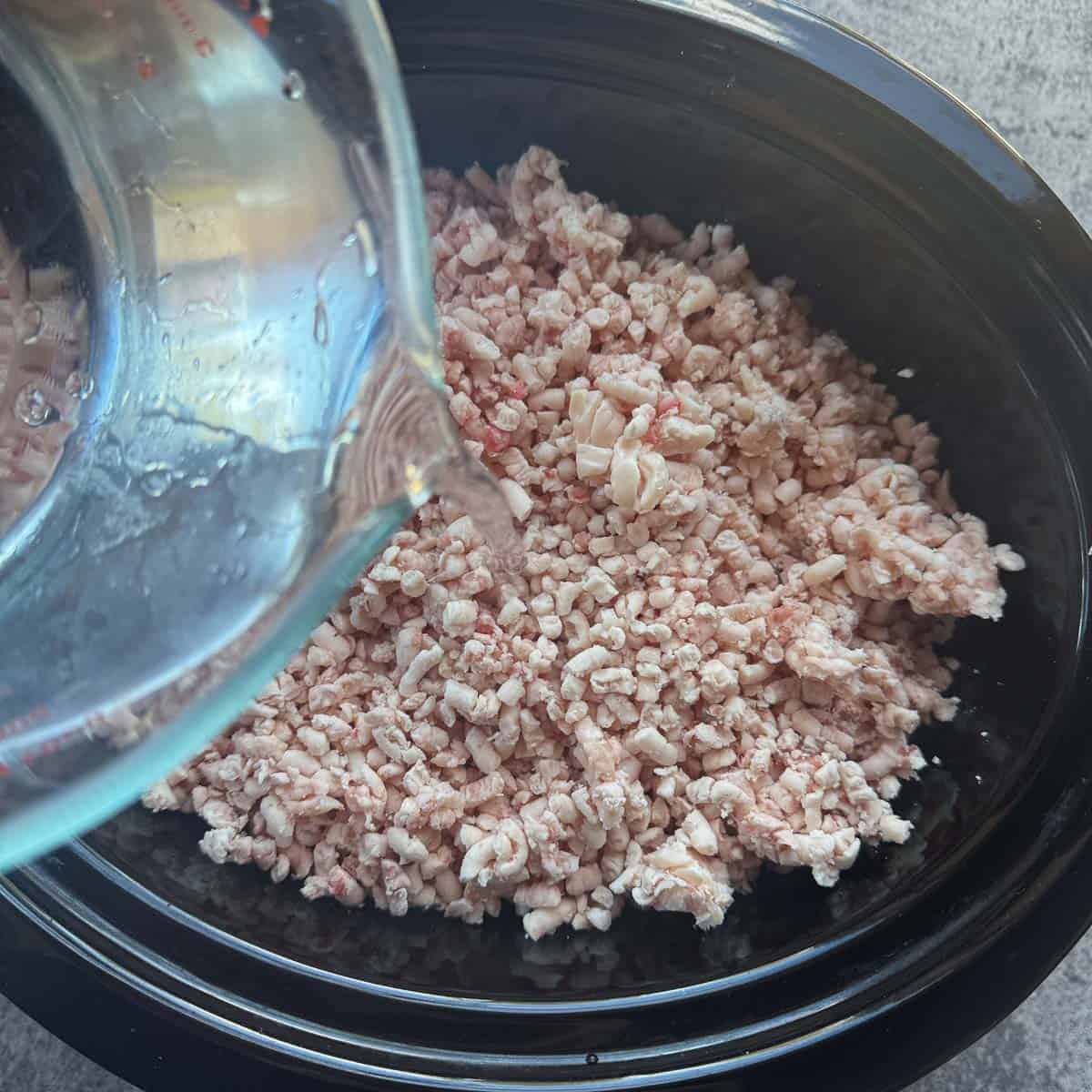
- Place ground suet in a heavy pot or slow cooker. Add enough water to cover the bottom of the pot and partially surround the fat. I added 1 quart.
Pro Tip: If you don't have a meat grinder, you can chop the fat into small pieces by hand or use a food processor.
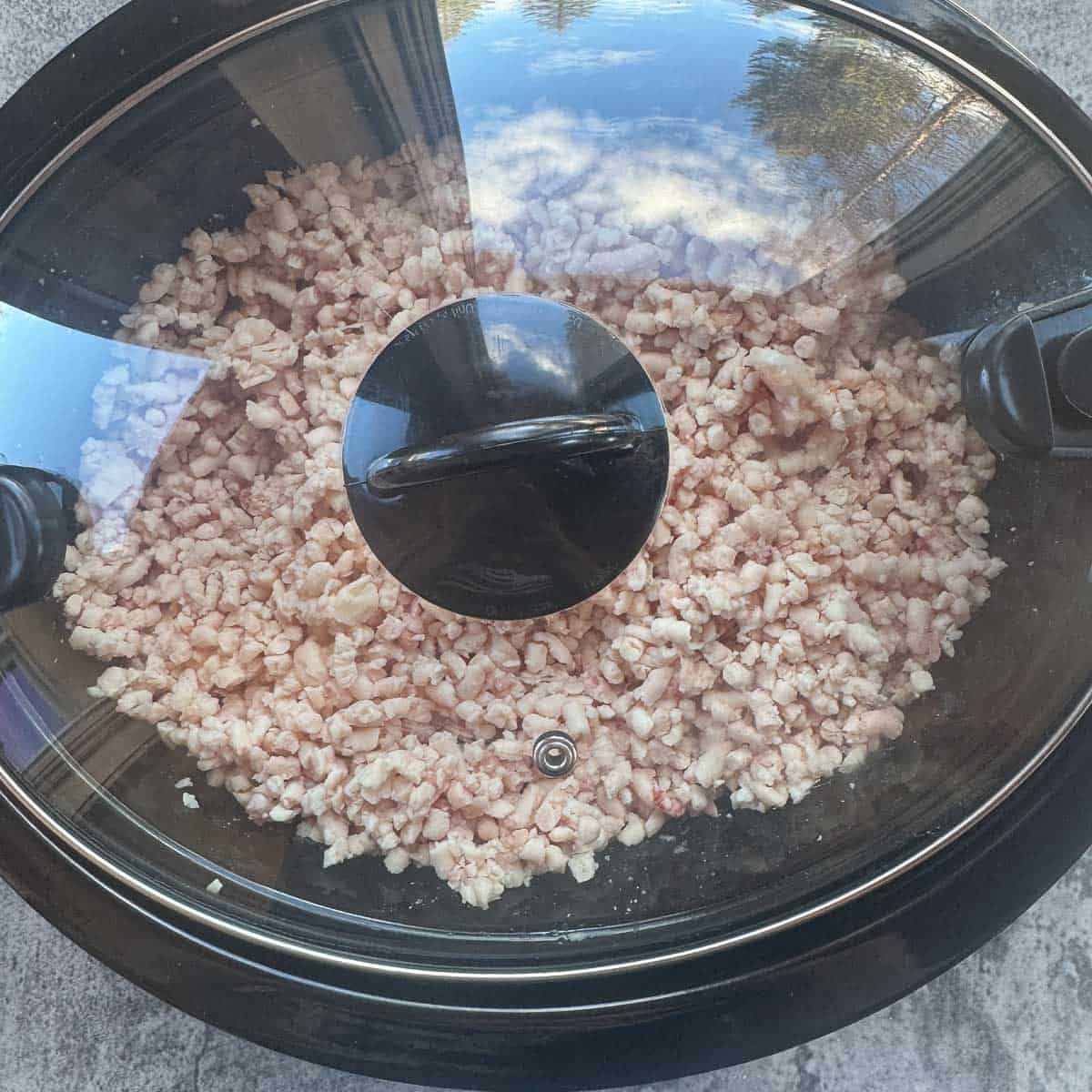
- Mix in 2 tablespoons of salt, then set the temperature knob to low. Cover for the first hour, then uncover, and check hourly until the fat is mostly melted. This can take 4 to 6 hours. Avoid browning.
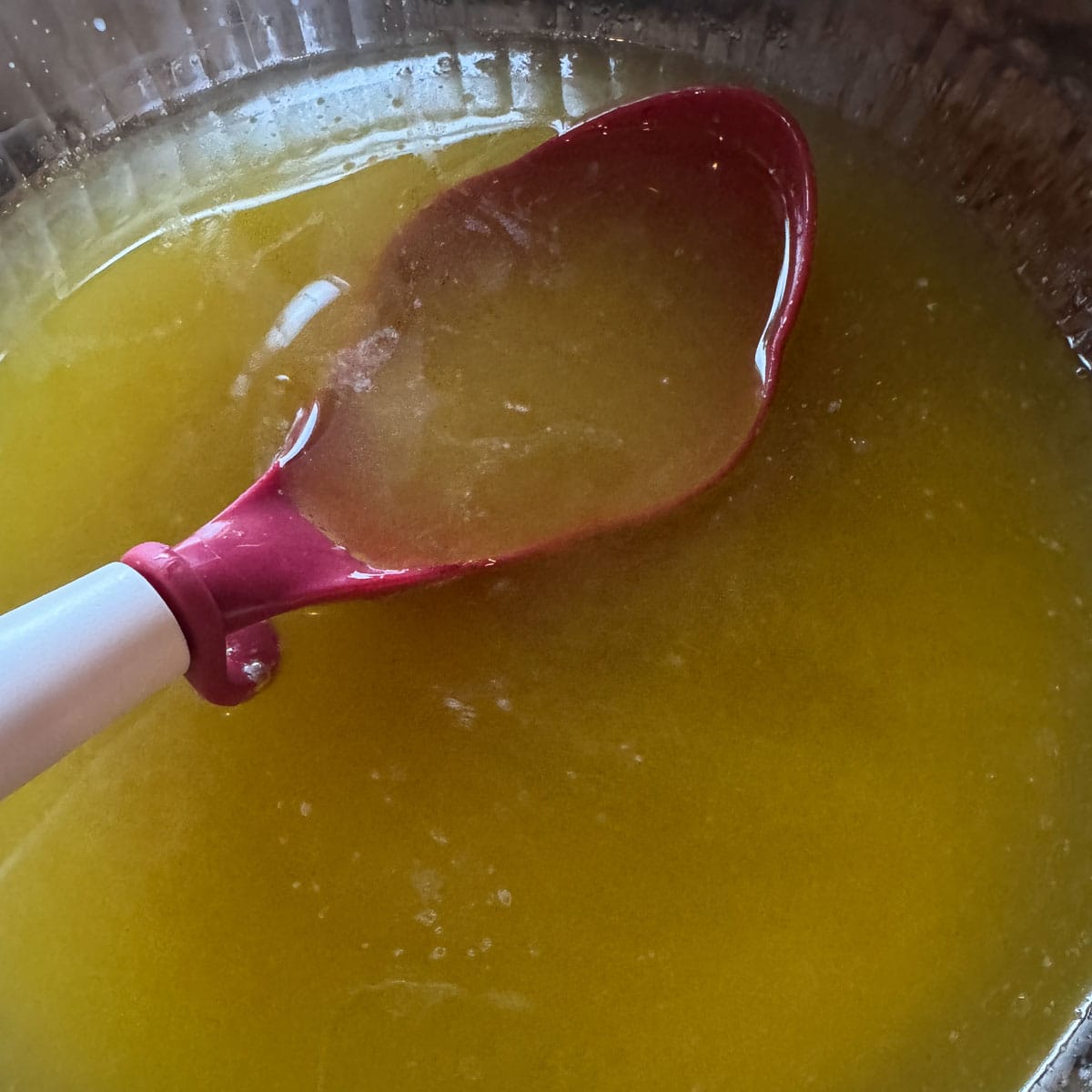
- Strain through cheesecloth or a fine-mesh strainer into a bowl, then refrigerate overnight.
Pro Tip: To speed up the process, you can use an immersion blender to break up the fat even further. Just be sure to keep the blade down when blending to avoid splattering hot grease on yourself.
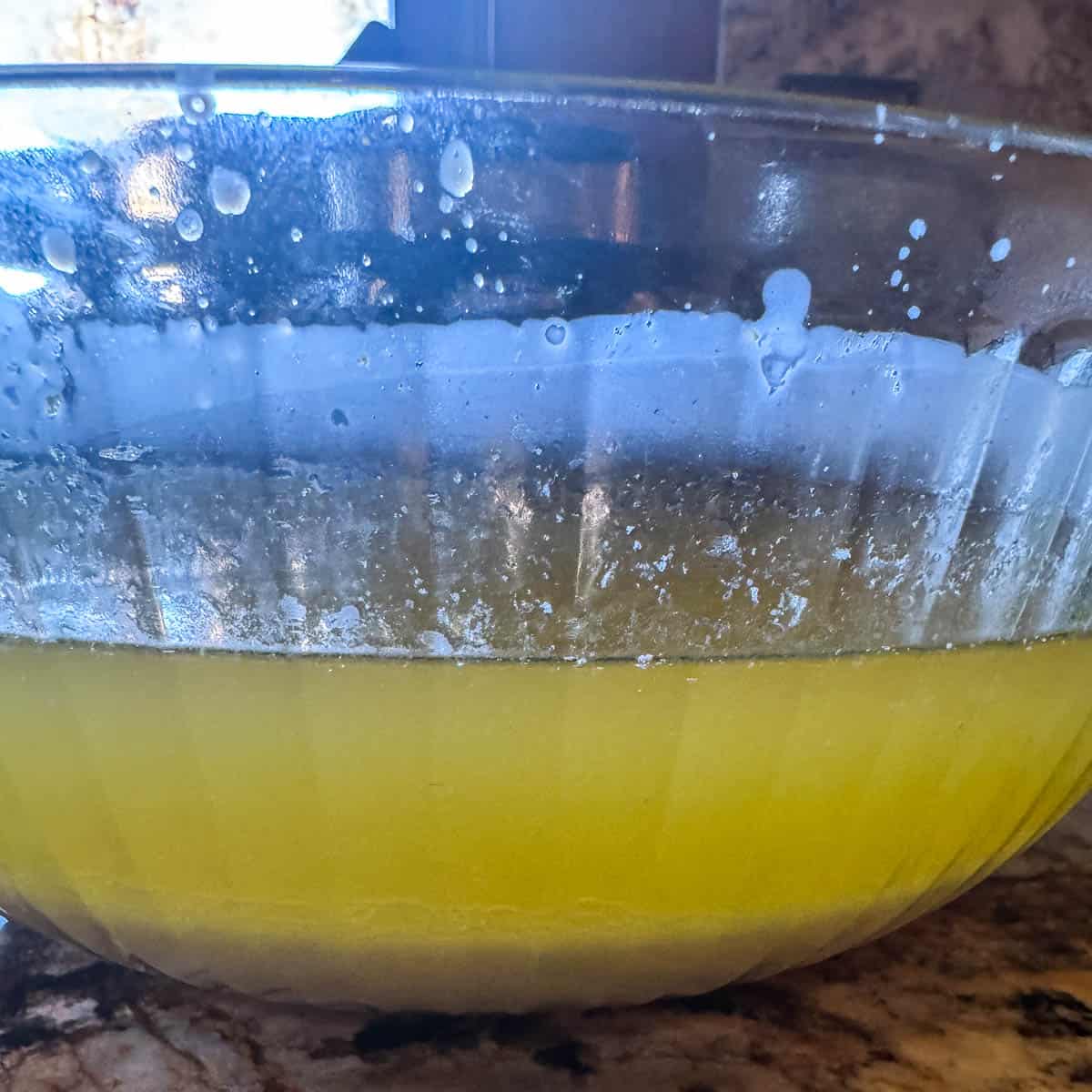
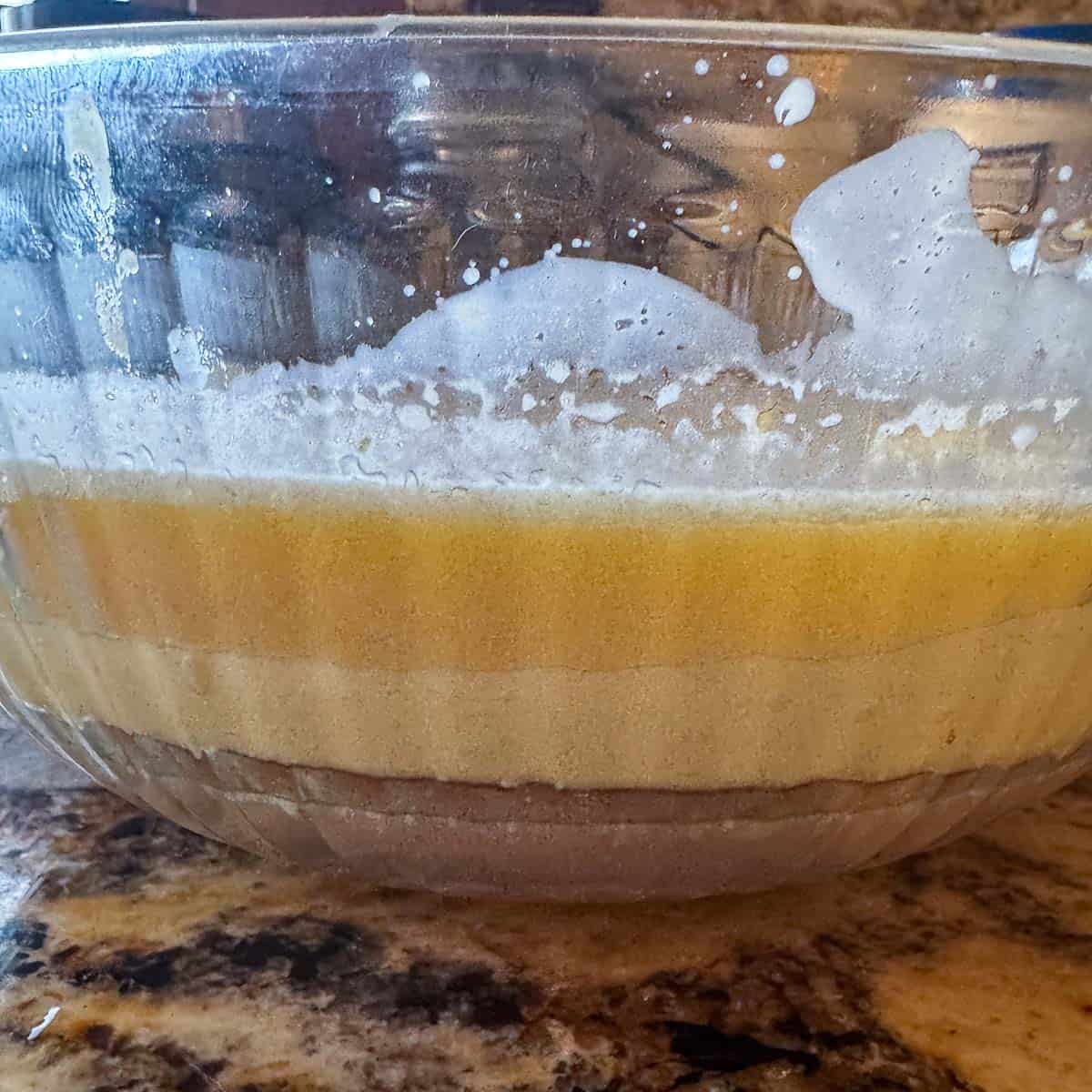
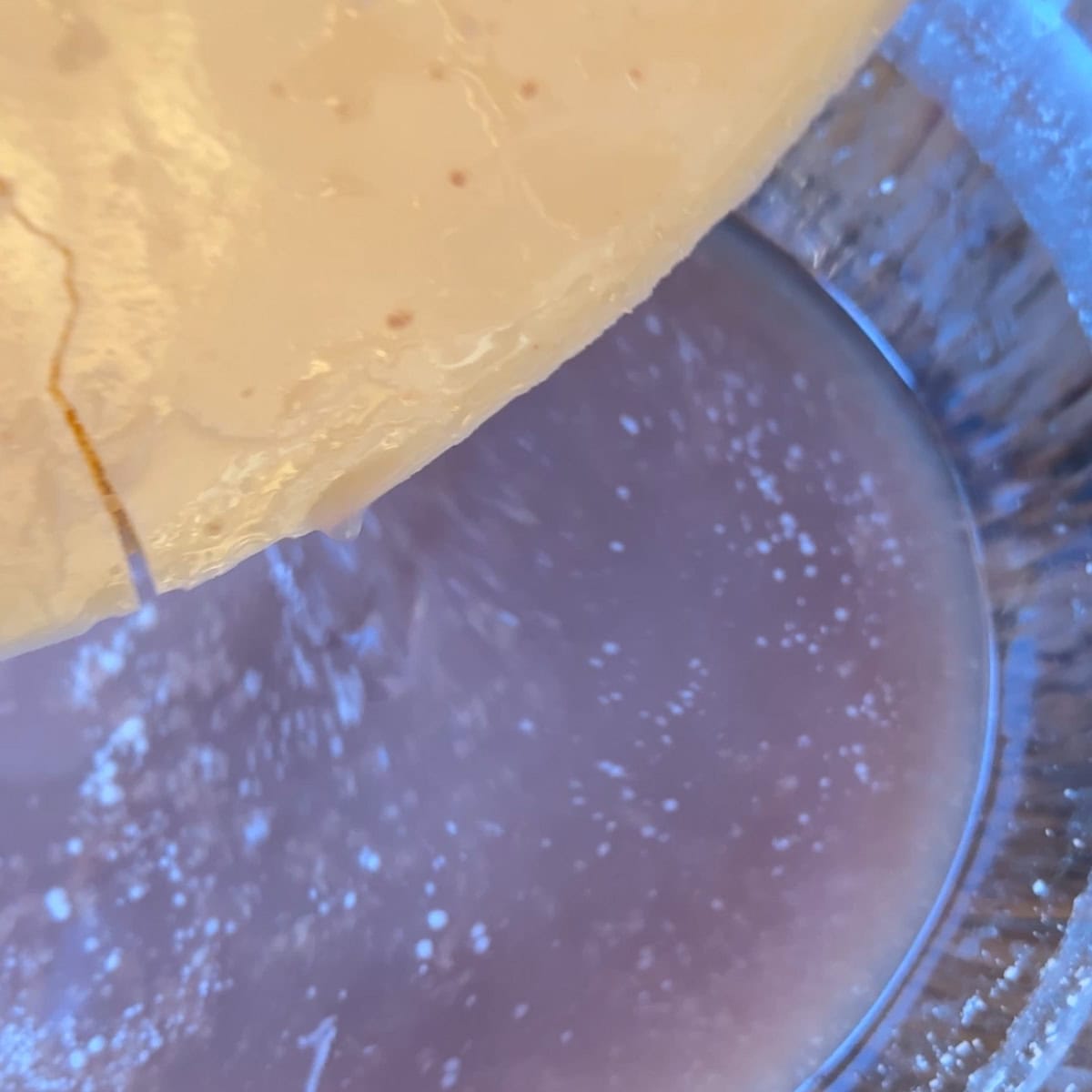
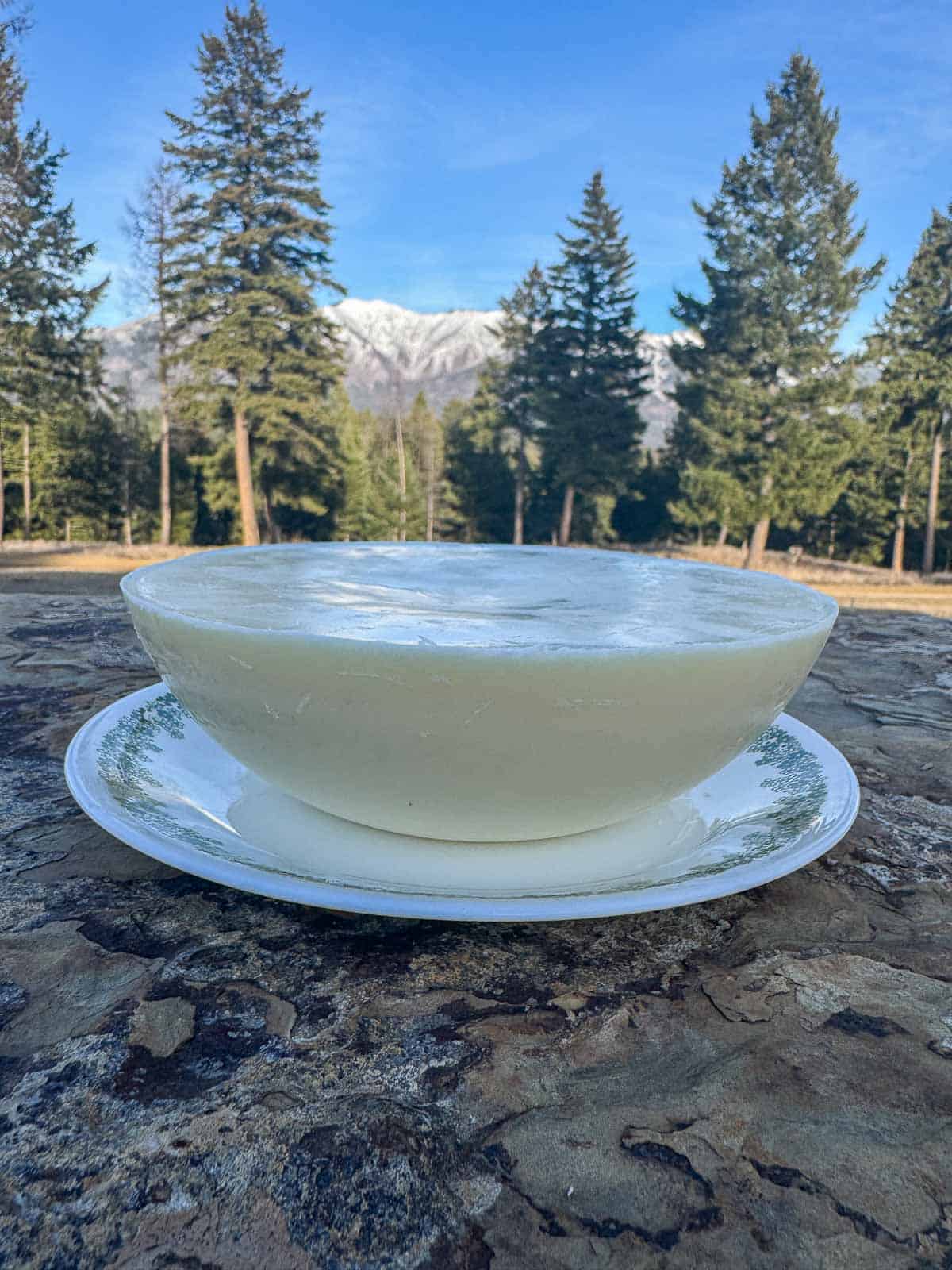
- Dislodge hardened tallow puck from bowl and discard water beneath it. Scrape any impurities from the underside of the tallow puck.

- For cosmetic clarity, repeat the melt-strain-chill and scrape process two to three times using fresh water and salt each time.
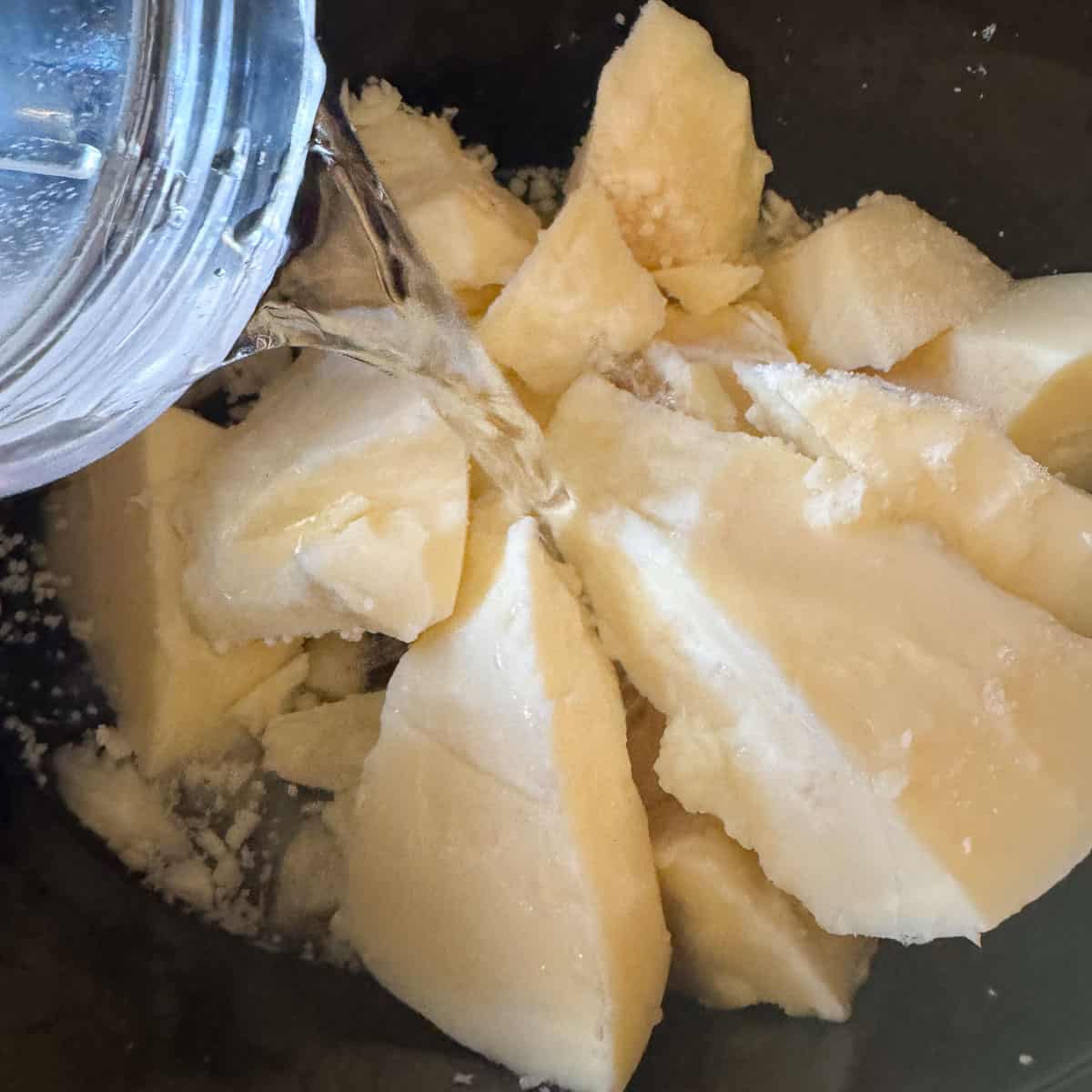
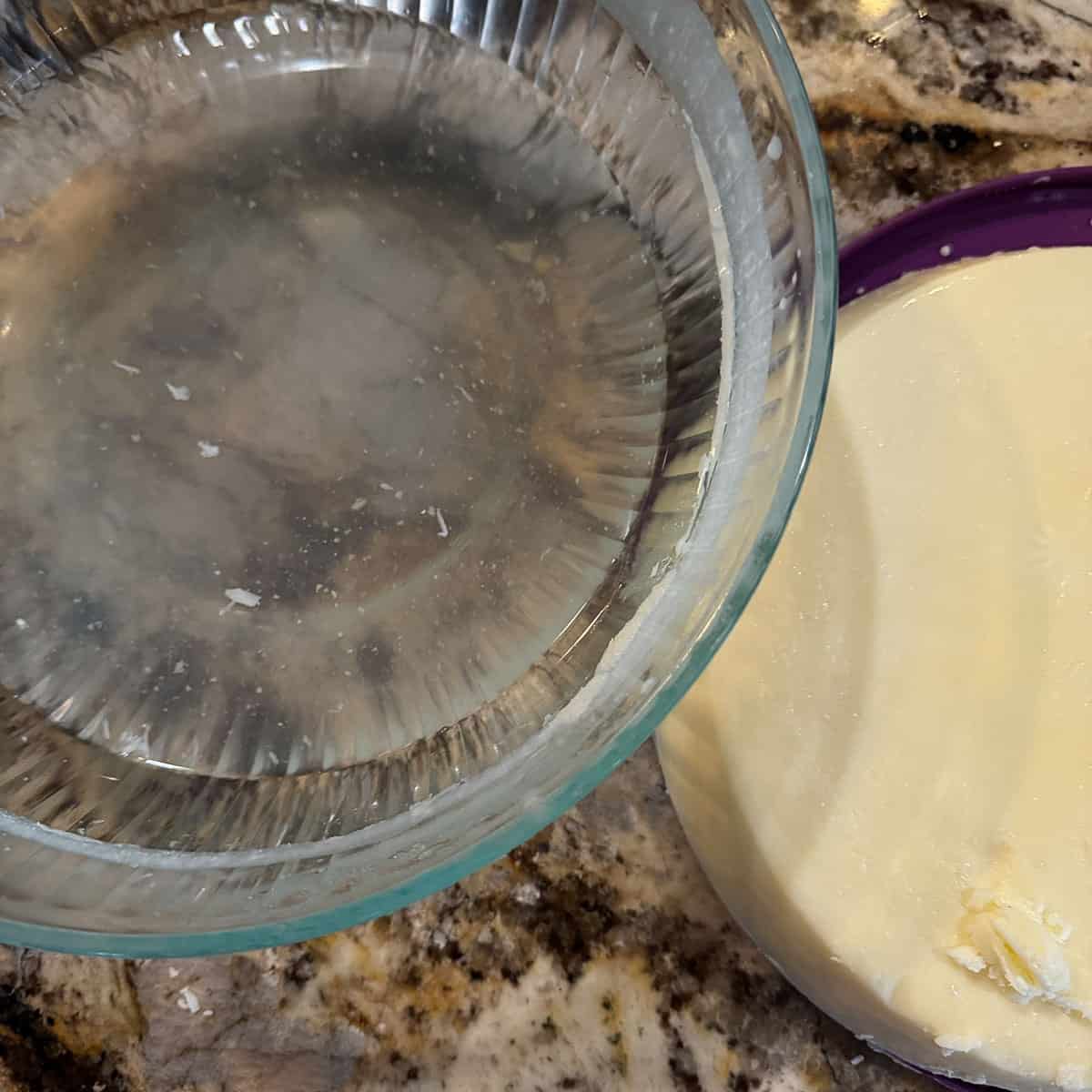

- After the final wash, heat tallow gently until it reaches around 220°F-250°F. Keep it there for 30 minutes. You may see a crusty white substance form on the surface; this is leftover salt.
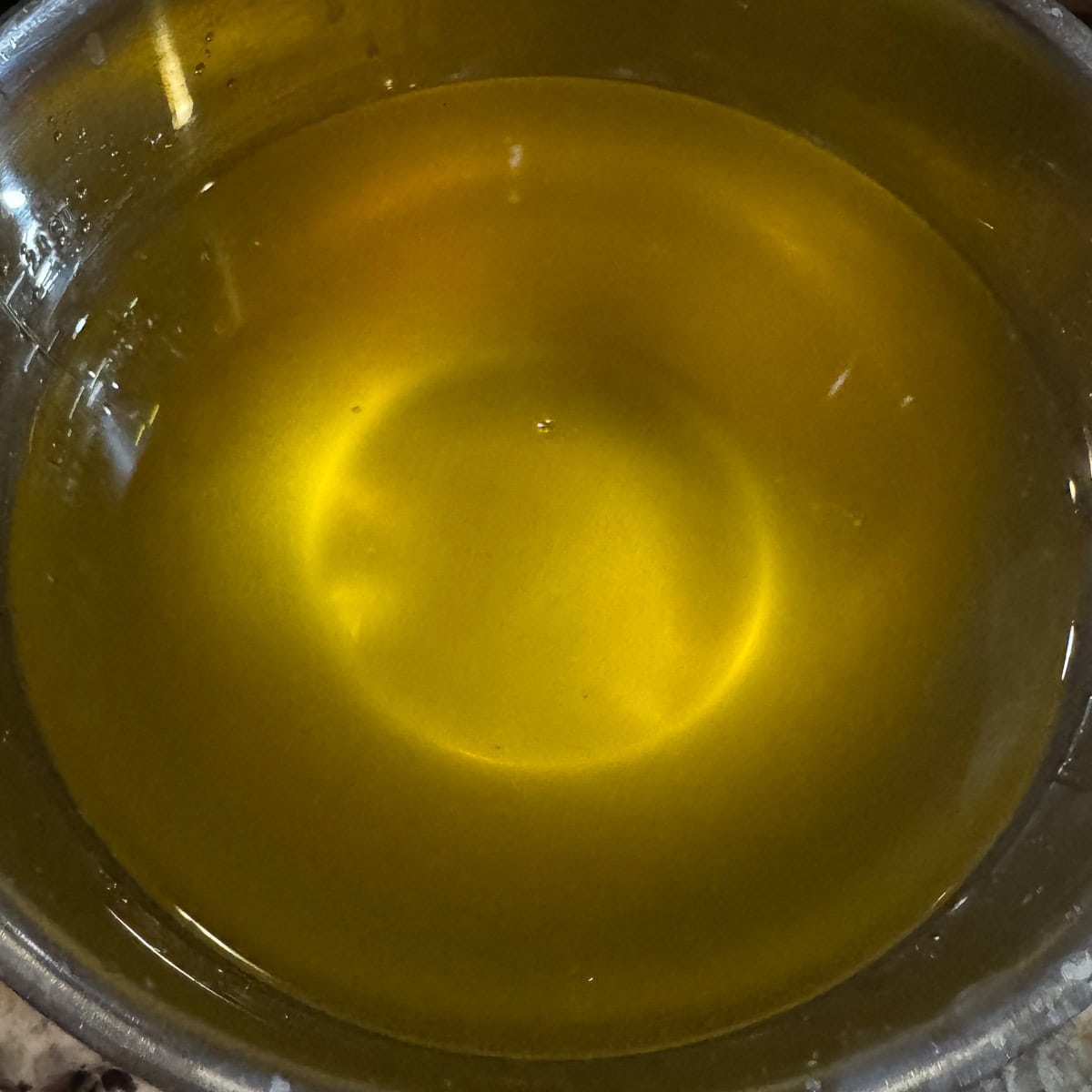
- Use a skimmer to remove the salt, then strain the tallow through a coffee filter, or better yet, use these reusable filter bags. They filter much faster, so you won't age a few years while waiting for the tallow to drip through a coffee filter.
Pro Tip: Look for these signs to ensure that all the water has evaporated: Bubbling slows or stops, the tallow looks clear and golden (not cloudy), and you don't hear popping or sizzling sounds.
Equipment
All you need to make tallow for skincare is a meat grinder or food processor to grind the meat, a crockpot to render the tallow, and a strainer and a bowl to strain the tallow into.
Storage
Store rendered tallow in sterilized jars in a cool, dry place. For longer storage, store in the refrigerator. For extended storage, place the tallow puck in freezer ziplock bags and store in the freezer.
Pro Tips
- Start with suet, not just any fat. It renders cleaner and produces a firmer, whiter tallow than regular trim fat.
- Heat is the enemy of good skincare tallow. Too hot and it darkens the tallow and gives it a stronger scent.
- Don't skip grinding the fat first; it renders much quicker.
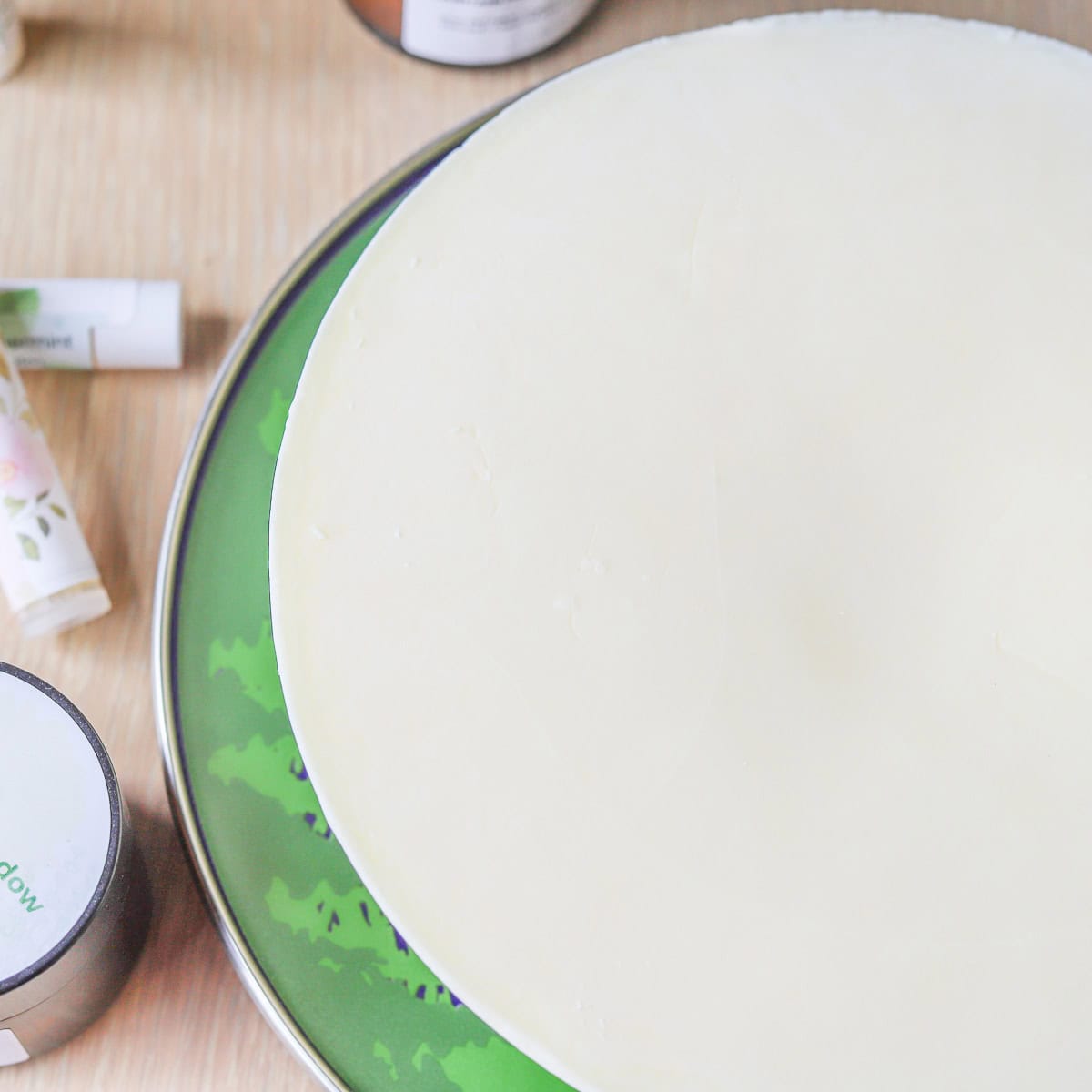
- High-quality skincare tallow should be creamy white, mild-smelling, and firm at room temperature
- Don't go much above 250°F. Higher heat can start to darken the tallow and give it a beefy smell, which isn't ideal for face products. We want clean, mild-smelling tallow.
- If pouring rendered fat into mason jars, heat them first in the oven at 200 degrees for 20 minutes or so. Pouring hot liquid into cold jars can cause them to crack.

FAQ
Well-rendered tallow used for skincare usually has a very mild scent. If the tallow has been properly purified and filtered, the smell should be faint and not overpowering. Many skincare products also include essential oils or infused herbs to give them a pleasant scent.
Tallow is rich in skin-loving fatty acids that help moisturize and protect the skin. It creates a barrier that locks in hydration while helping soften rough or dry areas. Many people use tallow balms to soothe cracked hands, dry heels, chapped lips, and other areas that need extra moisture.
Tallow is a rich, heavy fat, so it may clog pores for some people, especially those with oily or acne-prone skin. However, others find that their skin tolerates it well because its fatty acid profile is similar to the skin's natural oils. If you're unsure how your skin will react, it's best to start with a small amount and see how your skin responds.
Because tallow contains nourishing fatty acids that support the skin barrier, some people use it as part of their skincare routine to help keep skin soft and hydrated, which may help reduce the appearance of fine lines.
A little tallow goes a long way. Most people only need a small amount applied once daily or as needed to dry areas. Because it's very moisturizing, using too much can leave the skin feeling greasy.
Related Posts
Looking for other recipes like this? Try these:


Tallow for Skincare (Everything You Need to Know)
Equipment
Ingredients
- 3½ lbs beef fat
- 3 quarts water
- 6 tablespoon salt
Instructions
- Start with semi-frozen beef suet (kidney fat) for the best results. Trim away any visible meat, then grind. If the fat gets too warm, it can clog the grinder.
- Place ground suet in a heavy pot or slow cooker. Add enough water to cover the bottom of the pot and partially surround the fat. I added 1 quart.
- Mix in 2 tablespoons of salt, then set the temperature knob to low. Cover for the first hour, then uncover, and check hourly until the fat is mostly melted. This can take 4 to 6 hours. Avoid browning.
- Strain through cheesecloth or a fine-mesh strainer into a bowl, then refrigerate overnight.
- Dislodge hardened tallow puck from the bowl and discard water beneath it. Scrape any impurities from the underside of the tallow puck.
- For cosmetic clarity, repeat the melt-strain-chill and scrape process two to three times using fresh water and salt each time.
- After the final wash, heat tallow gently until it reaches around 220°F-250°F. Keep it there for 30 minutes. You may see a crusty white substance form on the surface; this is leftover salt.
- Use a skimmer to remove the salt, then strain the tallow through a coffee filter, or better yet, use these reusable filter bags. They filter much faster, so you won't age a few years while waiting for the tallow to drip through a coffee filter.
Notes
- If you don't have a meat grinder, you can chop the fat into small pieces by hand or use a food processor.
- To speed up the process, you can use an immersion blender to break up the fat even further. Just be sure to keep the blade down when blending to avoid splattering hot grease on yourself.
- Look for these signs to ensure that all the water has evaporated: Bubbling slows or stops, the tallow looks clear and golden (not cloudy), and you don't hear popping or sizzling sounds.
- Start with suet, not just any fat. It renders cleaner and produces a firmer, whiter tallow than regular trim fat.
- Heat is the enemy of good skincare tallow. Too hot and it darkens the tallow and gives it a stronger scent.
- Don't skip grinding the fat first; it renders much quicker.
- High-quality skincare tallow should be creamy white, mild-smelling, and firm at room temperature
- Don't go much above 250°F. Higher heat can start to darken the tallow and give it a beefy smell, which isn't ideal for face products. We want clean, mild-smelling tallow.
- If pouring rendered fat into mason jars, heat them first in the oven at 200°F for 20 minutes or so. Pouring hot liquid into cold jars can cause them to crack.
Hilda Sterner says
I hope you try making your own tall for skincare soon!