
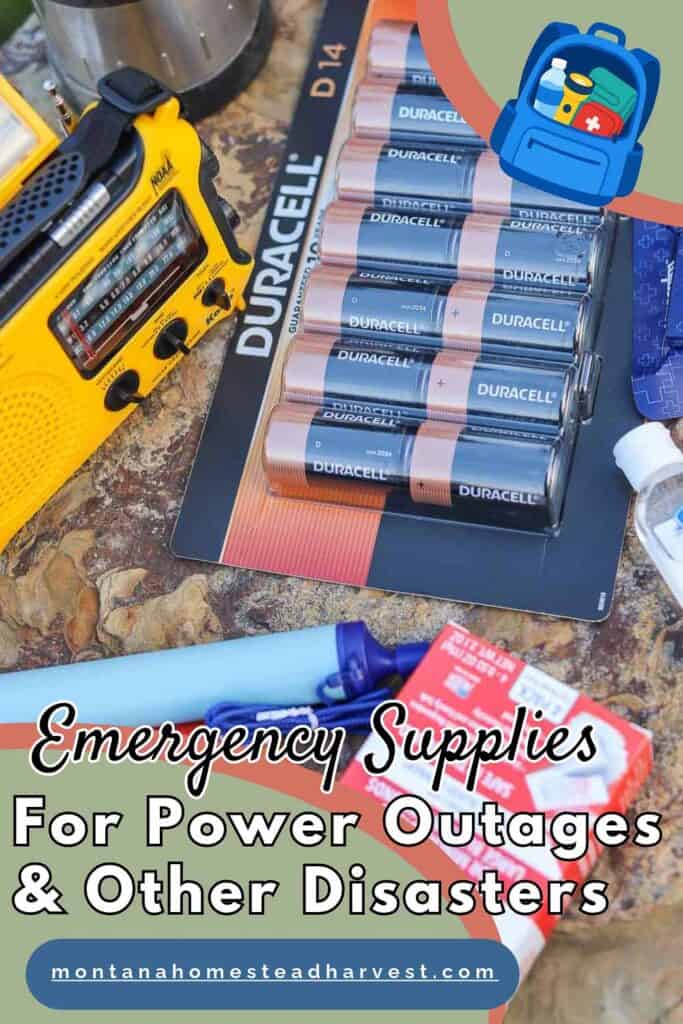
Having the right emergency supplies for power outage situations can make all the difference when a winter storm, wildfire, or equipment failure leaves you without electricity. Your refrigerator, heating and cooling systems, internet, and even water supply may be affected.
I decided to write this article after a conversation with my sister made me realize something: even though I feel that our household is fairly well prepared for an emergency, not everyone in my family is. My sister and others I care about haven't necessarily thought about what they would do if the power went out for several days or if they suddenly couldn't get to the grocery store. As my sister said, "I'm not prepared at all!"
It got me thinking about how easy it is to take everyday conveniences for granted. Most of us don't give much thought to where our water comes from, how we'd prepare a meal without electricity, or what we'd do if our phones couldn't be charged.
I don't want anyone to feel overwhelmed or think they need to become a homesteader or a prepper. I simply want to share some practical things anyone can do to make life a little easier during an emergency. Because being prepared isn't about living in fear; it's about taking care of yourself and the people you love.
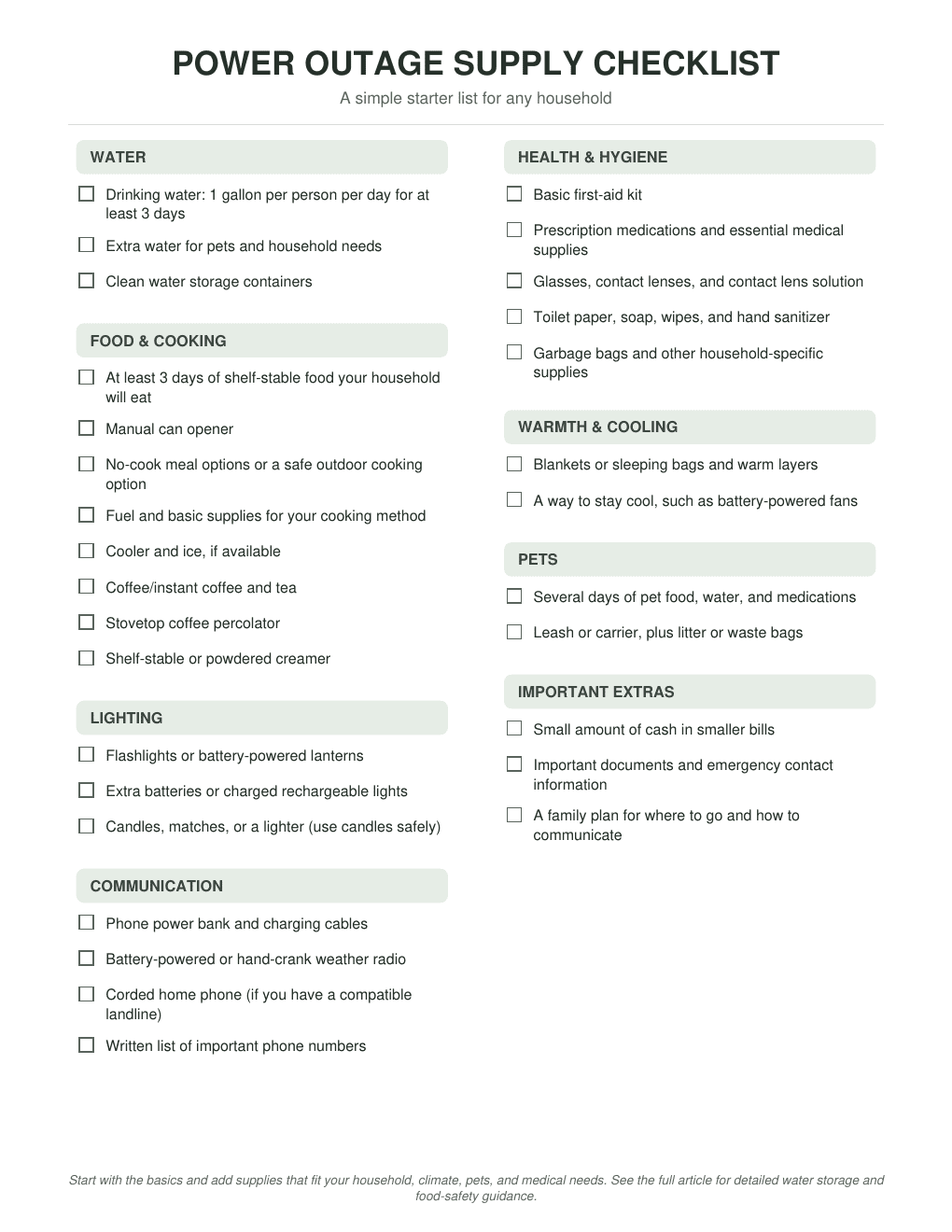
Whether you live in an apartment, a suburban neighborhood, or on a homestead, there are practical steps you can take to make sure you're not caught completely off guard. I've also included a downloadable PDF checklist for emergency supplies.
Jump to:
- Water Storage and Emergency Water Sources
- Nonperishable Food and Food Safety
- What About the Food in Your Refrigerator and Freezer?
- Lighting, Backup Power, and Communication
- Emergency Cooking Supplies: How to Cook Without Electricity
- First Aid, Medications, and Personal Hygiene
- Heating During a Power Outage
- Cash and Important Documents
- Make a Family Emergency Plan
- Emergency Supplies for Pets and Animals
- Final Thoughts on Preparing for a Power Outage
- Related Posts
- Comments
Water Storage and Emergency Water Sources
Water should be one of your first priorities when preparing for a power outage. While you may be able to get by without electricity for a while, you can't go very long without water.
If you rely on municipal water, your supply may continue during a power outage, at least temporarily. However, some water systems rely on electricity for pumping and treatment, so service could eventually be interrupted. If you have a private well with an electric pump, you may lose access to running water as soon as the pressure tank runs out, unless you're lucky enough to have a generator.
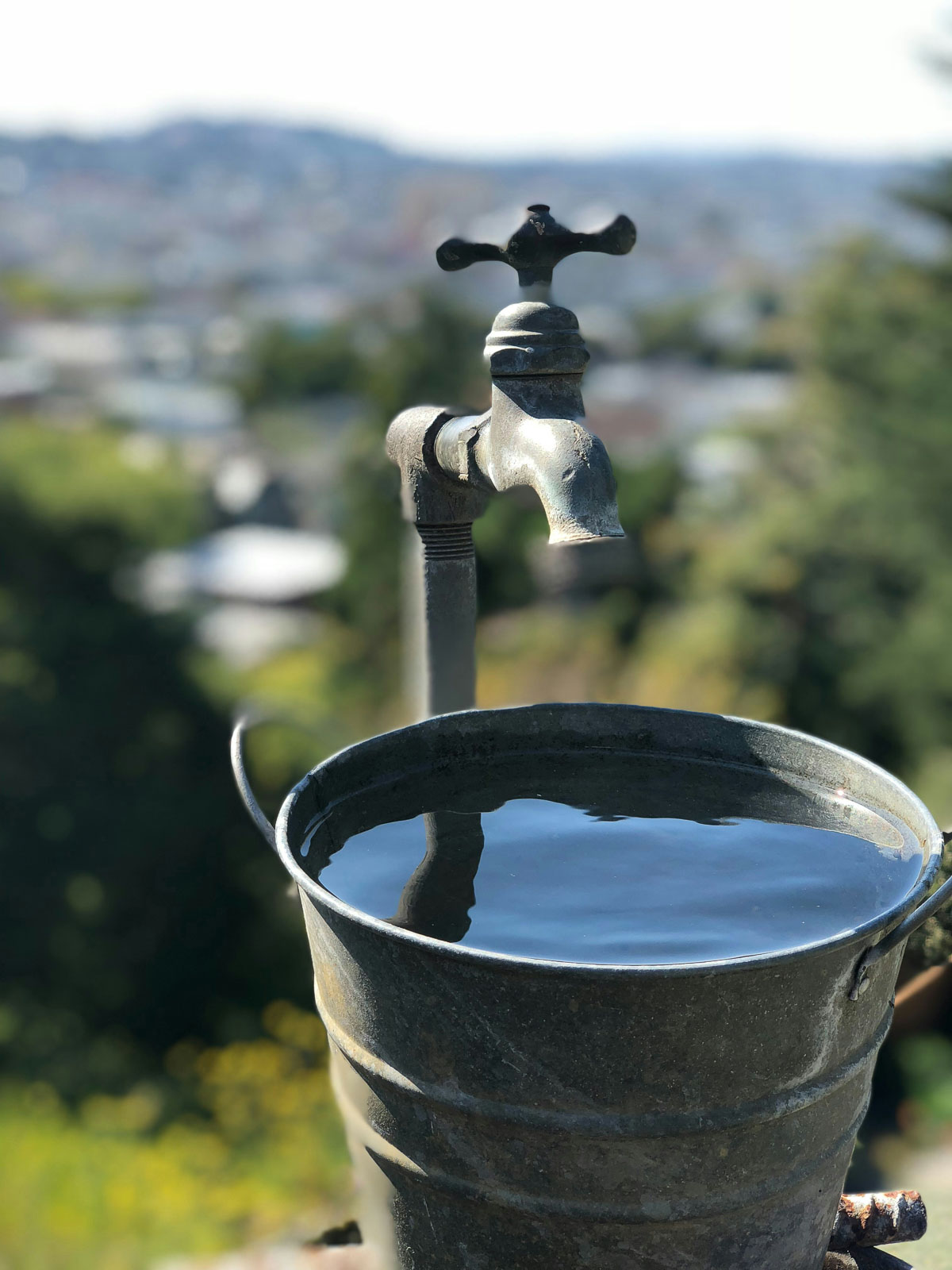
The general recommendation is to store at least 1 gallon of water per person per day for a minimum of 3 days. You'll want additional water for pets and basic sanitation.
Water Supplies to Have on Hand During a Power Outage
- Bottled drinking water
- Food-grade water storage containers
- A bathtub water storage liner (talk about cheap insurance!)
- LifeStraw personal water filter
- A portable water filter suitable for the intended water source
- Water purification tablets or other appropriate disinfection supplies
- Clean containers for collecting and storing treated water
You don't need to buy everything at once. Start by storing drinking water and gradually add other supplies.
What to Do When the Power First Goes Out
One thing I recommend is taking advantage of the water you still have available. If your taps are working and there is no boil-water advisory or other warning, fill clean containers with drinking water as soon as possible.
Conserve water if you have a well. If your home relies on an electric well pump, be mindful of how much water you use. You may still have water available in your pressure tank, but once that supply is depleted, the pump won't replenish it until electricity is restored or you have another power source.
Fill Your Bathtub
If you have a bathtub water storage liner, this is a great time to use it. A liner helps keep the water cleaner and makes it easier to collect and store. If you don't have a liner, bathtub water is best reserved for non-drinking purposes, such as flushing toilets and basic cleaning, unless you have a safe, appropriate treatment plan for its intended use.

Portable filters and purification products can help address certain microorganisms, but they do not necessarily remove chemicals, fuels, pesticides, or other harmful contaminants. Chlorine dioxide tablets, for example, are intended for specific water-treatment uses and must be used according to their instructions.
Consider Your Water Heater
Many household water heaters hold a substantial amount of water that may be available during an emergency. However, accessing it requires some care. Check your owner's manual ahead of time to see whether your water heater can be drained safely.
Follow the manufacturer's instructions, shut off the electricity or fuel supply as directed, allow the water to cool, and use the designated drain valve. Be aware that water may contain sediment and can cause serious burns if it is hot. Don't attempt this if you're unsure how to do it safely.
Never use water from a boiler or home heating system as a drinking water source.
What About Swimming Pools and Hot Tubs?
Pool and hot tub water can be useful during an extended outage, but I would reserve it for non-drinking purposes. Use it for flushing toilets or certain cleaning tasks, but don't use it for drinking, cooking, brushing your teeth, or food preparation.

Nonperishable Food and Food Safety
When the power goes out, one of the first things people worry about is what's going to happen to all the food in their refrigerator and freezer. But having a supply of shelf-stable food on hand means you won't have to depend on what's in your refrigerator to feed your family.
Start with everyday groceries that have a long shelf life and that your family already enjoys. The idea is to have enough food available to get through an outage without making an unnecessary trip to the grocery store.
Some good emergency pantry staples include
- Canned vegetables, fruit, and beans
- Canned soups, chili, and stews
- Canned tuna, chicken, and other ready-to-eat proteins
- Peanut butter and canned jams, jellies, and apple butter
- Crackers, tortillas, and shelf-stable bread
- Oatmeal and cereal
- Granola bars and protein bars
- Nuts, trail mix, and dried fruit
- Shelf-stable milk
- Applesauce and fruit cups
- Ready-to-eat meals and snacks
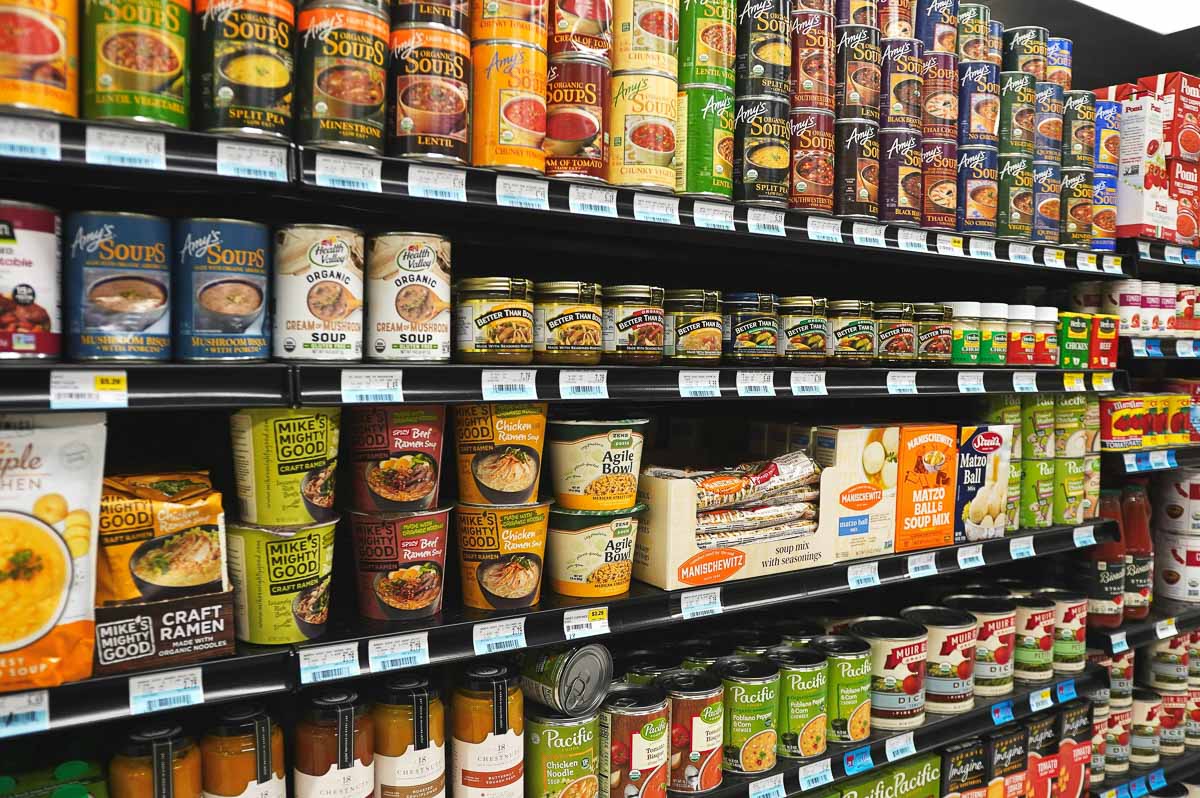
Choose foods that require little or no preparation, especially if you don't have a safe way to cook without electricity. Keep a manual can opener with your emergency supplies. There's nothing quite as frustrating as having a pantry full of canned food and no way to open it!
A Few Tips for Building Your Emergency Food Supply
- Buy a few extra shelf-stable items during your regular grocery trips.
- Choose foods your family actually eats.
- Check expiration dates and rotate older items into your everyday meals.
- Include foods that meet any special dietary needs in your household.
- Remember to account for pets.
What About the Food in Your Refrigerator and Freezer?
You don't necessarily have to throw away everything in your refrigerator when the power goes out. The most important thing is to keep the doors closed and monitor how long the food has been without refrigeration.
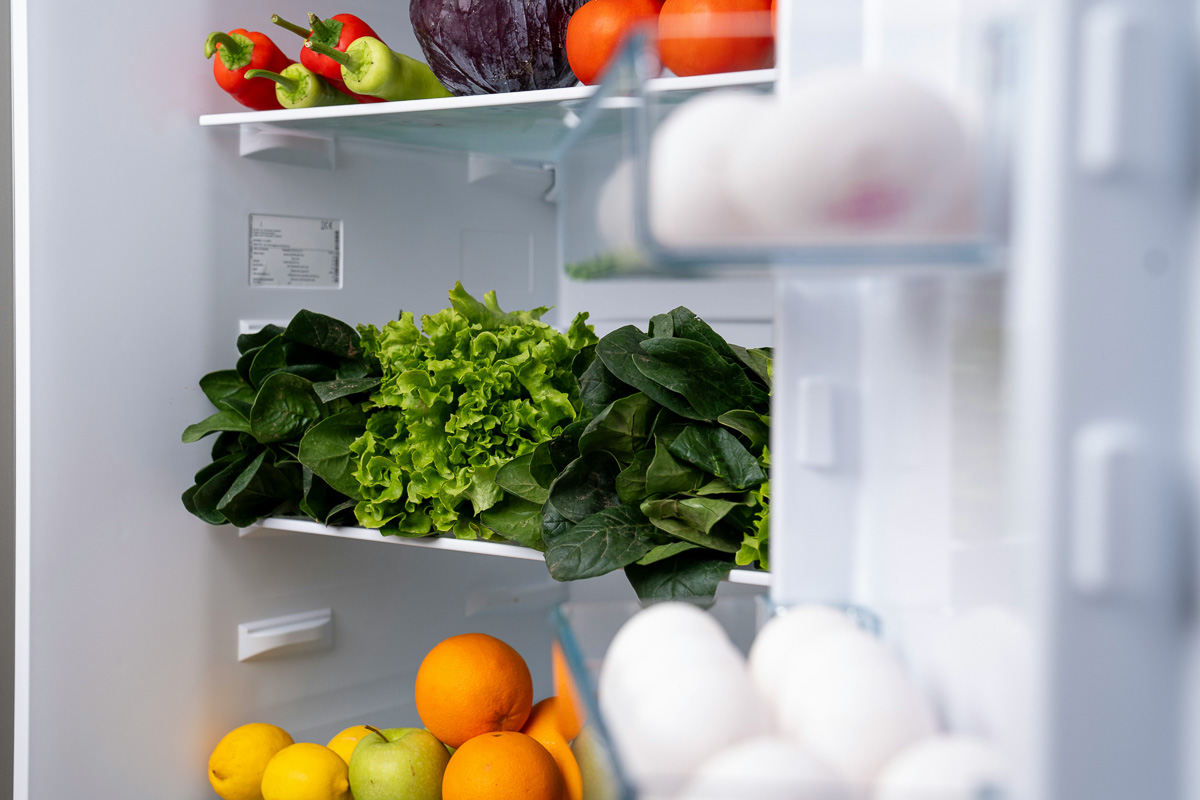
According to FoodSafety.gov:
- An unopened refrigerator will generally keep food cold for about 4 hours.
- A full freezer can keep food frozen for approximately 48 hours.
- A half-full freezer can maintain its temperature for approximately 24 hours.
These estimates assume the doors remain closed. Here are a few tips that can help:
- Keep appliance thermometers in your refrigerator and freezer.
- Freeze water bottles to use as ice packs.
- Keep coolers available in case you need to transfer perishable food.
- Group frozen foods together to help them stay cold longer.
- Keep an inventory of freezer contents so you don't have to open the door too long to see what's inside.
FoodSafety.gov's guideline is to discard perishables like meat, dairy, eggs, and leftovers that have been above 40°F for more than 2 hours. When in doubt, throw it out.
For more information, see the FoodSafety.gov guide to food safety during an emergency.
Lighting, Backup Power, and Communication
When the power goes out, having a way to see in the dark and stay informed can make a big difference. It may seem like a small inconvenience at first, but if an outage lasts overnight or several days, you'll be glad you prepared.
Lighting Supplies
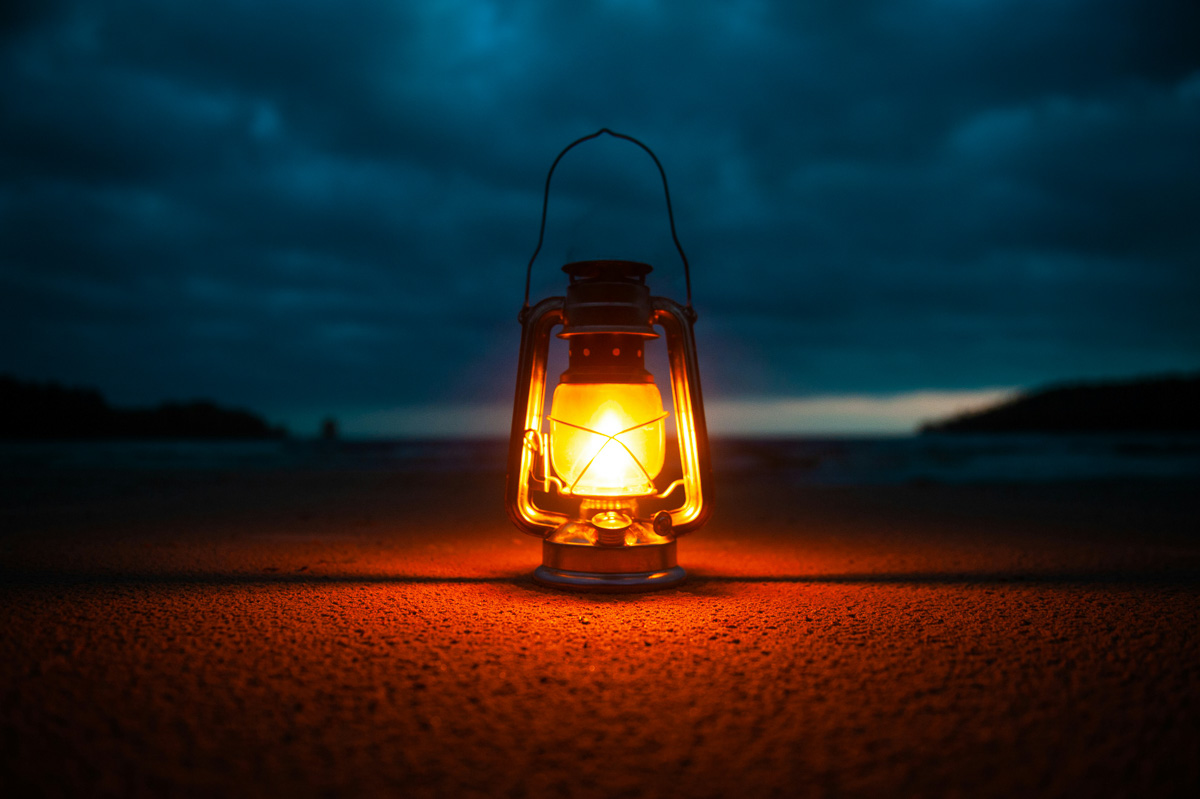
Don't wait until the power goes out to discover that all your flashlights are missing or have dead batteries!
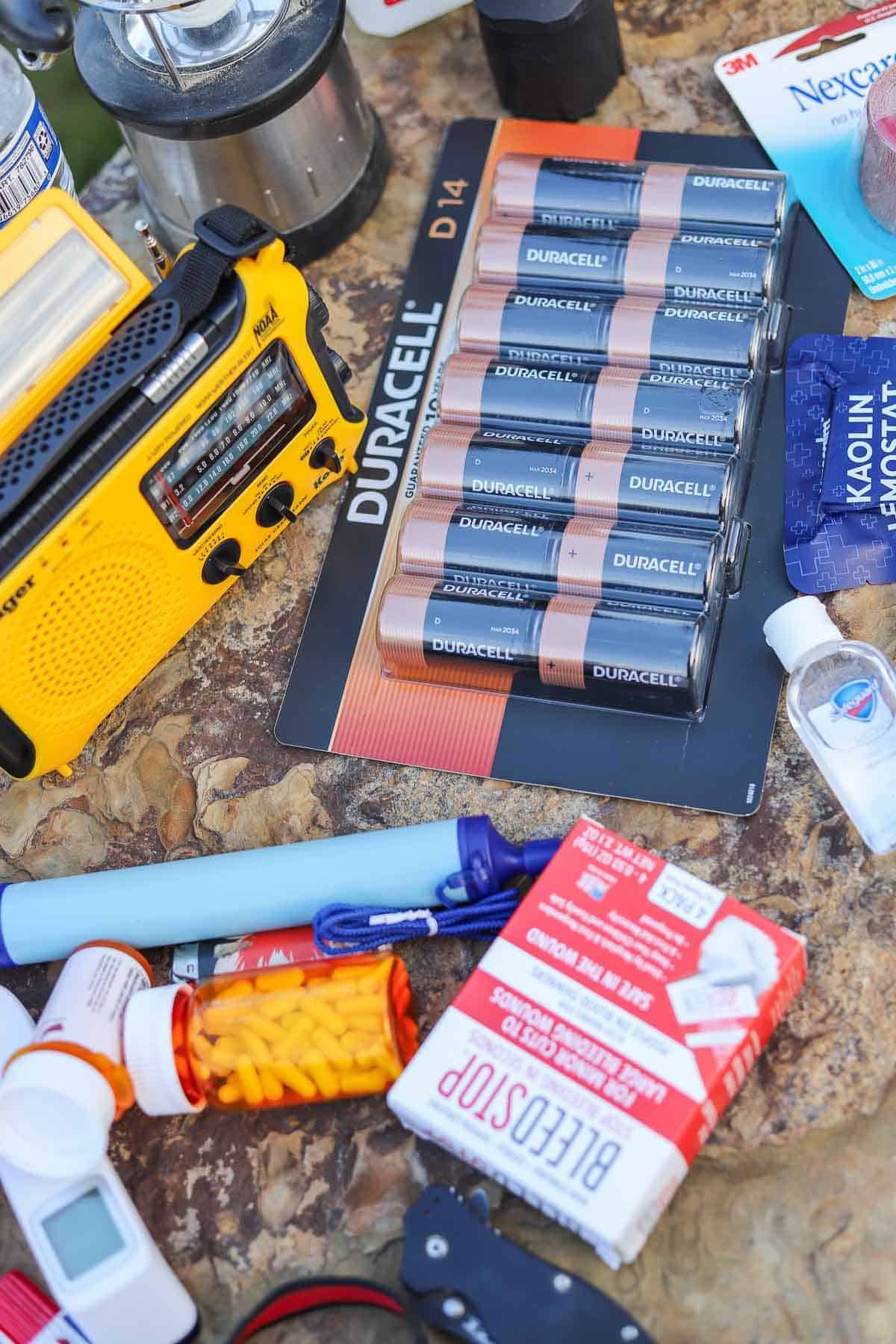
Here are some useful lighting options to keep on hand:
- Flashlights for each household member
- Battery-powered lanterns
- Headlamps are especially useful because they leave your hands free. Make sure to get the ones that take batteries and don't require a USB charging cable.
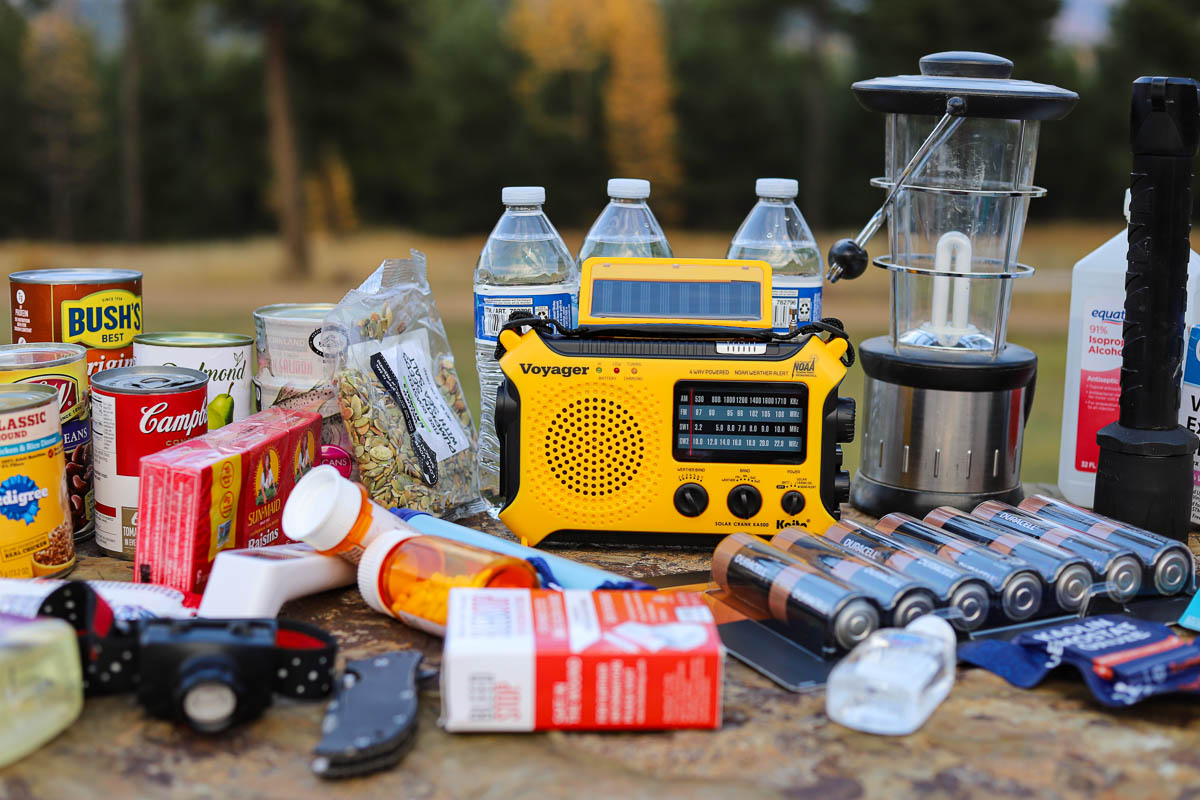
- Extra batteries in the sizes your devices require
Backup Power and Phone Charging
Your phone becomes especially important during an emergency. You may need it to receive weather alerts, contact family members, check local updates, or call for help. Unfortunately, a phone with a dead battery isn't much help!
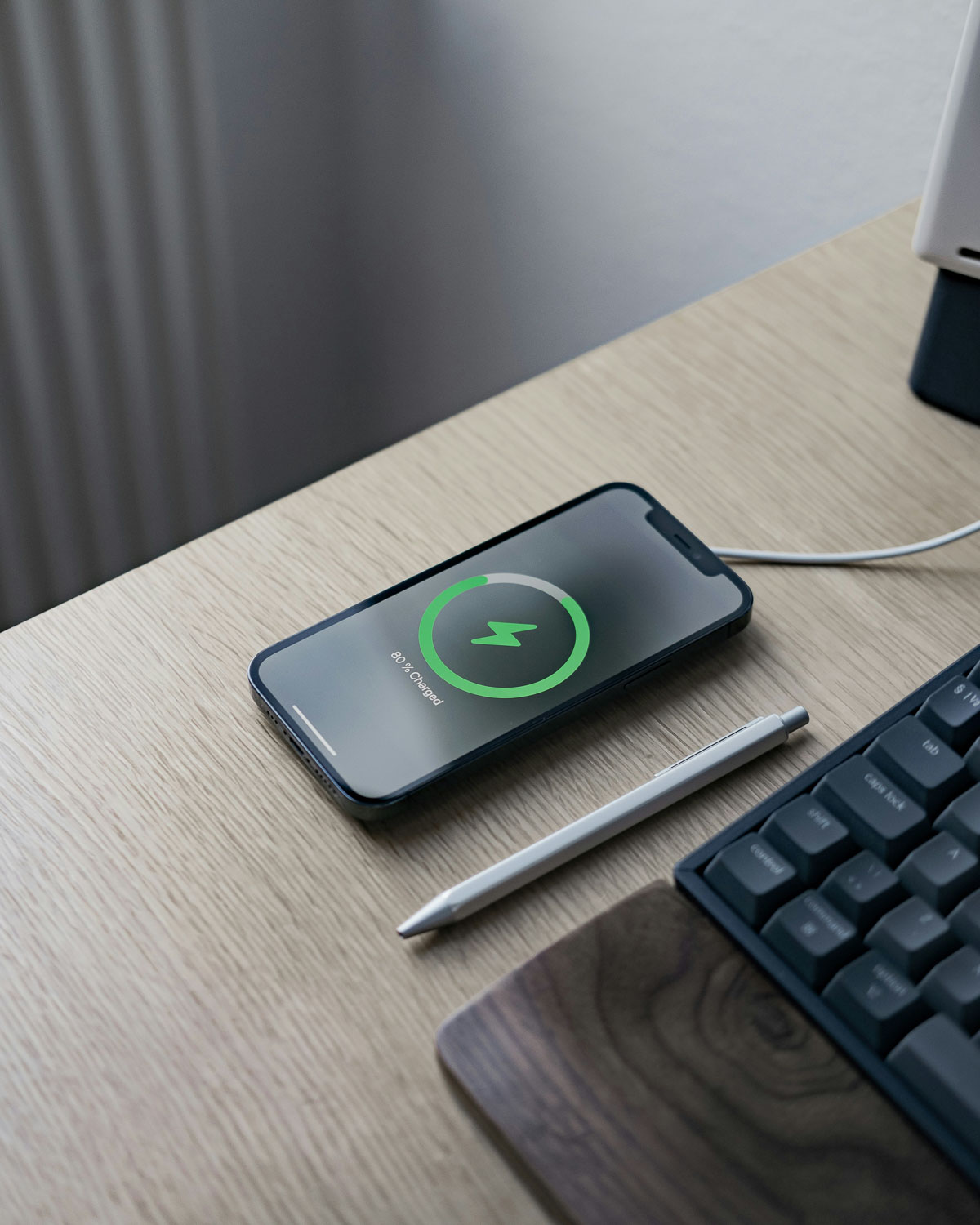
Consider keeping these items charged and ready:
- Portable power banks
- Car phone chargers
- Charging cables for household devices
- Rechargeable batteries and a compatible charger
- A portable power station, if your budget allows
A portable power station can provide backup electricity for phones, lights, and certain small appliances, depending on its capacity. These can be useful during longer outages, but they're not a requirement for getting started.
If you have a vehicle, keep the fuel tank reasonably full and keep a car jump starter handy. When purchasing a jump starter, make sure it's compatible with your vehicle.
Conserve Your Phone Battery
- Turn on low-power mode.
- Reduce screen brightness and close unnecessary apps.
- Send text messages instead of making long phone calls when possible.
- Avoid streaming videos or using your phone for entertainment.
Don't Overlook a Landline Phone
If you still have a traditional landline, and I do, it can be especially helpful during an emergency. Unlike cell phones, traditional copper landlines may continue working during a power outage because they receive power through the telephone network.
Keep a basic corded telephone available so you can make calls even if the electricity is out. Cordless phones generally require electricity to operate, so they won't be much help unless you have a backup power source.
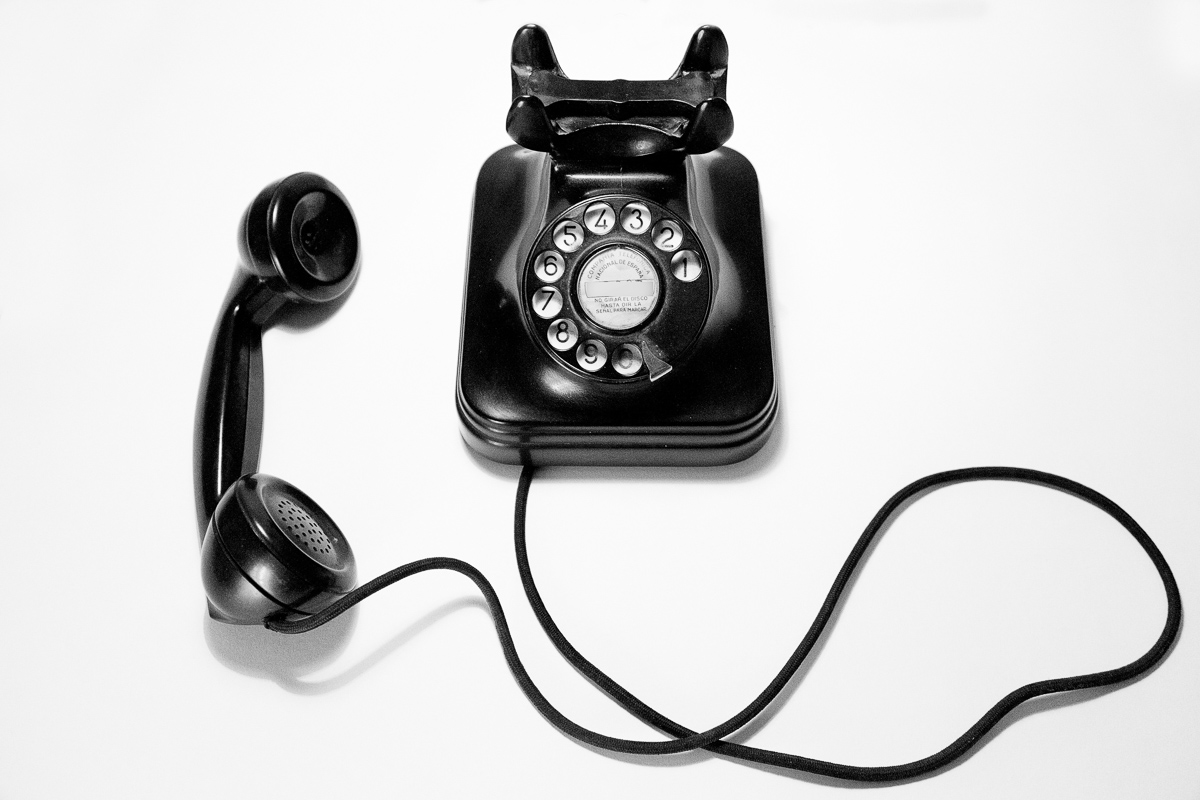
Keep in mind that not all home phone services are traditional landlines. Phones that rely on cable, fiber, or internet connections may stop working during an outage unless the equipment has battery backup. Check with your provider to find out what happens to your service when the power goes out.
Emergency Radio
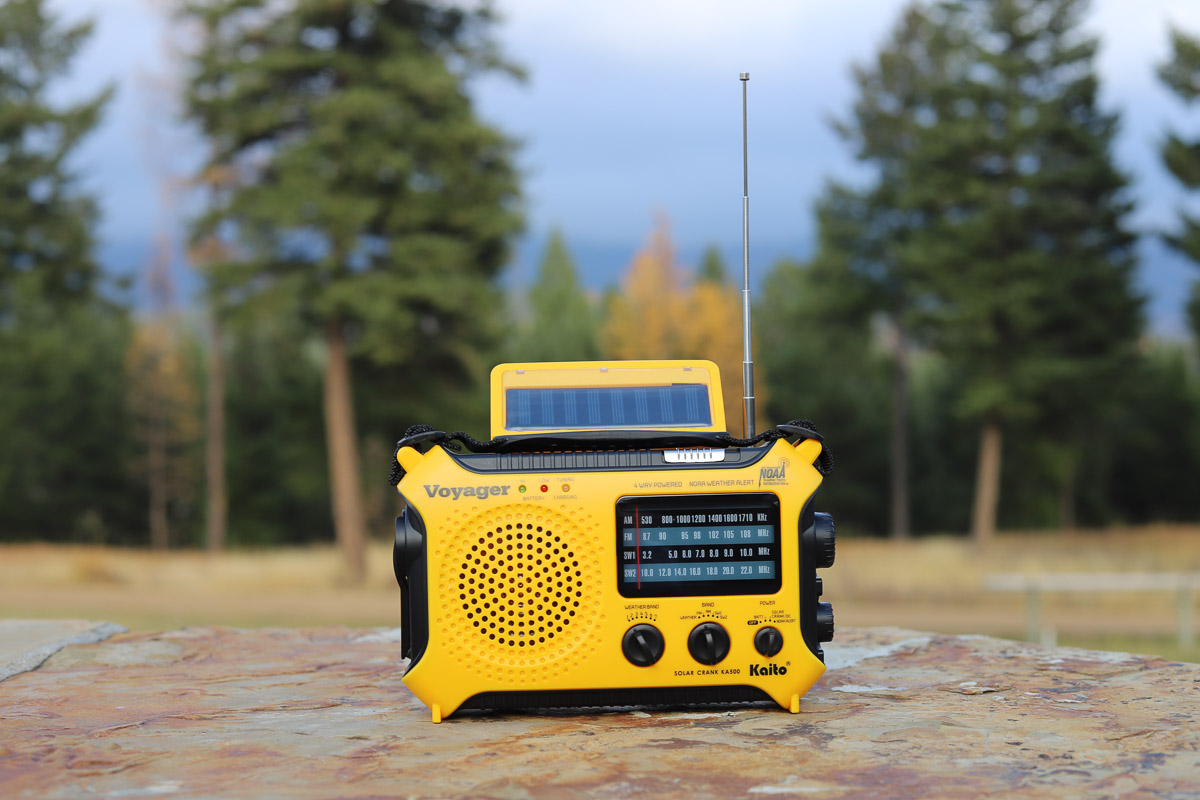
When you're considering emergency supplies for a power outage, don't overlook a battery-powered or hand-crank emergency radio. If your internet goes down or your phone battery runs low, a radio can help you stay informed about weather conditions, evacuation notices, and other emergency announcements.
Look for a model that receives NOAA Weather Radio broadcasts and shortwave, and has more than one power option, such as batteries and a hand crank.
Emergency Cooking Supplies: How to Cook Without Electricity
If the power goes out, your electric stove, oven, microwave, and many other kitchen appliances won't work. Having an alternative way to prepare meals can be especially helpful during a prolonged outage.
The good news is that you don't need an elaborate outdoor kitchen to be prepared. There are several options, depending on where you live and what equipment you already have.
Alternative Ways to Cook
Some options to consider include:
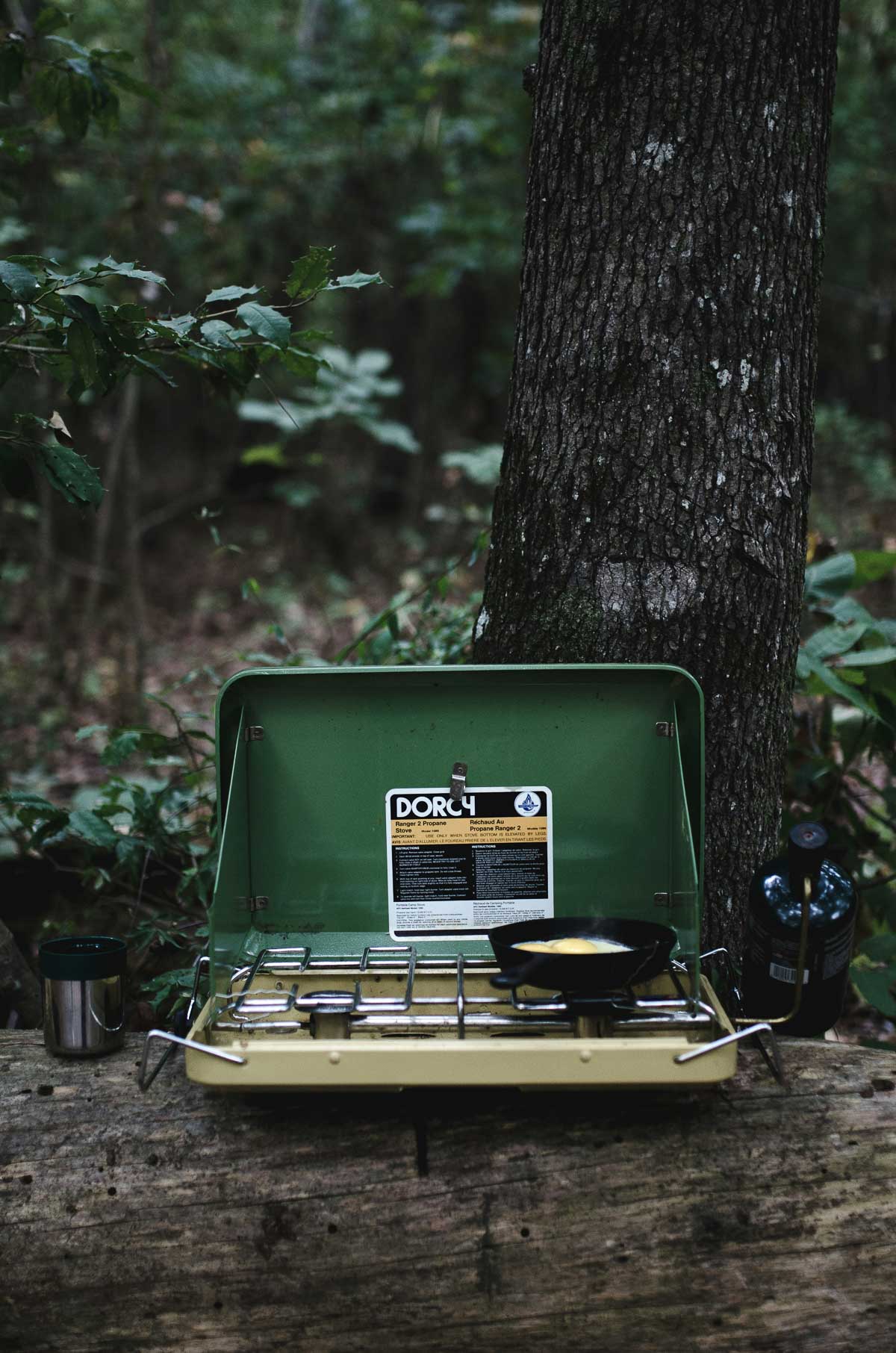
- Propane camp stove: A propane camp stove is convenient for boiling water and preparing simple meals outdoors.
- Gas or charcoal grill: If you already own a barbecue, it can be used to prepare meals during an outage.
- Campfire or fire pit: If local conditions and fire restrictions allow, you can cook using a properly managed outdoor fire.
If you live in an apartment or don't have access to an outdoor cooking area, don't assume you can safely use camping equipment indoors. Instead, keep a supply of ready-to-eat foods that don't require cooking.
Don't Forget Fuel and Cooking Accessories
Having a camp stove doesn't do you much good if you don't have the fuel to operate it!
Depending on your cooking equipment, consider keeping:
- Propane canisters or the appropriate fuel
- Matches or a lighter
- A manual can opener
- Cooking utensils
- A small pot and pan
- Aluminum foil
- Paper plates and disposable utensils
Store fuel according to the manufacturer's instructions and local fire codes. Never store propane cylinders inside your home.
Important safety reminder: Never use a camping stove, propane burner, charcoal grill, gas grill, or outdoor fire pit inside your home, garage, tent, or any enclosed space. These appliances can produce carbon monoxide, an odorless gas that can be deadly.
Don't Forget Your Coffee!
If you're a coffee drinker like I am, don't overlook coffee when putting together your emergency supplies. When the power goes out, your regular coffee maker won't be much help. I don't know about you, but I can't function without my coffee! ☕
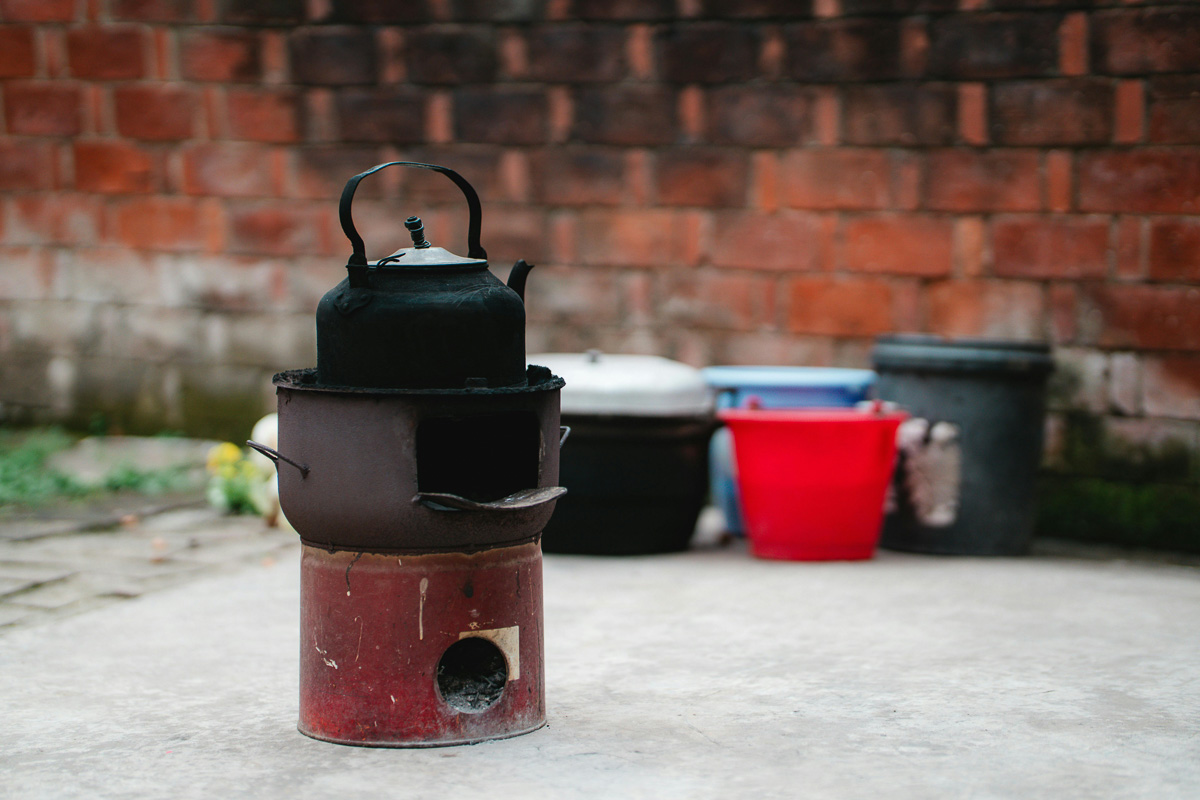
An old-fashioned stovetop coffee percolator is a great option. You can use it over a propane camp stove or another suitable outdoor cooking source to brew a fresh pot of coffee without electricity.
You may also want to keep some instant coffee (the ones linked are my favorite), coffee bags, or your favorite tea on hand. If you're fancy and grind your own beans, consider having a manual coffee grinder. And whatever you do, don't forget shelf-stable or powdered creamer if that's how you take your coffee! Personally, I'm also stocked up on my favorite mushroom coffee and plenty of foraged chaga!
A little caffeine can go a long way toward making an unexpected power outage feel more manageable.
First Aid, Medications, and Personal Hygiene
When considering emergency supplies for power outages, it's easy to focus on food, water, and lighting while overlooking basic health and hygiene supplies. But if an outage lasts several days, having these essentials on hand can make a big difference.
First Aid Supplies
Keep a well-stocked first aid kit somewhere easy to access. You don't need anything elaborate, but you should have enough supplies to handle minor cuts, scrapes, burns, and other common injuries.
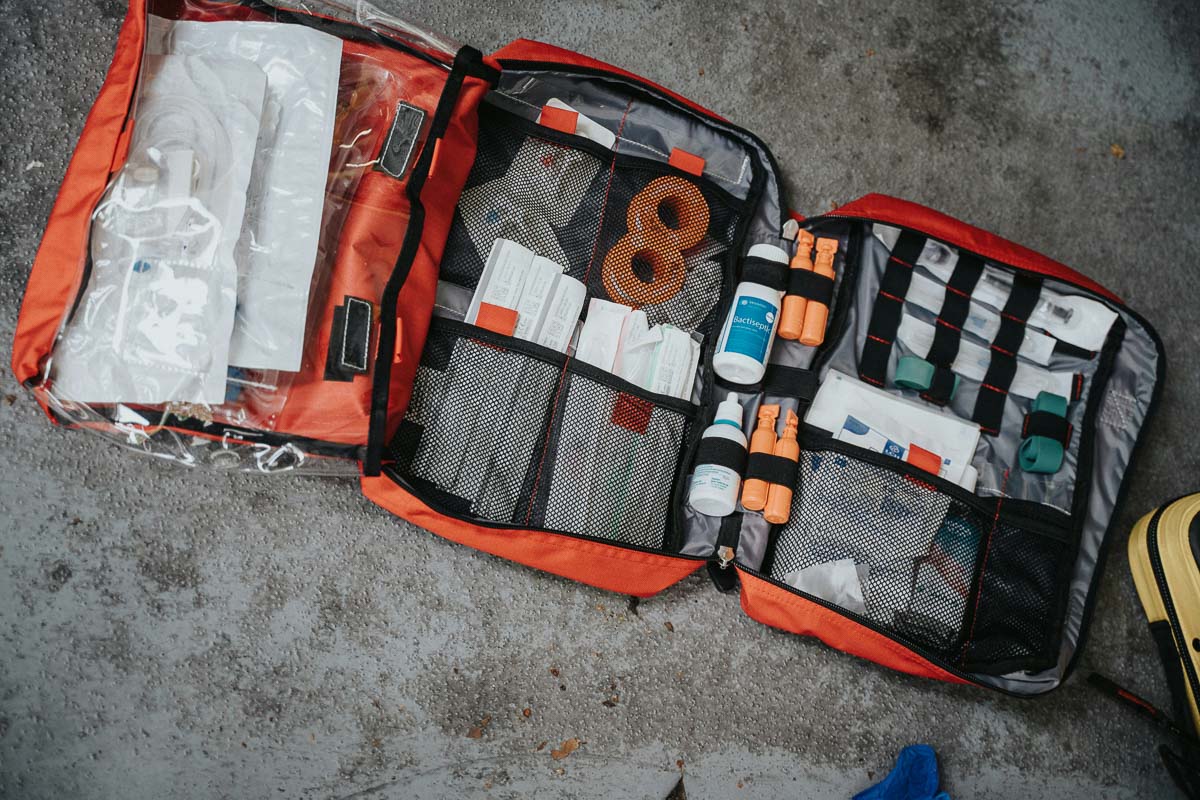
Power outage emergency essentials:
- Adhesive bandages in assorted sizes
- Sterile gauze pads and medical tape
- Clotting powder or hemostatic gauze
- Antiseptic wipes
- Disposable gloves
- Tweezers and scissors
- Digital thermometer
- Elastic bandages
- Over-the-counter pain relievers
- Antihistamines
- Any other commonly used medications
Check your first aid supplies periodically and replace anything that has expired or been used.
Prescription Medications and Medical Needs
If anyone in your household takes prescription medication, try to maintain an appropriate supply so you aren't caught short during an emergency. Keep an updated medication list, including dosages and prescribing information. Don't forget extra reading glasses; I can't see a thing without them, and my son is practically blind without his contacts!
Some medications require refrigeration, so ask your pharmacist or healthcare provider how to store them safely if the power goes out.
If someone in your household depends on powered medical equipment, such as an oxygen concentrator, CPAP machine, or powered mobility device, make a backup plan ahead of time. Ask your healthcare provider or equipment supplier about battery options, backup power, and where you could go if the outage lasts longer than expected.
Personal Hygiene and Sanitation Supplies
If your water supply is interrupted, everyday tasks like washing your hands, brushing your teeth, and using the bathroom can become more challenging.
Having a few extra hygiene and sanitation supplies on hand can help you stay comfortable and maintain cleanliness during an extended outage.
Consider keeping these items in your emergency supplies:
- Glasses, contacts, and contact solutions
- Toilet paper
- Paper towels
- Baby wipes or body wipes
- Hand sanitizer containing at least 60% alcohol
- Bar soap
- Toothbrushes and toothpaste
- Disposable gloves
- Heavy-duty garbage bags
- Disinfecting wipes
- Feminine hygiene products
- Diapers and other specialized supplies, if needed
If running water isn't available, hand sanitizer can help when hands aren't visibly dirty. However, soap and clean water are still the preferred option whenever available.
What If You Can't Flush the Toilet?
This is something many people don't consider until they're faced with an extended water outage.
If your plumbing still works but you don't have running water, you may be able to use stored non-drinking water to flush the toilet. Pouring water directly into the toilet bowl can often initiate a manual flush, but this depends on your plumbing and the amount of water available.
If the sewer system is not functioning, or local authorities advise against flushing, don't continue using the toilet. Keep heavy-duty garbage bags and other appropriate sanitation supplies available, and follow local public health guidance.
Heating During a Power Outage
Losing electricity during extreme weather can be more than uncomfortable. Depending on the temperature and how long the outage lasts, it can become dangerous.
In Montana, a winter power outage can mean losing your furnace, well pump, and other essential systems all at once. Having a plan is important.
Staying Warm During a Winter Power Outage
If your heating system depends on electricity, it may stop working even if you have a natural gas or propane furnace. Many modern heating systems require electricity to operate their controls and blowers.

Here are some ways to prepare for cold weather:
- Identify a safe place to go if your home becomes too cold.
- Keep extra blankets, comforters, and sleeping bags available.
- Have warm clothing, wool socks, hats, and gloves for everyone.
- Dress in layers to help retain body heat.
- Keep extra bedding in an easily accessible location.
- Close doors to unused rooms to help conserve warmth.
- Use insulated curtains or blankets to help reduce drafts around windows.
If you have a fireplace or wood stove, make sure it is properly maintained and that you have an adequate supply of dry firewood. However, you don't need one to prepare for a winter outage. Knowing where you could go to stay warm is just as important.
Never use a gas oven, outdoor grill, camping stove, or generator to heat your home. These can create dangerous carbon monoxide levels or cause a fire. Make sure you have a carbon monoxide detector with battery backup so it keeps working when the power is out.
Cash and Important Documents
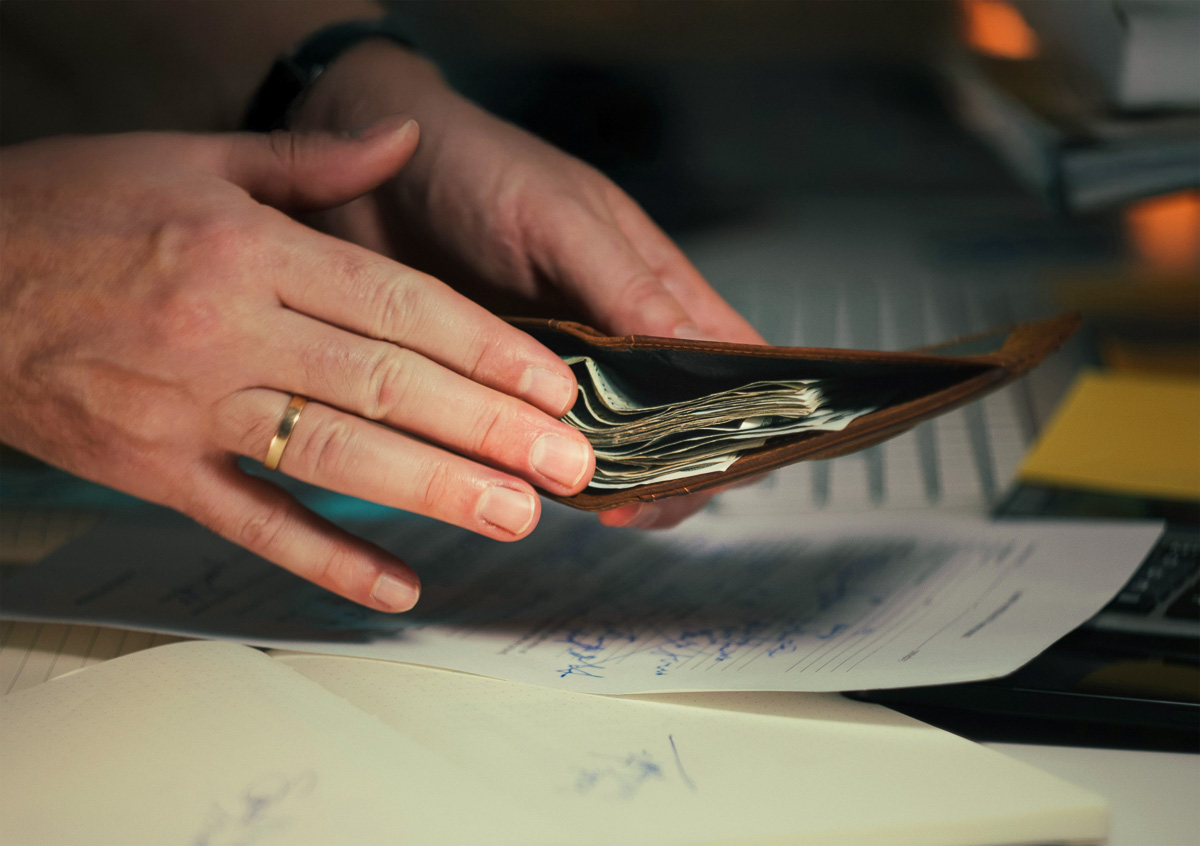
During a power outage, you may find that more than just your lights and appliances stop working. Credit card machines, ATMs, gas pumps, and even some store checkout systems may be unavailable. Having some cash in small bills on hand and keeping important information accessible can save you a lot of frustration.
Protect Important Documents
Keep copies of important documents in a waterproof folder or container. You may also want to store digital copies on a password-protected USB drive or in a secure cloud account.
Consider including:
- Driver's licenses and identification
- Insurance policies and contact information
- Medical information and prescription lists
- Emergency contacts
- Birth certificates and other essential records
- Copies of important financial and household documents
If you need to leave home unexpectedly, having these documents together makes it easier to grab what you need.
Make a Family Emergency Plan
Talk with your household about what you would do if the power went out for an extended period. Make sure everyone knows where emergency supplies are stored and how to use them.
It's also helpful to:
- Write down important phone numbers in case your phone dies.
- Choose an out-of-area contact family members can check in with.
- Decide where everyone should meet if you can't get home.
- Keep a paper map in your vehicle in case GPS or cell service is unavailable. Time to find those Thomas Brothers maps!
- Know how to report an outage to your electric company.
- Check on elderly neighbors or anyone who may need extra assistance.
A little planning ahead can prevent confusion when everyone is trying to figure out what to do at the same time.
Emergency Supplies for Pets and Animals
When preparing for a power outage, don't forget to include your pets in the plan. If the outage lasts several days, you may not be able to get to the pet store, and your animals will still need food, water, and care.

Supplies to Keep on Hand for Pets
Consider setting aside a small emergency supply kit for each pet. Include:
- Several days' worth of pet food
- Extra drinking water
- Food and water bowls
- Any necessary medications
- Leashes, collars, and harnesses
- Pet carriers for cats and smaller animals
- Waste bags, plus cat litter and a litter box
- Copies of vaccination records and other important pet information
- A recent photo of each pet in case you become separated
If your pet eats a special diet or takes medication, keep extra supplies on hand and check expiration dates regularly.
Don't Forget Livestock and Backyard Animals
If you keep chickens, rabbits, goats, or other livestock, think about what they would need during an extended outage.
Depending on your setup, this may include extra feed, water storage, and a plan for keeping animals safe in extreme weather. If you rely on an electric well pump or automatic watering system, have a backup way to provide water.

Final Thoughts on Preparing for a Power Outage
You don't have to be a homesteader, live off-grid, or spend hundreds of dollars on emergency supplies for power outages to be better prepared for a power outage. A little planning and a few practical supplies can go a long way.
Start with the basics: drinking water, shelf-stable food, flashlights, extra batteries, medications, and a way to stay informed. Then add to your supplies as your budget allows. Even picking up a few extra items during your regular grocery trips can help you build a useful emergency stash over time.
I hope this emergency supplies for power outages guide encourages you to take a few simple steps toward being prepared. You may never need some of these supplies, and I hope you don't. But if the need arises, you'll be glad you took the time to plan ahead.
Related Posts
If you found this emergency supplies for power outages guide helpful, you may enjoy these other related posts!



Beni says
This was such an informative and easy to follow emergency plan blog for clueless people as myself. I loved all the Amazon links to buy what’s essential for an emergency. I feel less stressed out about being prepared, because I have a plan to follow. Thank you for posting this blog.
Hilda Sterner says
My pleasure, sis! I wanted to make sure you were taken care of, and the rest of my readers!